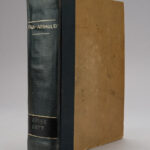
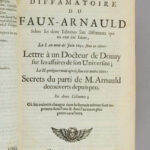
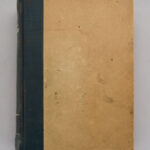
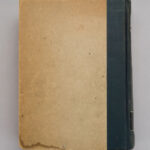
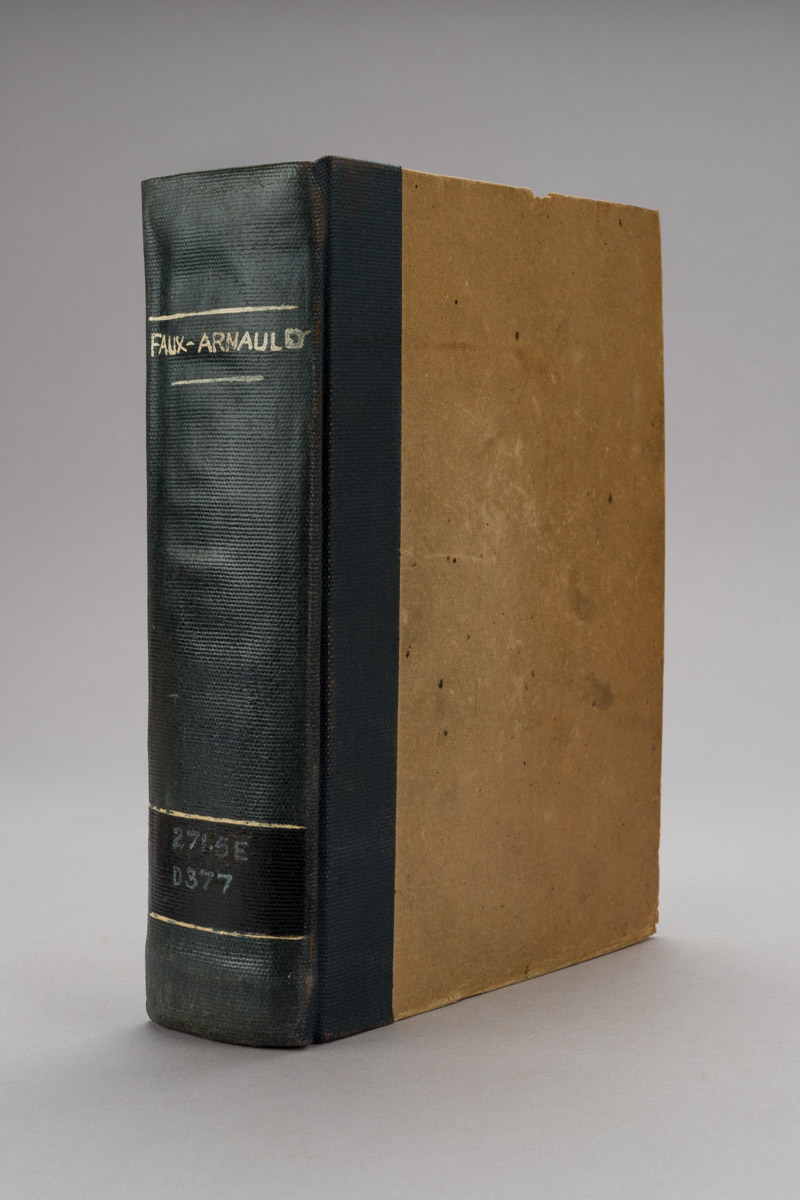
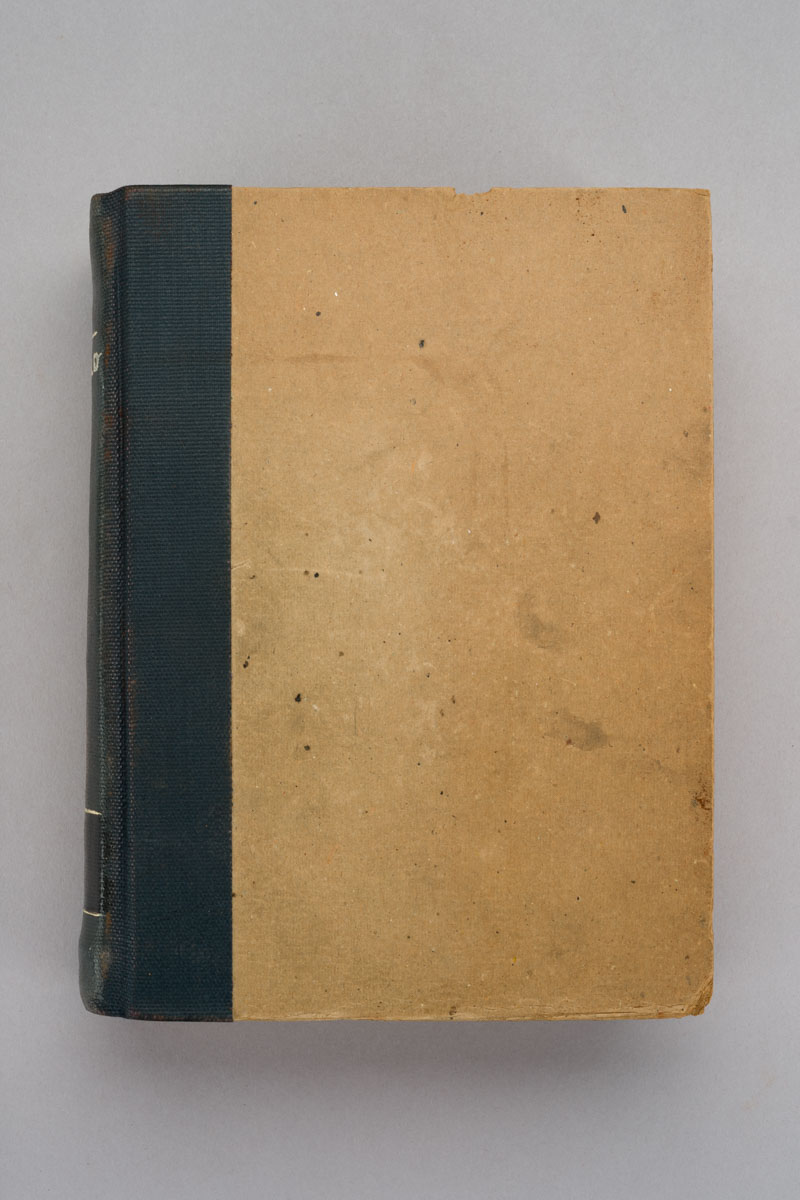
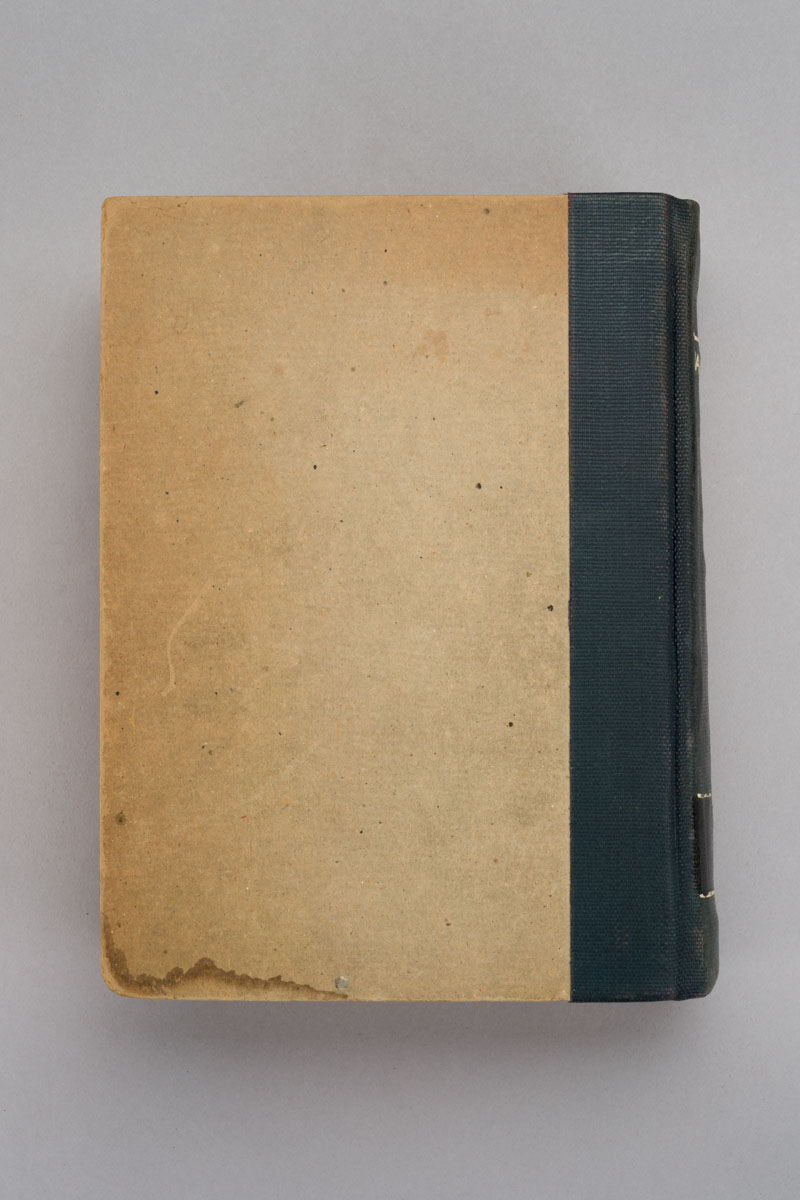
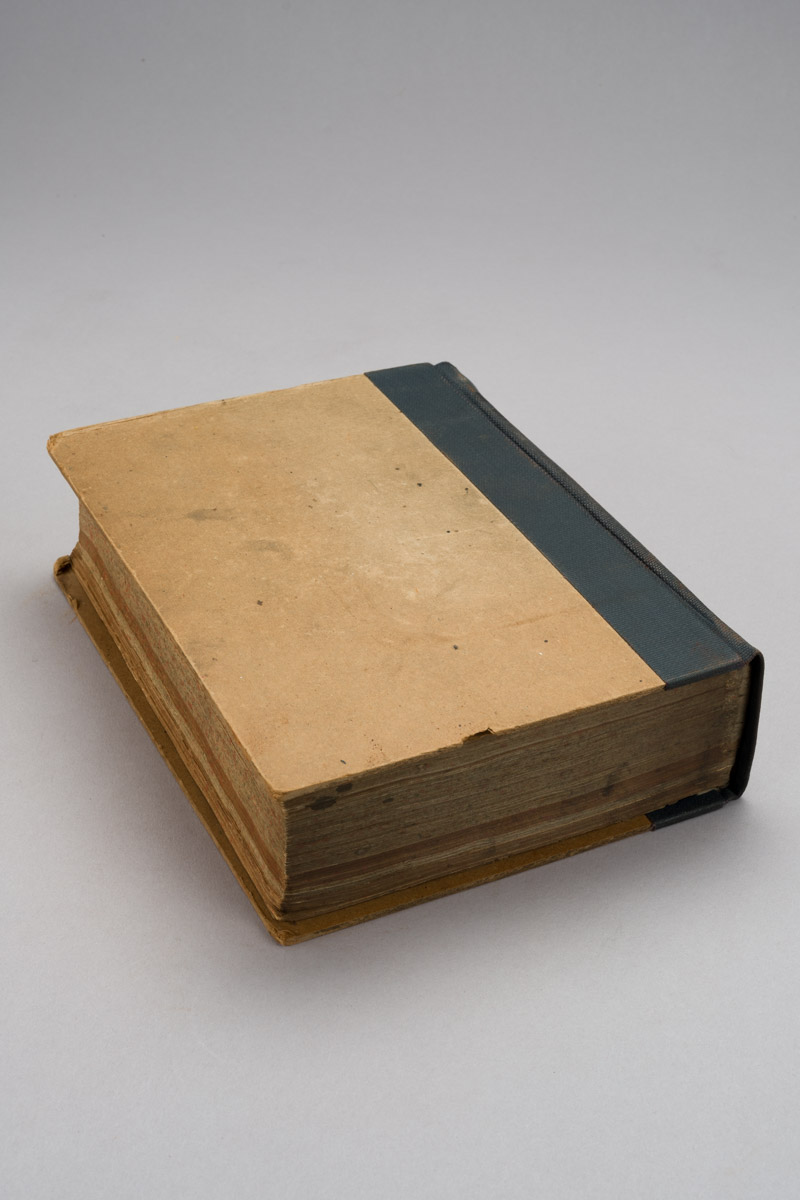
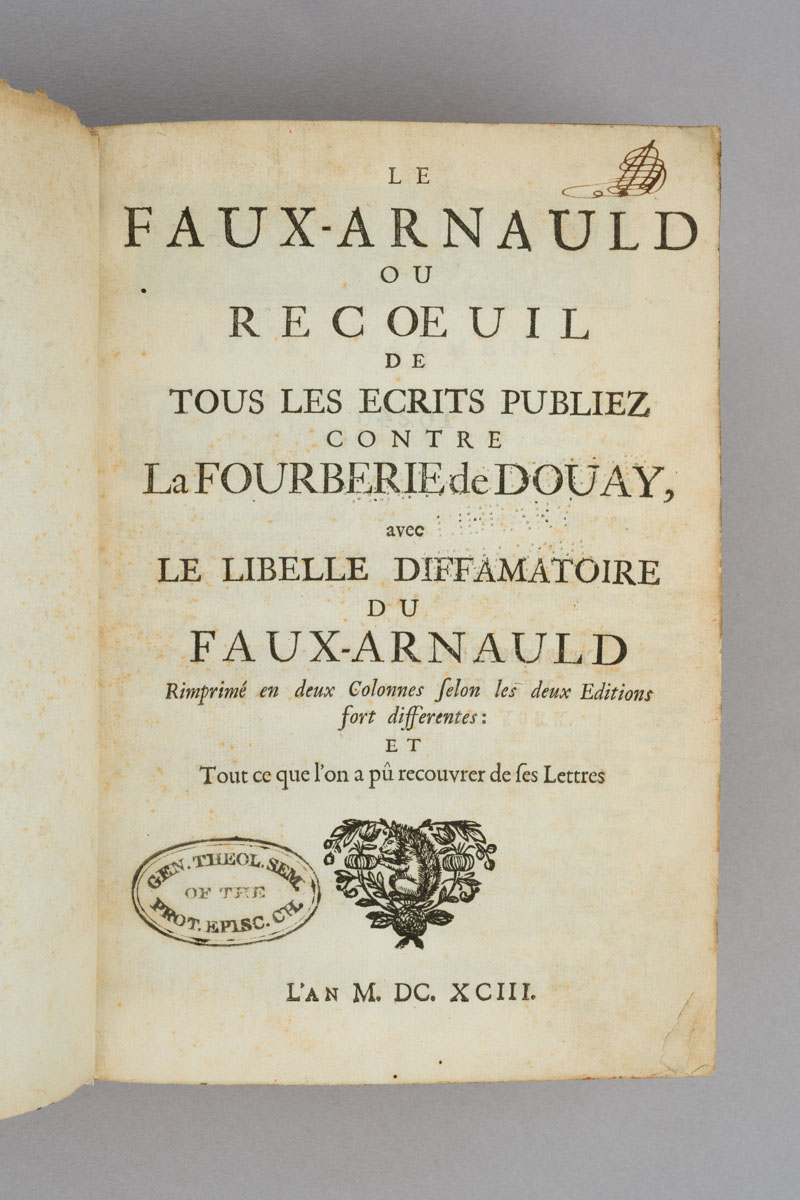
The title “Faux-Arnauld” — “The False Arnauld” — immediately reveals the character of this extraordinary book.
Antoine Arnauld was one of the great theological controversialists of seventeenth-century France: a leading Jansenist thinker, associate of Port-Royal and an intellectual figure whose disputes brought him into conflict with some of the most powerful religious institutions of his age.
This volume belongs to the world of accusation, counter-accusation, pamphleteering and disputed identity that surrounded the so-called Fourberie de Douay. Rather than presenting theology as an abstract academic exercise, it preserves the printed evidence of a very public religious quarrel.
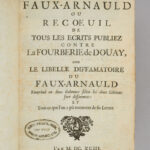
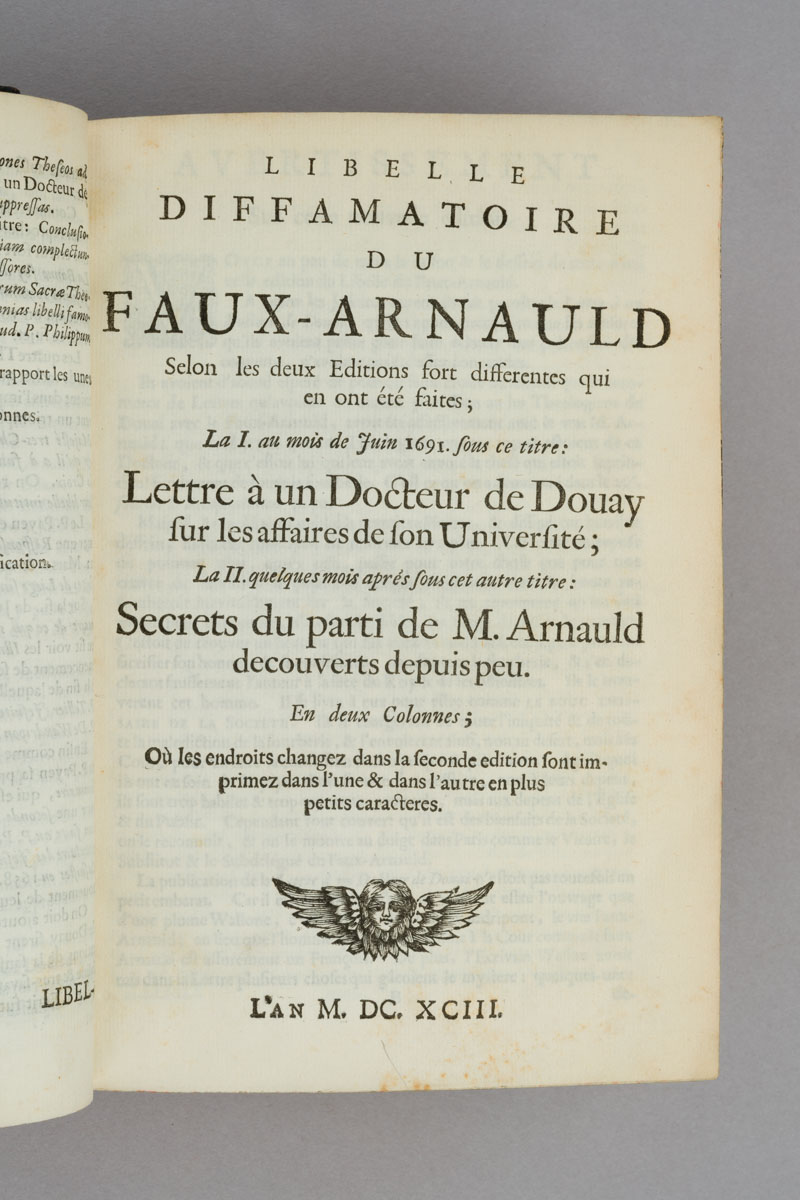
Particularly fascinating is the inclusion of the Libelle diffamatoire du Faux-Arnauld. Its title explicitly explains that two markedly different editions are reproduced in two columns so that altered passages can be compared — effectively turning the printed page into evidence in the controversy.
More than three centuries later, the volume remains a tangible survivor of the fierce religious and intellectual battles of seventeenth-century Europe.
This is an appealing example of the sort of book that makes seventeenth-century collecting so interesting: not merely an old theological text, but a surviving document from an actual historical controversy.
Printed in 1693, it combines early French religious history, polemical literature and the history of printing and textual manipulation. The comparison of competing versions of the Libelle diffamatoire is particularly unusual and gives the volume an almost forensic quality.
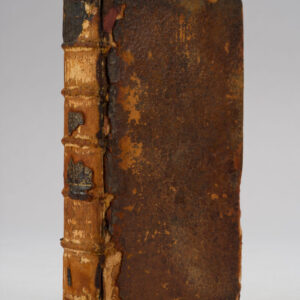
The institutional stamps and markings also form part of its later history as a book preserved and studied within a theological collection.
At more than 330 years old, it offers an accessible route into the religious and intellectual conflicts of Louis XIV’s Europe.