£795.00
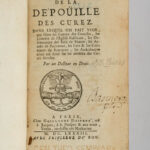
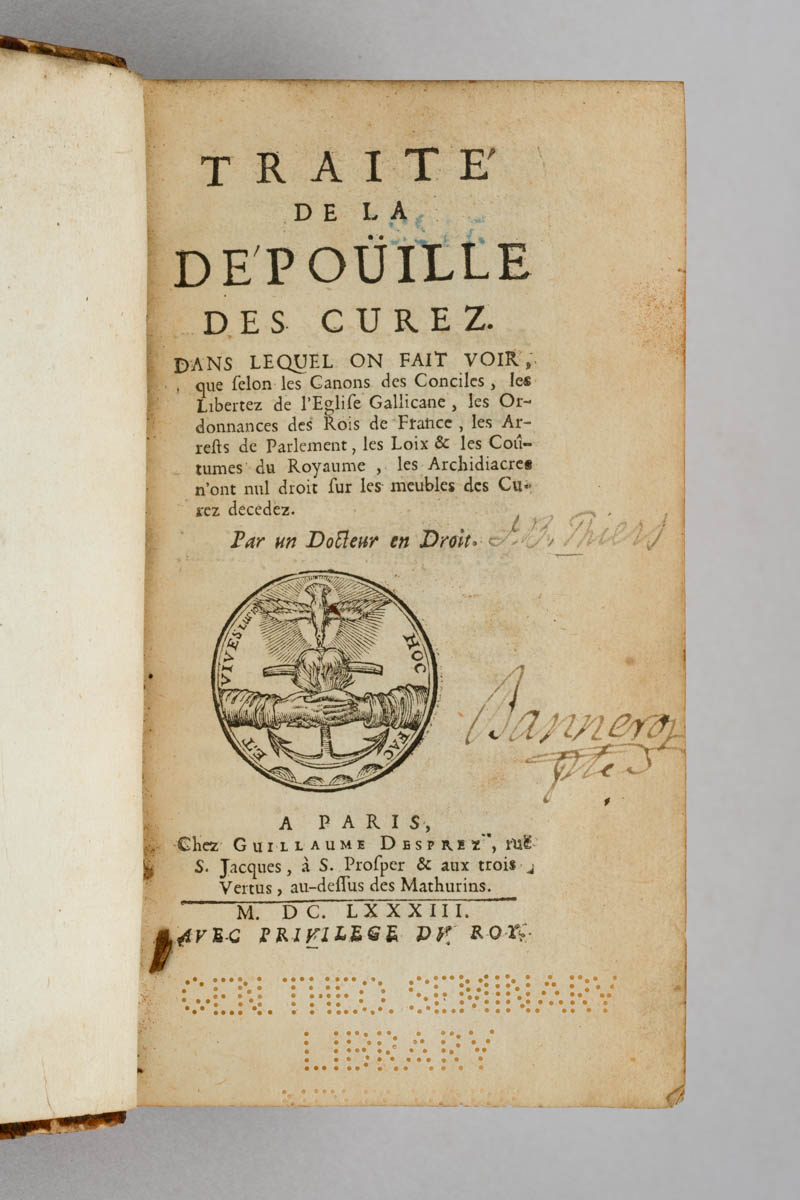
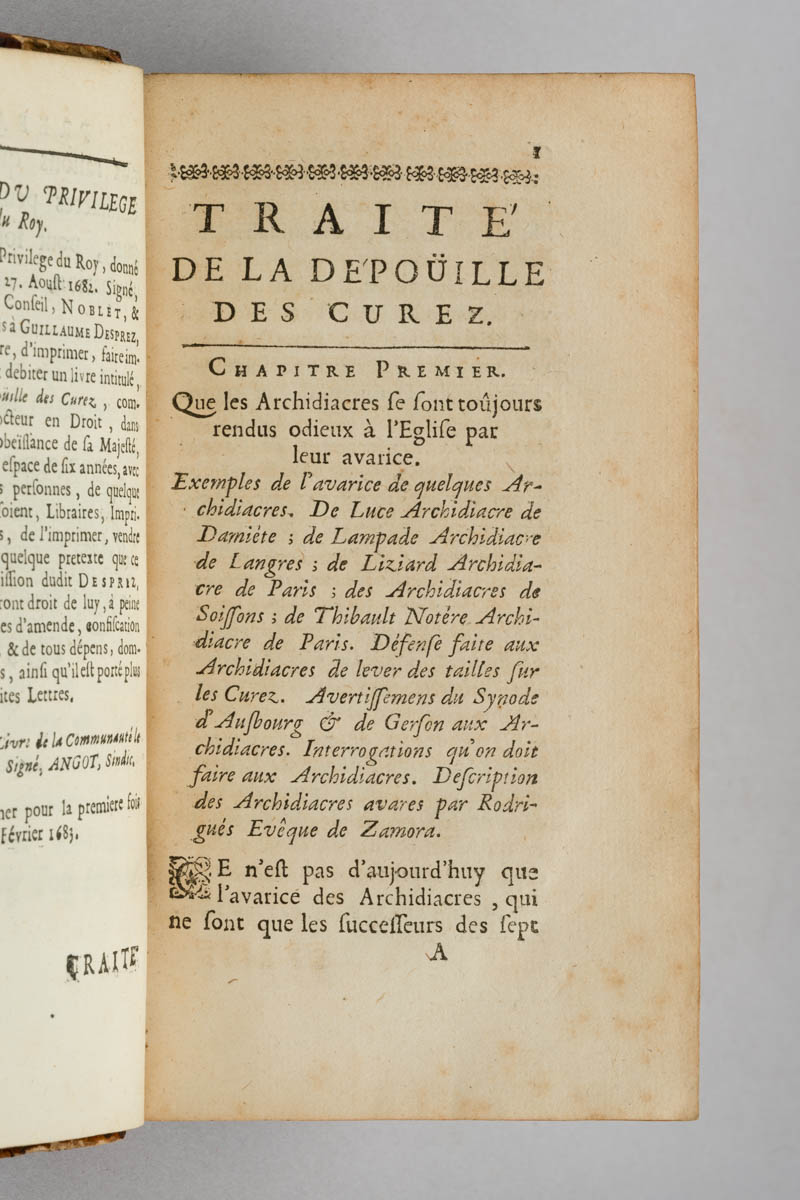
Traité de la Dépouille des Curez. Dans lequel on fait voir, que selon les Canons des Conciles, les Libertez de l’Eglise Gallicane, les Ordonnances des Rois de France, les Arrests des Parlemens, les Loix & les Coûtumes du Royaume, les Archidiacres n’ont nul droit sur les meubles des Curez decedez.
Paris: Chez Guillaume Desprez, rue S. Jacques, à S. Prosper & aux trois Vertus, au-dessus des Mathurins, 1683. With privilege of the King.
An uncommon seventeenth-century French legal and ecclesiastical treatise concerning the property of deceased parish priests and, specifically, the disputed rights of archdeacons over their possessions.
The work draws upon canon law, the liberties of the Gallican Church, royal ordinances, parliamentary decisions, and the laws and customs of the French kingdom, making it an interesting primary source for the relationship between Church authority, property and the French Crown during the reign of Louis XIV.
Title page with engraved printer’s device and early manuscript ownership inscriptions, including a clearly visible signature apparently reading “J. B. Priest”, together with another early inscription beneath.
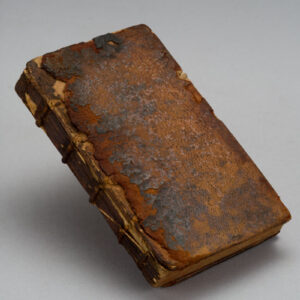
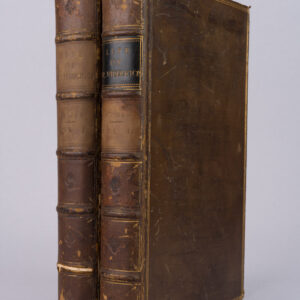
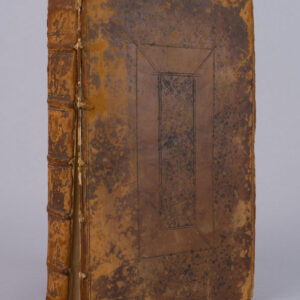
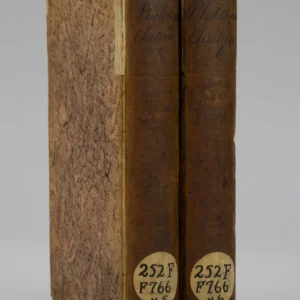
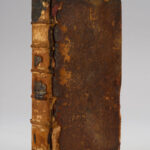
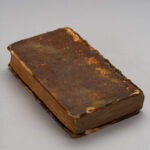
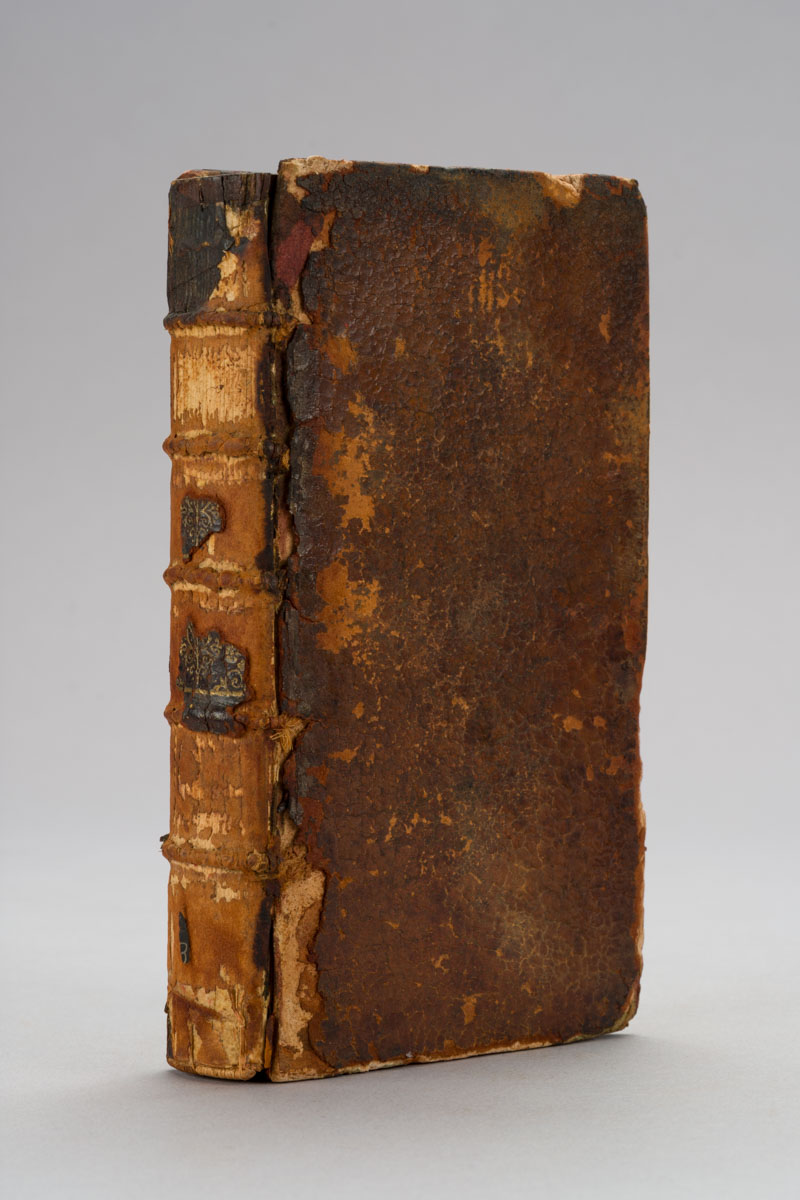
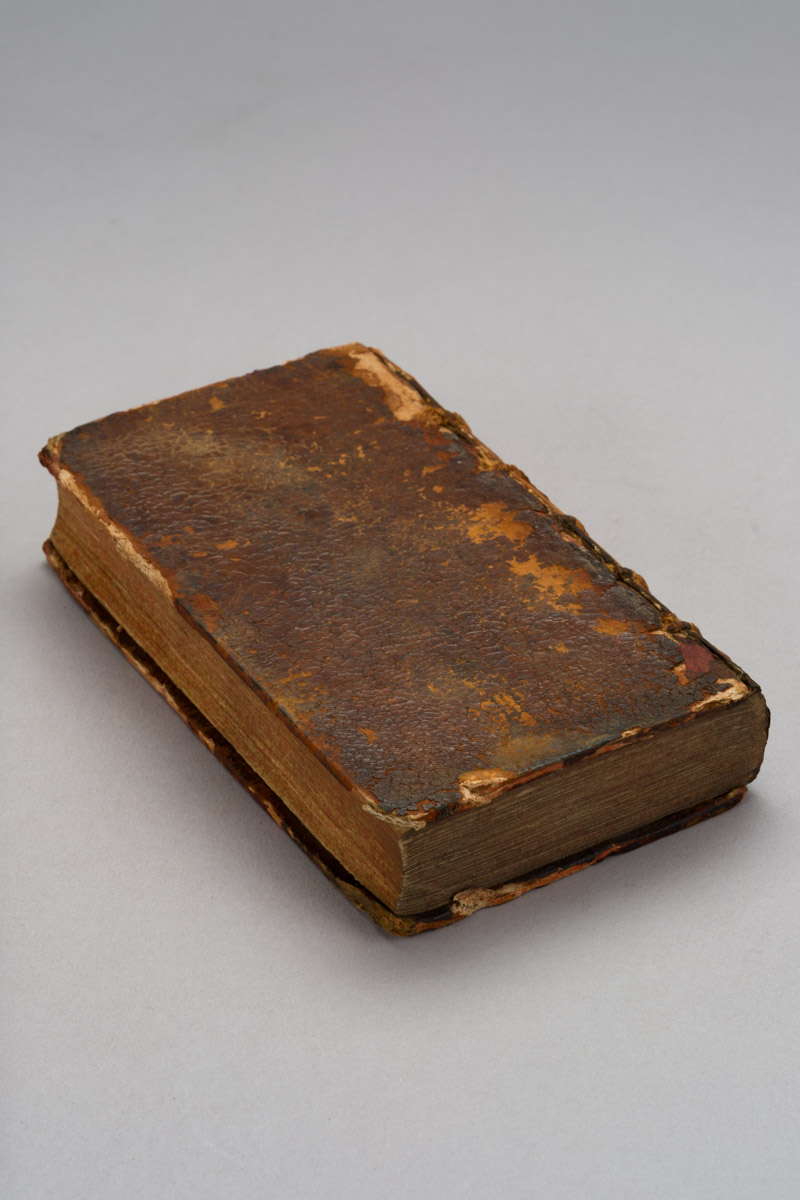
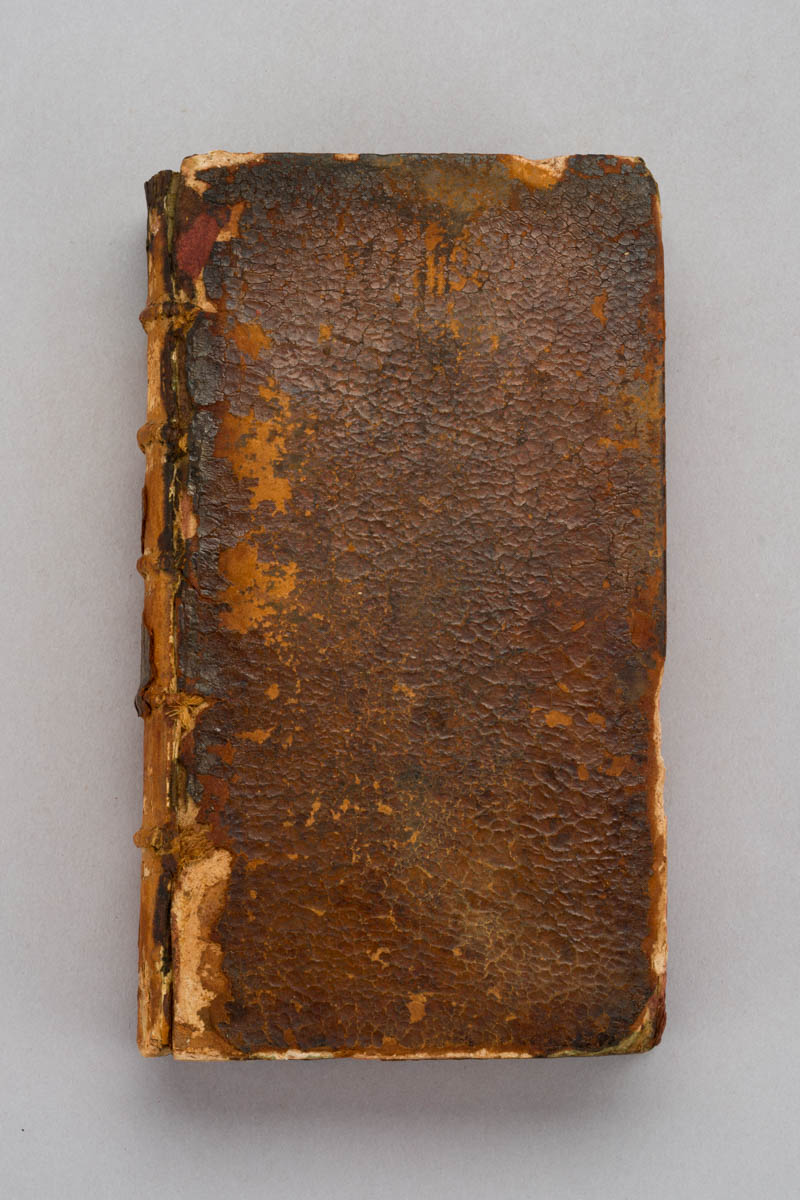
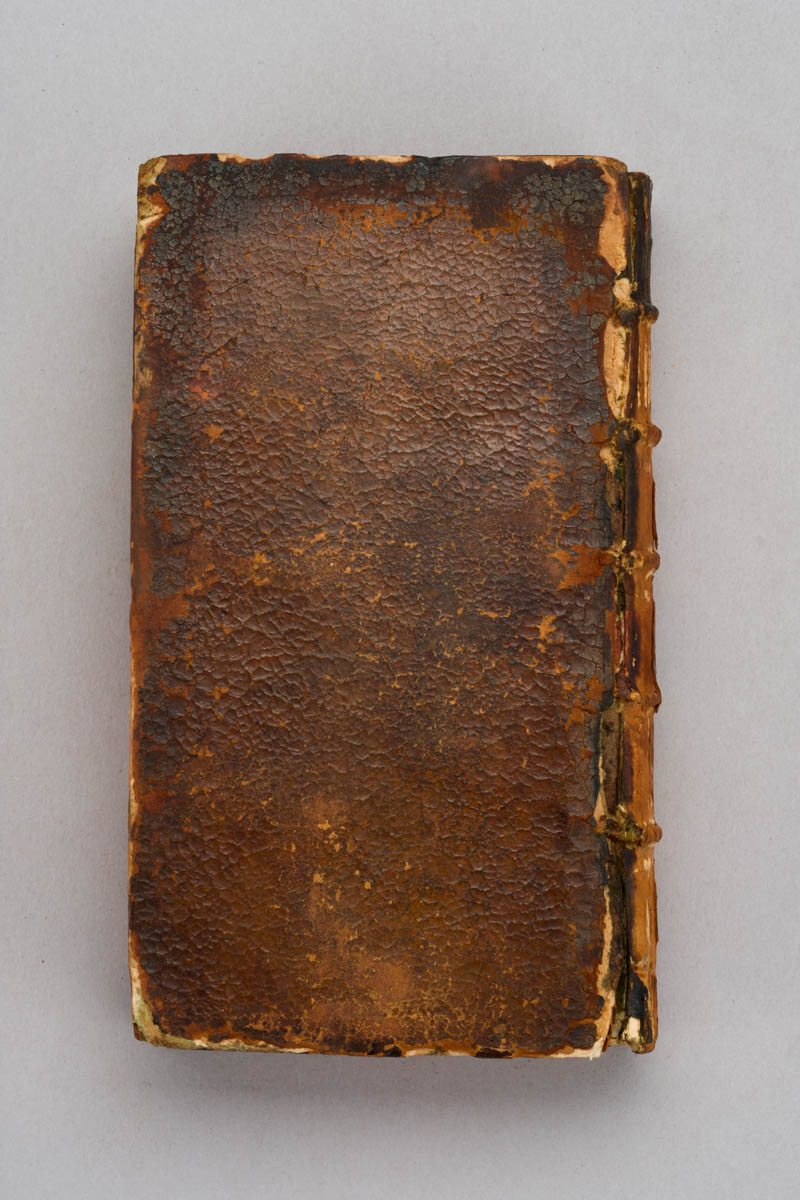
Preserved in its old leather binding over boards, now substantially worn, with considerable loss to the spine covering and exposed structure. The survival of the original binding nevertheless gives the volume considerable period character.
Author: Anonymous — described on the title page as “un Docteur en Droit”
Title: Traité de la Dépouille des Curez
Year: 1683
Edition: Seventeenth-Century Edition
Publisher: Guillaume Desprez, Paris
Place: Paris
Language: French
Provenance: Early manuscript ownership inscriptions to title page, including one apparently reading “J. B. Priest”
Fair antiquarian condition. Contemporary or early leather binding substantially worn, rubbed and abraded, with significant loss to the leather of the spine, exposed cords/structure and wear to corners and board edges. Internally considerably better preserved, with expected age-toning, occasional spotting and marks. Early manuscript ownership inscriptions to title page. Printer’s device remains well defined. An unrestored copy retaining considerable period character.
1 in stock
Printed in Paris in 1683, at the height of the reign of Louis XIV, this small volume addresses a question that could provoke surprisingly serious disputes: who owned the possessions of a priest when he died?
The title itself announces the argument. According to the author—identified only as a doctor of law—archdeacons had no legitimate claim upon the movable property left by deceased curés. To establish the case, he marshalled an imposing body of authority: Church councils, canon law, the traditional liberties of the Gallican Church, royal legislation, parliamentary judgments and French customary law.
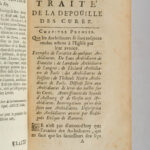
The opening chapter is particularly uncompromising. It discusses the alleged avarice of archdeacons, placing the controversy within centuries of disputes over ecclesiastical authority and wealth.
This was also a politically significant moment in French Church history. Louis XIV’s France was asserting the historic Gallican liberties of the French Church and limiting outside ecclesiastical authority. A legal work published in Paris in 1683 and explicitly invoking those liberties therefore belongs to a much broader struggle concerning the boundaries between Church, Crown and law.
The title page provides another tangible connection with the book’s history. It carries early handwritten ownership inscriptions, including the prominent signature apparently reading “J. B. Priest.” While the identity of the signer cannot presently be established with certainty, the inscription is clearly an early feature of the copy and adds an attractive provenance element.
More than three centuries later, the heavily worn leather binding tells its own story. This was not a pristine library ornament. It is a surviving working book from the legal and ecclesiastical world of seventeenth-century France.
This is an appealing example of a Louis XIV-period French legal and ecclesiastical book, combining several collecting areas in a single object.
Its subject concerns canon law, Gallicanism, ecclesiastical property and the competing jurisdictions of Church and Crown. The 1683 Paris imprint, original printer’s device and early manuscript ownership inscriptions give it genuine seventeenth-century character.
The heavily worn contemporary binding should also be viewed in context: rather than disguising the book’s age through later rebinding, it preserves the physical evidence of more than 340 years of ownership and use.
For collectors of French history, Louis XIV, early law, Catholic history, Gallicanism, ecclesiastical history or seventeenth-century printing, it is an evocative primary-source object.