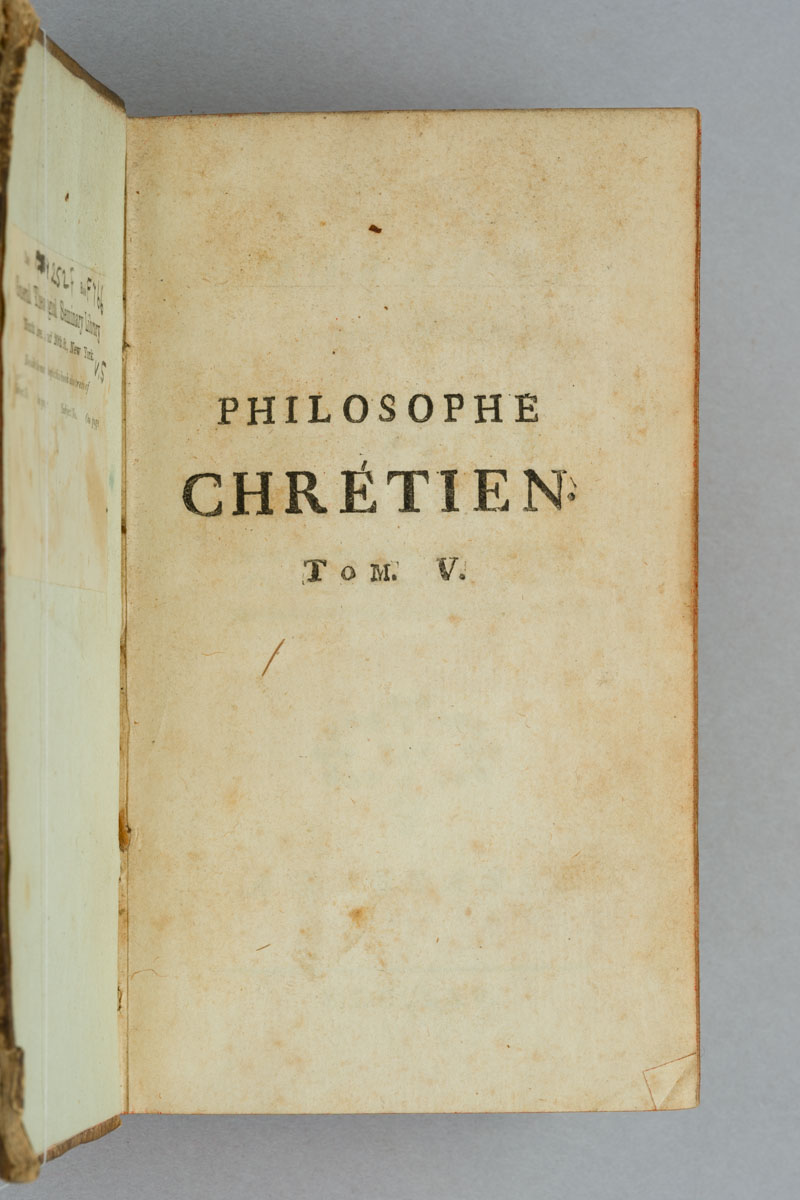
Published in Lausanne in 1765, Discours Moraux, pour servir de suite au Philosophe Chrétien belongs to the fascinating intellectual world of the European Enlightenment, where philosophy, morality and Christian belief were being reconsidered in the light of reason.
Its author, Jean-Henri-Samuel Formey (1711–1797), was a significant figure in eighteenth-century European intellectual life and served for decades at the Royal Academy of Sciences in Berlin. His extensive correspondence and connections placed him within the international network of Enlightenment scholars.
These Discours Moraux were conceived as a continuation of Formey’s earlier Le Philosophe Chrétien. Rather than seeing Christianity and Enlightenment philosophy as necessarily opposed, Formey sought to reconcile rational philosophical enquiry with Christian morality.
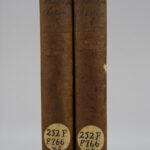
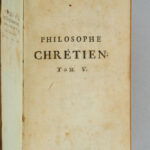
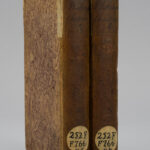
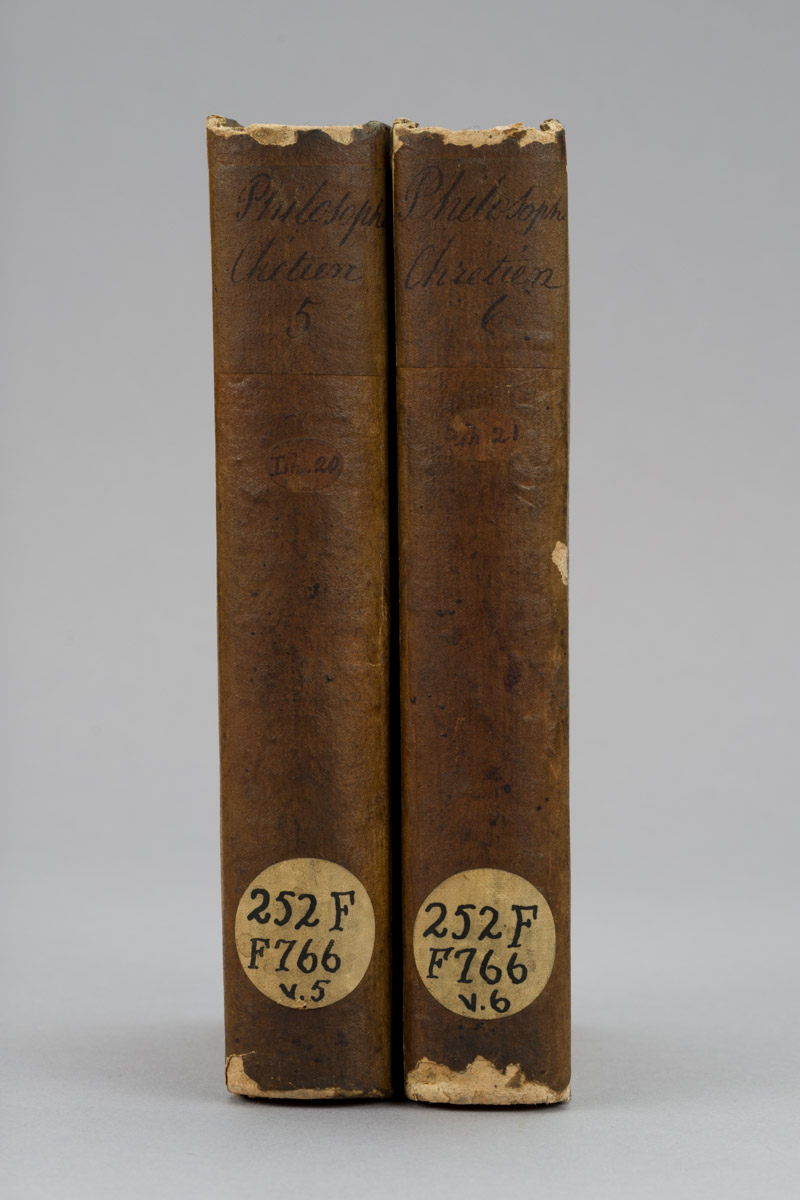
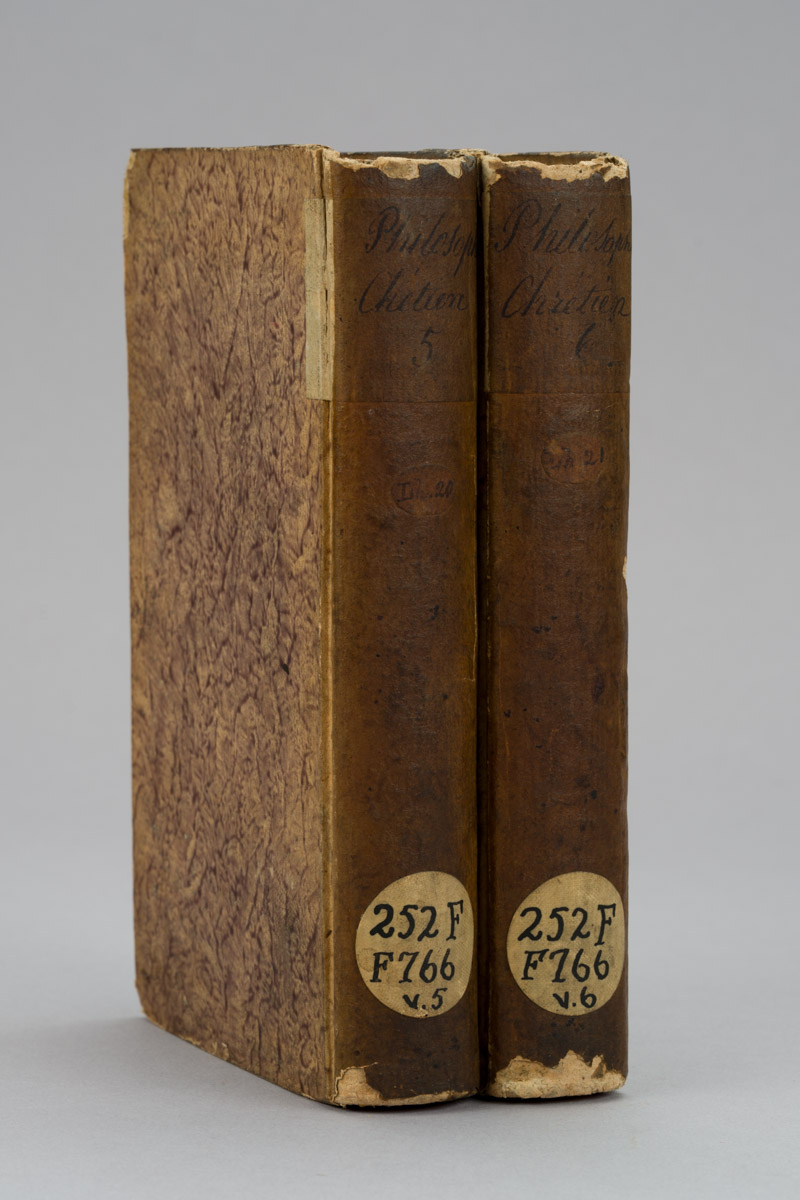
The present Lausanne edition was published by J. Pierre Heubach in 1765 in two volumes, corresponding to Tomes V and VI of the wider Philosophe Chrétien sequence.
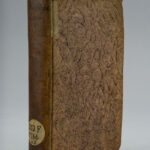
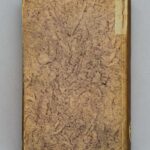
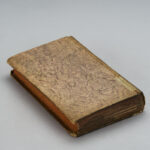
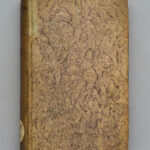
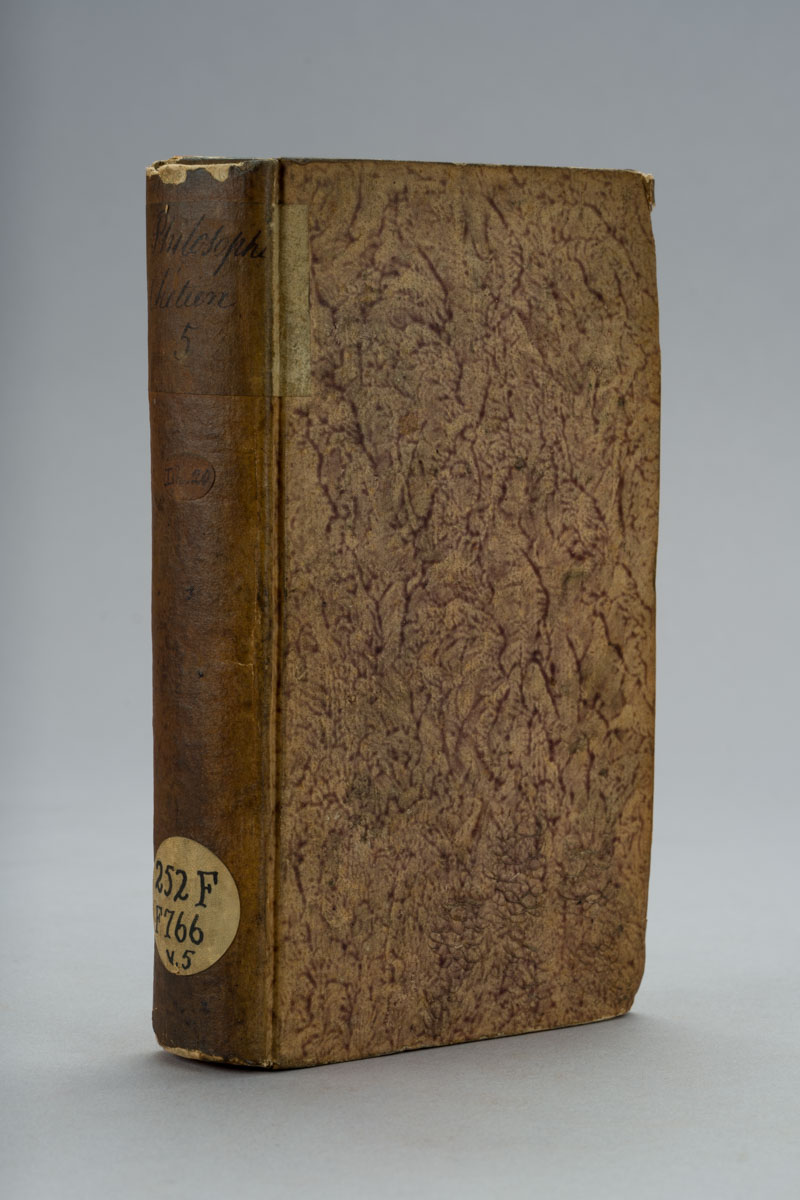
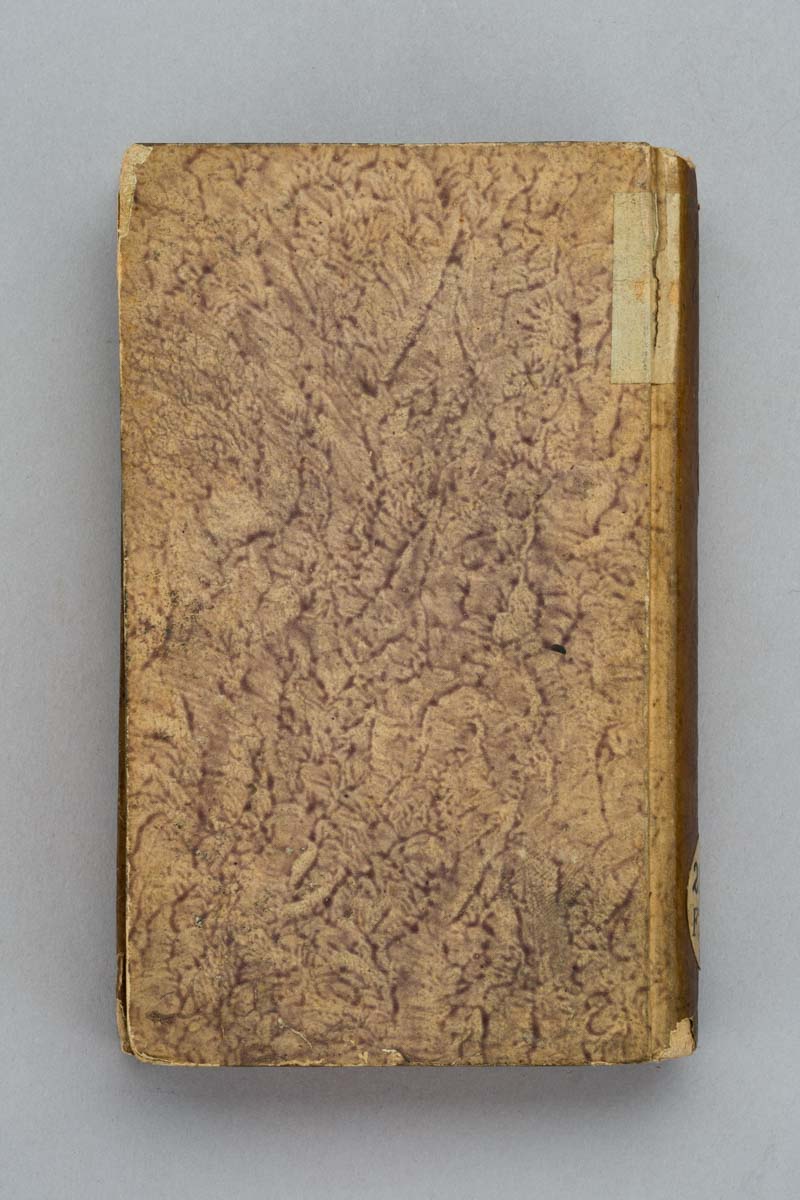
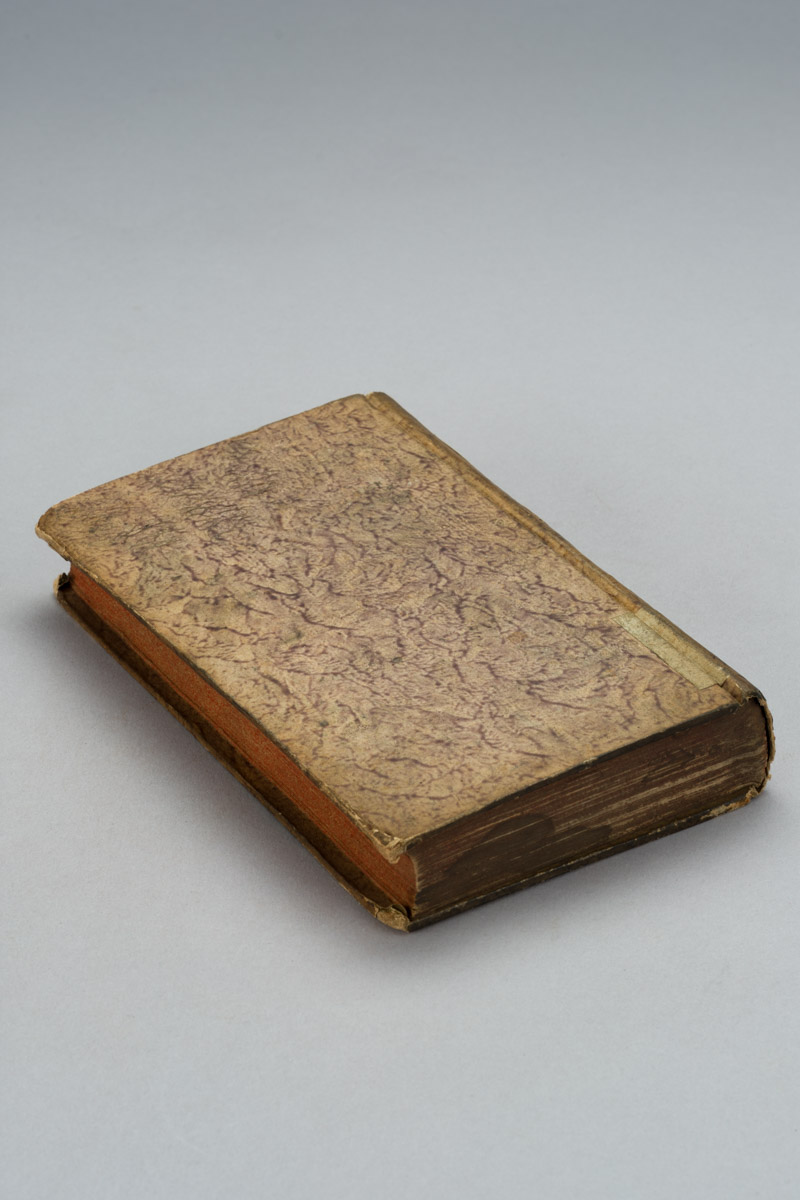
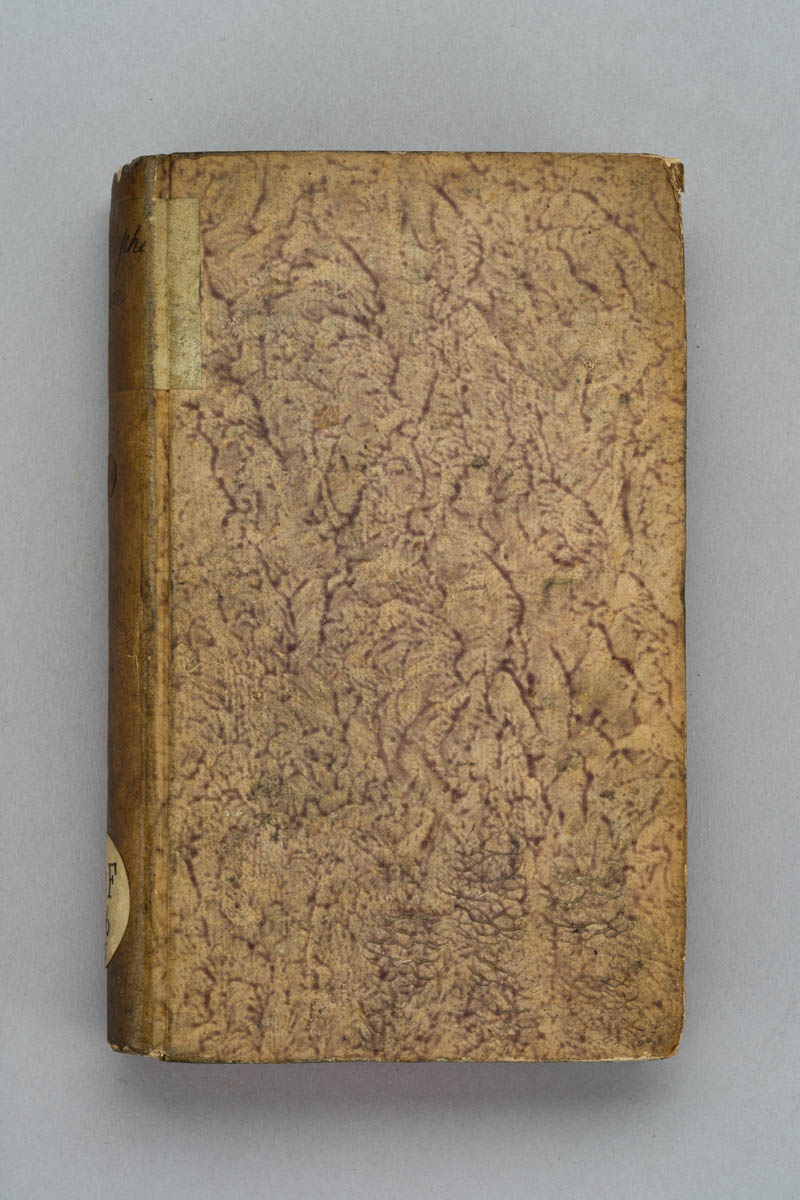
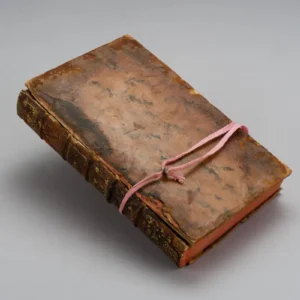
This surviving set retains considerable period character, including its old bindings and historic institutional markings—physical evidence of its long history as a working eighteenth-century book.
This is more interesting than simply being a 260-year-old theological work.
It represents the intersection of the Enlightenment and Christianity: an eighteenth-century attempt to reconcile reason, philosophy, ethics and religious belief during one of Europe’s great periods of intellectual change.
It is also the complete two-volume 1765 Lausanne edition, rather than an isolated volume, and retains an appealing unrestored antiquarian appearance.
For collectors of Enlightenment philosophy, eighteenth-century intellectual history, theology, ethics or early European printing, it is a highly representative period object.