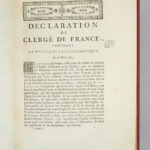
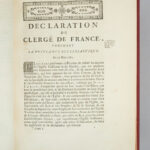
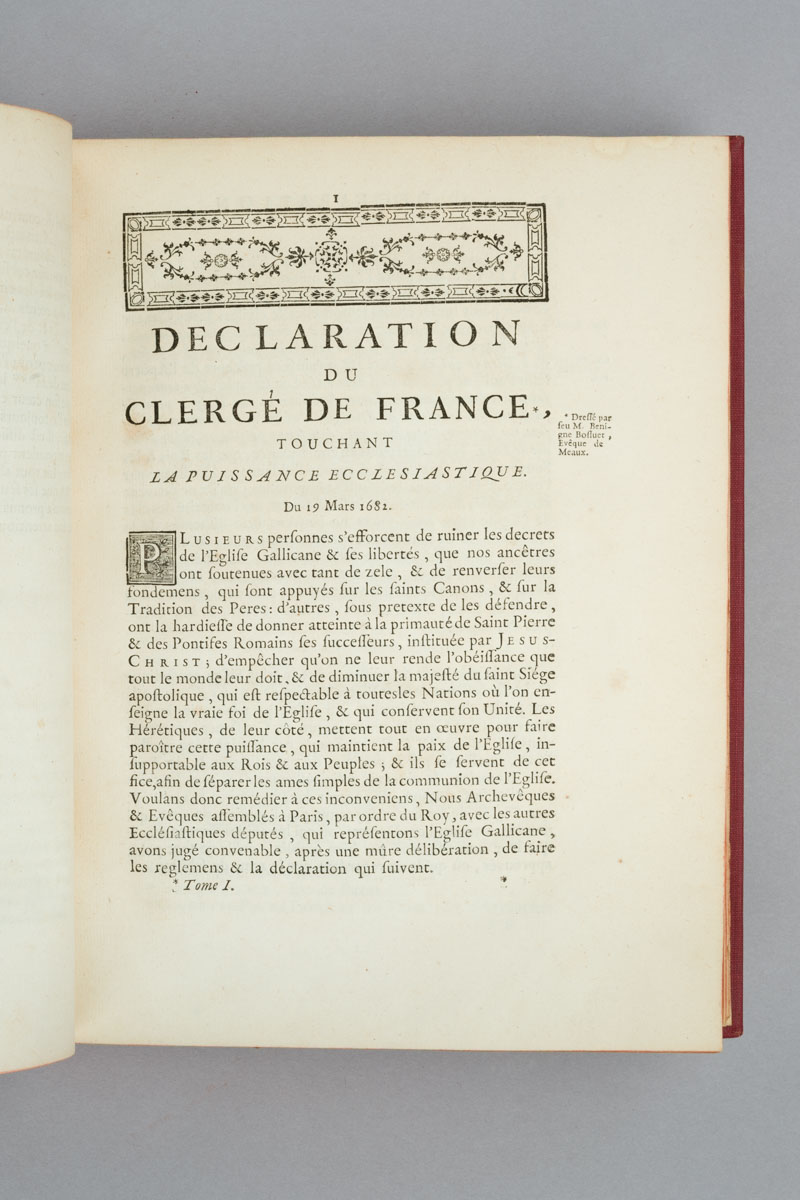
In 1682, an assembly of the French clergy issued four propositions that went directly to one of the great political and religious questions of early modern Europe:
Who held ultimate authority — the Pope, the Church, or the King?
At the centre of the controversy stood Jacques-Bénigne Bossuet, Bishop of Meaux, theologian, celebrated preacher and one of the dominant intellectual figures of Louis XIV’s France.
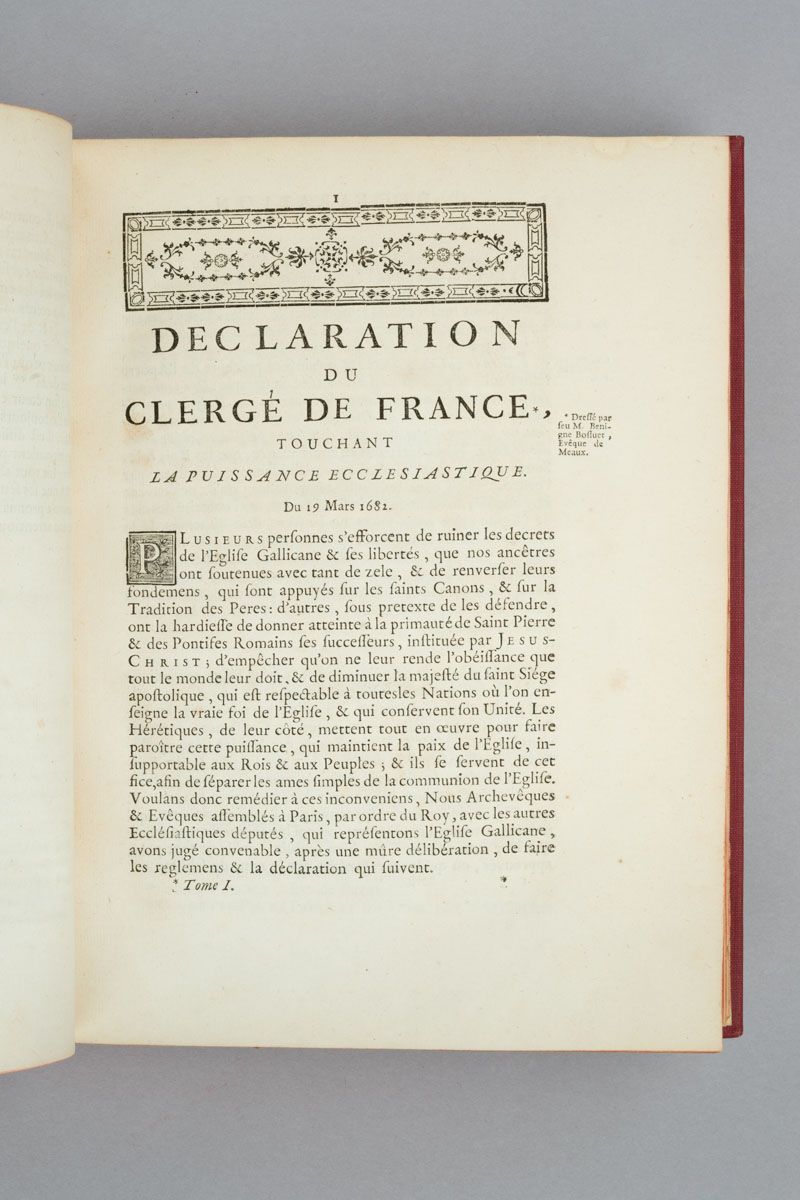
The Declaration defended what became known as the Gallican Liberties. It rejected the idea that the Pope possessed authority over kings in temporal matters, placed limits upon papal power and asserted the continuing authority of the established traditions and councils of the Church.
The implications went far beyond theology. This was an argument about the relationship between religion and the state, and particularly about whether a monarch such as Louis XIV could govern independently of intervention from Rome.
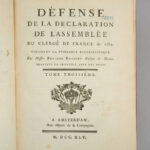
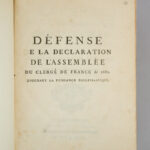
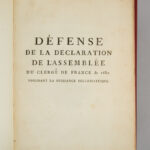
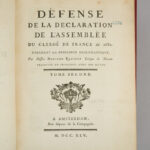
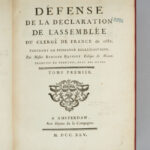
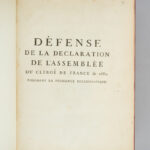
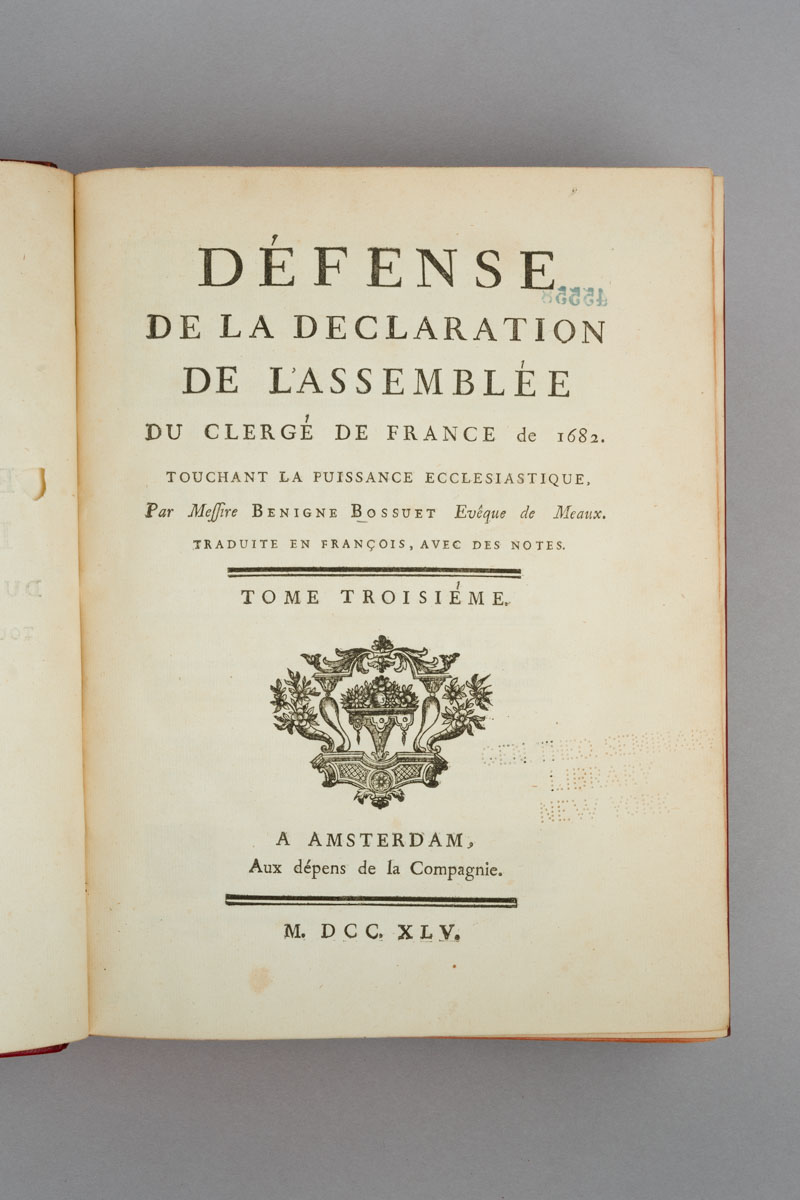
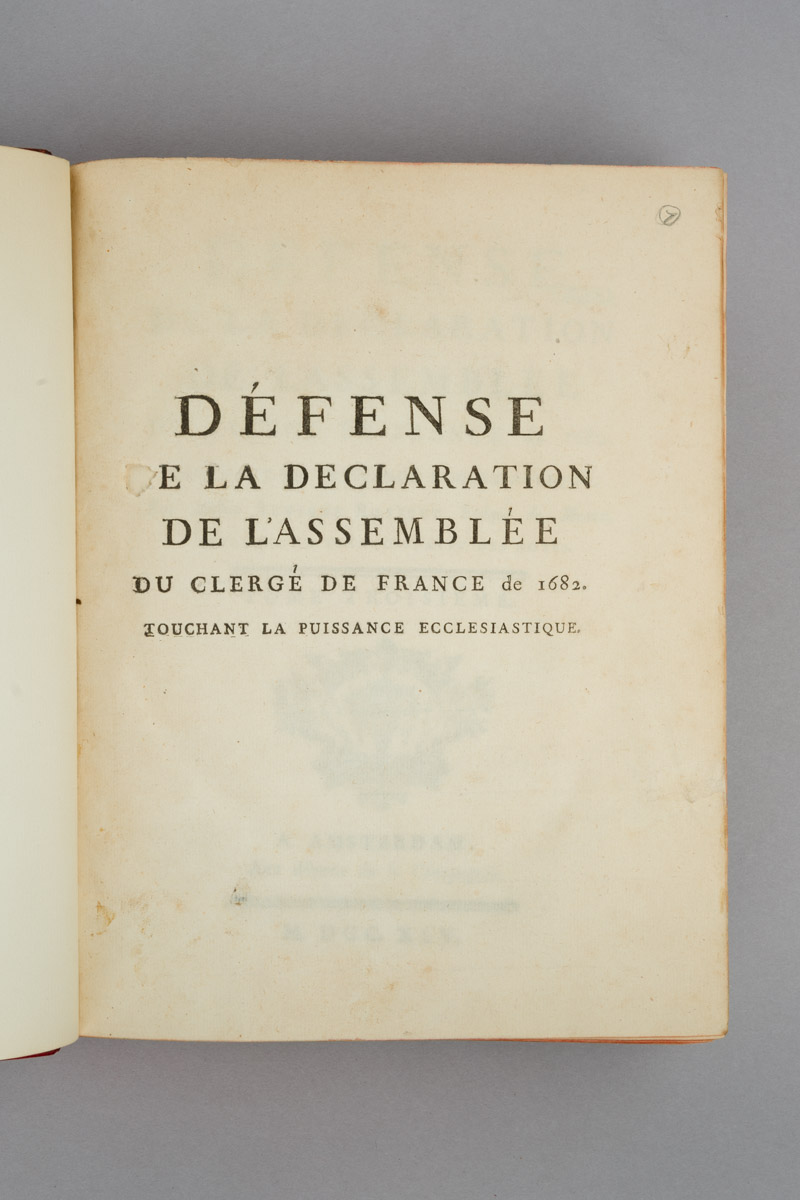
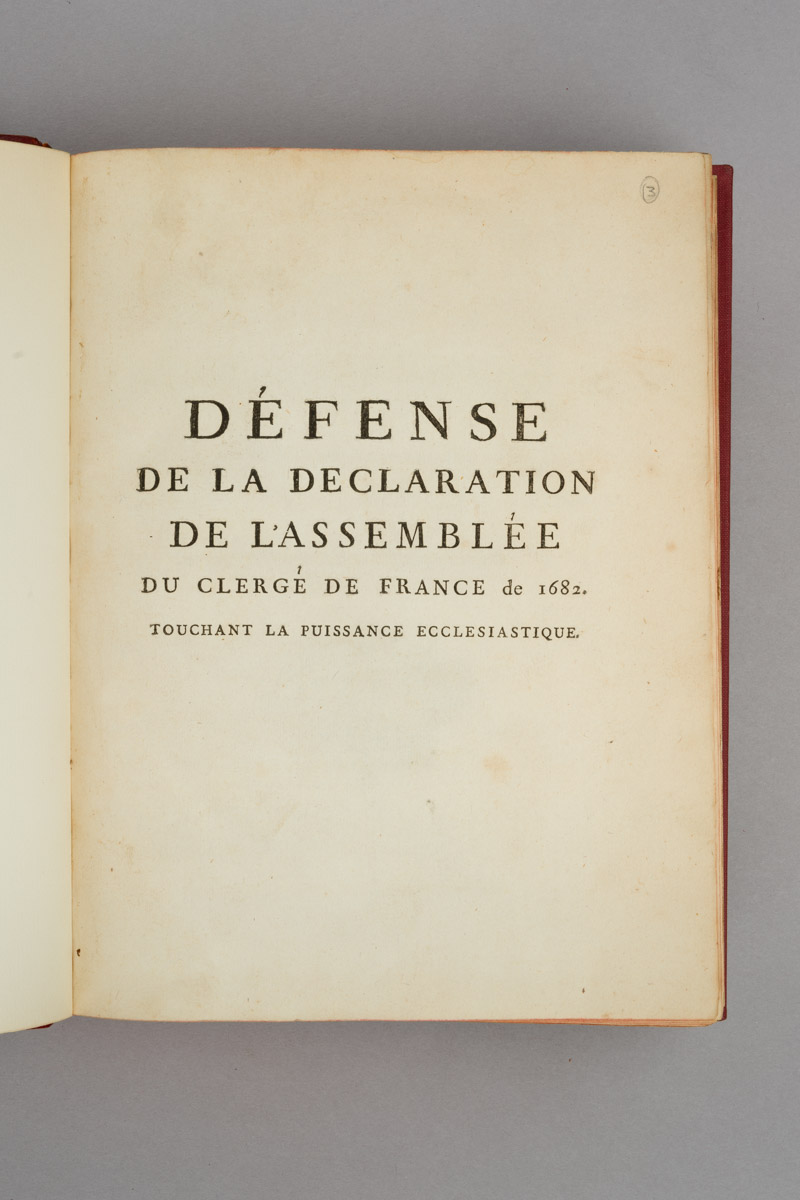
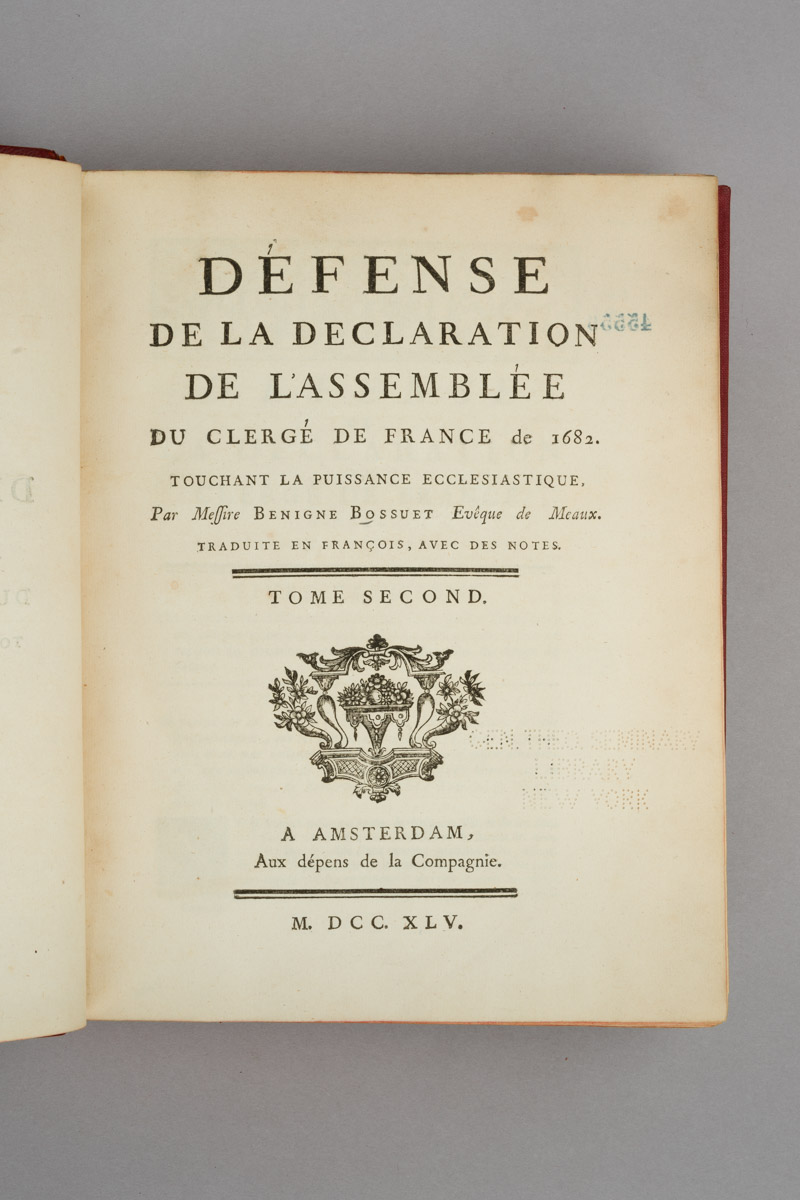
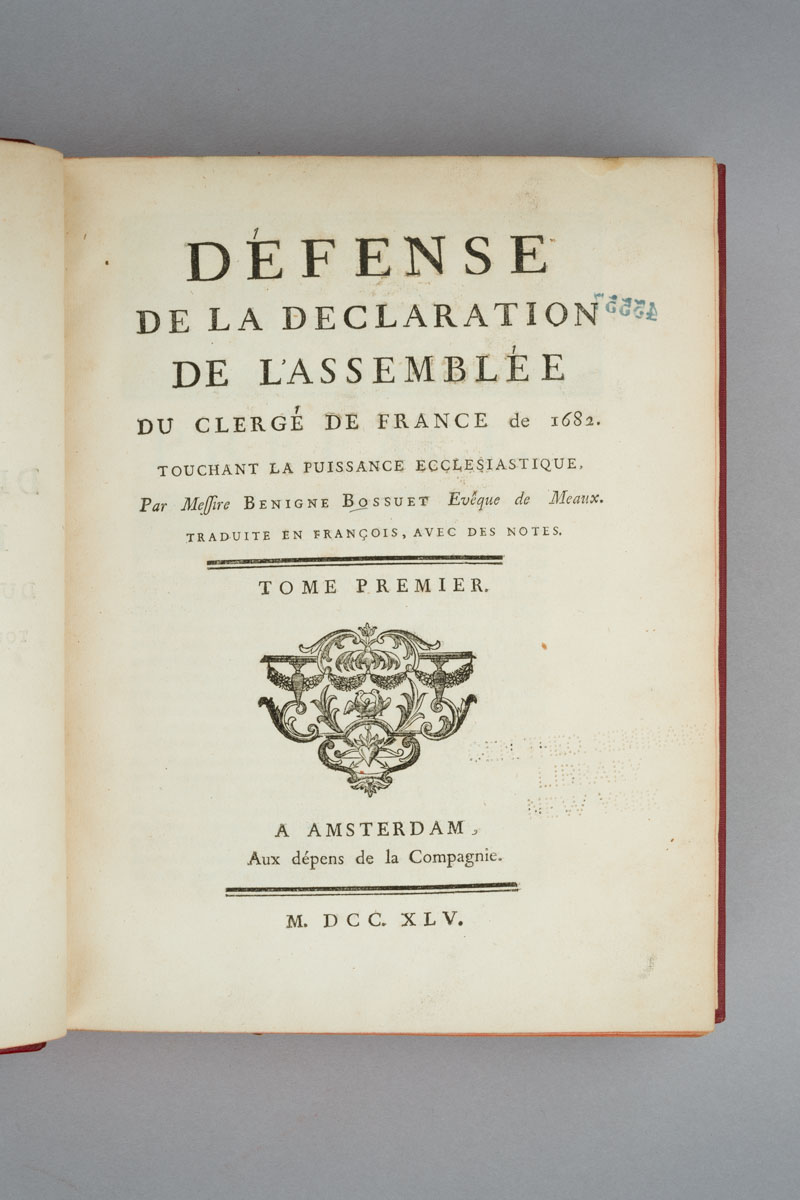
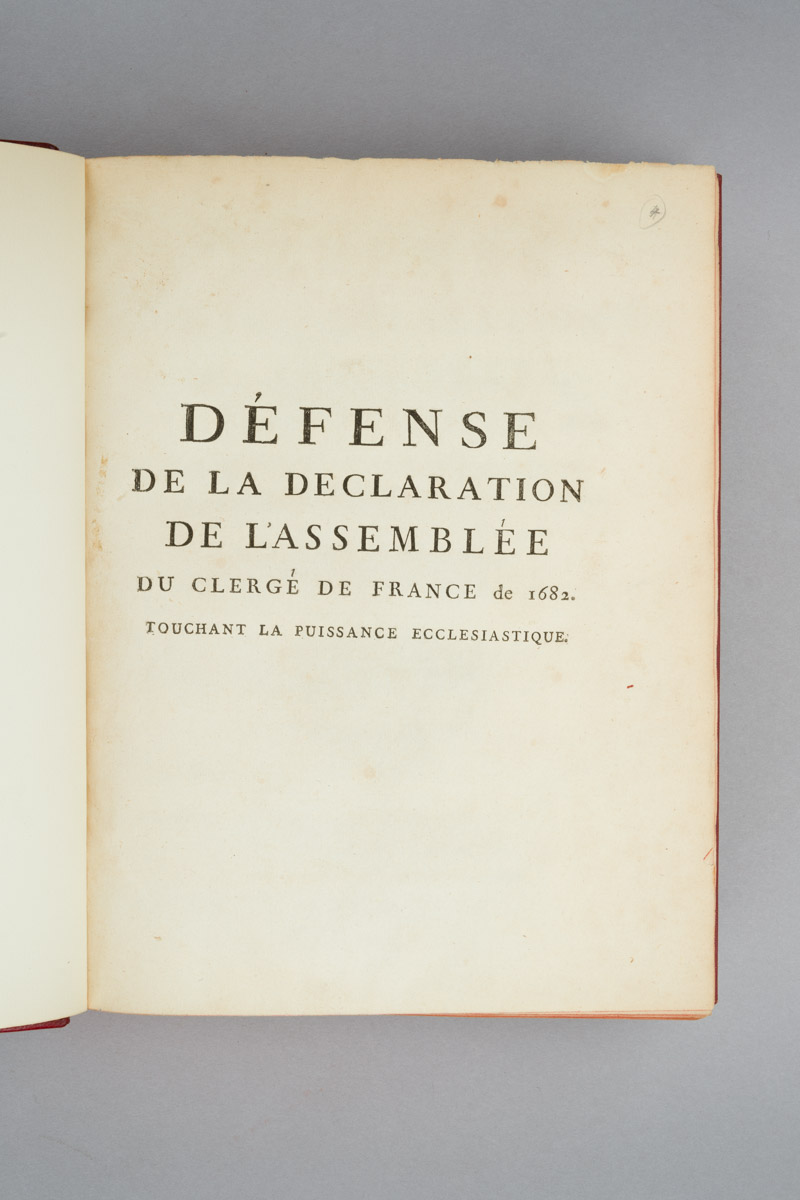
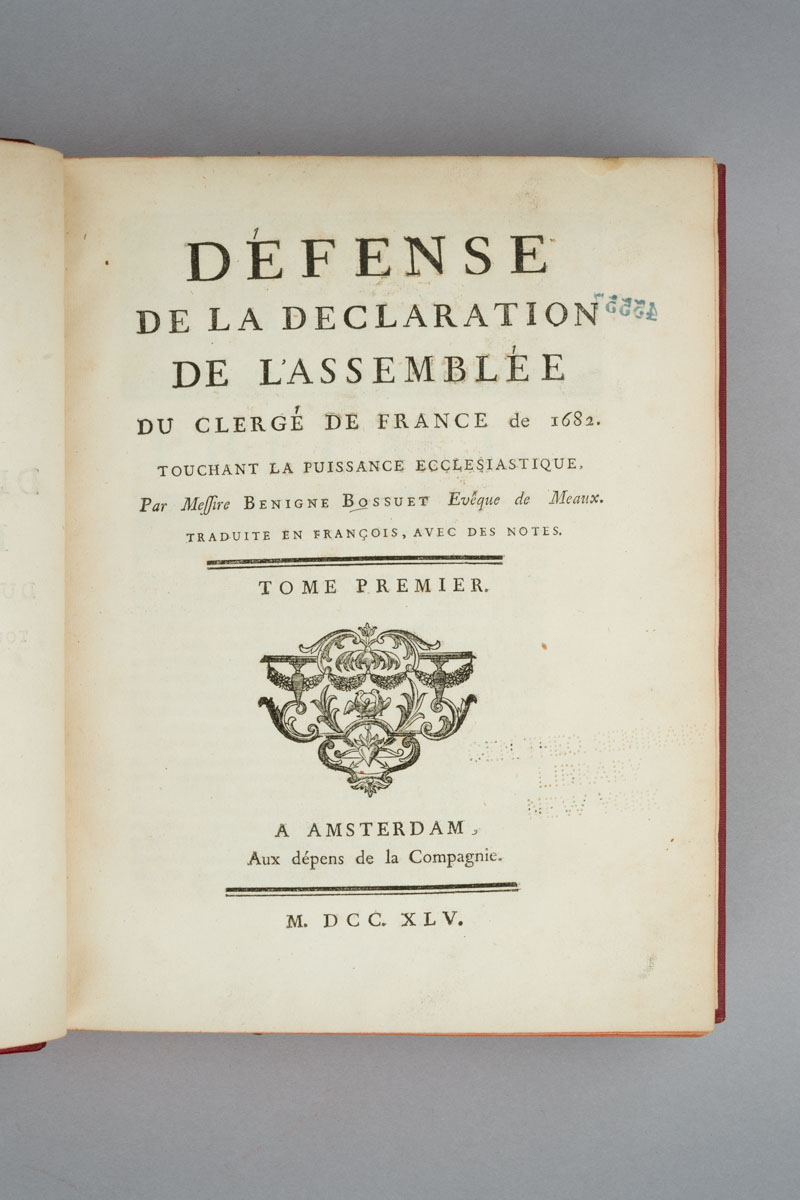
Bossuet subsequently produced an extensive defence of the Declaration. Although the work was not published during his lifetime, it became an important statement of Gallican ecclesiology.
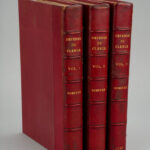
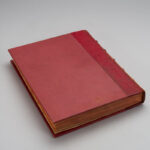
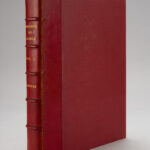
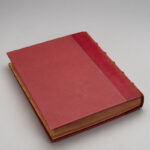
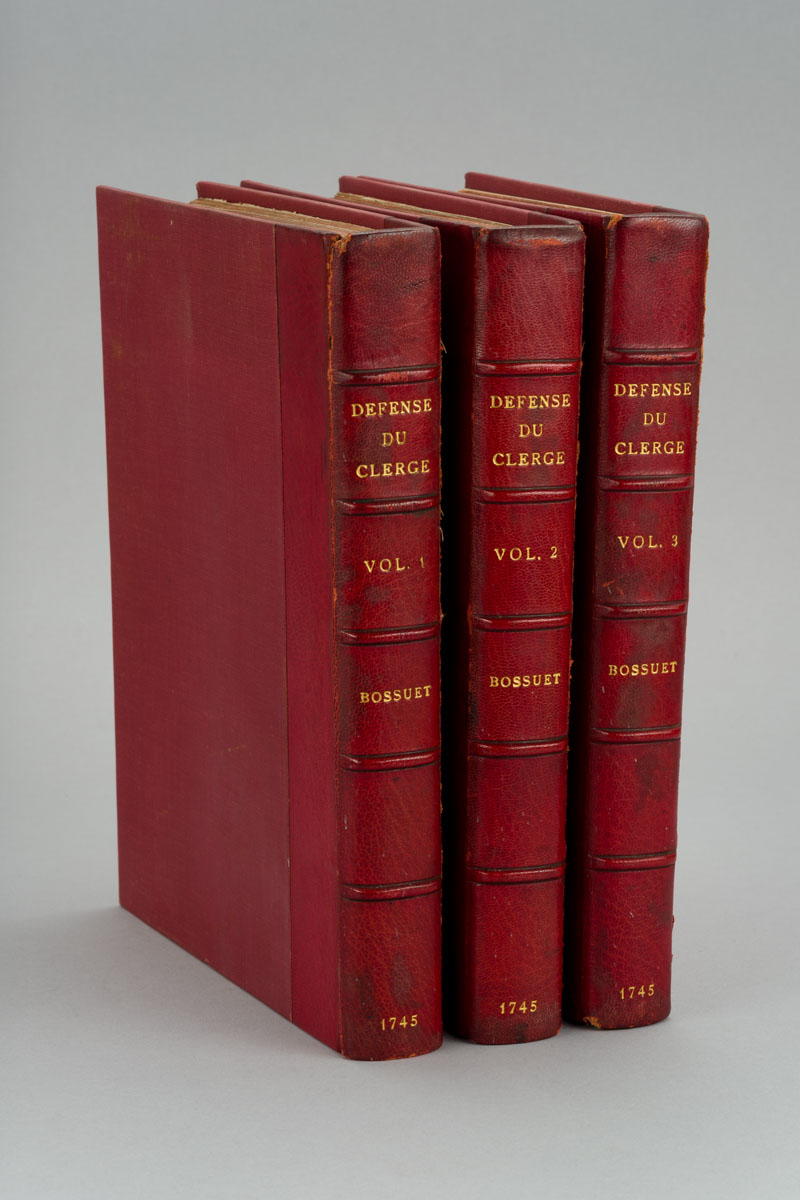
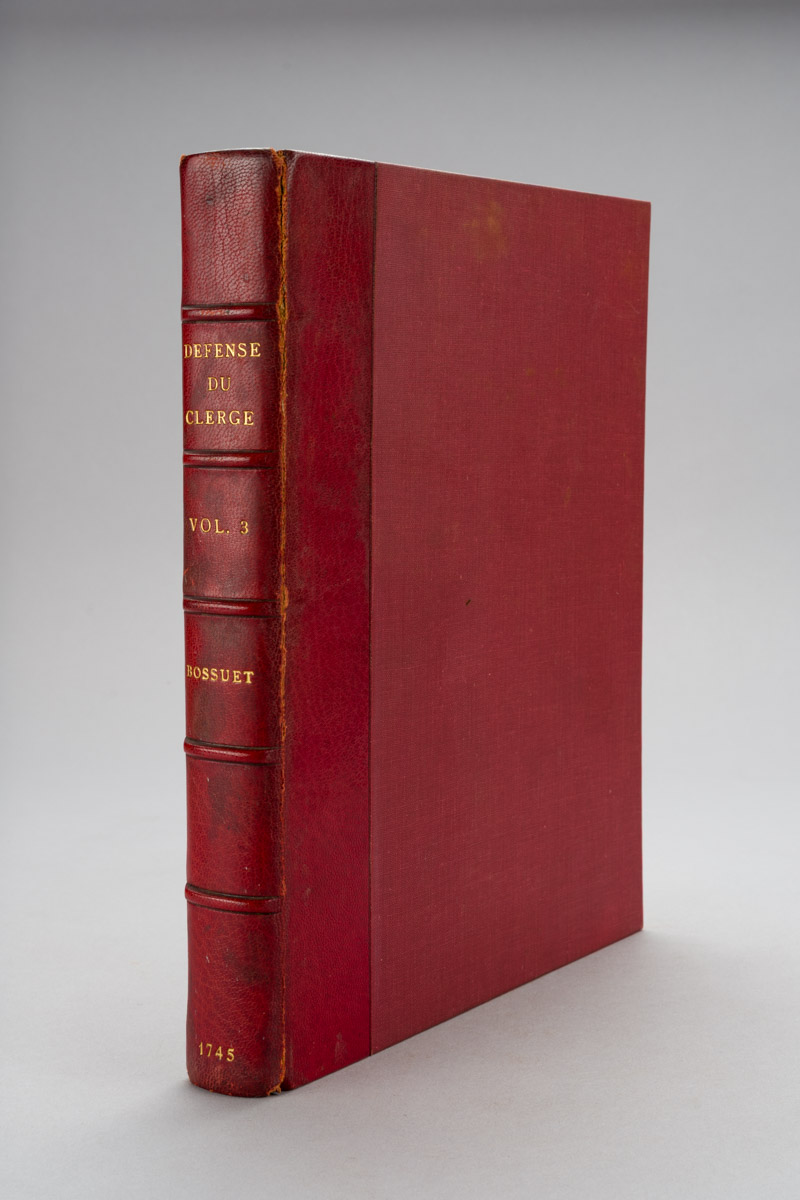
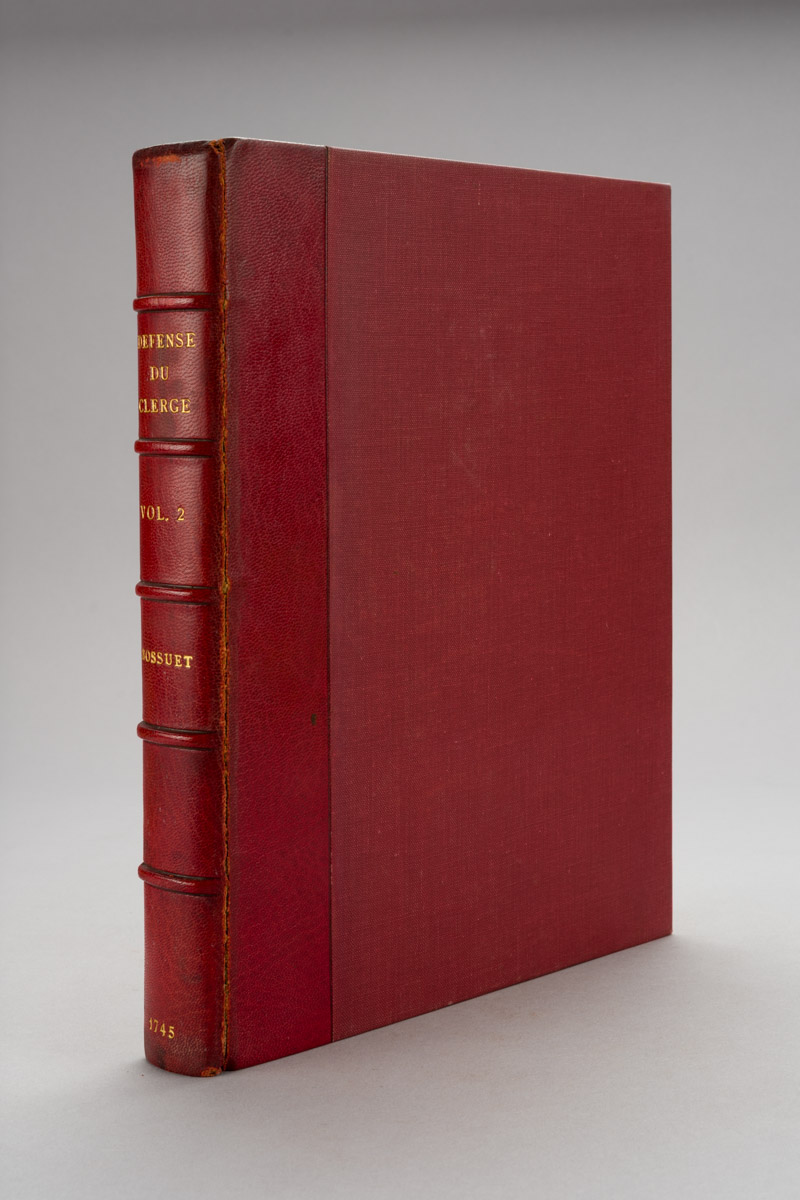
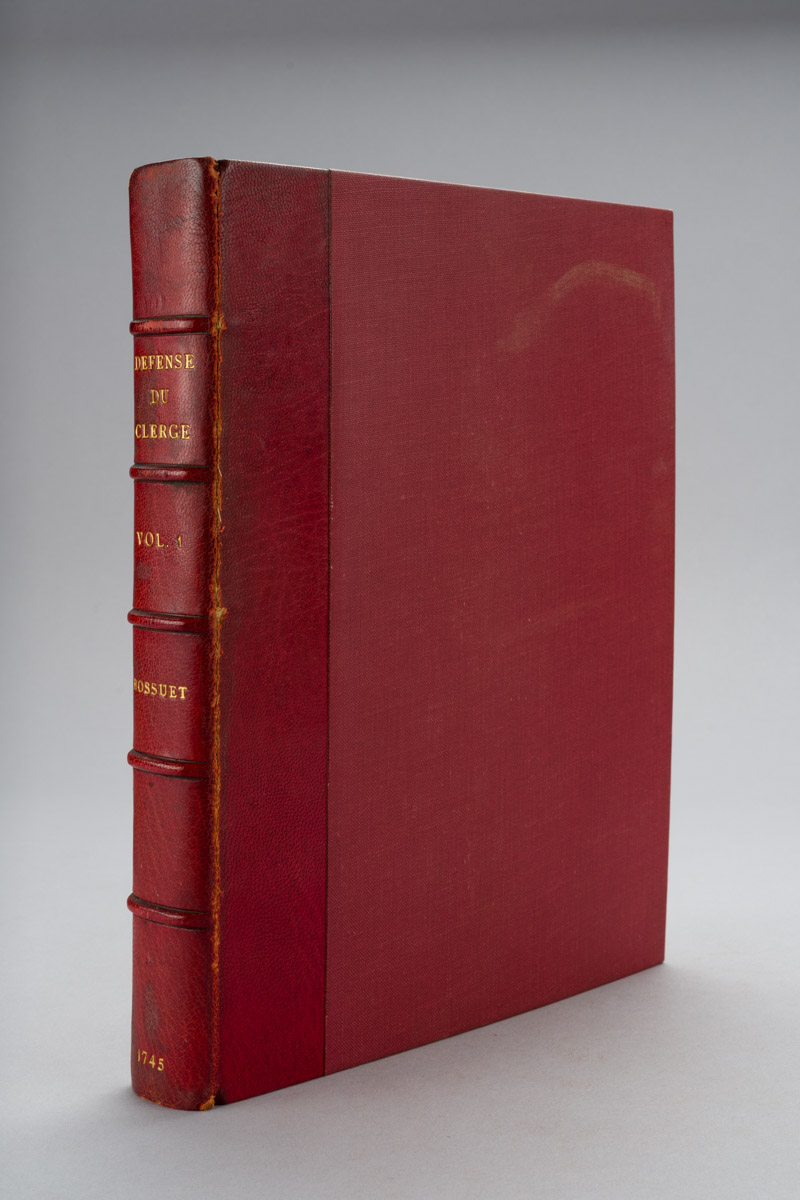
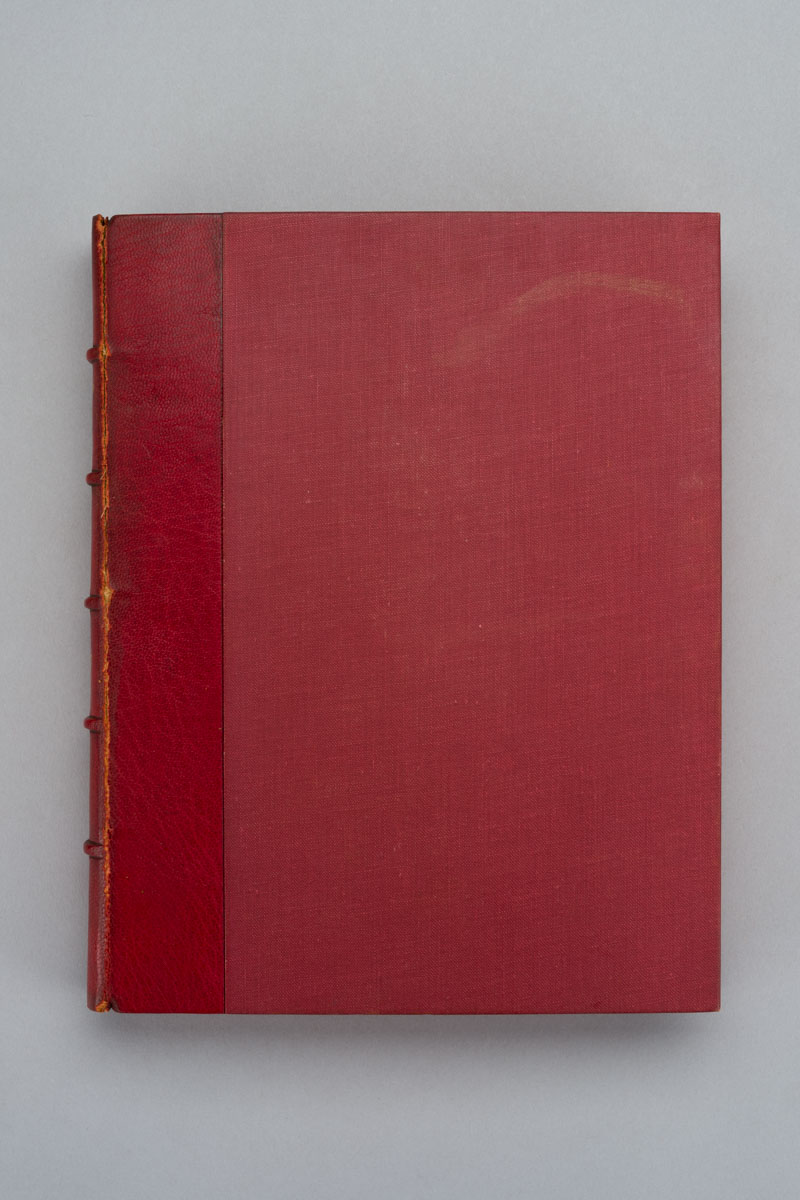
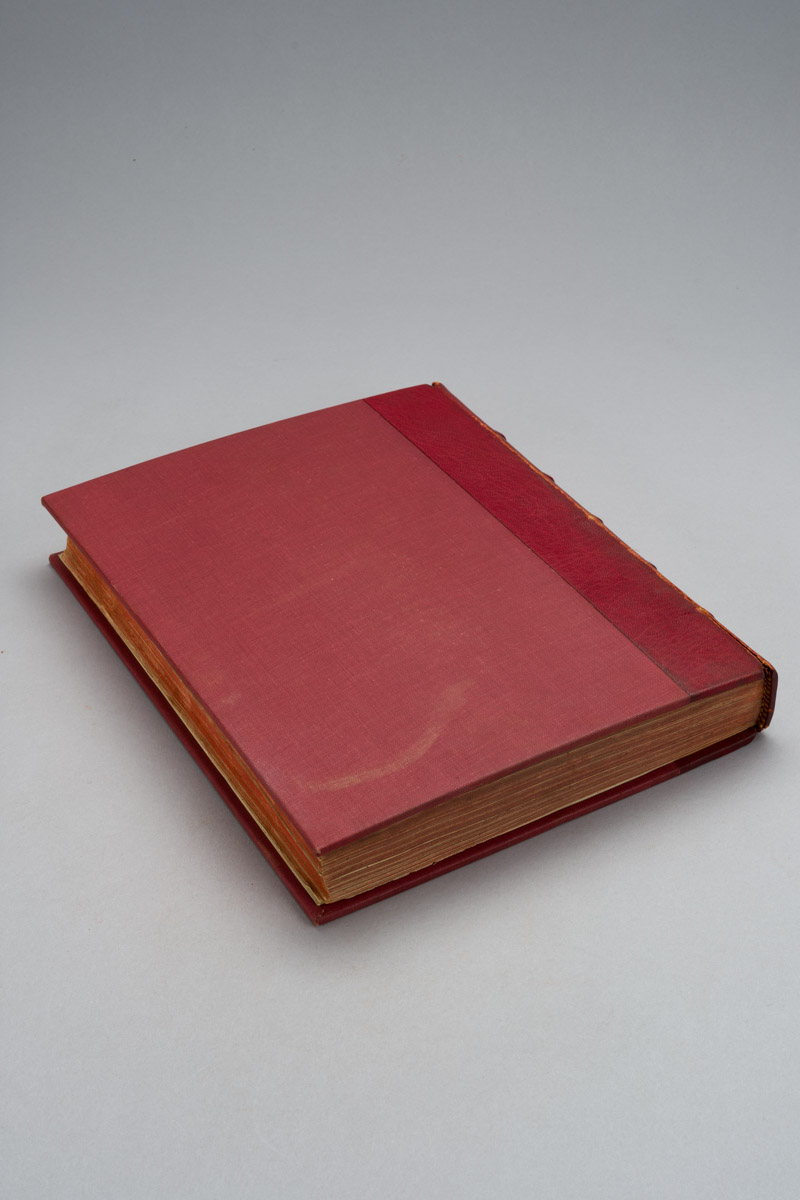
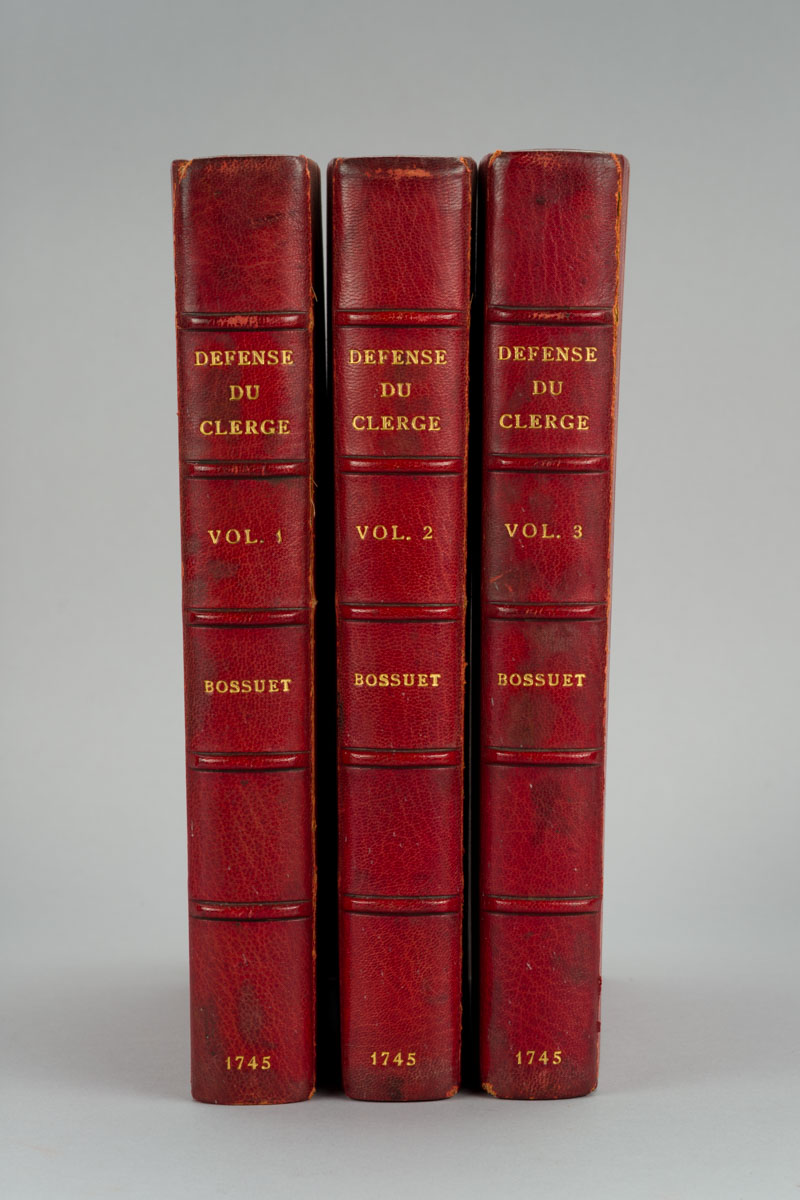
This handsome three-volume 1745 edition therefore preserves one of the defining intellectual arguments of the ancien régime: the attempt to reconcile Catholic faith with an independent French Church and a powerful sovereign monarchy.
Bossuet was one of the great prose writers, theologians and political thinkers of seventeenth-century France, and the Défense addresses a question lying at the heart of European history: the division of authority between Church and State.
The subject connects directly with Louis XIV, papal authority, Gallicanism and the political theology of absolute monarchy, giving the work significance well beyond specialist ecclesiastical history.
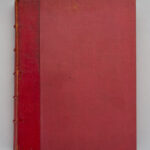
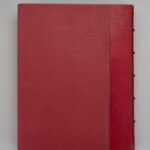
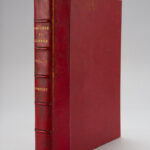
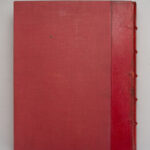
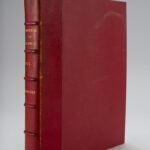
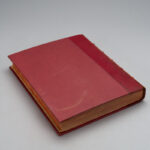
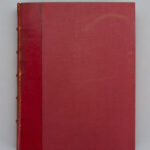
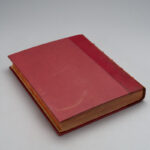
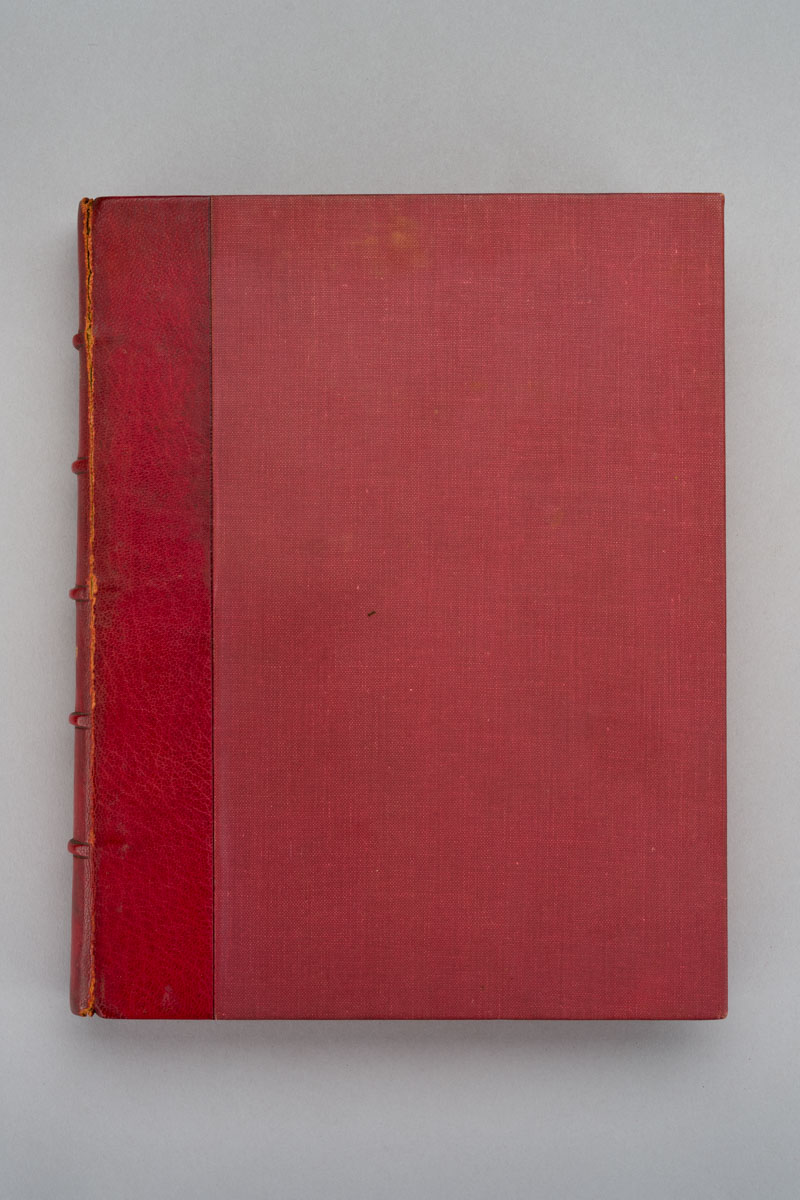
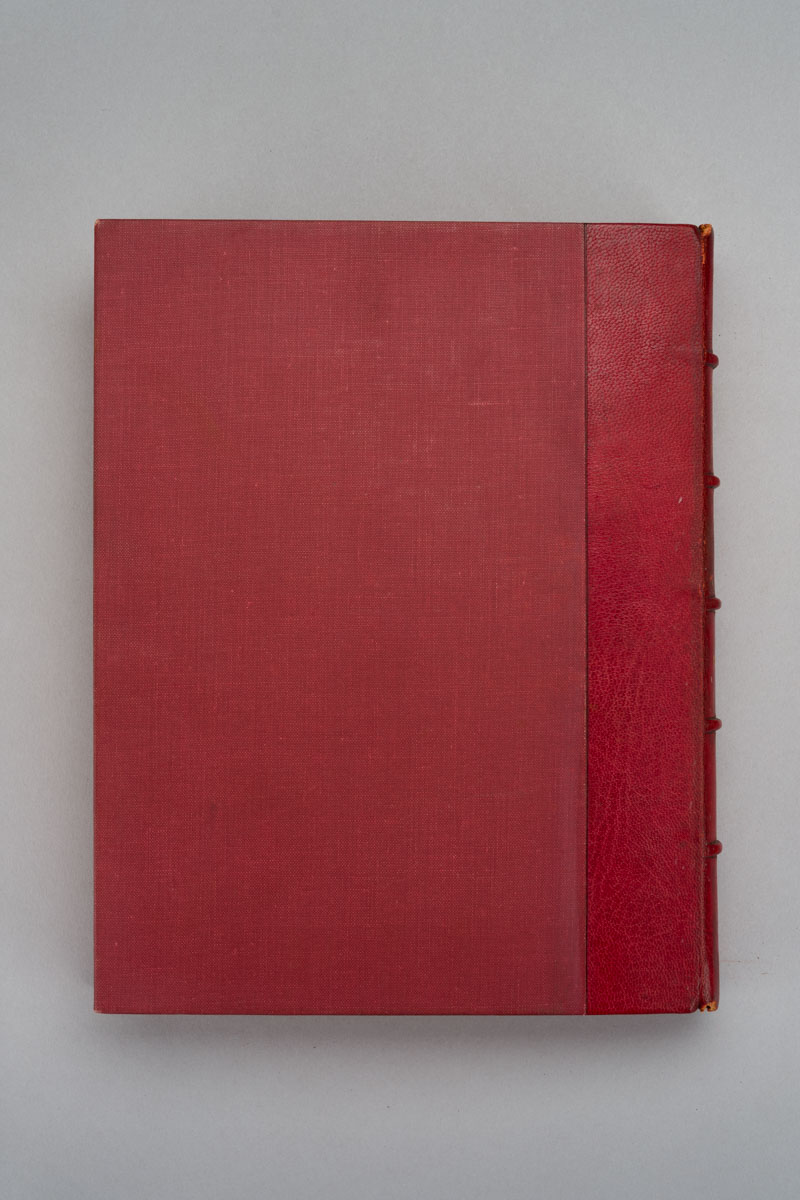
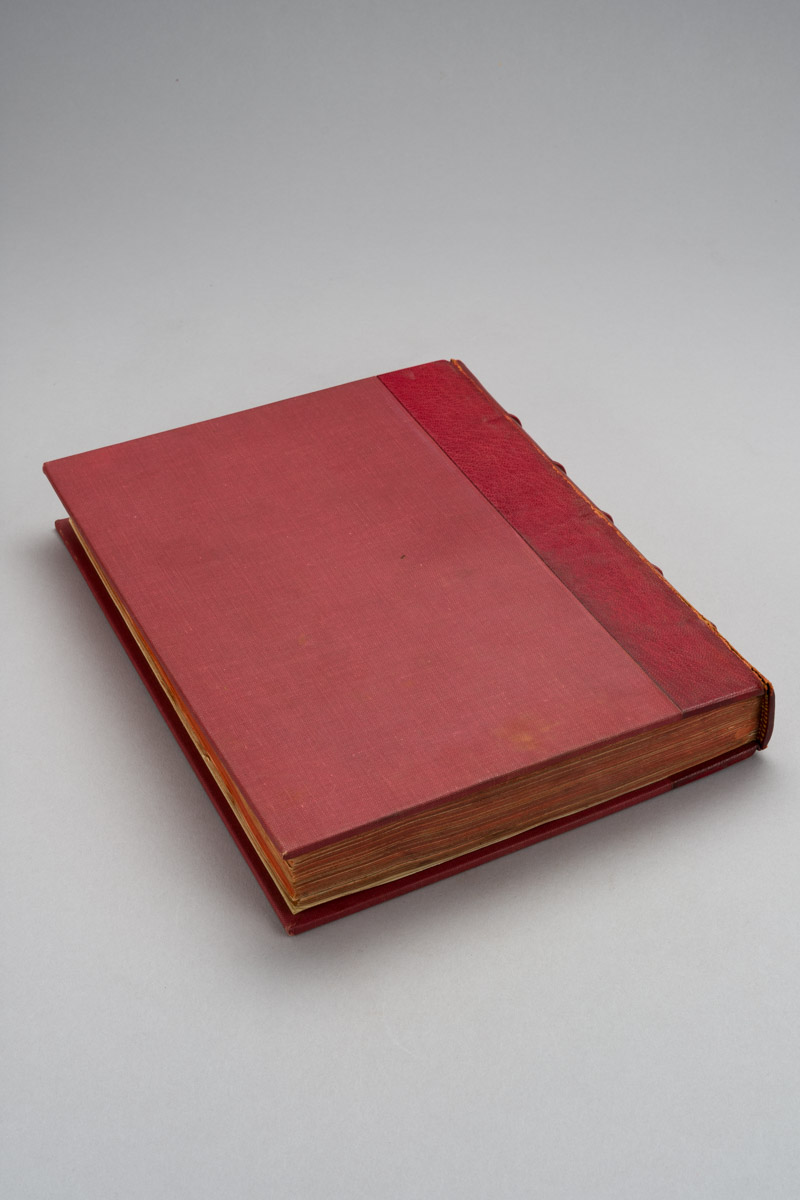
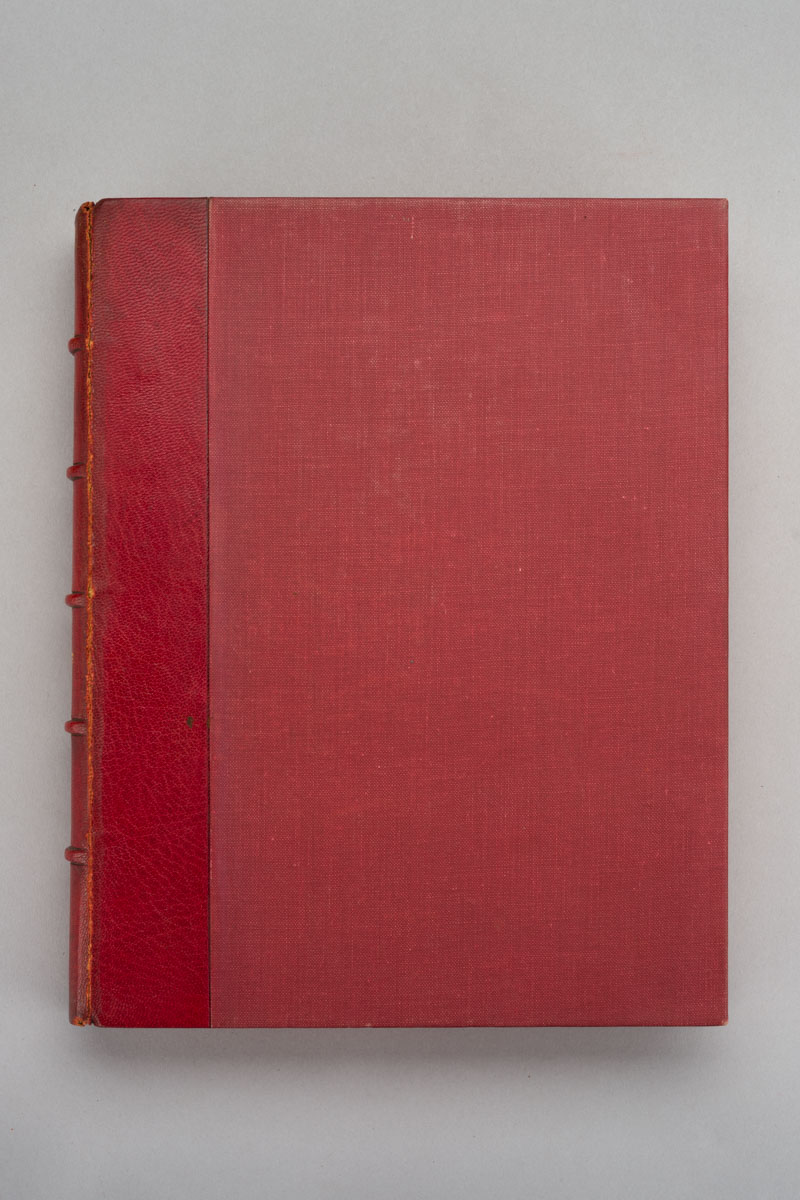
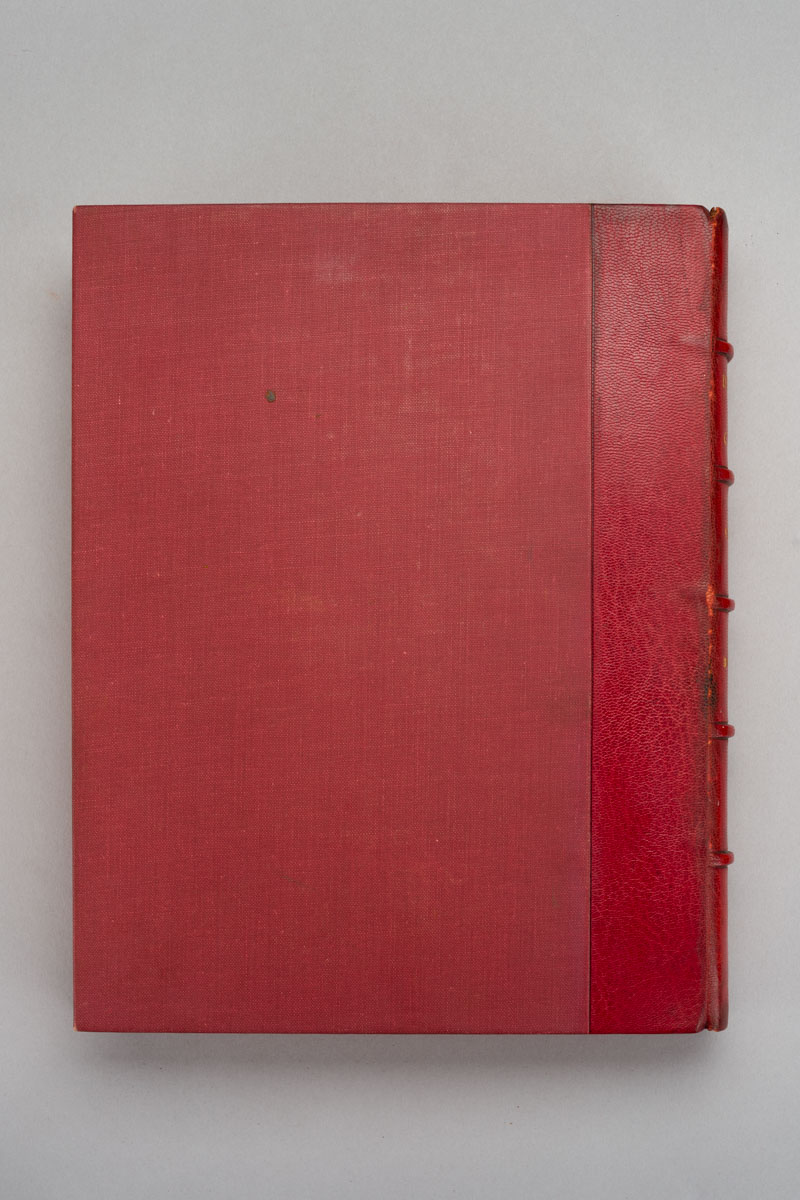
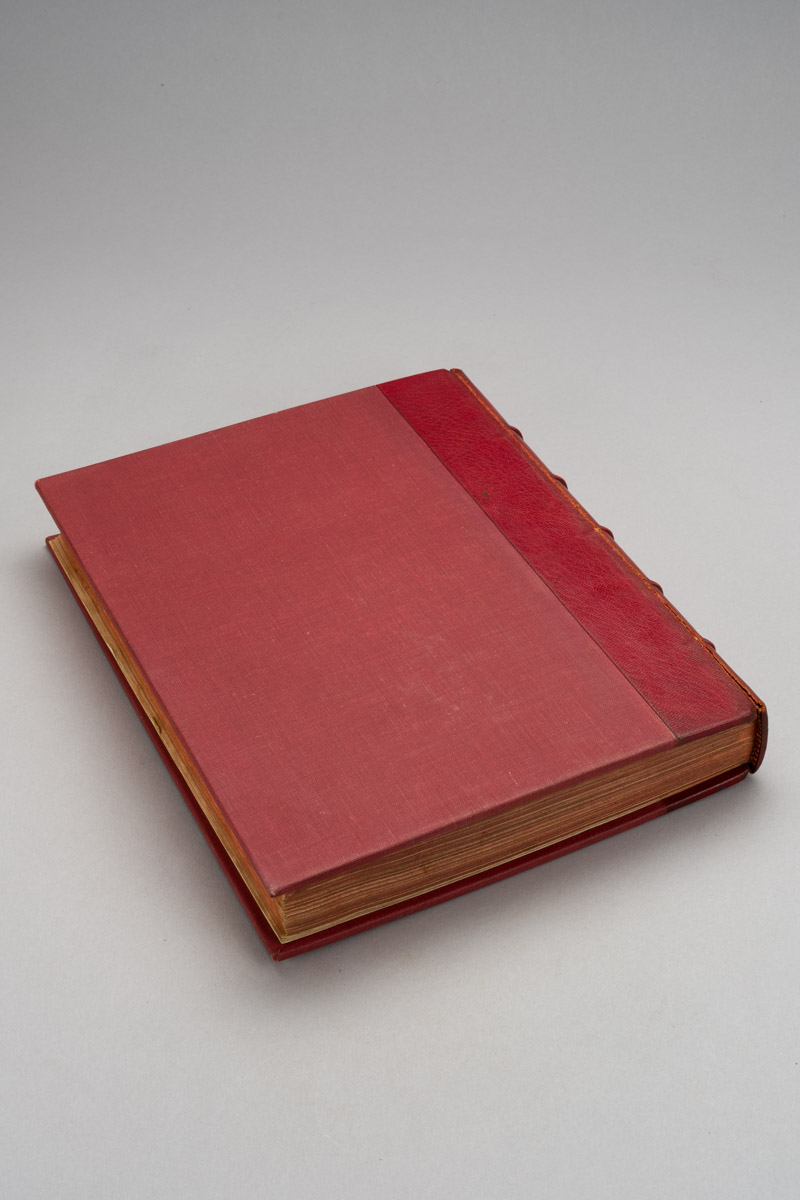
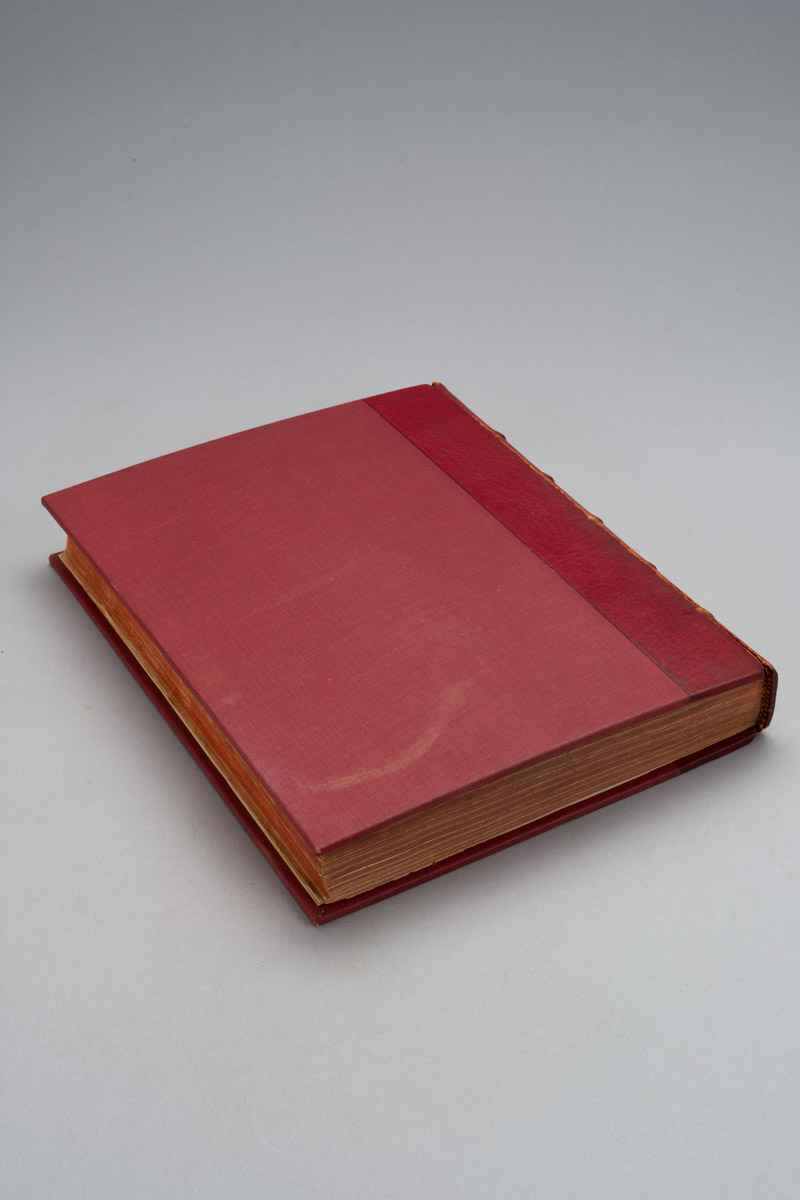
This example has the additional appeal of being a complete three-volume set, attractively and uniformly bound in red half morocco with gilt spines. The visual presentation is particularly strong: displayed together, the three volumes make a handsome eighteenth-century set.