£495.00
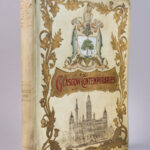
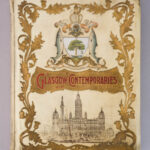
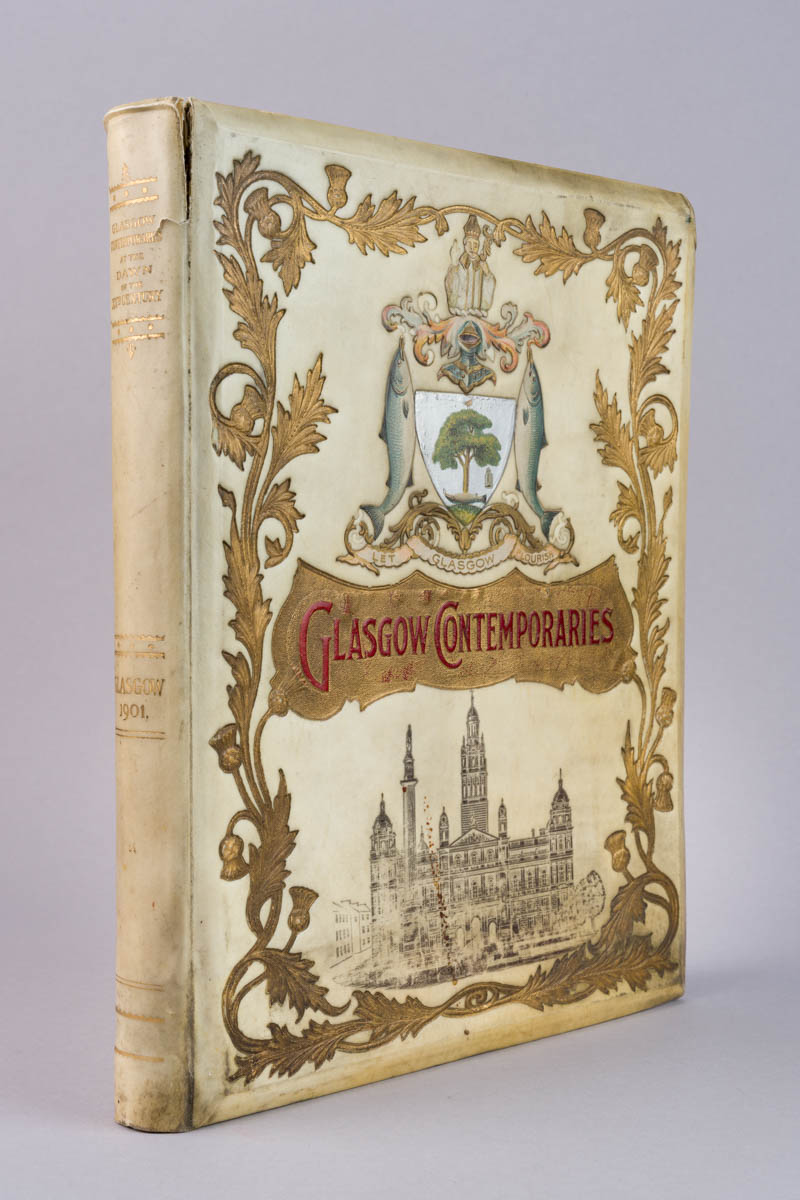
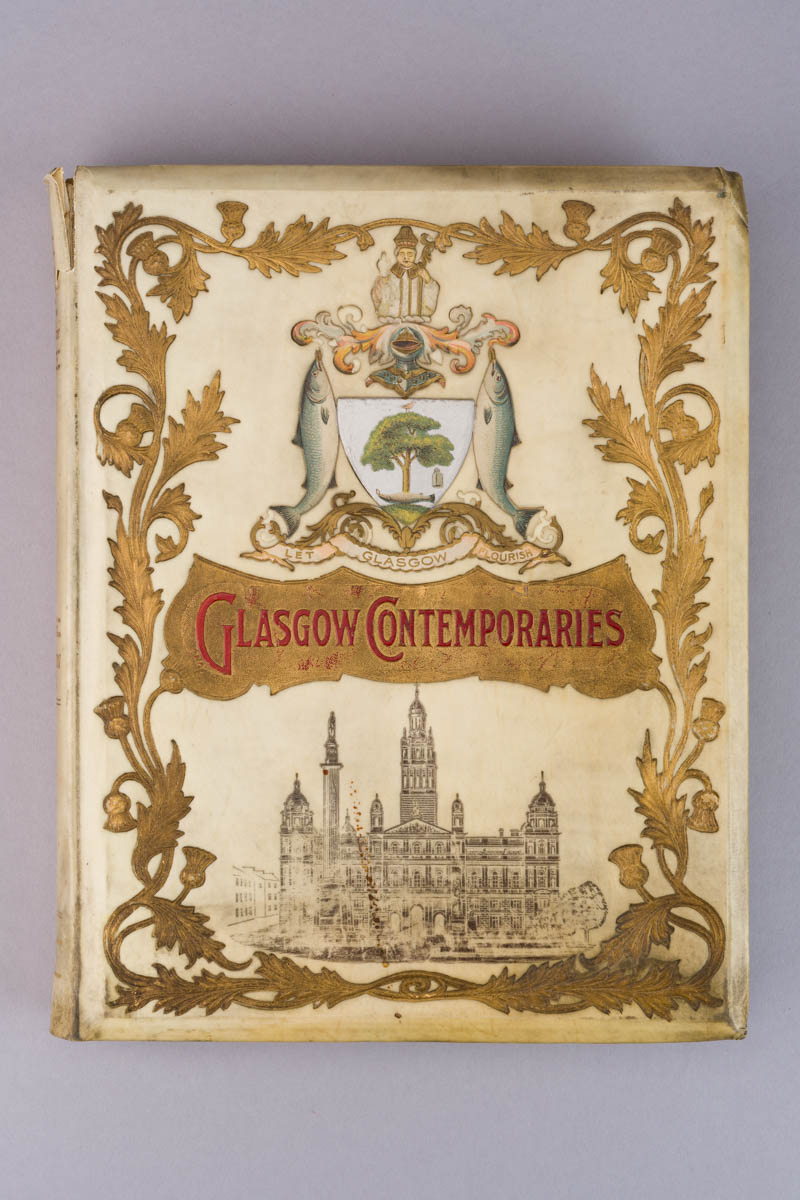
A magnificent turn-of-the-century photographic and biographical portrait of Glasgow and its leading citizens, extensively illustrated with contemporary portraits and architectural views. Published by the Photo-Biographical Publishing Co., Glasgow, and preserved in a striking pictorial binding featuring the city’s coat of arms, “Let Glasgow Flourish” motto, gilt decoration and Scottish thistles.
A substantial and visually impressive photographic record of Glasgow at the opening of the twentieth century, documenting the city, its institutions and many of the individuals who shaped its civic, commercial, academic and professional life.
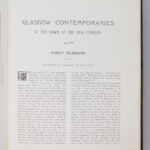
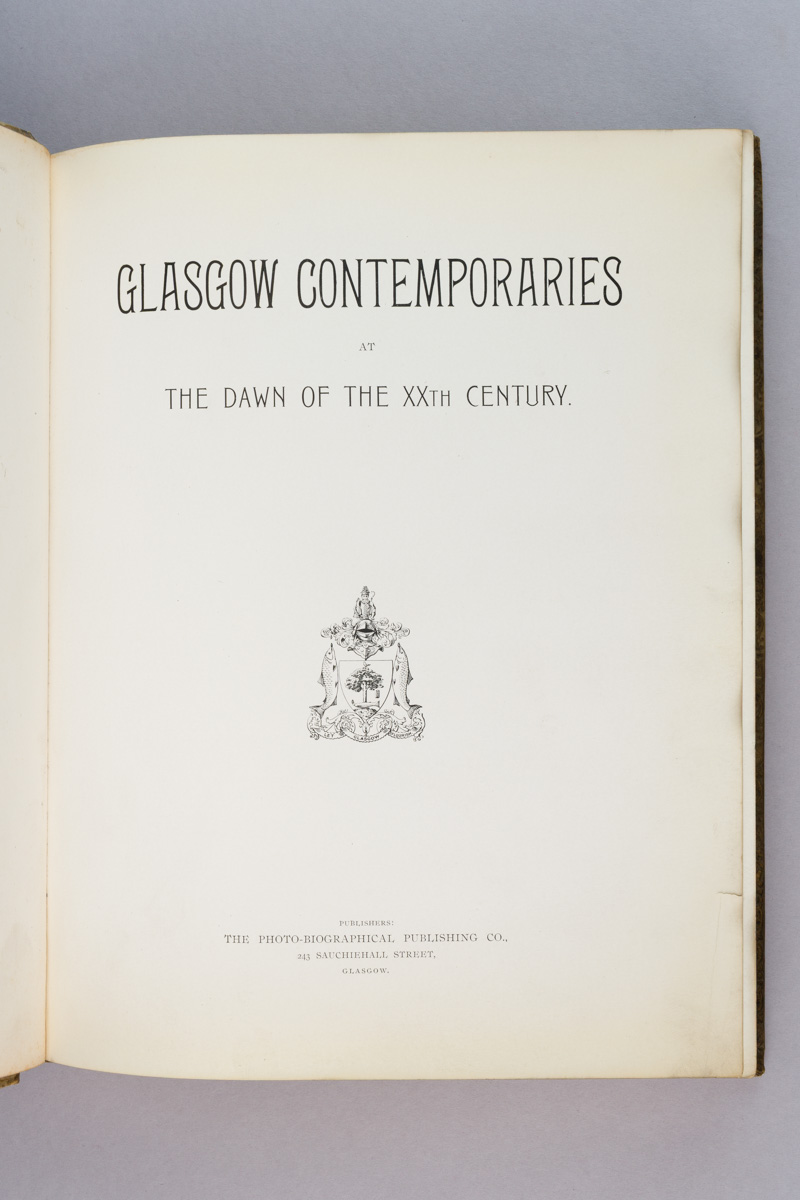
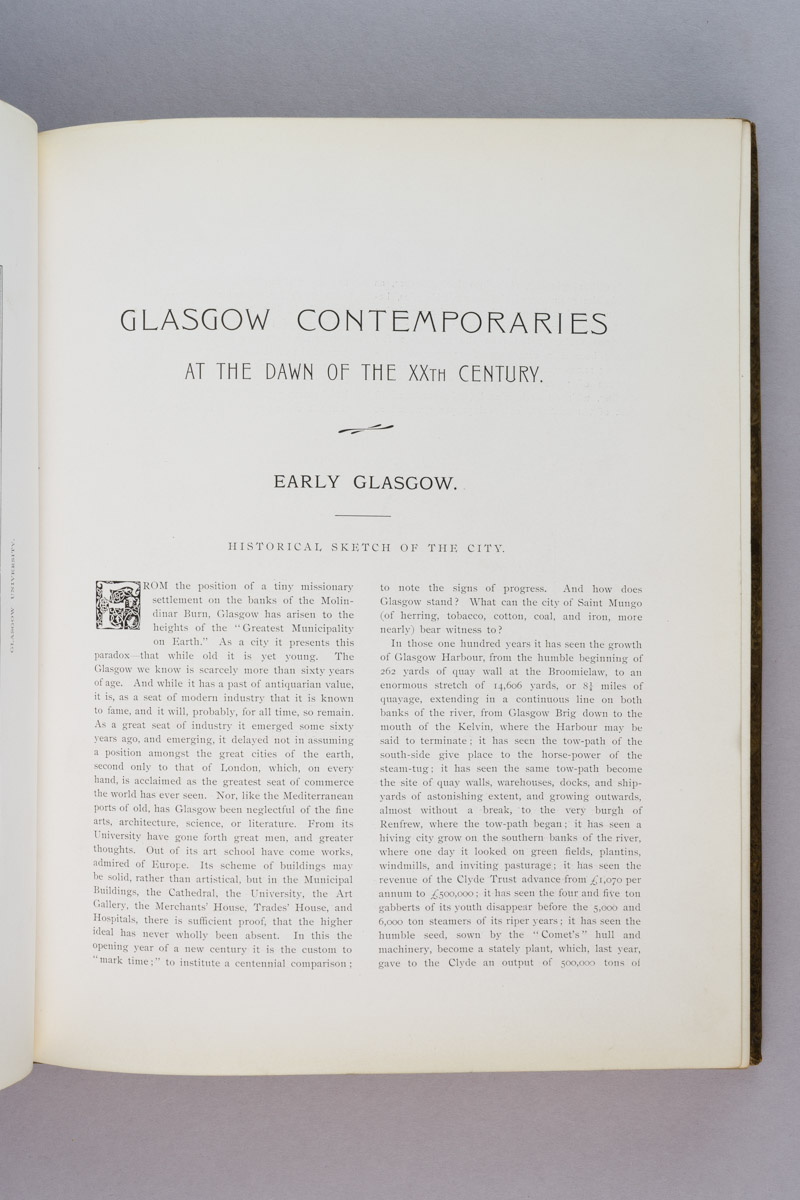
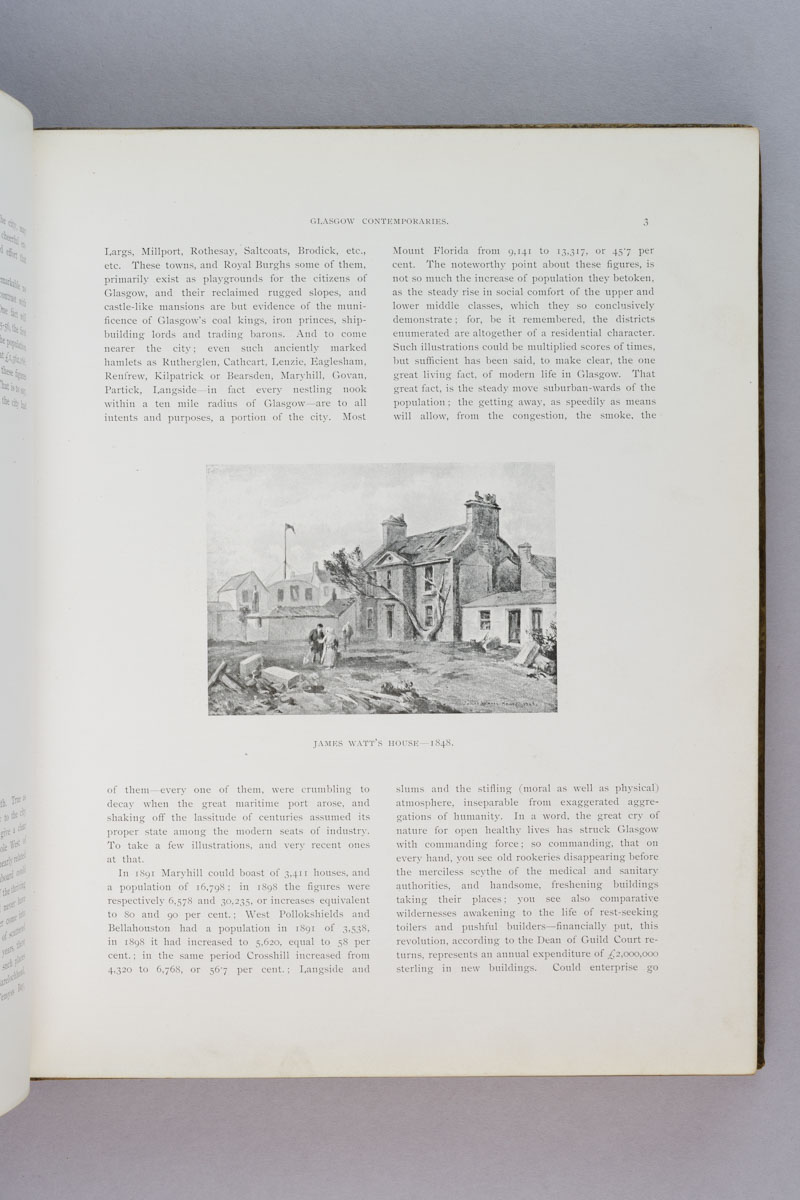
Published in Glasgow by The Photo-Biographical Publishing Co. of 243 Sauchiehall Street, the volume opens with Early Glasgow: Historical Sketch of the City, placing contemporary Glasgow within the extraordinary transformation that had taken it from a comparatively modest settlement to one of the great industrial and commercial cities of the Victorian world.
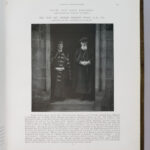
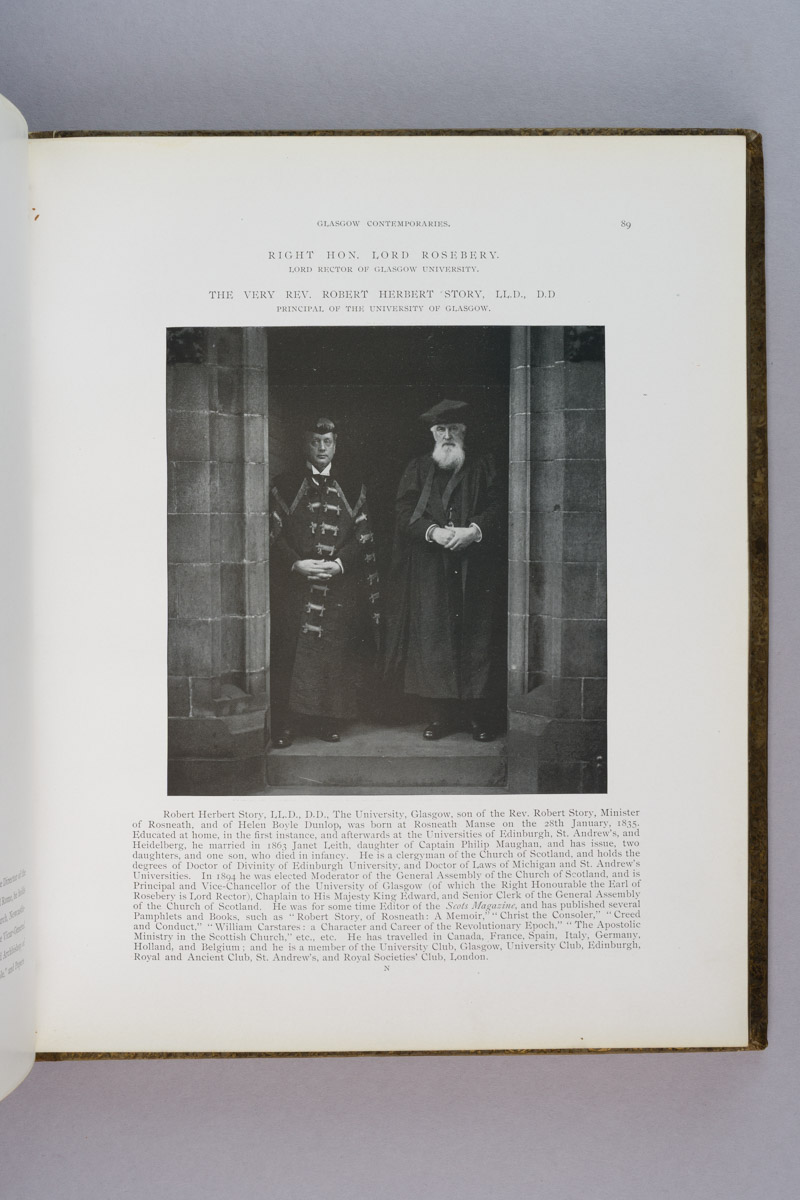
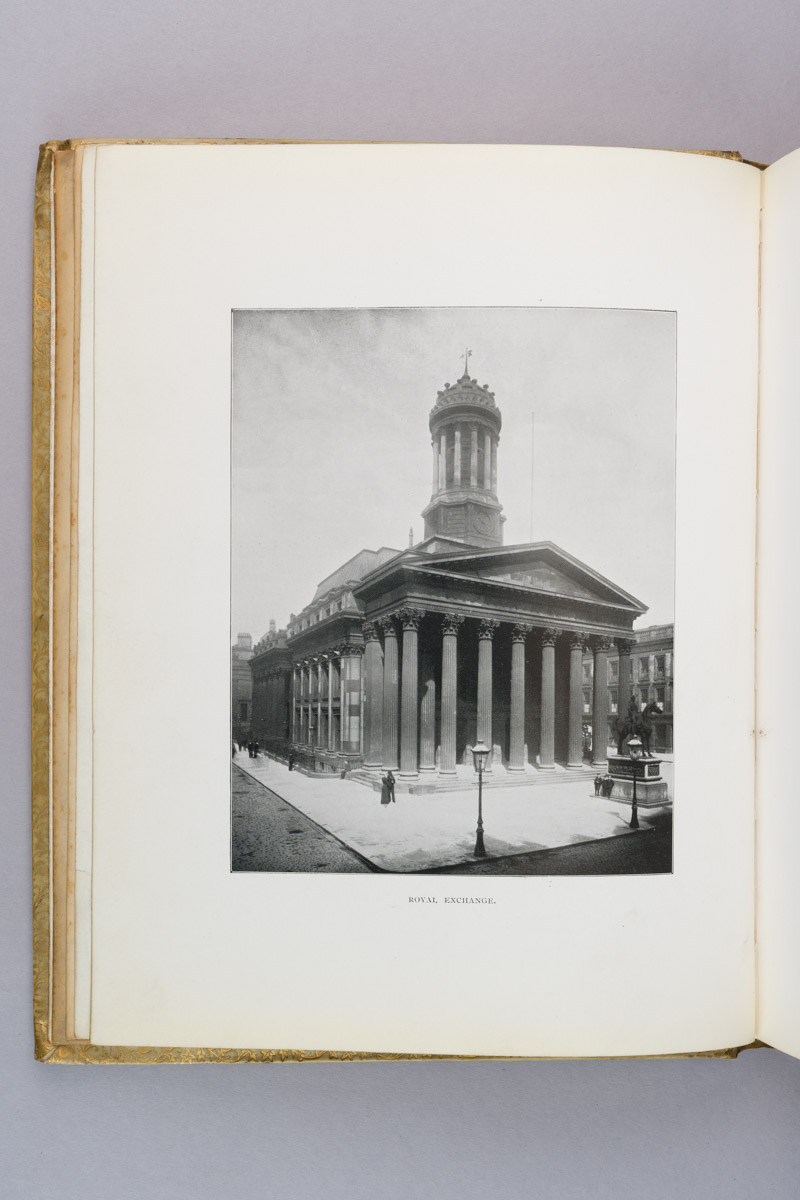
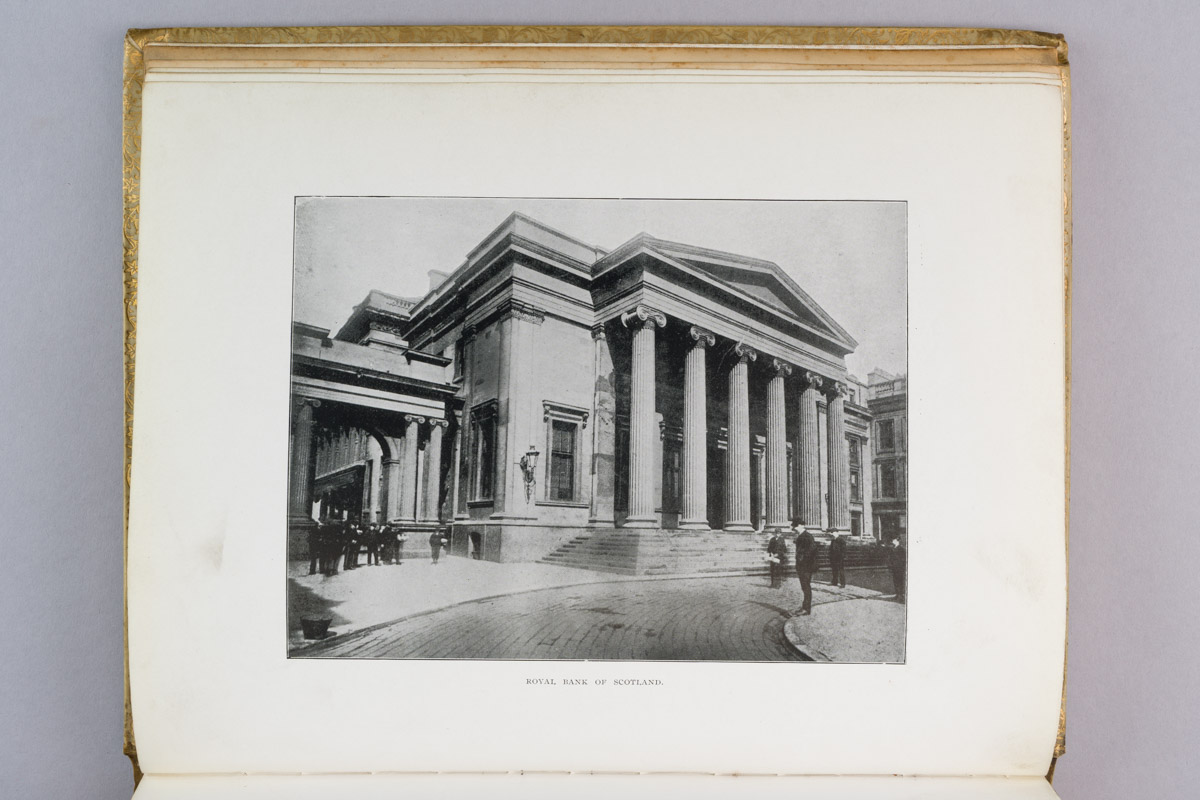
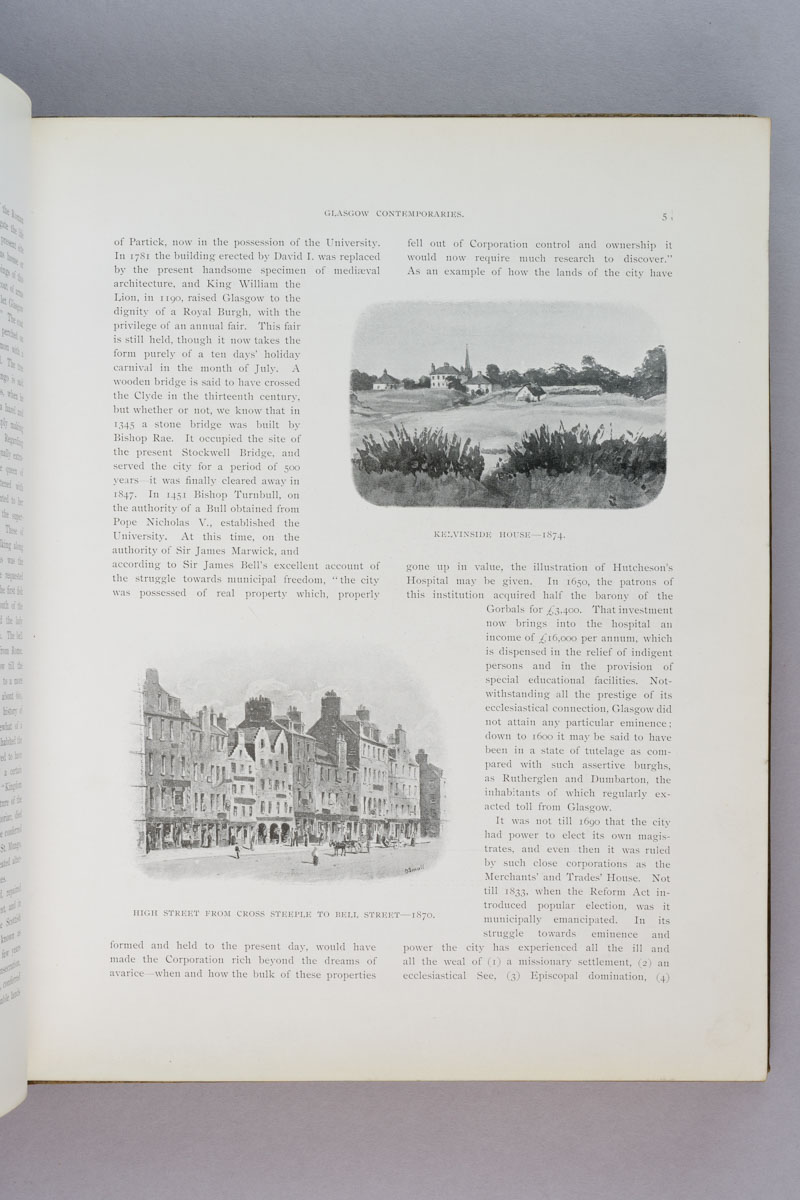
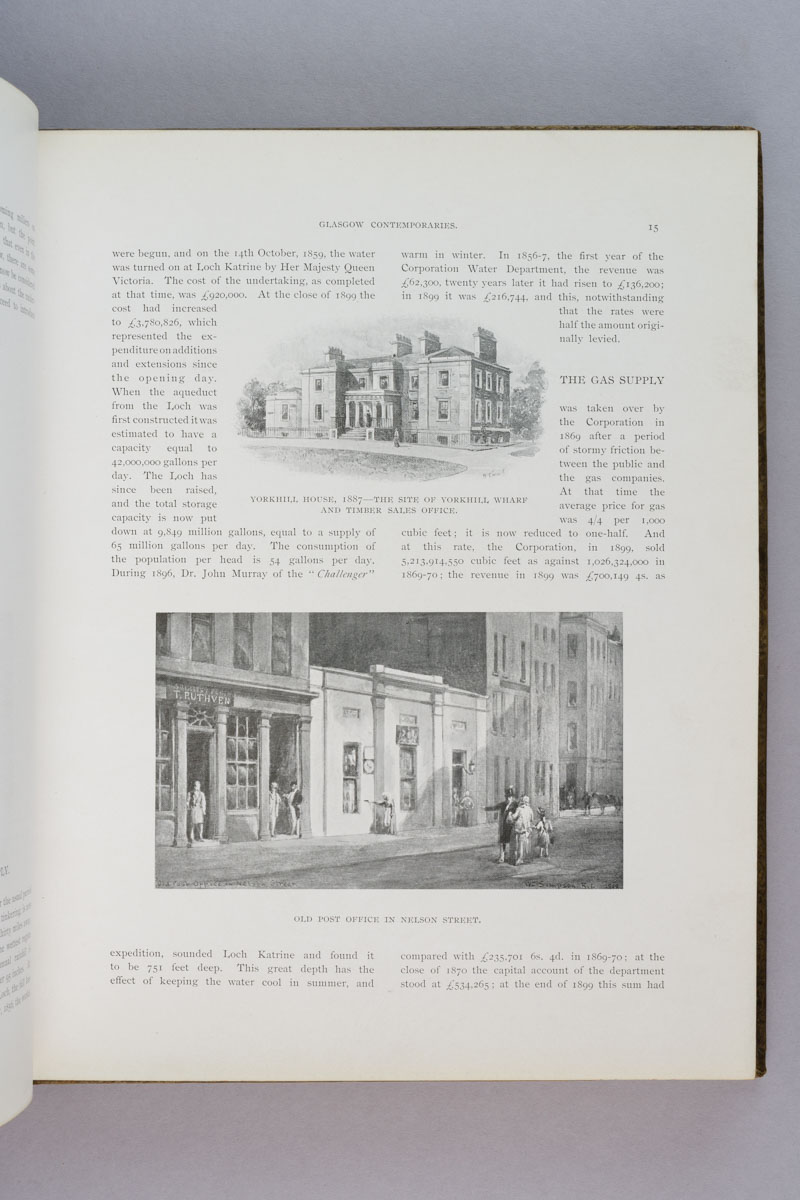
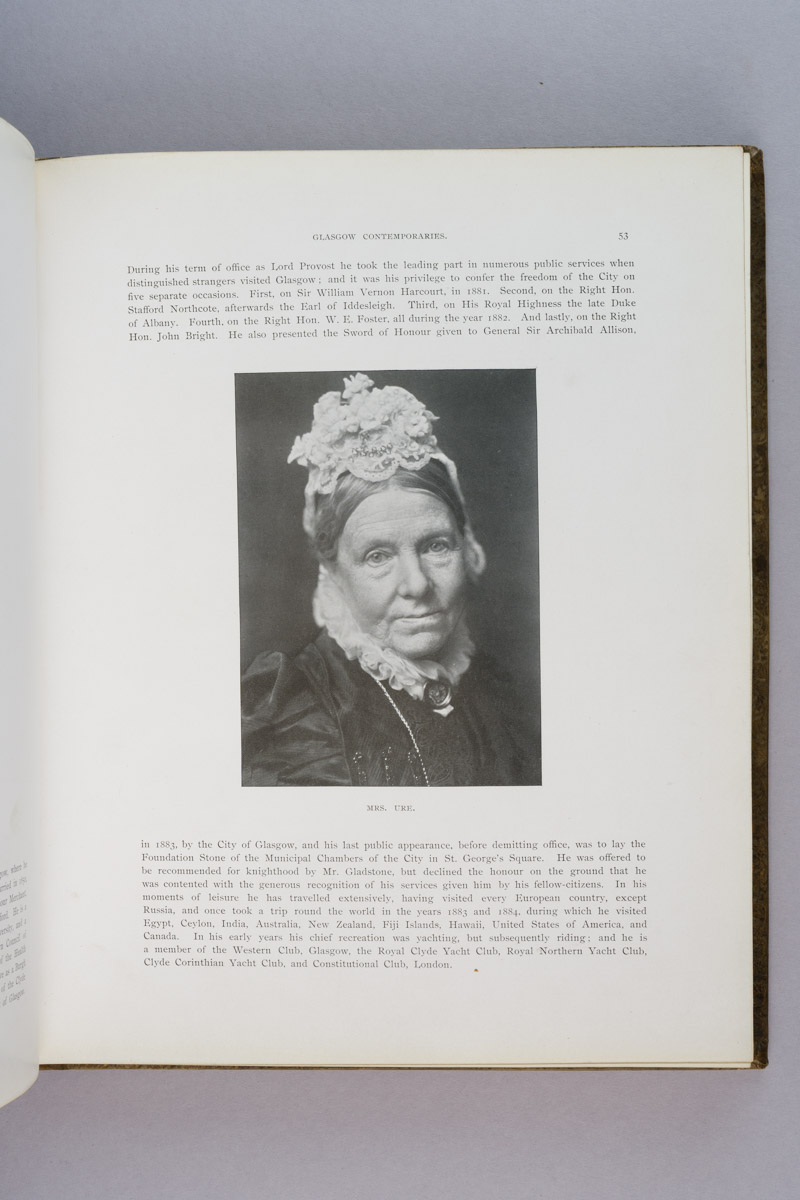
The work is extensively illustrated with photographic portraits of prominent Glaswegians accompanied by biographical notices, together with architectural and civic views. Among those represented is Robert Herbert Story (1835–1907), Principal of the University of Glasgow, photographed alongside Lord Rosebery in his capacity as Lord Rector. Views include important Glasgow buildings and institutions, providing an unusually rich visual record of the city around 1900.
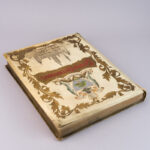
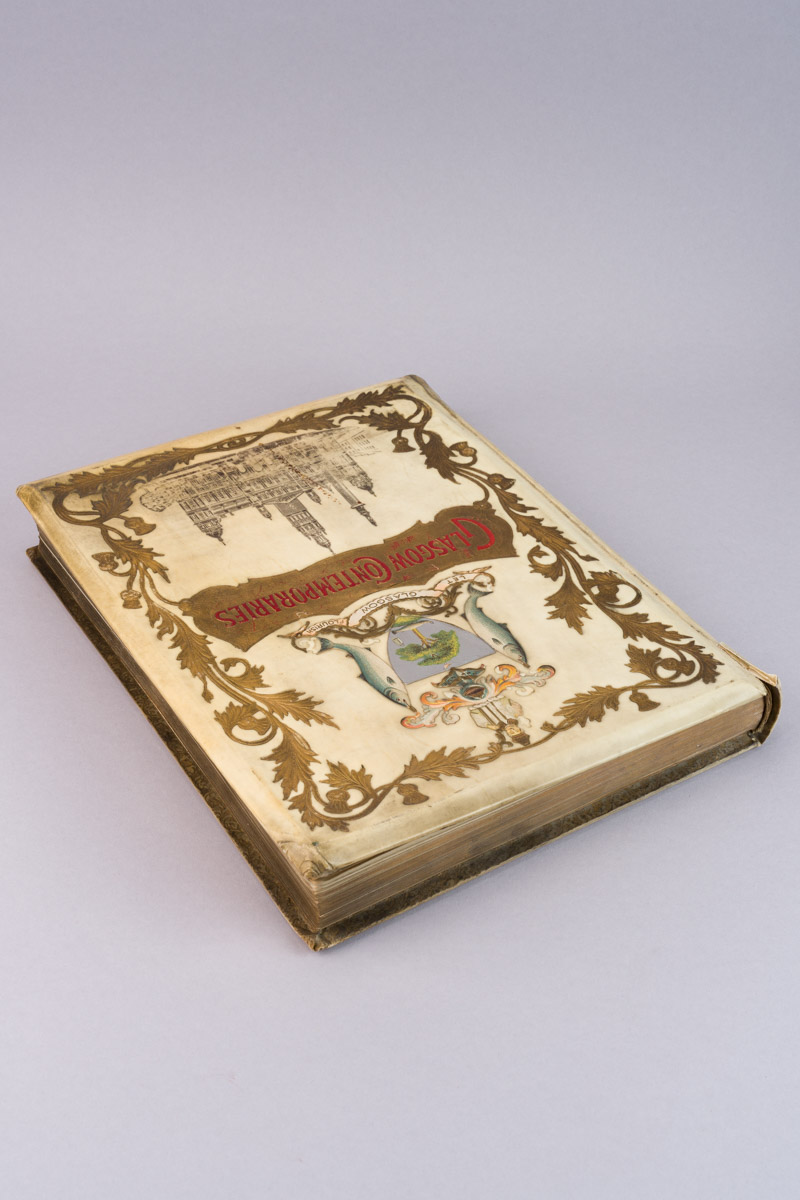
Of particular distinction is the binding. The volume is preserved in an elaborate pictorial and gilt-decorated binding, centred with the arms of Glasgow and the city’s celebrated motto “Let Glasgow Flourish.” Below, Glasgow Contemporaries appears prominently in red upon a gilt panel, with an architectural view of Glasgow beneath, the entire composition enclosed within an ornate gilt foliate border incorporating Scottish thistles.
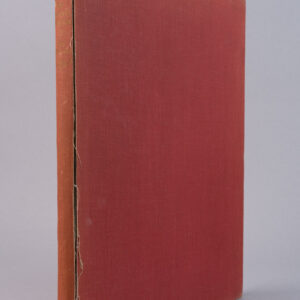
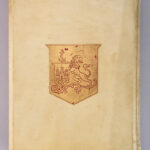
Some rubbing, marking and age-related wear to the binding, with wear particularly evident at the spine and extremities; internally generally clean and well preserved, with occasional light toning and spotting commensurate with age. A handsome surviving example of a publication whose binding was clearly intended to reflect the civic confidence of Glasgow at the beginning of a new century.
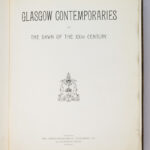
Title: Glasgow Contemporaries at the Dawn of the XXth Century
Author/Editor: Anonymous / Various contributors
Year: c. 1901
Edition: First Edition
Publisher: The Photo-Biographical Publishing Co., 243 Sauchiehall Street, Glasgow
Place: Glasgow
Format: Large folio, extensively illustrated with photographic portraits and views; elaborate pictorial binding
1 in stock
At the dawn of the twentieth century, Glasgow stood near the height of its international importance.
During the nineteenth century the city had undergone one of the most dramatic urban transformations in Britain. The River Clyde became synonymous with shipbuilding and heavy engineering; Glasgow’s manufacturers traded throughout the British Empire and beyond; and the city’s wealth funded ambitious architecture, universities, museums, galleries and civic institutions.
The phrase “Second City of the Empire” became closely associated with Glasgow during this period.
Glasgow Contemporaries captures that city at a fascinating moment — looking simultaneously backwards at its extraordinary Victorian expansion and forwards into the new twentieth century.
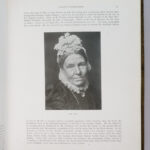
Rather than being simply a history of Glasgow, the book records the people who inhabited its upper professional, academic, civic and commercial worlds. Portraits are accompanied by biographical accounts, transforming the volume into a remarkable collective portrait of the city’s establishment.
There is something particularly compelling about such books more than a century later. Many of the individuals pictured were prominent enough in their own generation to warrant inclusion in this monumental record, yet are now largely forgotten. Together, however, they reveal the network of academics, businessmen, clergy, public servants and civic leaders through whom Edwardian Glasgow functioned.
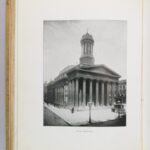
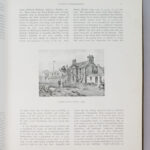
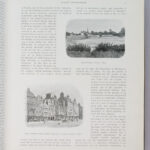
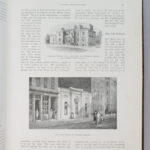
The photographs of buildings provide another layer of historical evidence, preserving the appearance of Glasgow’s streets and institutions at precisely the period when photography was becoming an essential means of documenting the modern city.
Even the binding makes a statement. Glasgow’s coat of arms, its motto “Let Glasgow Flourish,” Scottish thistles, gilding and civic architecture combine to present the city with considerable pride and confidence.
This is, quite literally, Glasgow introducing itself to the twentieth century.
A particularly attractive book for anyone interested in Glasgow, Scotland, social history, genealogy or early photographic documentation.
Its importance lies in the combination of three elements: extensive contemporary photography, substantial biographical information and a striking original decorative binding.
For genealogical and local-history research, the biographical portraits provide contemporary records of individuals active in Glasgow’s professional and civic life. For the photographic collector, the volume offers a substantial visual archive of people and places from the turn of the century.
It is also simply a beautiful object. The elaborate pictorial binding — with Glasgow’s arms, the “Let Glasgow Flourish” motto, Scottish thistles and architectural imagery — gives the book considerably greater display appeal than the typical municipal or biographical reference work of the period.
A substantial visual and biographical portrait of one of Britain’s greatest Victorian cities at the precise moment it entered the twentieth century.