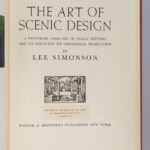
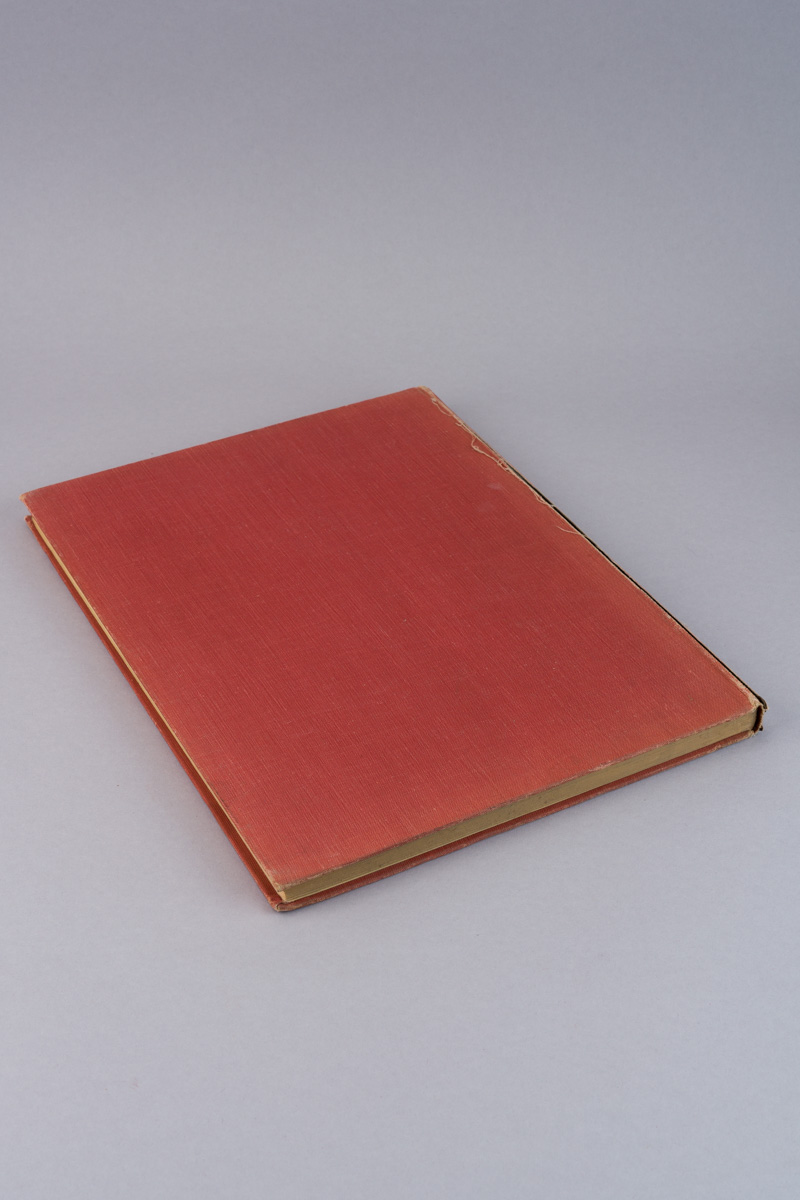
Lee Simonson was one of the most influential figures in twentieth-century American theatre design and a founding member of the Theatre Guild. He argued that scenery should not simply decorate a stage but should form an integral part of the dramatic production—shaping space, atmosphere and the audience’s perception of the performance.
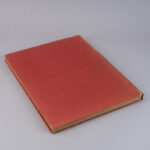
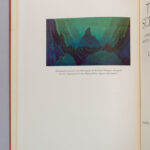
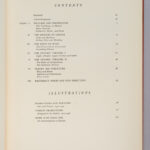
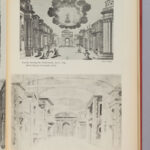
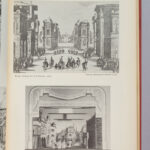
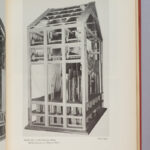
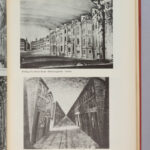
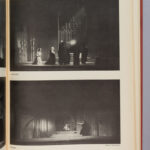
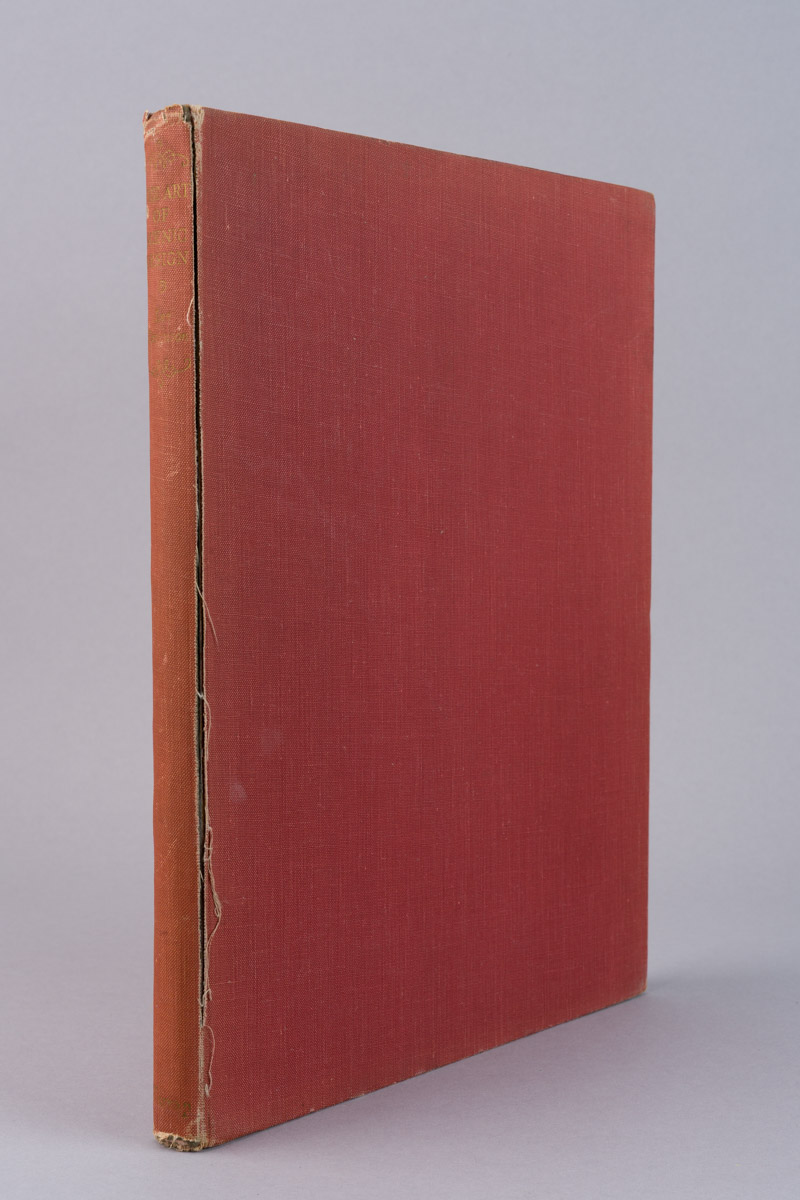
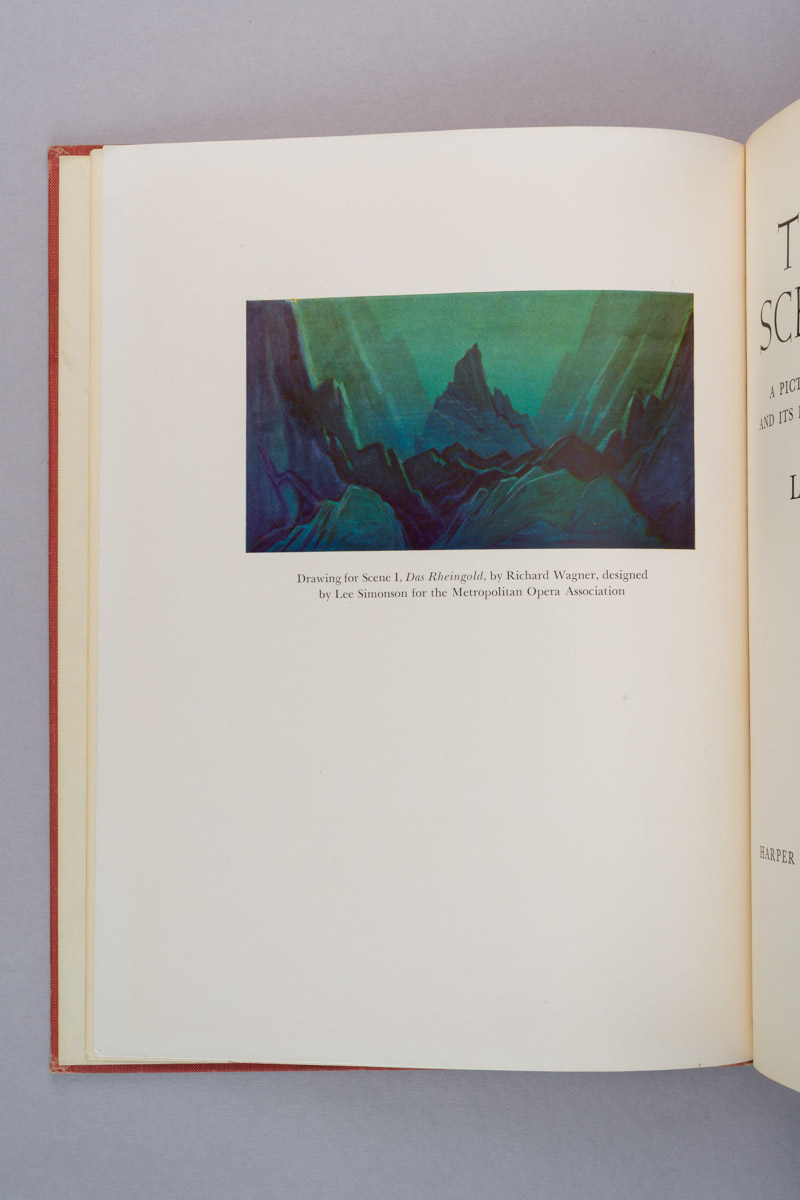
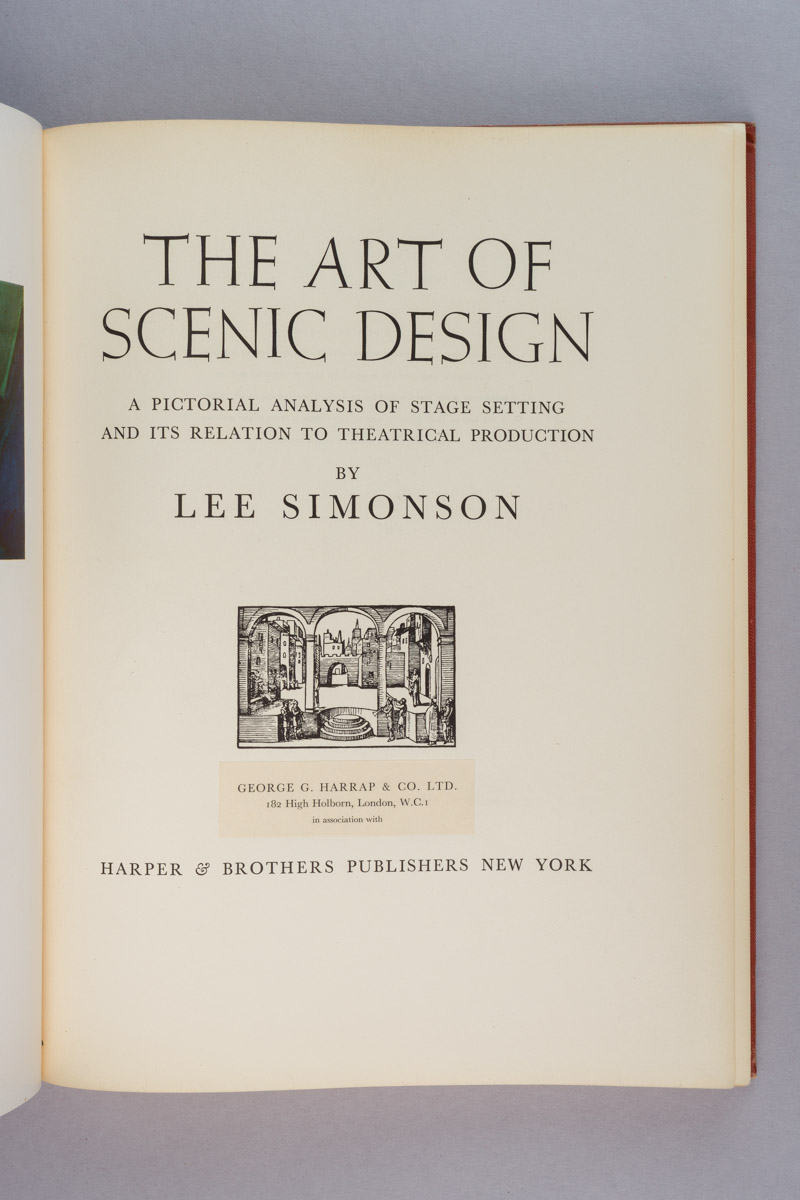
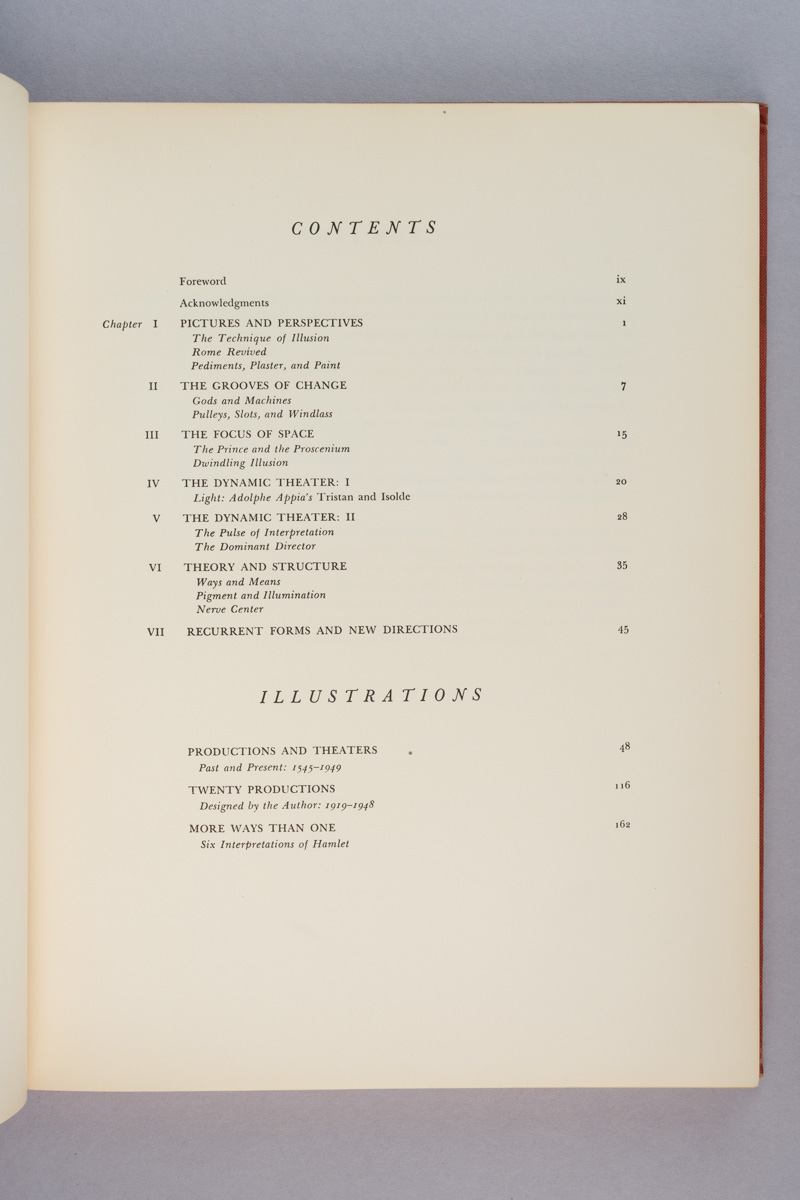
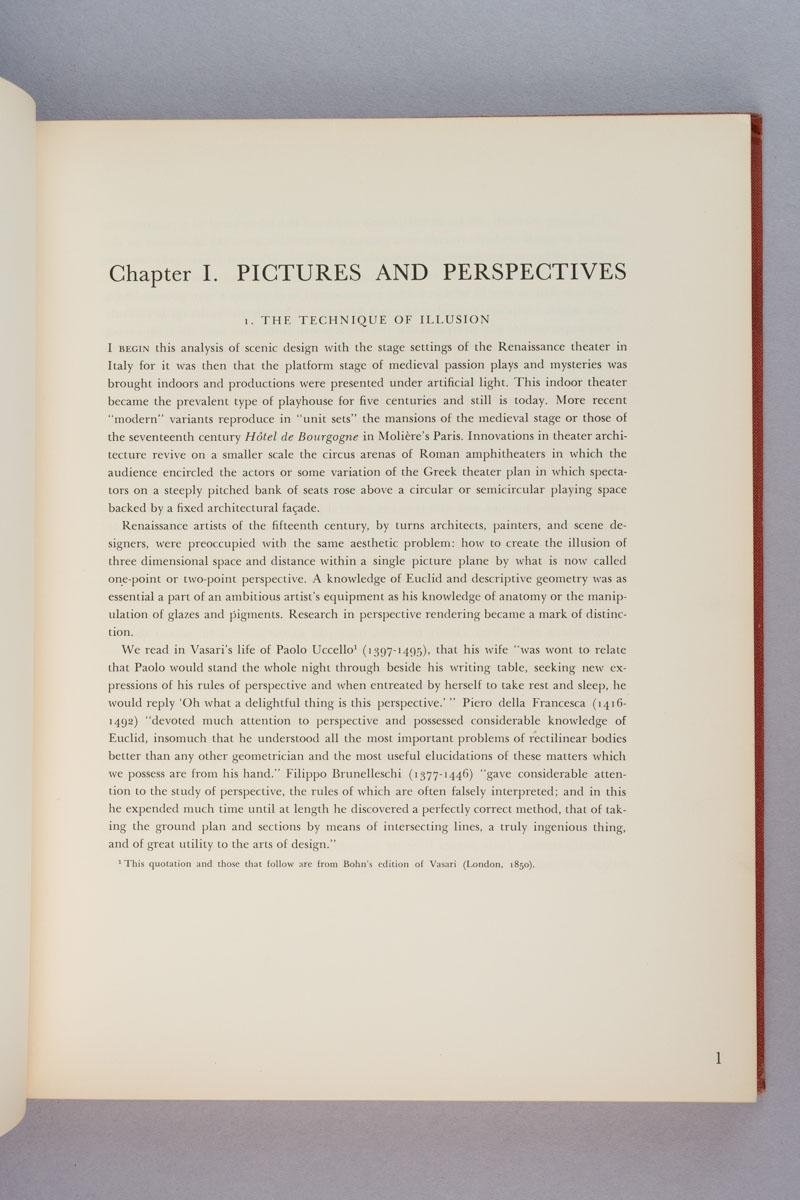
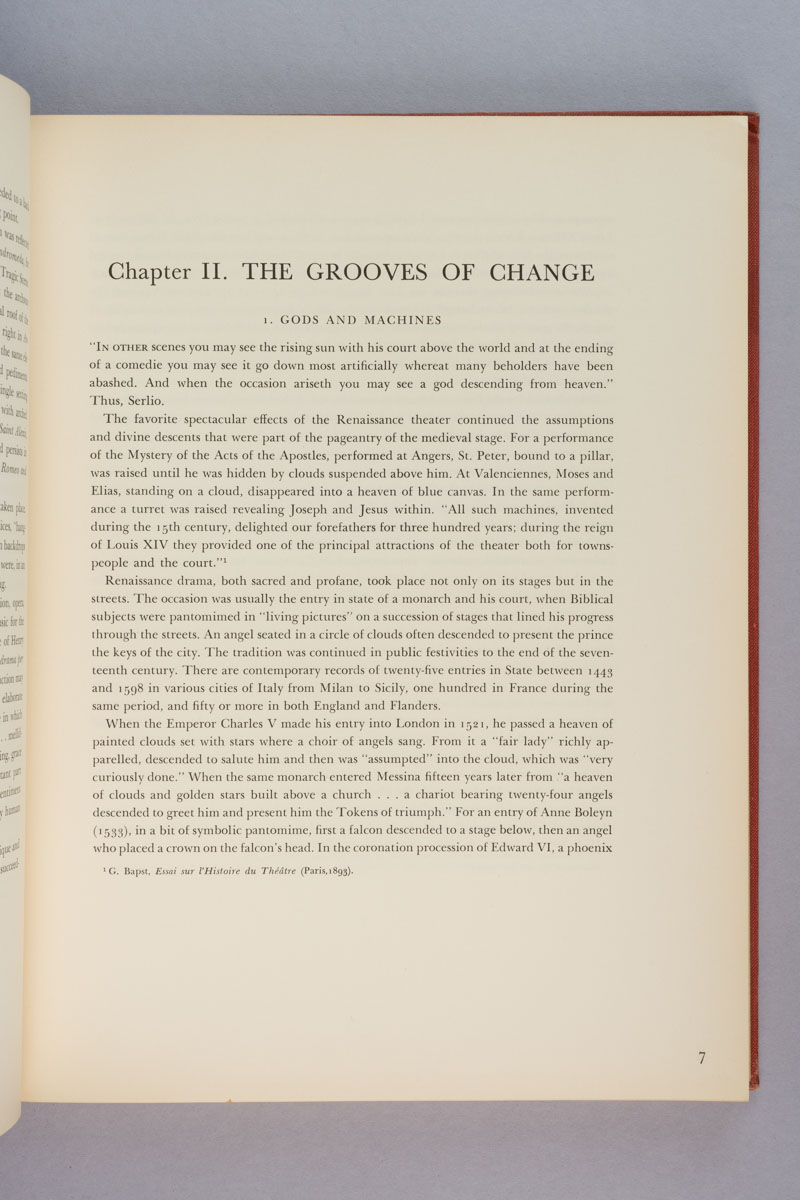
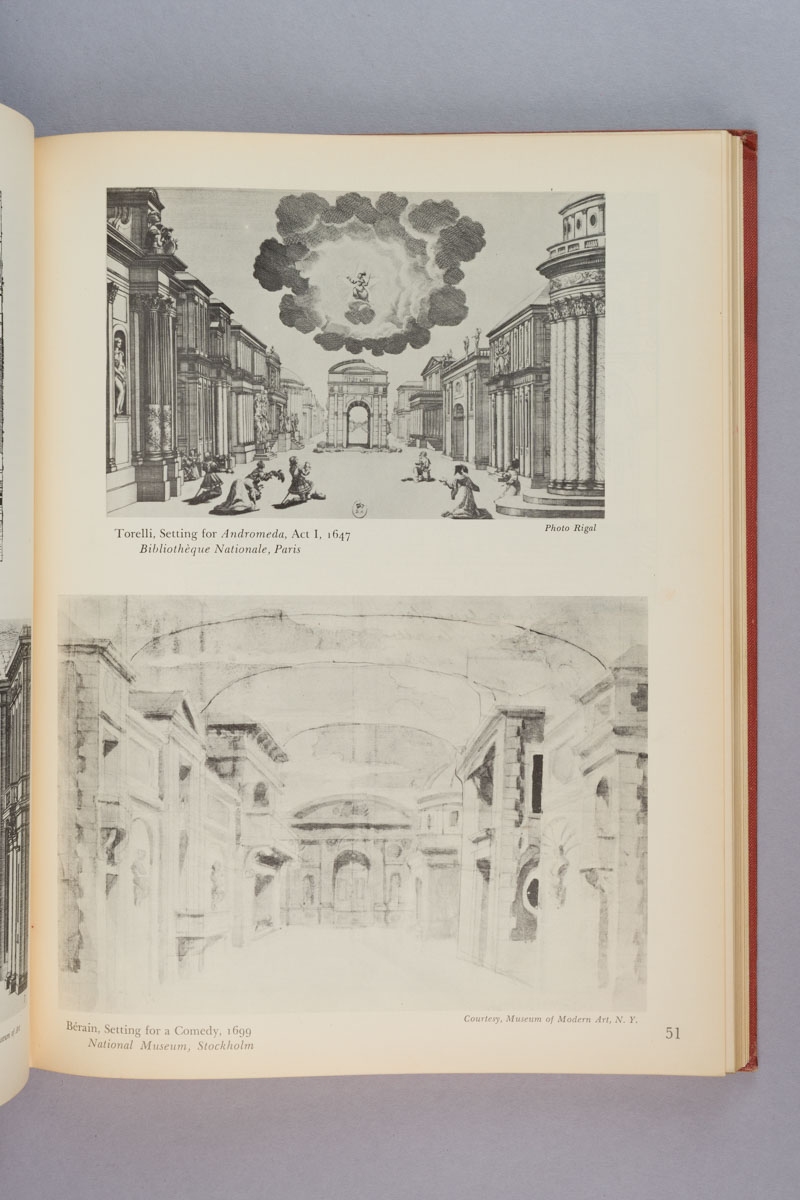
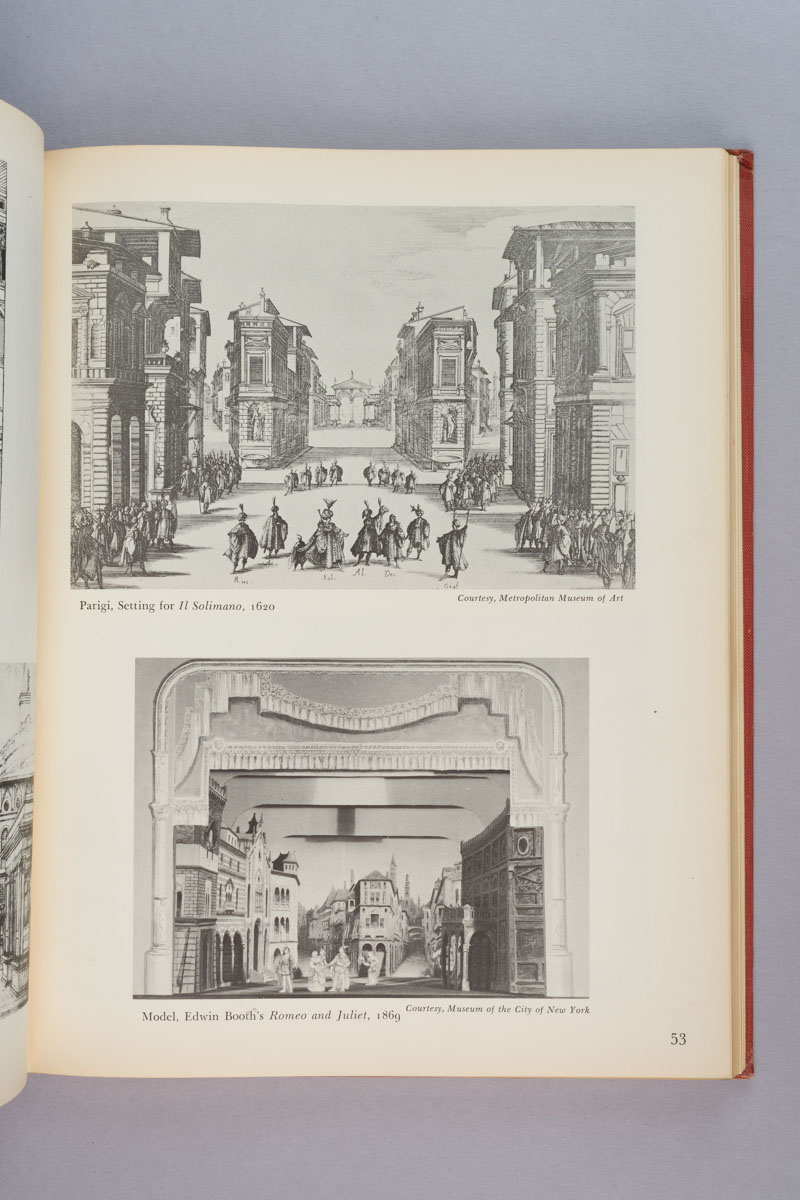
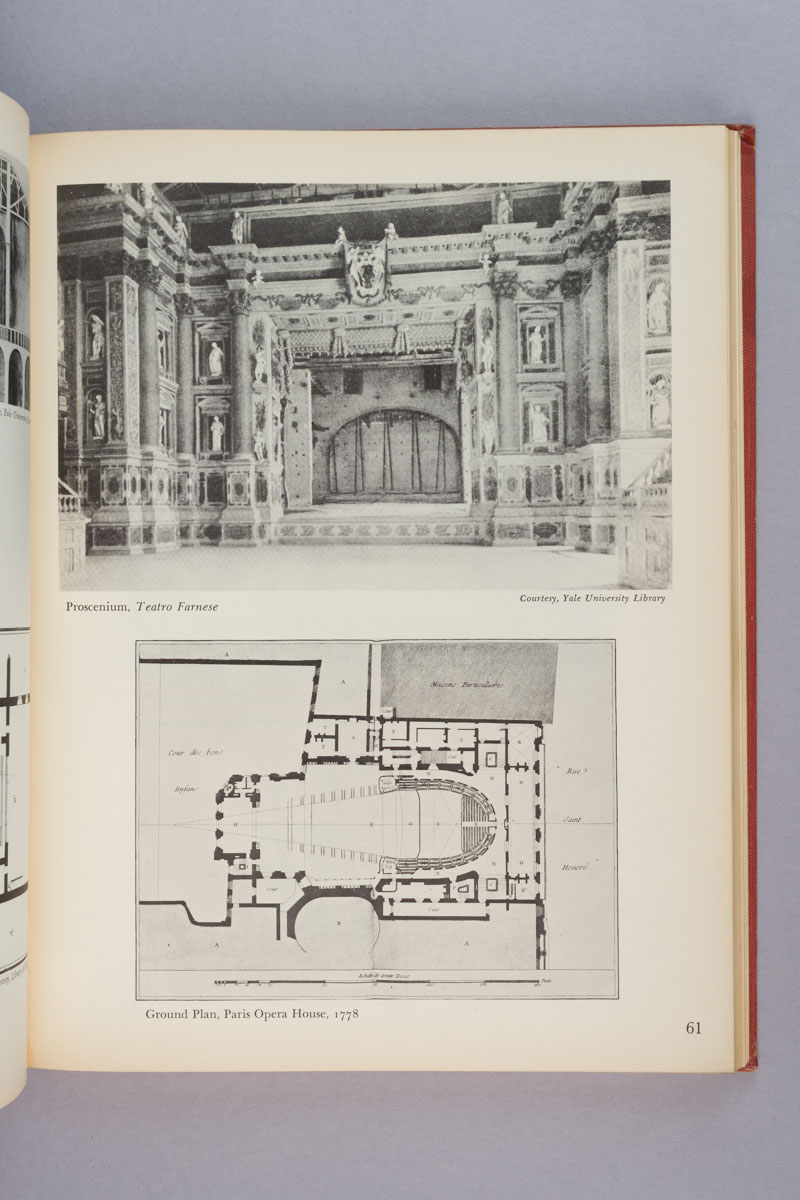
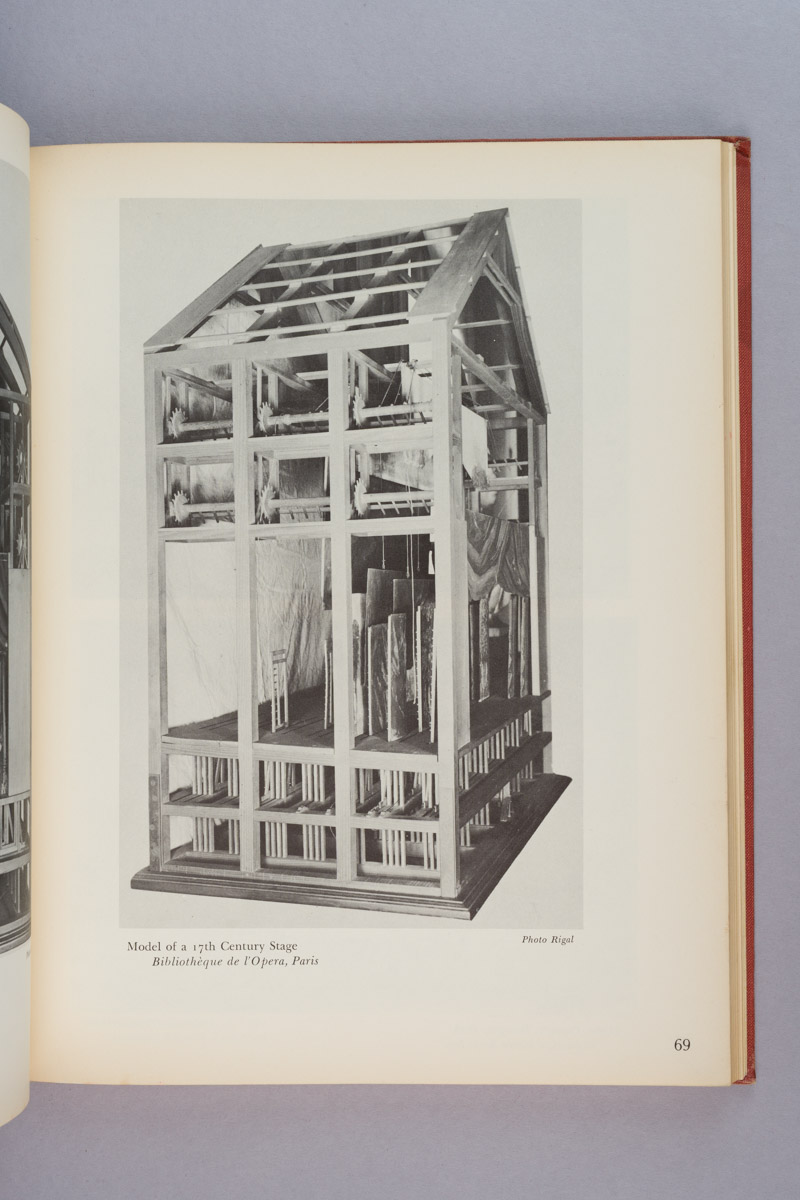
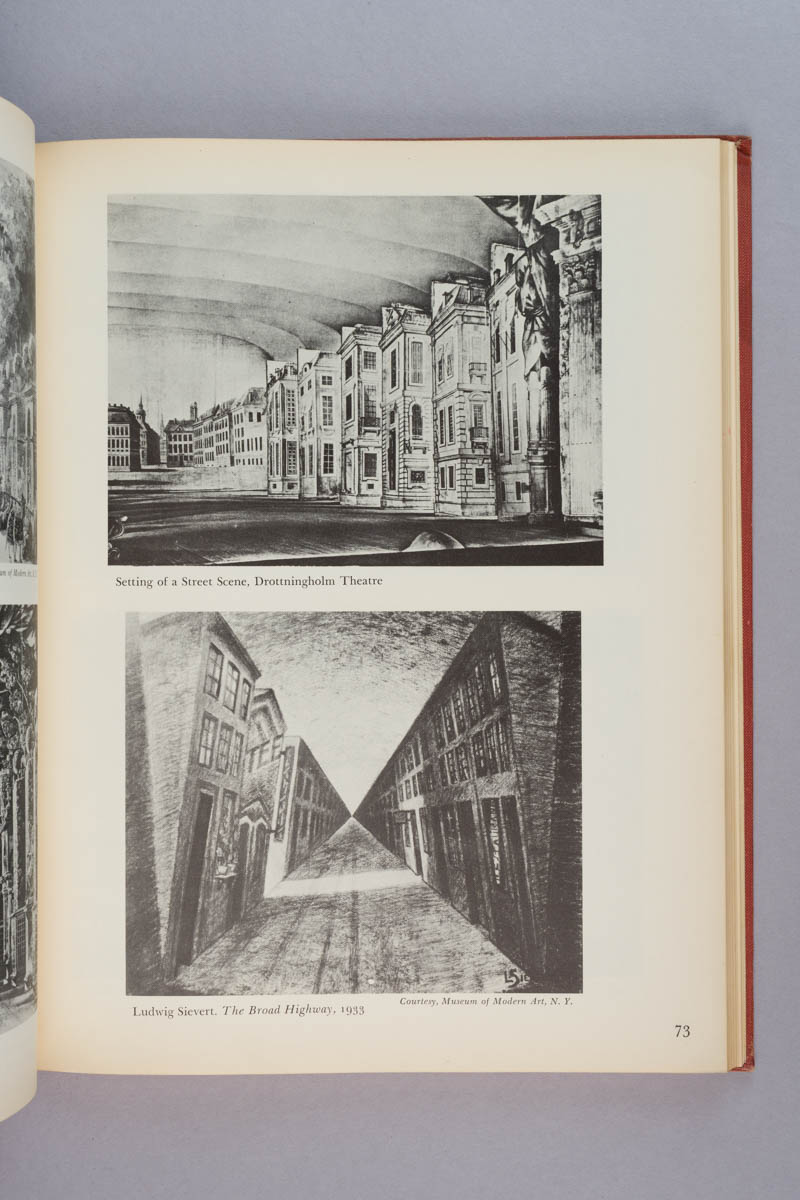
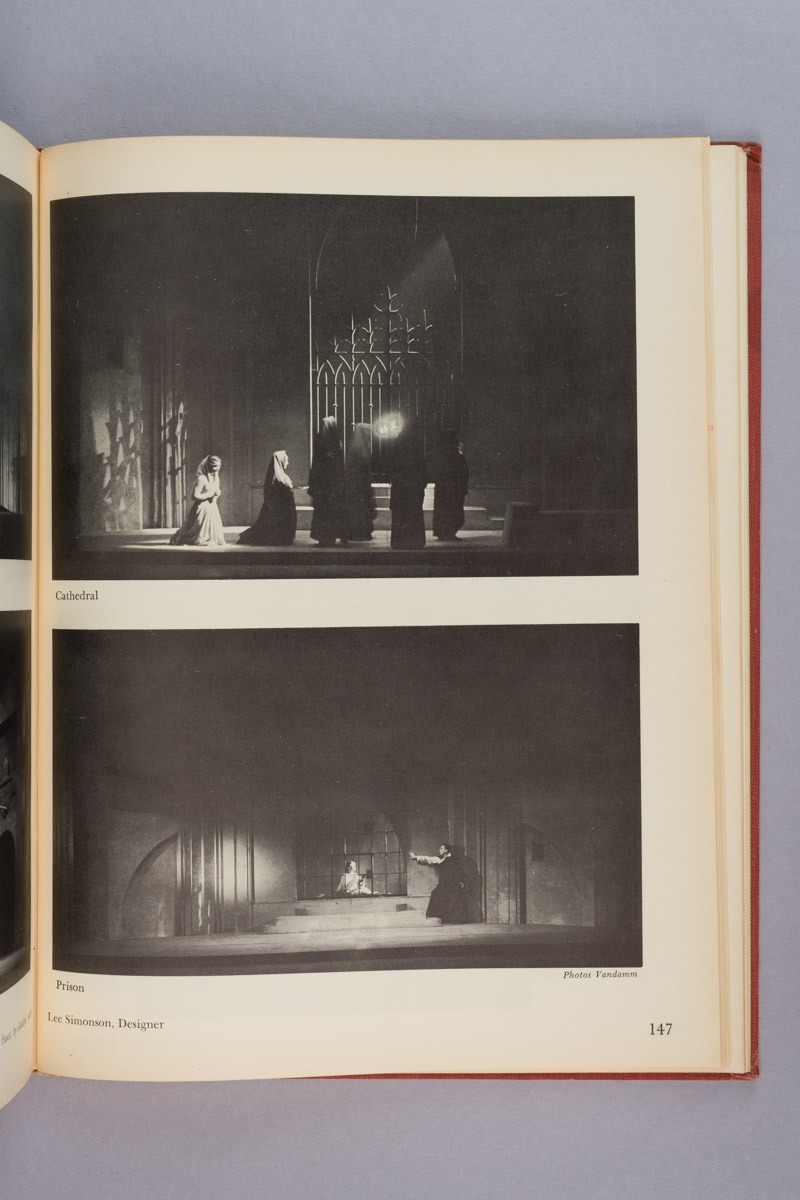
The Art of Scenic Design brought together decades of Simonson’s experience and scholarship, tracing stage design from historical theatrical traditions through to the modern theatre. Its numerous illustrations make it both a practical study and an important visual record of theatrical design during the first half of the twentieth century.
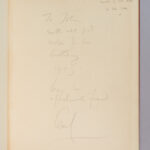
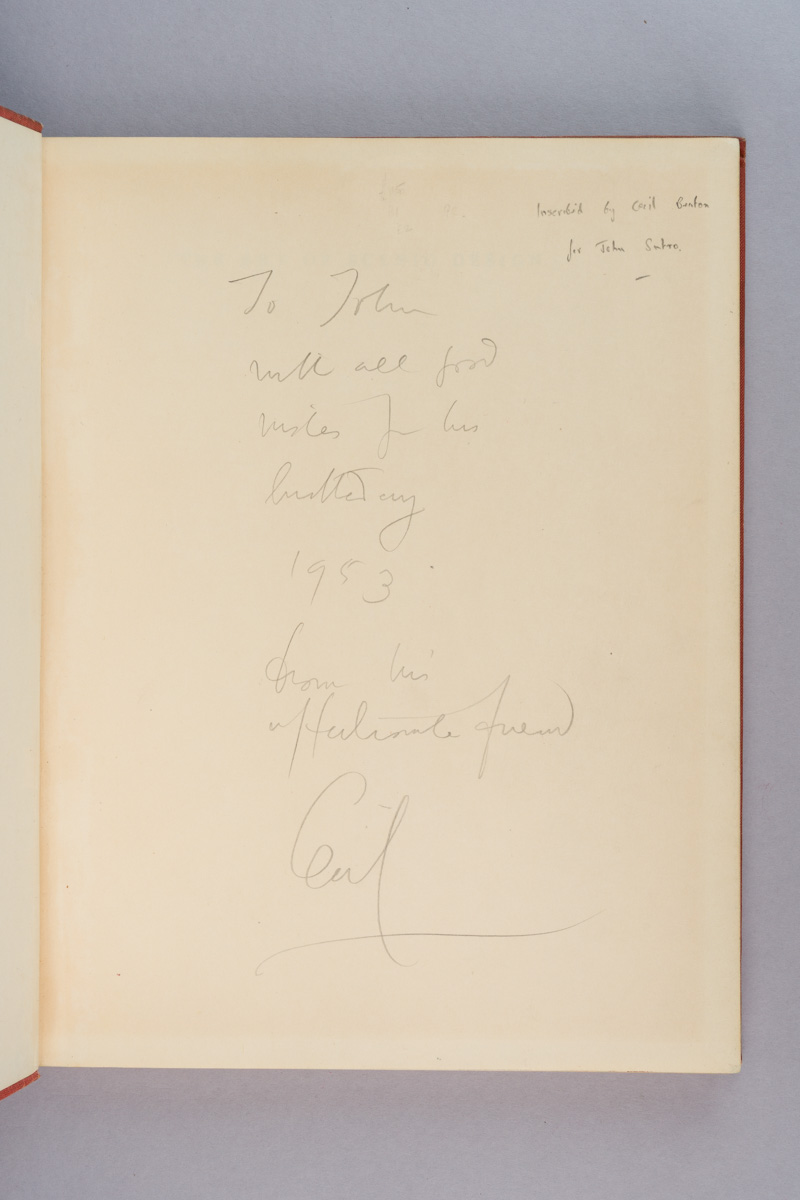
This particular copy acquires an additional dimension through its 1953 presentation inscription from Cecil Beaton. Beaton was himself one of the defining visual artists and theatrical designers of twentieth-century Britain, celebrated for his photography as well as his designs for stage and screen. A copy of Simonson’s major work on scenic design presented by Beaton therefore has an unusually appropriate association.
The recipient appears to be John Sutro, the British film producer closely connected with the artistic, literary and theatrical circles of mid-century London. If the recipient can be firmly established as Sutro, the association between Beaton, Sutro and a major work on theatrical design makes the copy considerably more interesting than an ordinary first edition.
This is not simply a reference book on theatrical design. It combines three distinct collecting areas: an important first edition on twentieth-century stagecraft, extensive visual documentation of theatrical design, and a potentially significant Cecil Beaton presentation association.
Beaton’s inscription is particularly attractive because of the subject of the book. As an Academy Award-winning designer whose work encompassed theatre, costume, photography and film, Beaton presenting a major study of scenic design to a friend gives the volume an association directly related to his own artistic career.
For collectors of Cecil Beaton, theatre history, stage design, performing arts or twentieth-century cultural history, this is a considerably more desirable copy than the standard trade edition.