Before photography, photocopying and digital reproduction, the ability to reproduce information accurately by hand was a serious professional accomplishment.
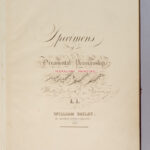
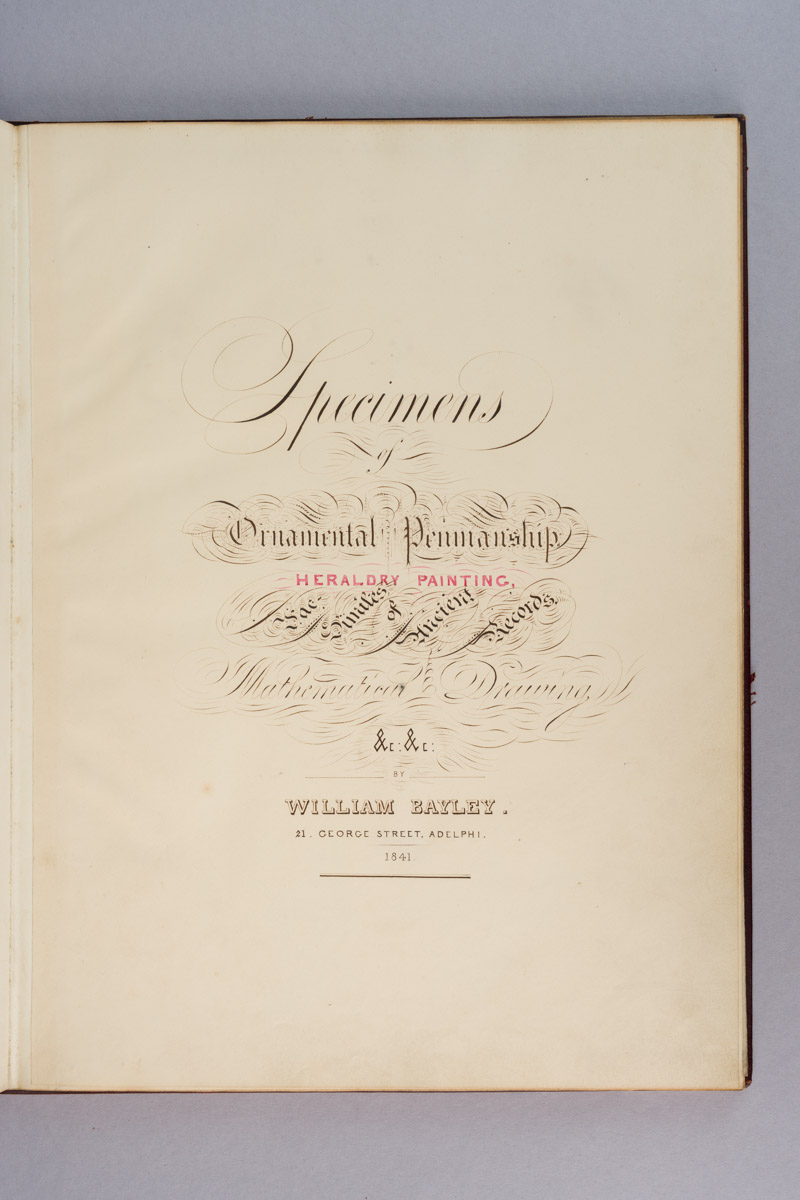
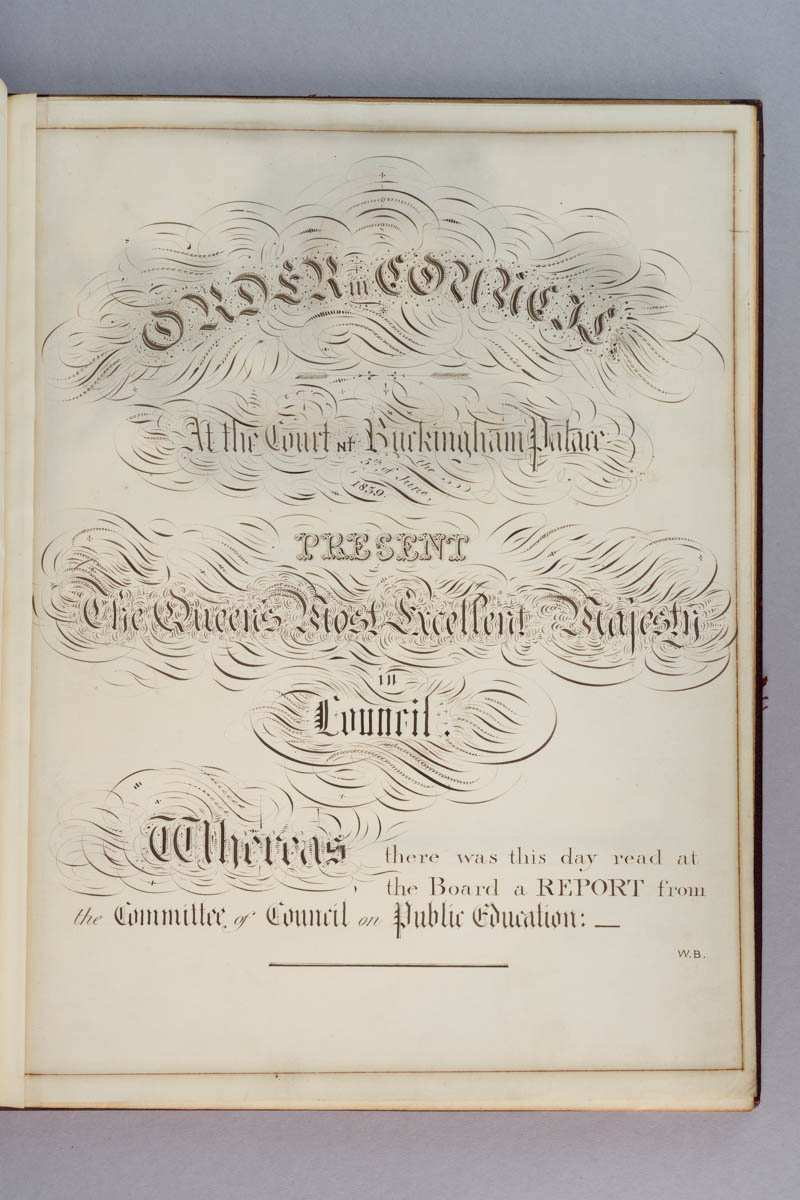
The accomplished writing master was expected to do considerably more than produce beautiful handwriting. Penmanship embraced lettering, engrossing, copying historical documents, map-making, surveying, ornamental drawing and sometimes heraldry. This album brings those disciplines together in unusually ambitious form.
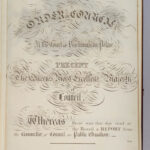
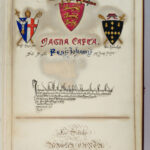
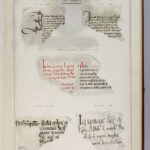
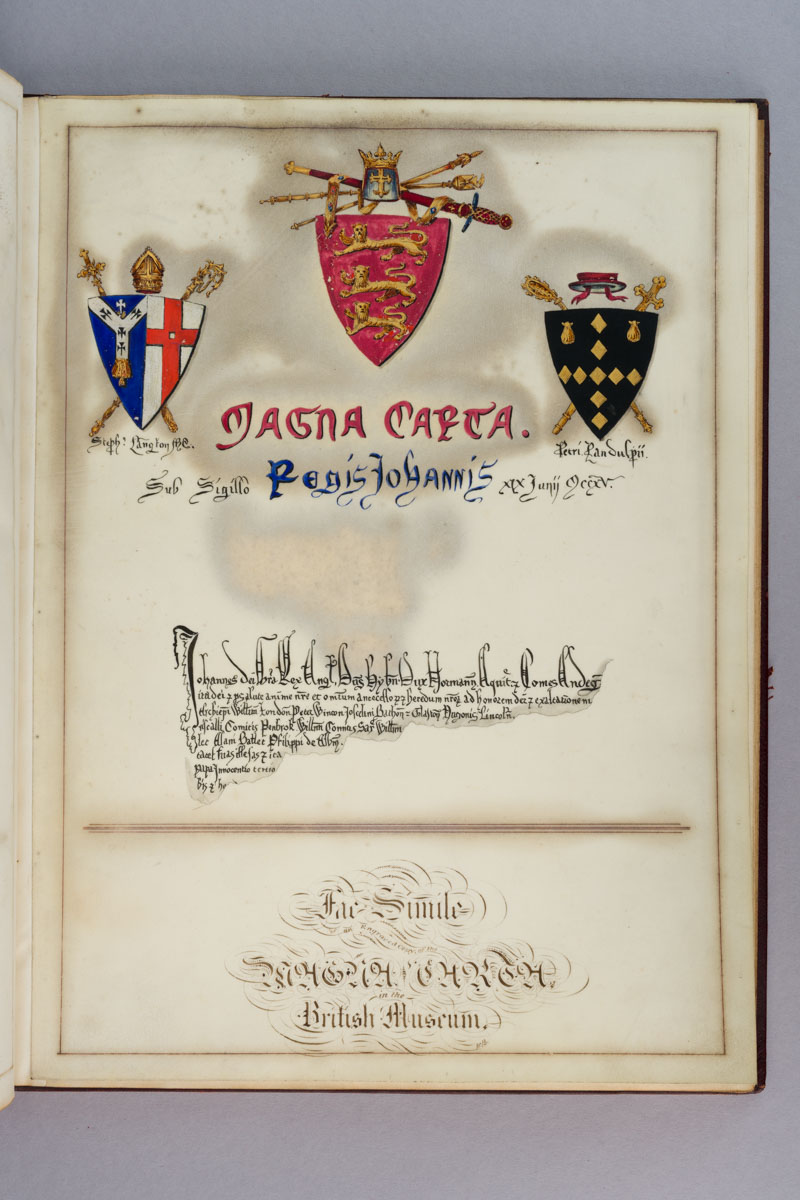
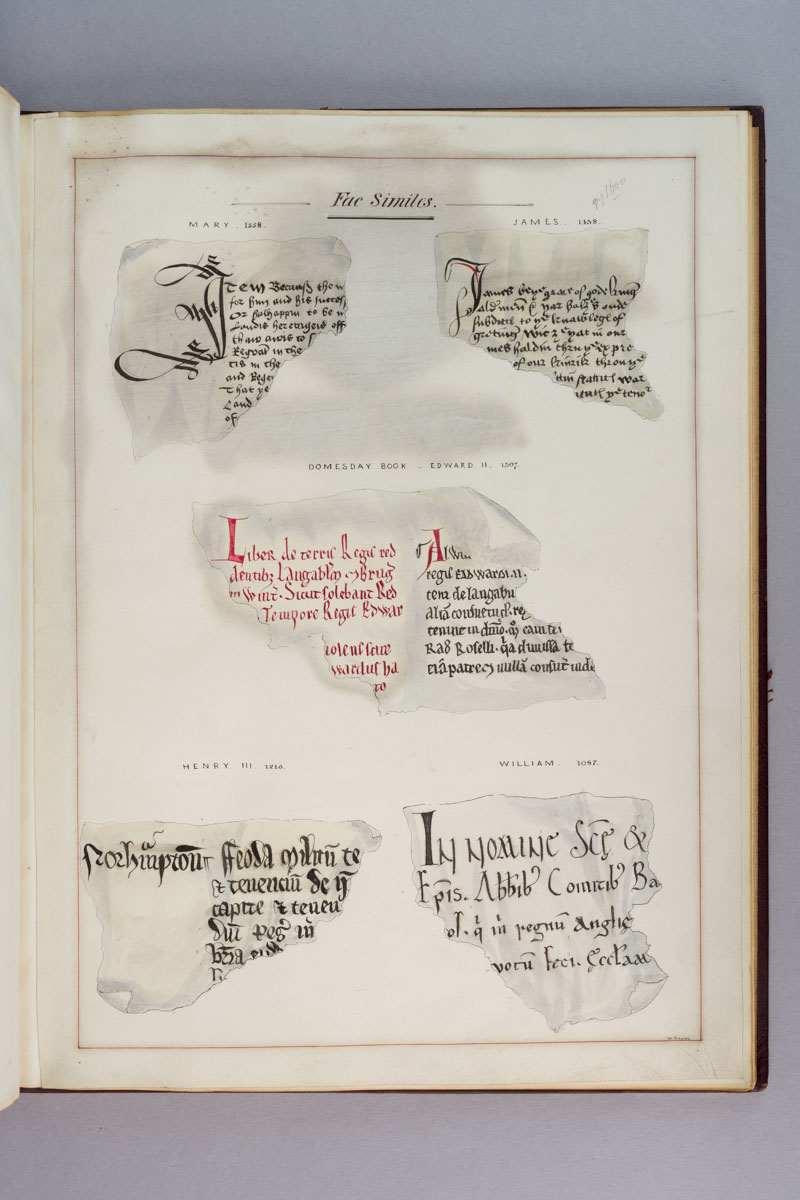
Its historical facsimiles are particularly evocative. The creator attempts to move backwards through centuries of English documentary history, reproducing scripts attributed to medieval royal and administrative documents and even the Domesday Book. The purpose was not merely decorative: changes in handwriting were an important part of understanding historical documents.
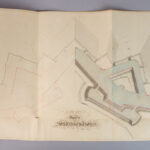
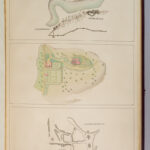
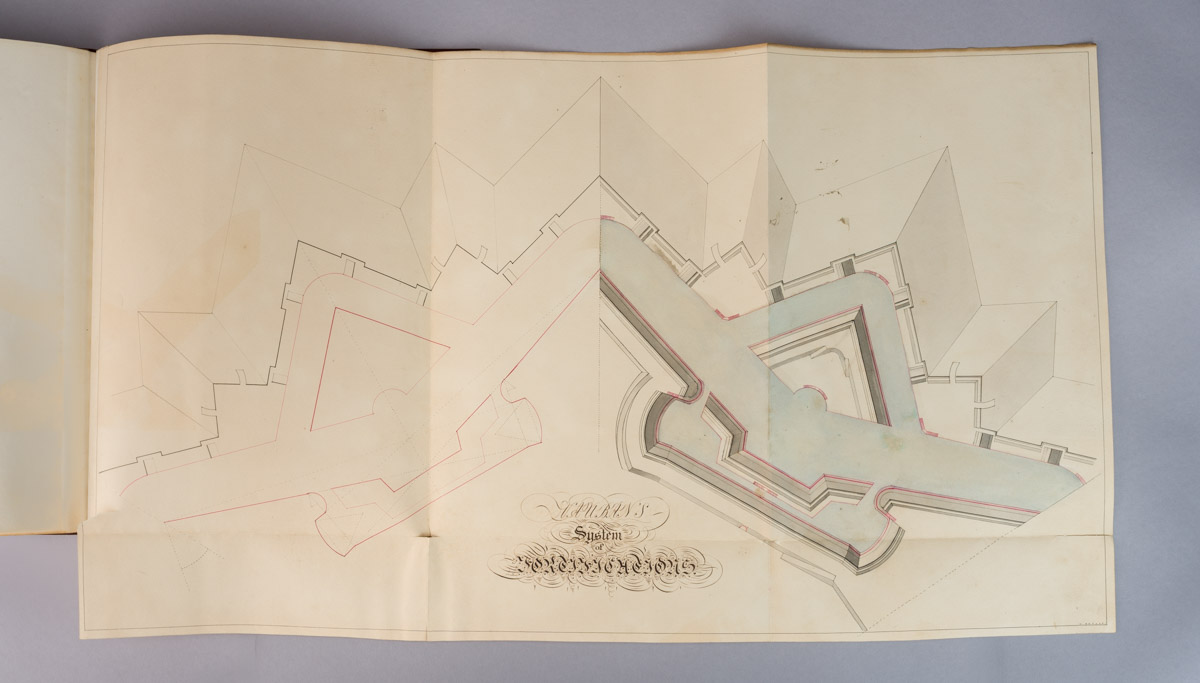
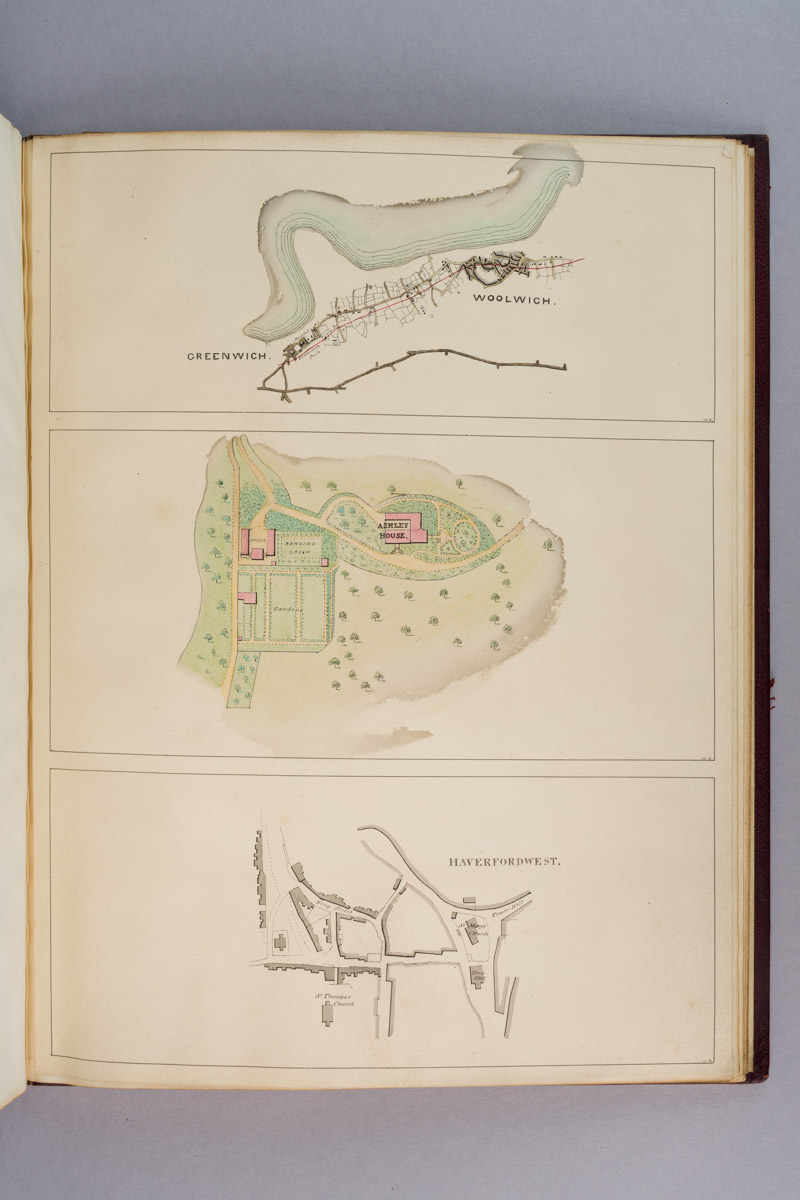
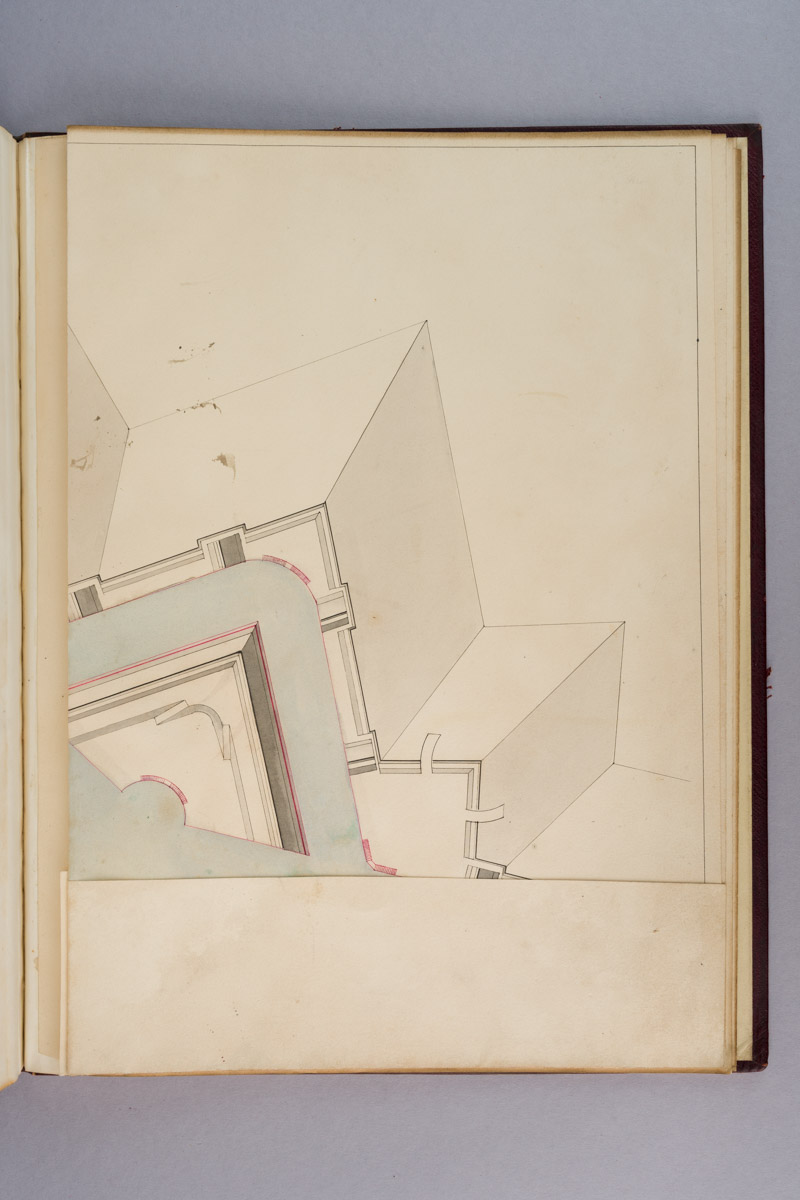
The cartographic sheets demonstrate another side of the same training. The delicate plan of Greenwich and Woolwich follows the Thames; Ashley House is represented almost as a miniature estate survey, complete with gardens and surrounding woodland; Haverfordwest is reduced to an economical street plan.
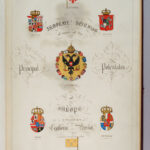
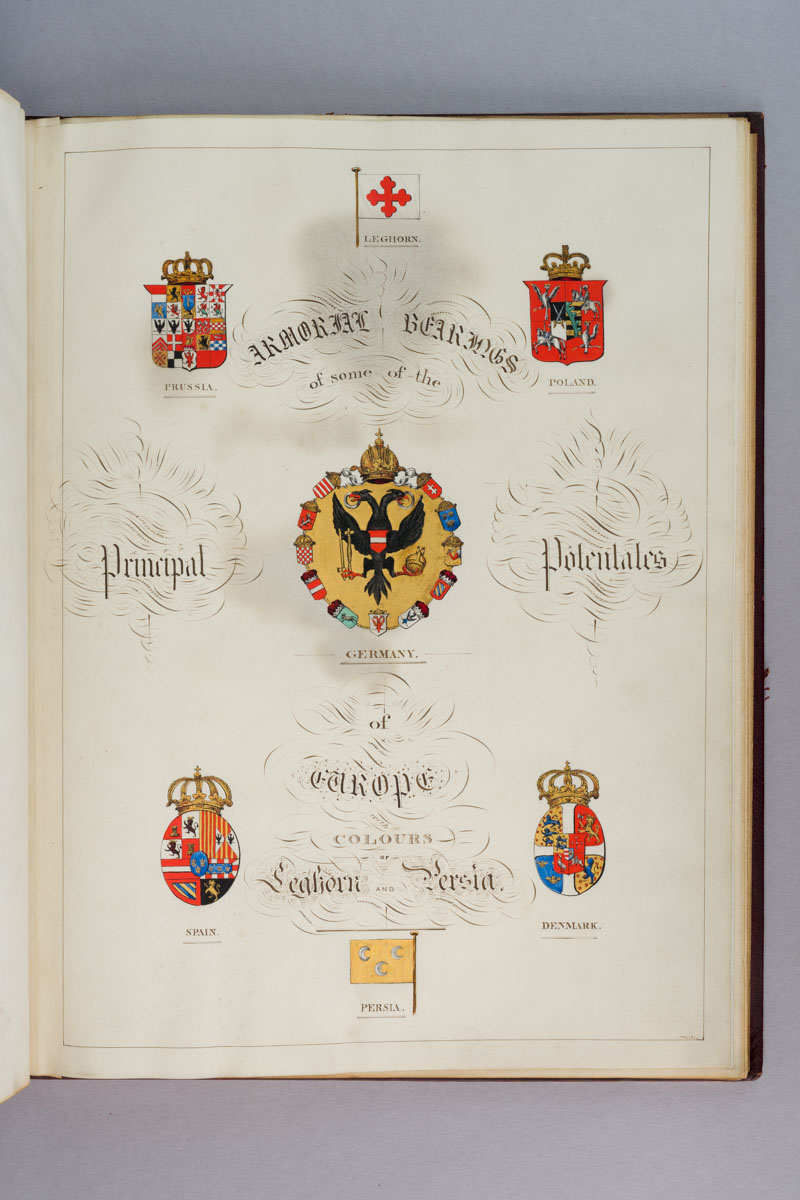
Then comes heraldry, transformed into a spectacular exercise in colour and precision. European royal arms are carefully painted in brilliant colours, demonstrating the draughtsman’s command of both line and watercolour.
Together these leaves form a fascinating record of the skills expected of an accomplished nineteenth-century draughtsman—a world in which the pen served simultaneously as writing instrument, mapping tool, copying device and artist’s implement.
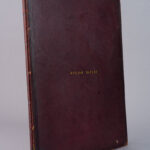
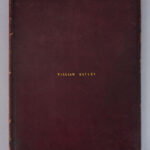
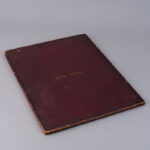
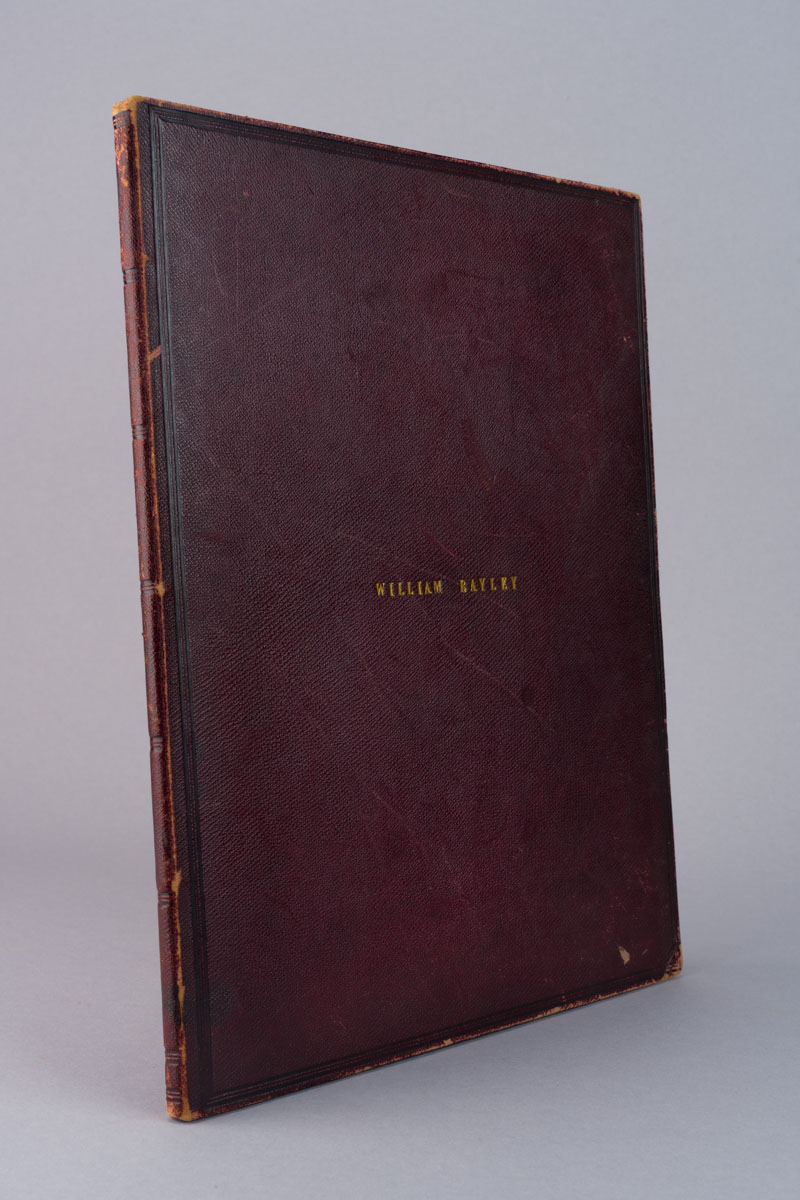
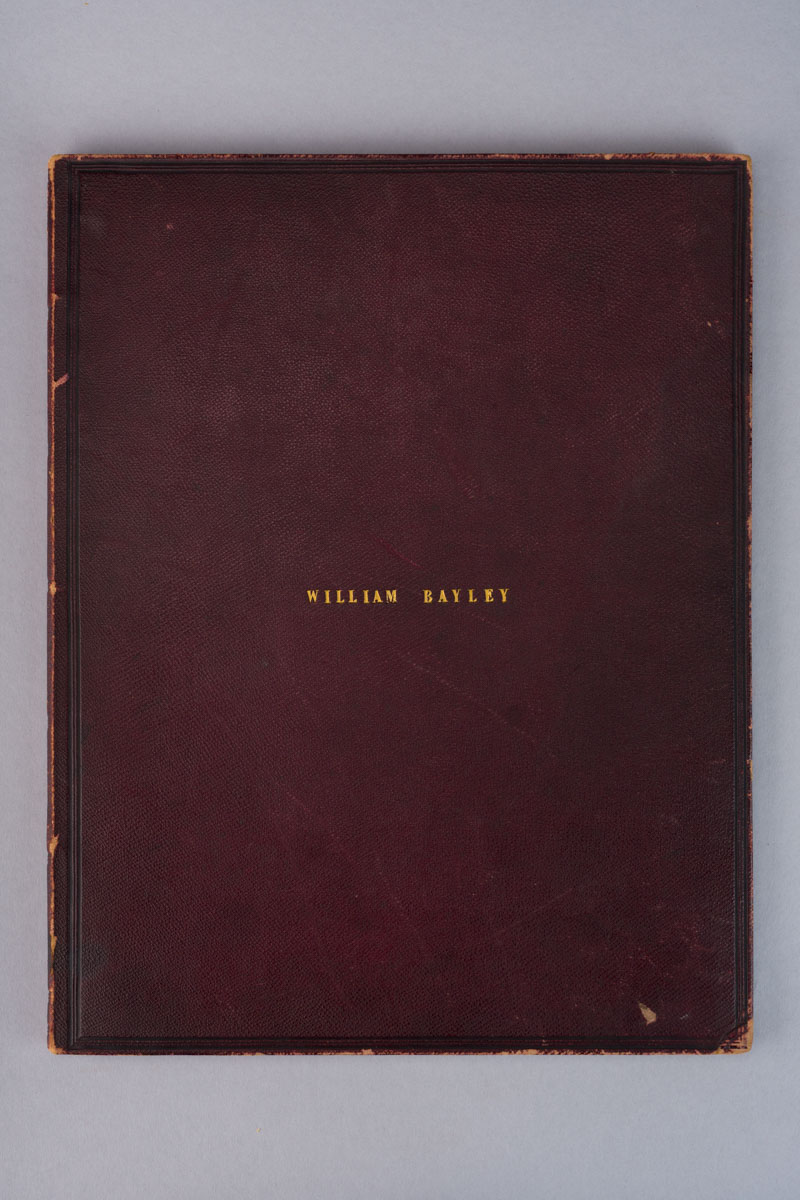
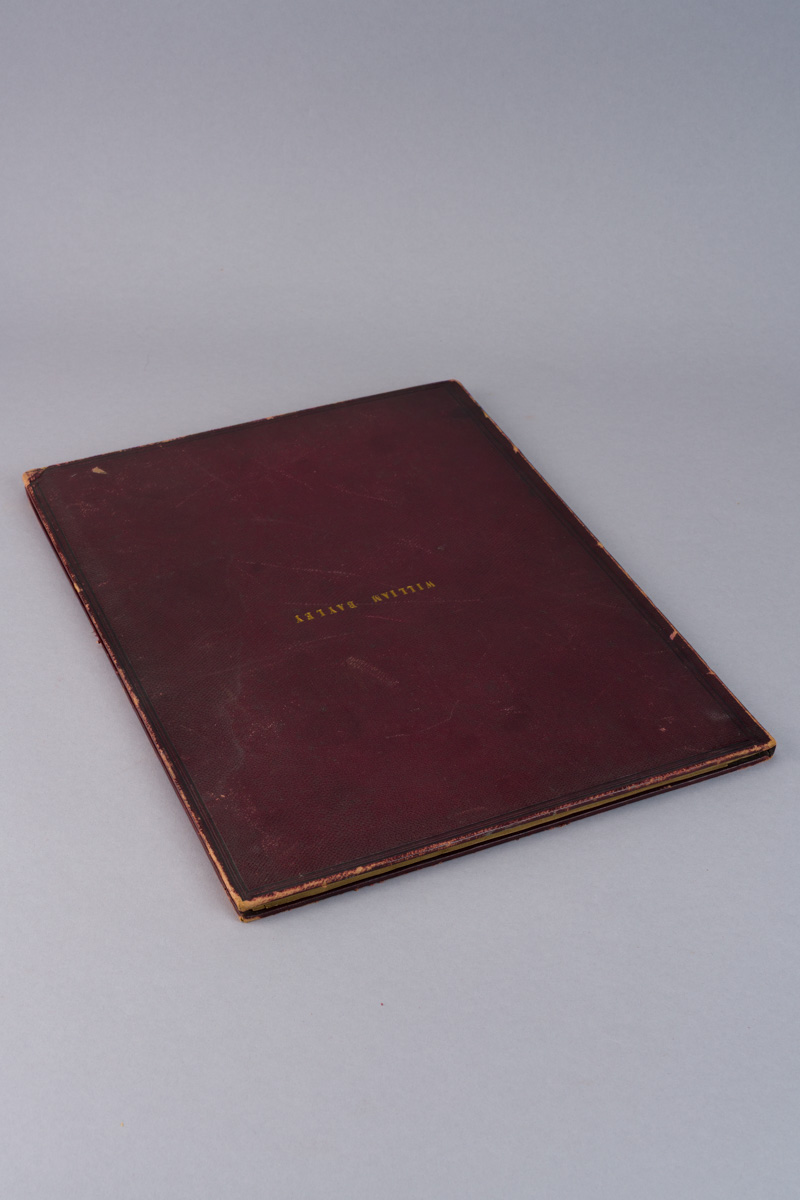
Unlike a conventional printed book, this is a unique manuscript artefact. There cannot be another identical copy.
Its collecting appeal also crosses several fields: calligraphy and penmanship, manuscripts, palaeography, cartography, heraldry, social history and early Victorian education.
The visual character is particularly strong. The coloured heraldic sheet and maps are immediately decorative, while the facsimile page provides an unusual link between nineteenth-century calligraphic practice and Britain’s medieval documentary tradition.
For a collection concerned with the history of writing, manuscripts, maps or graphic arts, it is the combination of disciplines within a single manuscript volume that gives the work particular distinction.