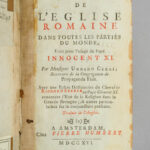
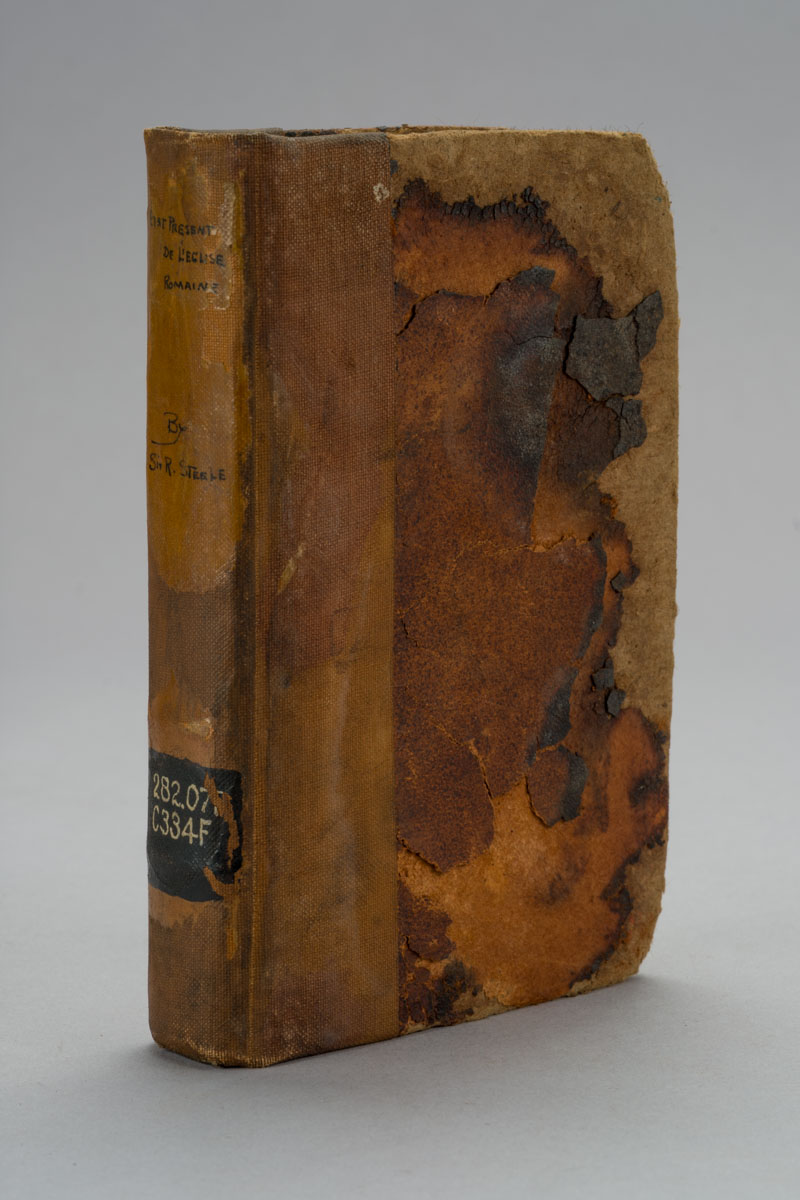
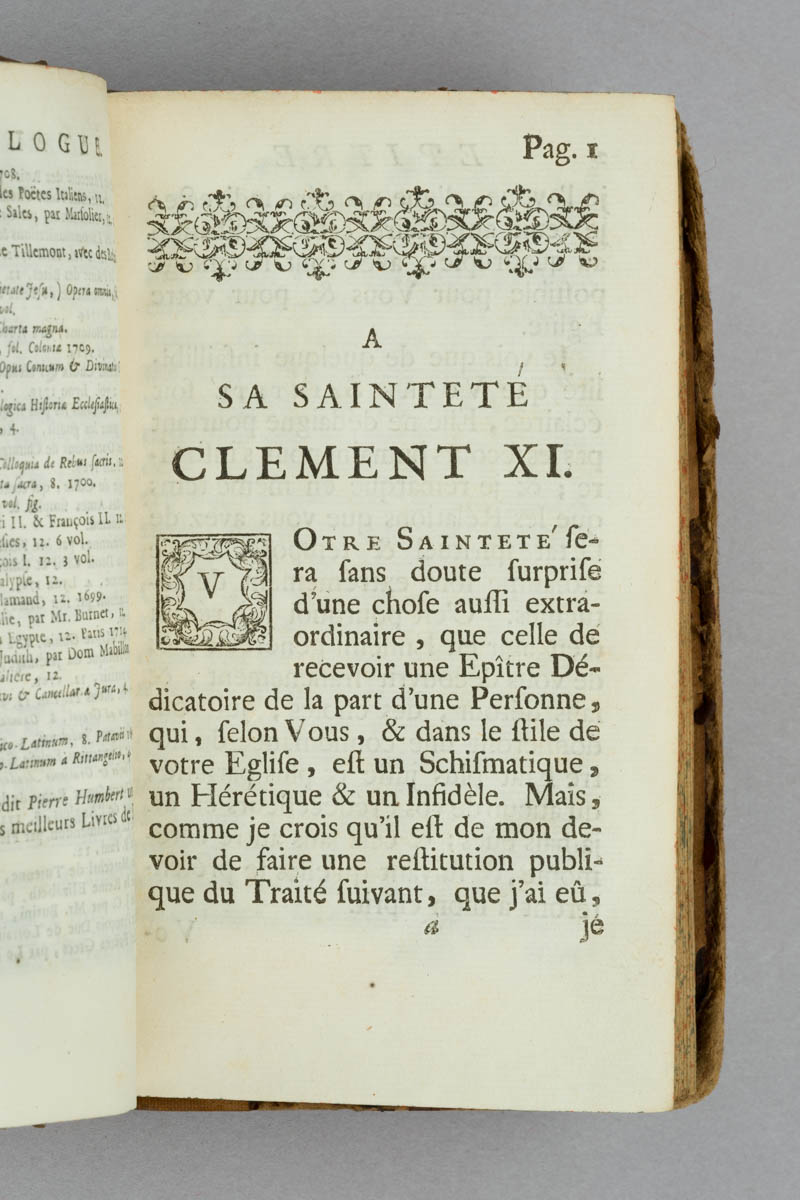
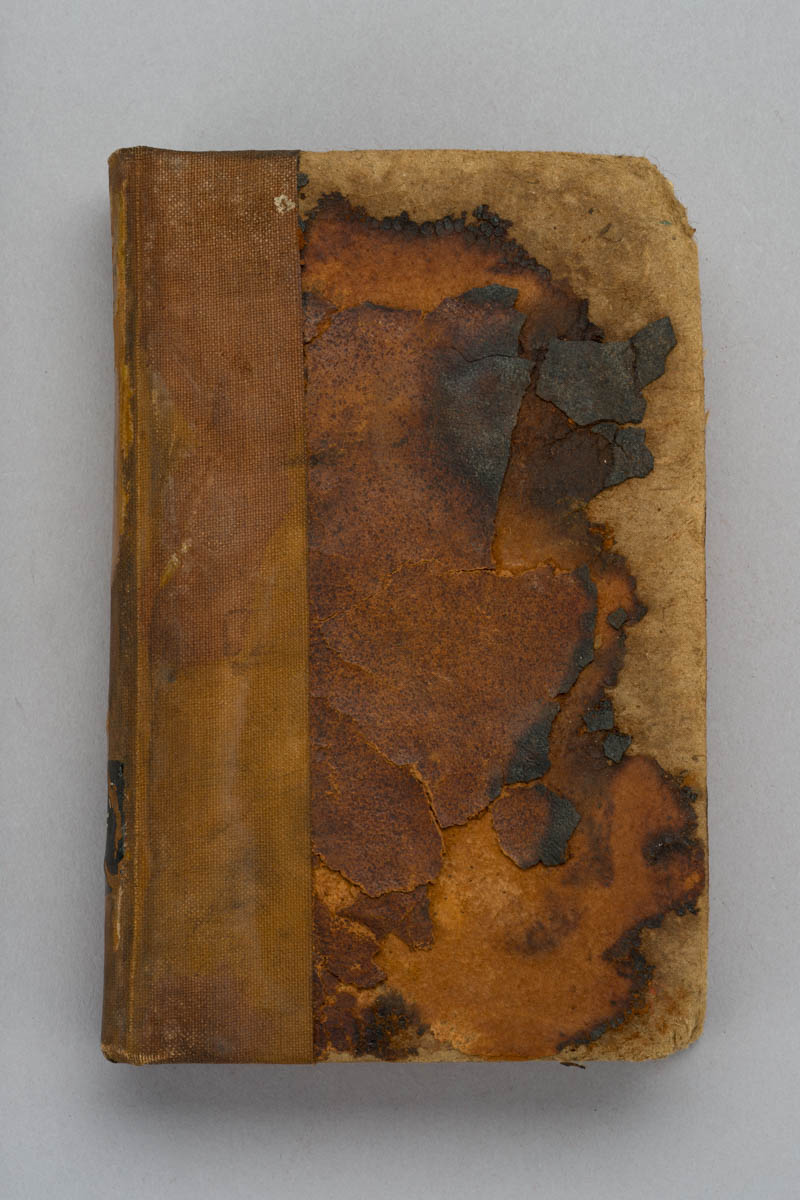
This is essentially an early eighteenth-century report on the global Catholic Church prepared for a pope.
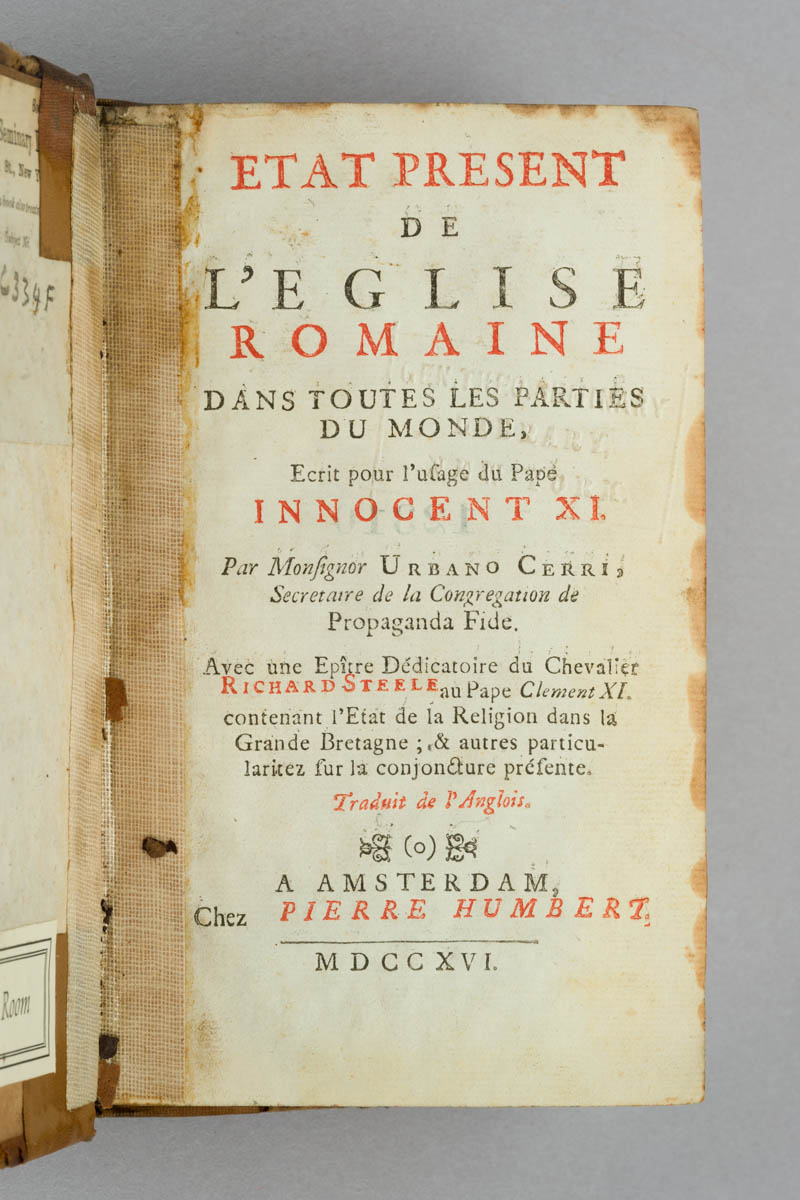
Urbano Cerri served as Secretary of the Sacred Congregation for the Propagation of the Faith — Propaganda Fide, established in Rome in 1622 to oversee Catholic missionary activity. His position placed him close to the administrative centre of the Church’s expanding international missionary network.
The work was originally prepared for Pope Innocent XI, whose pontificate ran from 1676 to 1689. Cerri attempted to describe the condition of Roman Catholicism across different regions of the world, making the work particularly interesting as a European perspective on the international reach of the Church during the early modern period.
This 1716 French edition adds another fascinating element.
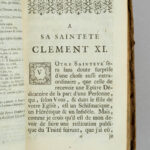
It contains a dedicatory address to Pope Clement XI by Sir Richard Steele, one of the major literary figures of early eighteenth-century Britain. Steele is best remembered today for founding The Tatler and, with Joseph Addison, The Spectator. His presence connects a work of Vatican administration and missionary history with the literary and religious culture of Augustan Britain.
The opening of Steele’s address is remarkably confrontational: he explains to Clement XI the unusual circumstance of receiving a dedication from someone whom the Pope, according to the doctrines of his Church, regards as “a schismatic, a heretic and an infidel.”
It is a striking opening to a book already concerned with the religious divisions and global ambitions of early eighteenth-century Christianity.
An unusual combination of Vatican history, global missionary activity, British literary history and early eighteenth-century printing.
The book has several particularly marketable associations: it was written for Pope Innocent XI, concerns the international state of the Roman Catholic Church, was produced by the Secretary of Propaganda Fide, and contains a contribution by Sir Richard Steele addressed to Pope Clement XI.
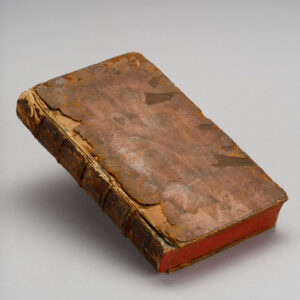
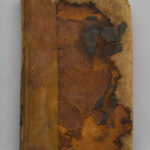
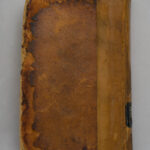
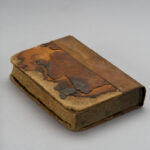
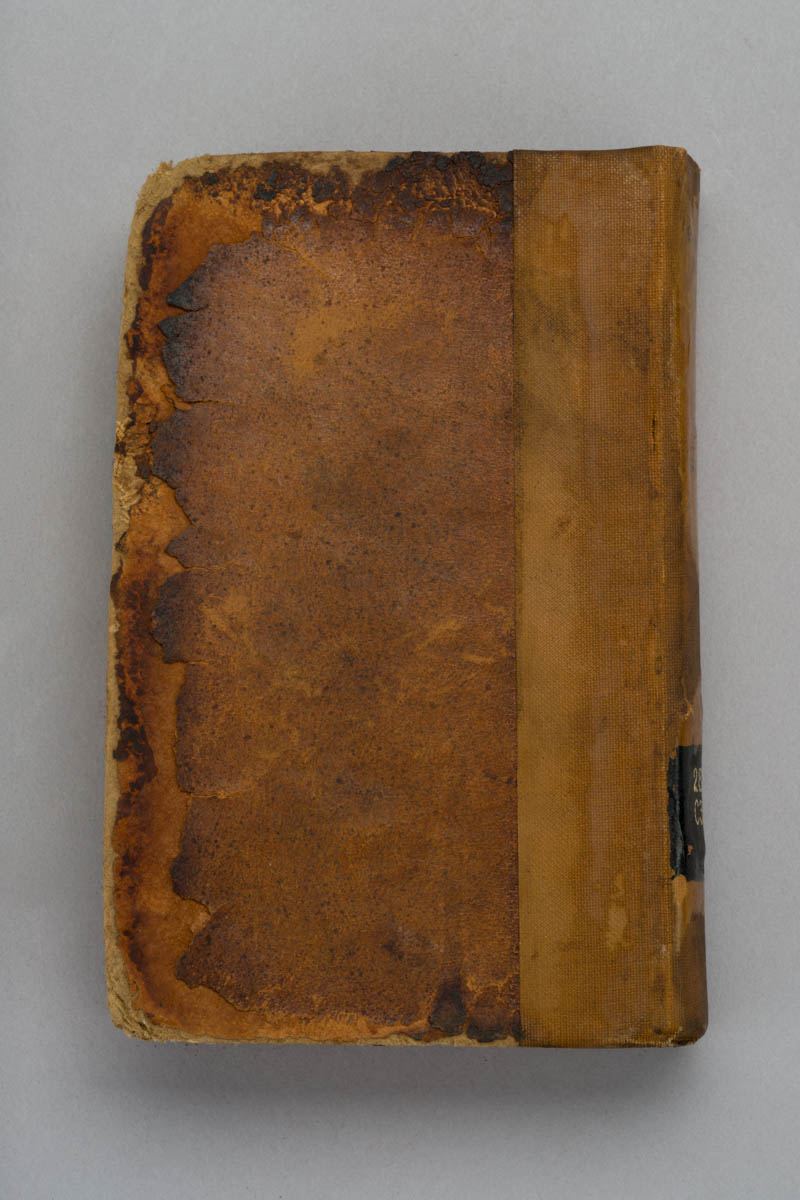
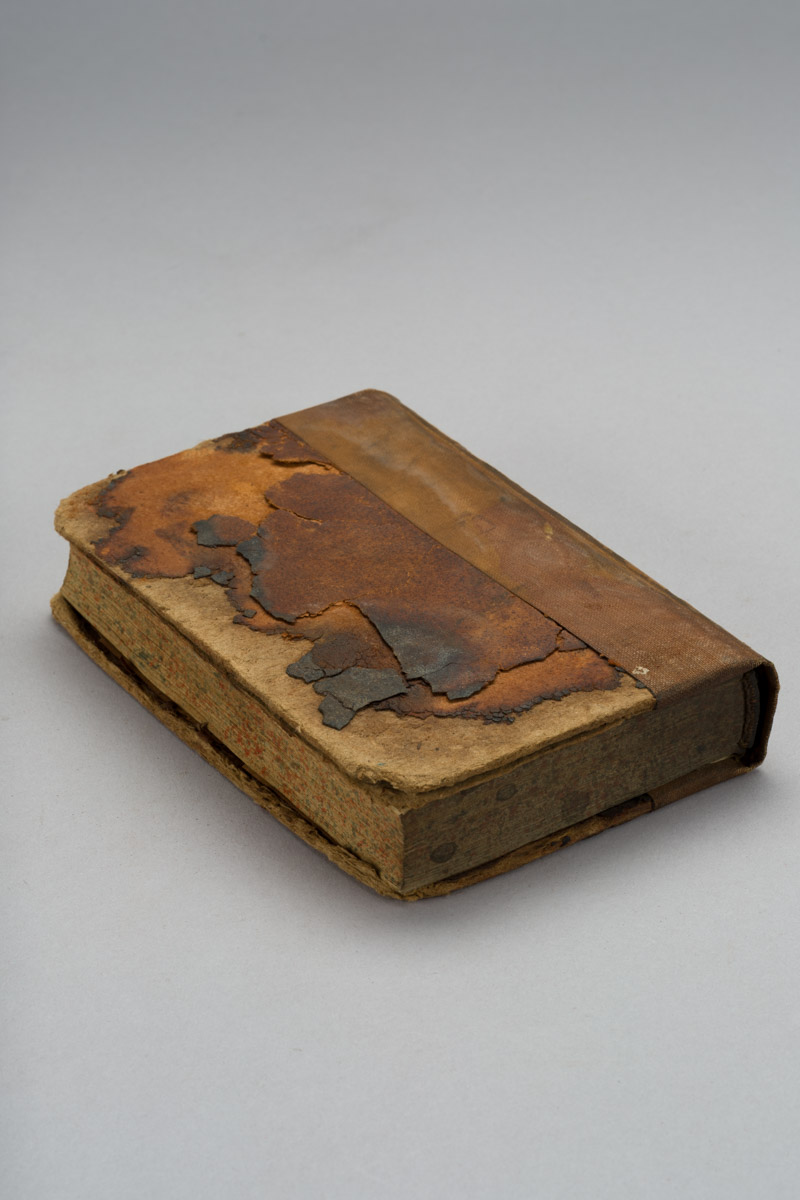
The red-and-black title page is visually attractive, while the worn and historically repaired binding leaves little doubt that this is a book which has experienced more than three centuries of institutional use.
For collectors interested in Catholic history, missionary history, the papacy, Sir Richard Steele, British religious history or the international history of Christianity, it offers an unusually rich combination of subjects in a single volume.