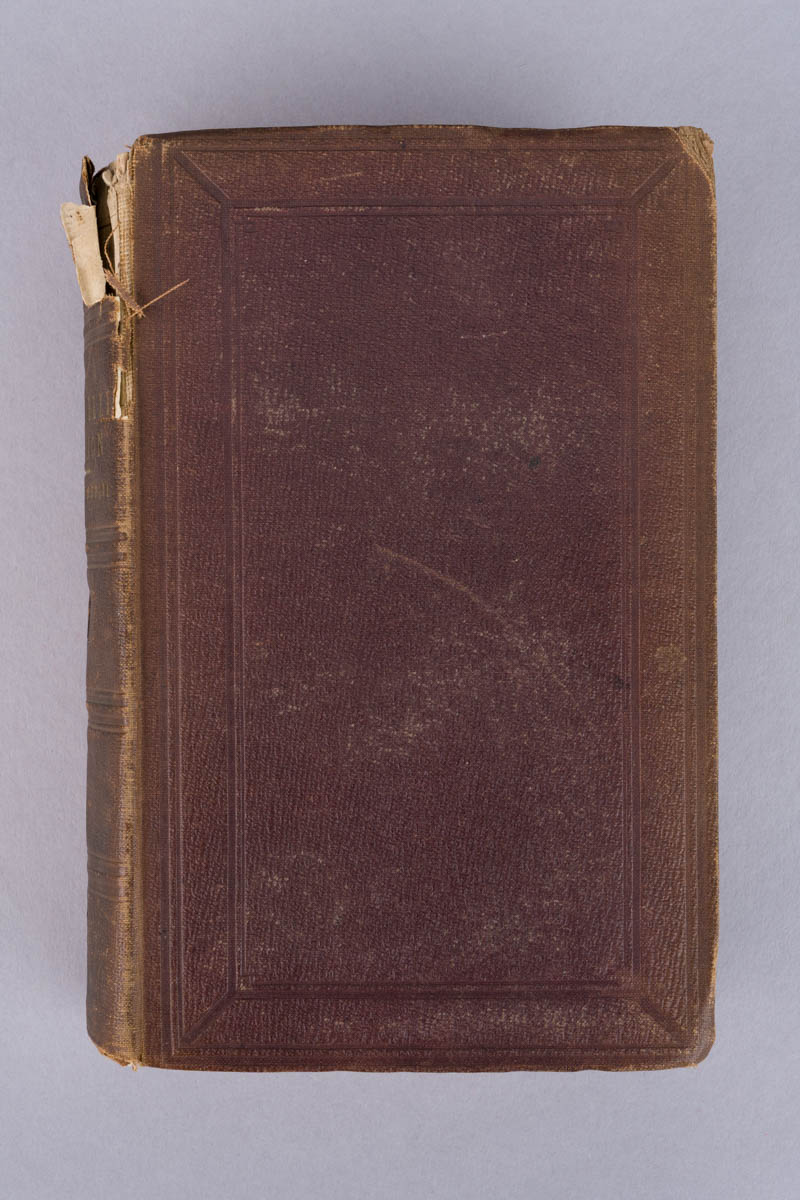
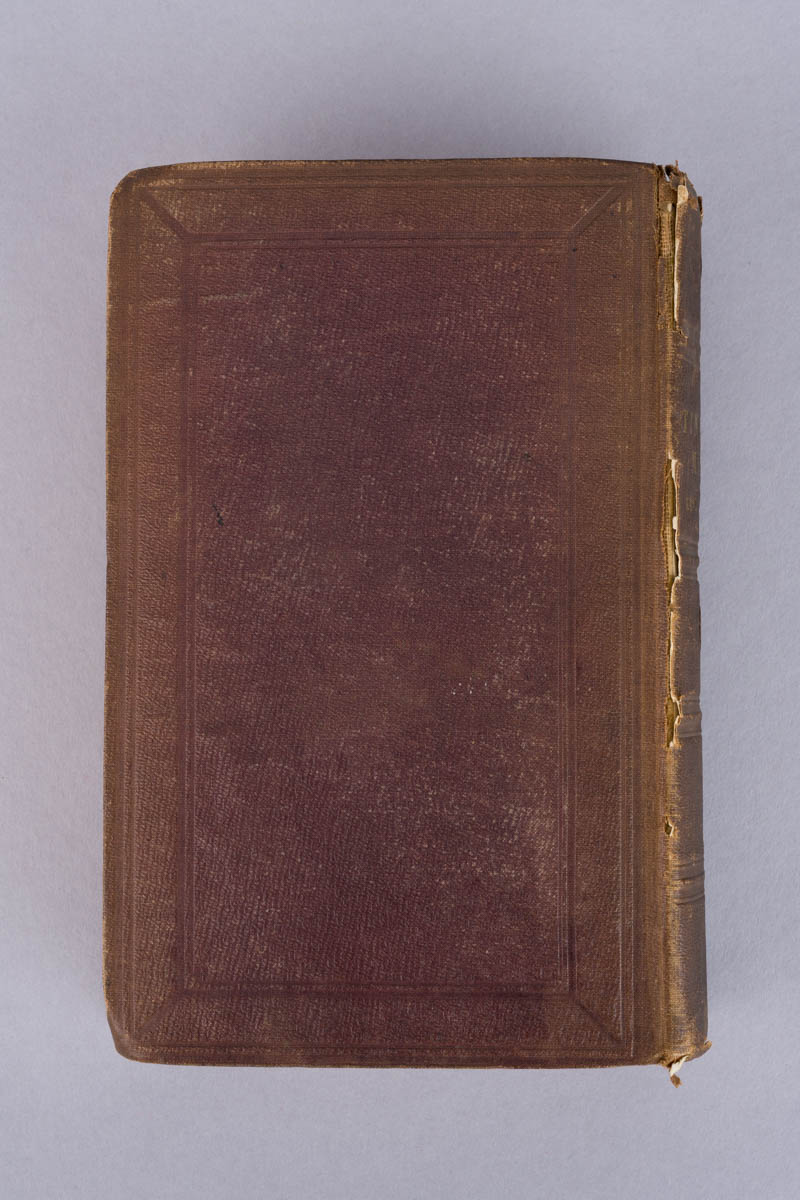
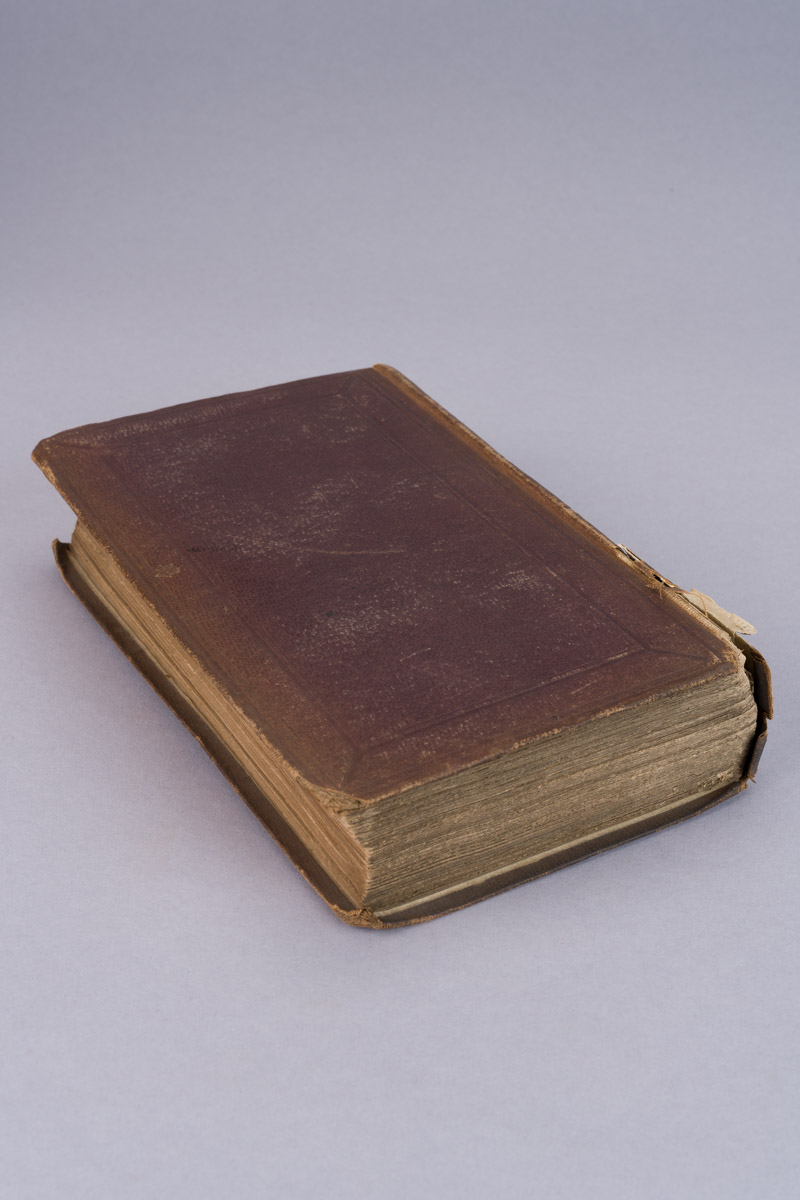
In the middle of the nineteenth century, southern India became the setting for one of the most significant expansions of Protestant missionary activity under British rule.
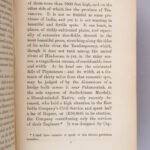
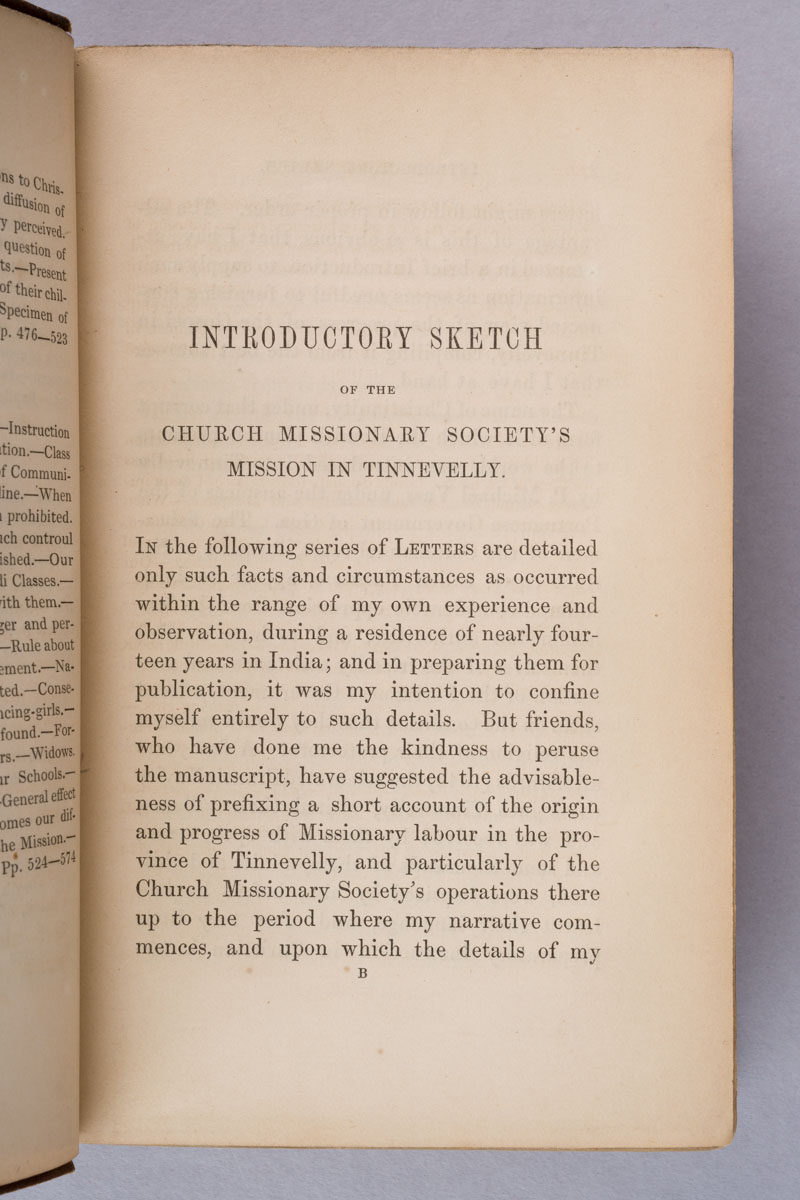
Tinnevelly, now Tirunelveli in Tamil Nadu, developed into an especially important centre of Anglican missionary activity. George Pettitt was not writing about this movement from a distance: he had served in the Tinnevelly Mission himself.
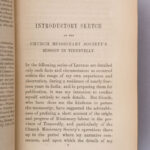
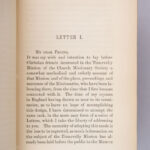
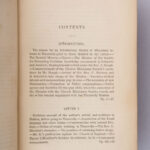
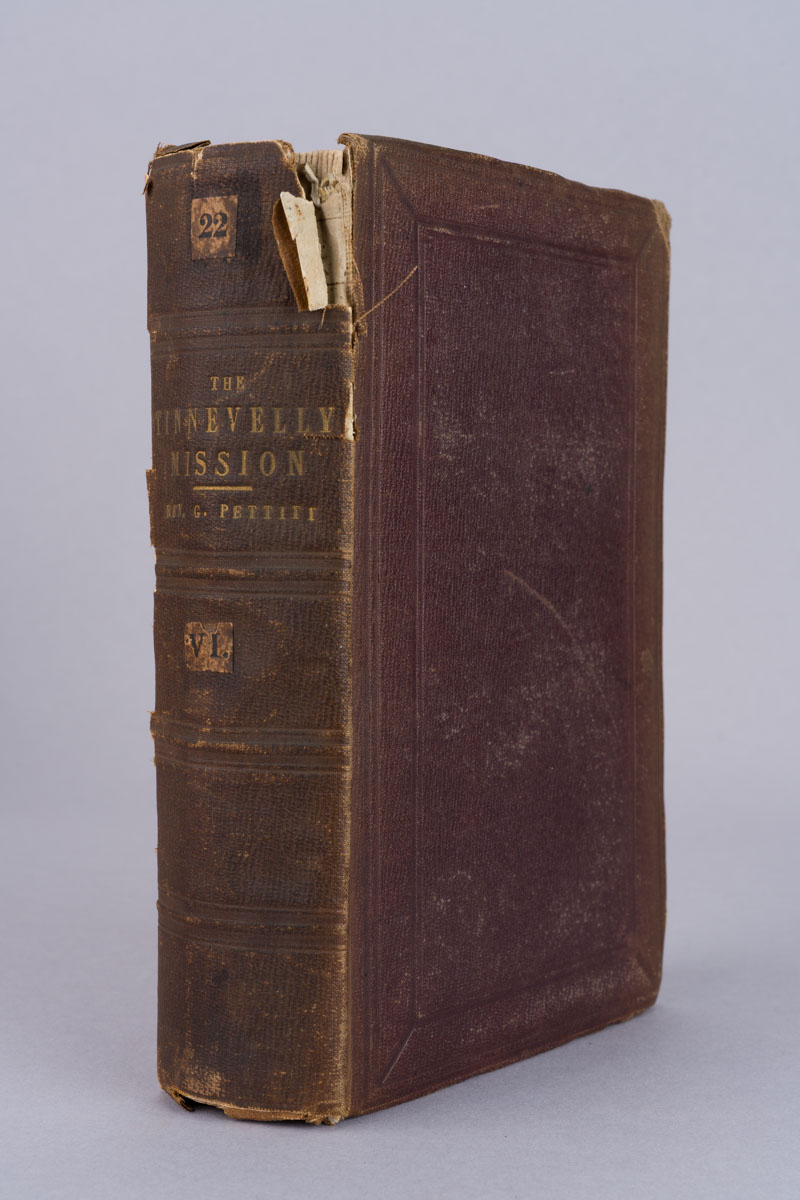
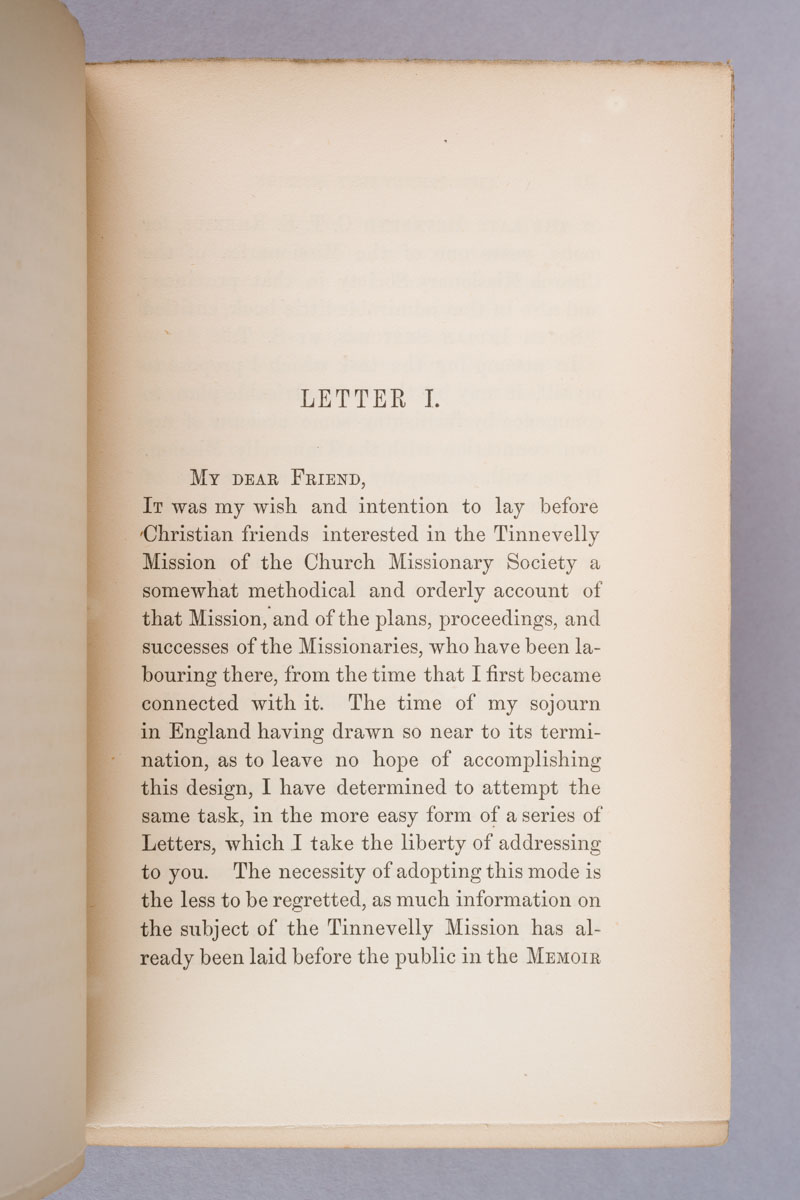
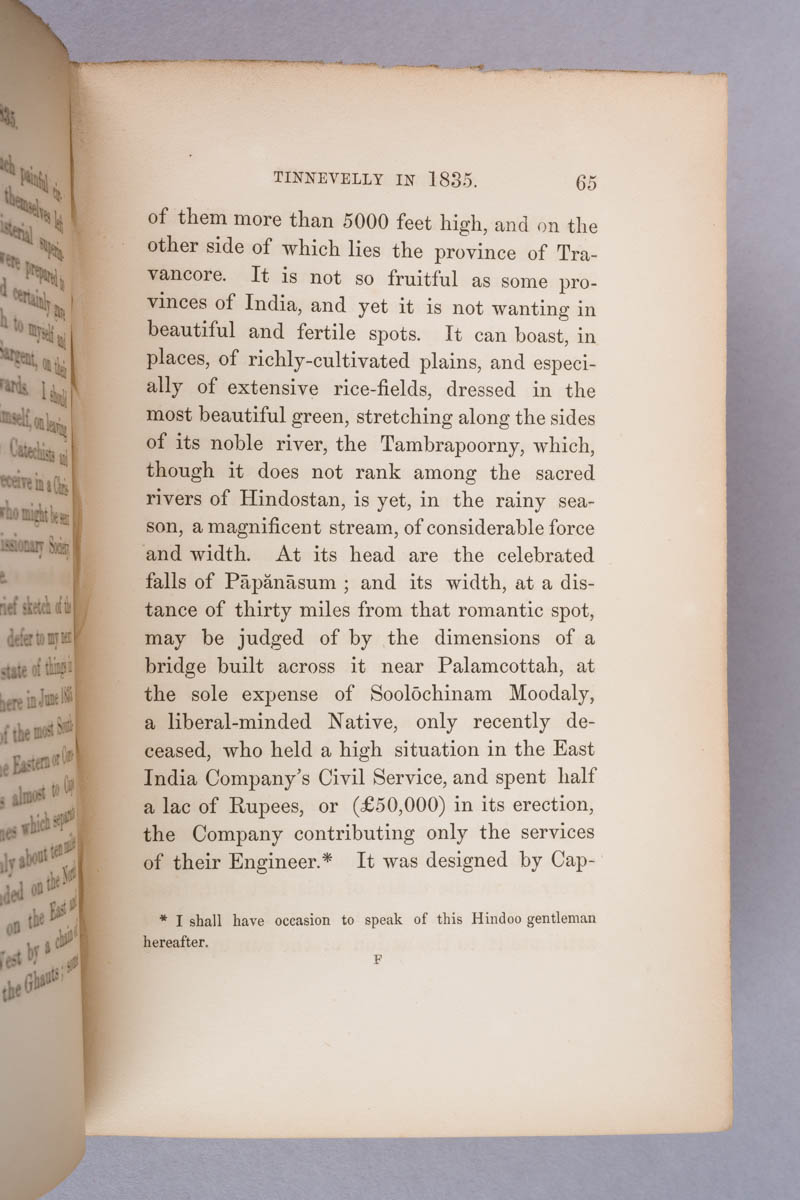
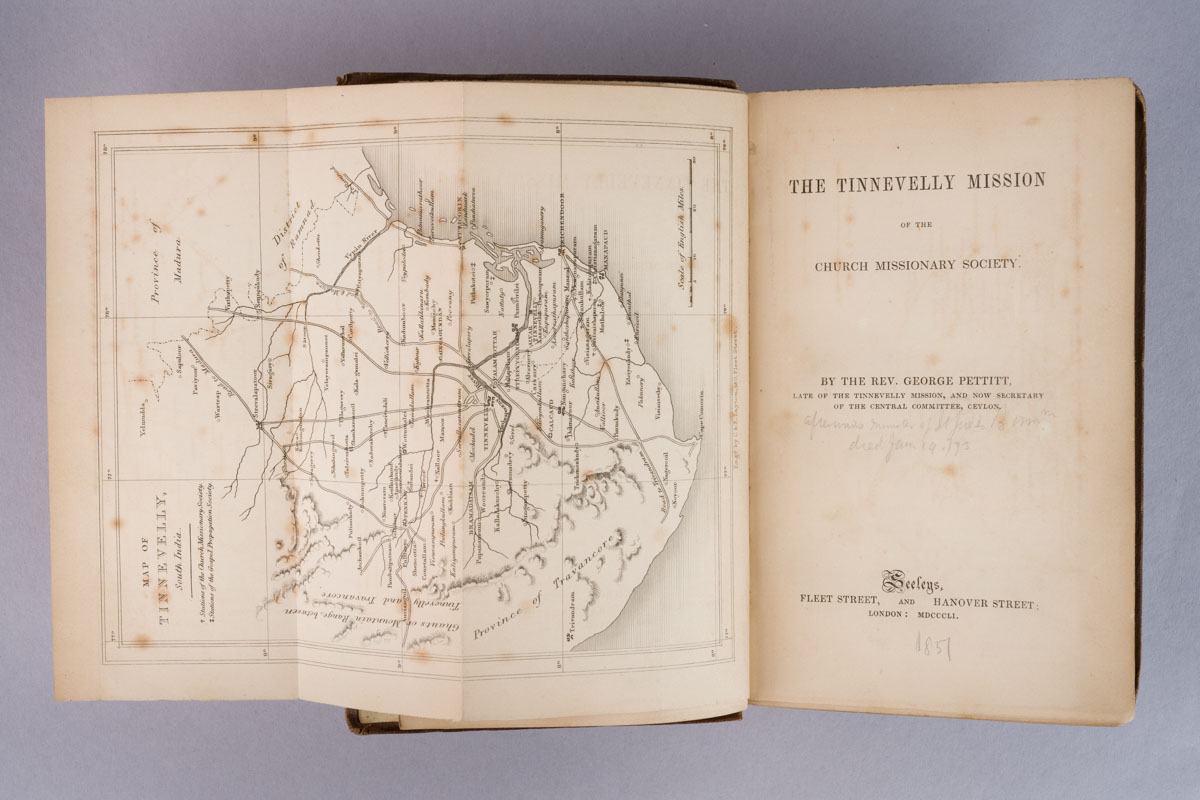
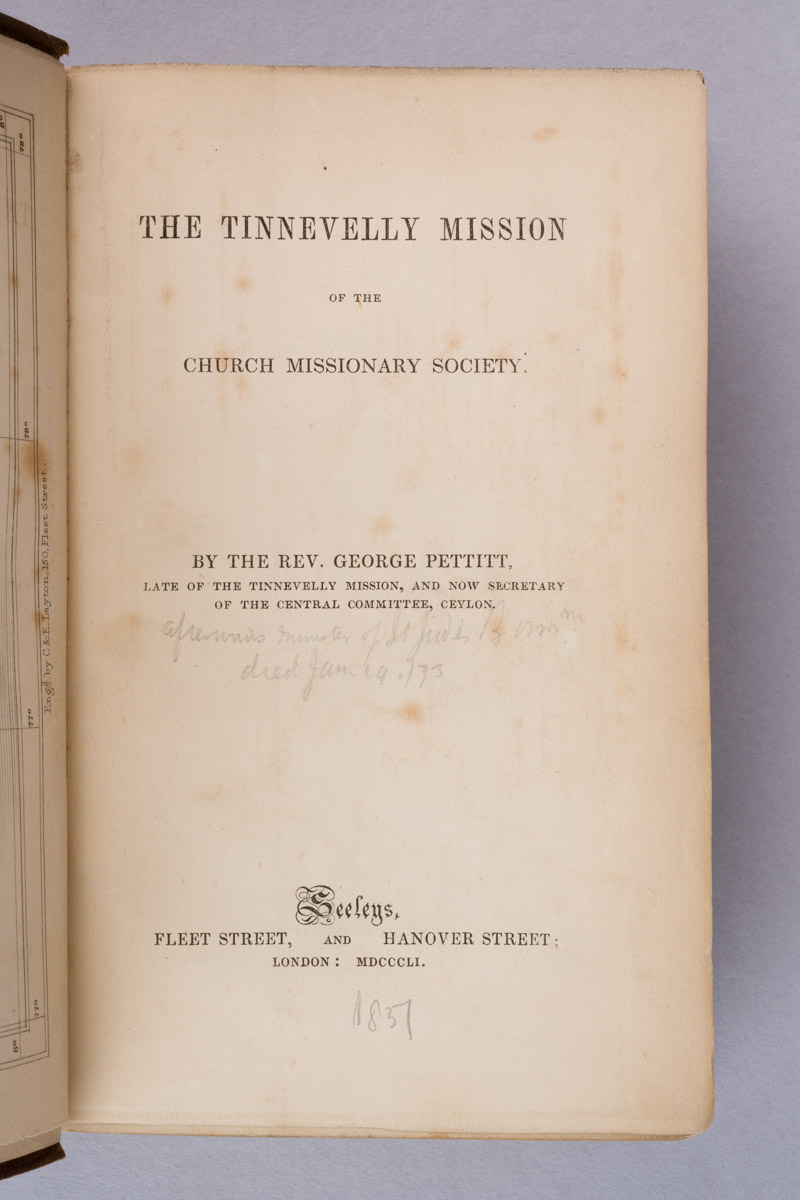
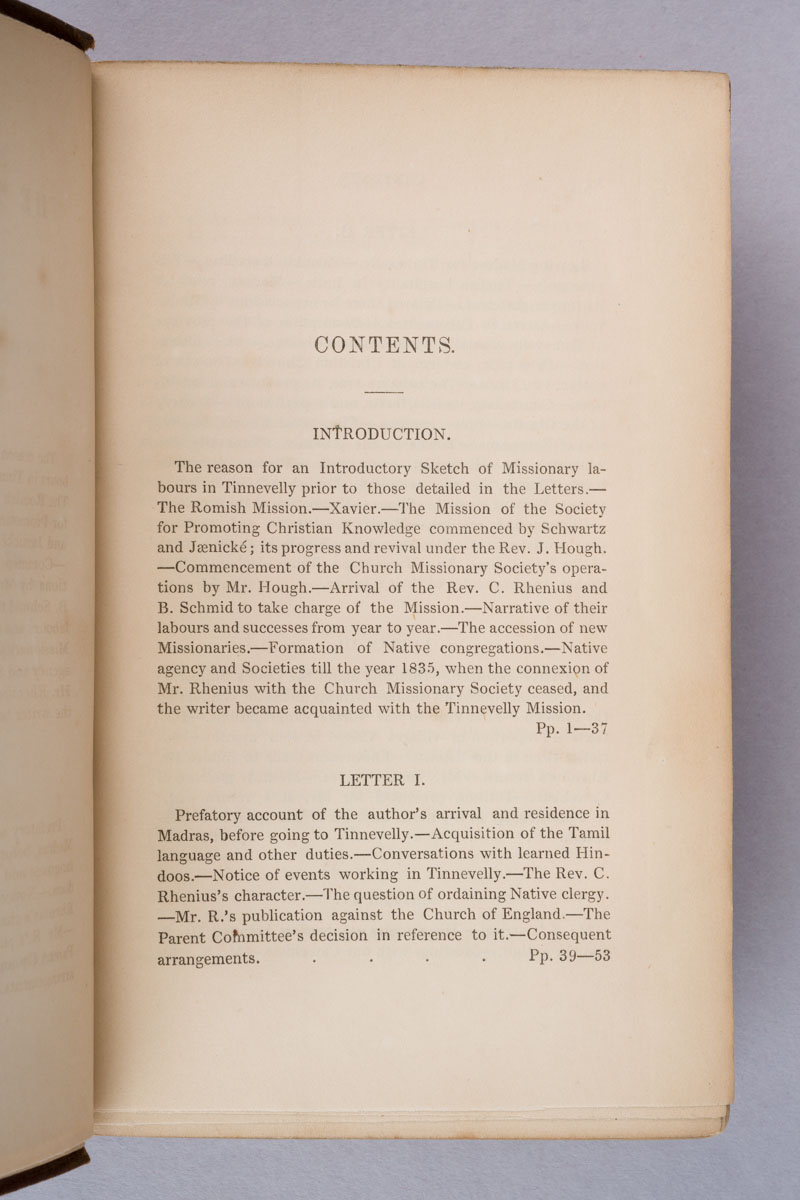
Published in 1851, his book records the personalities, communities, disputes and development of the mission during a formative period in the religious and social history of southern India.
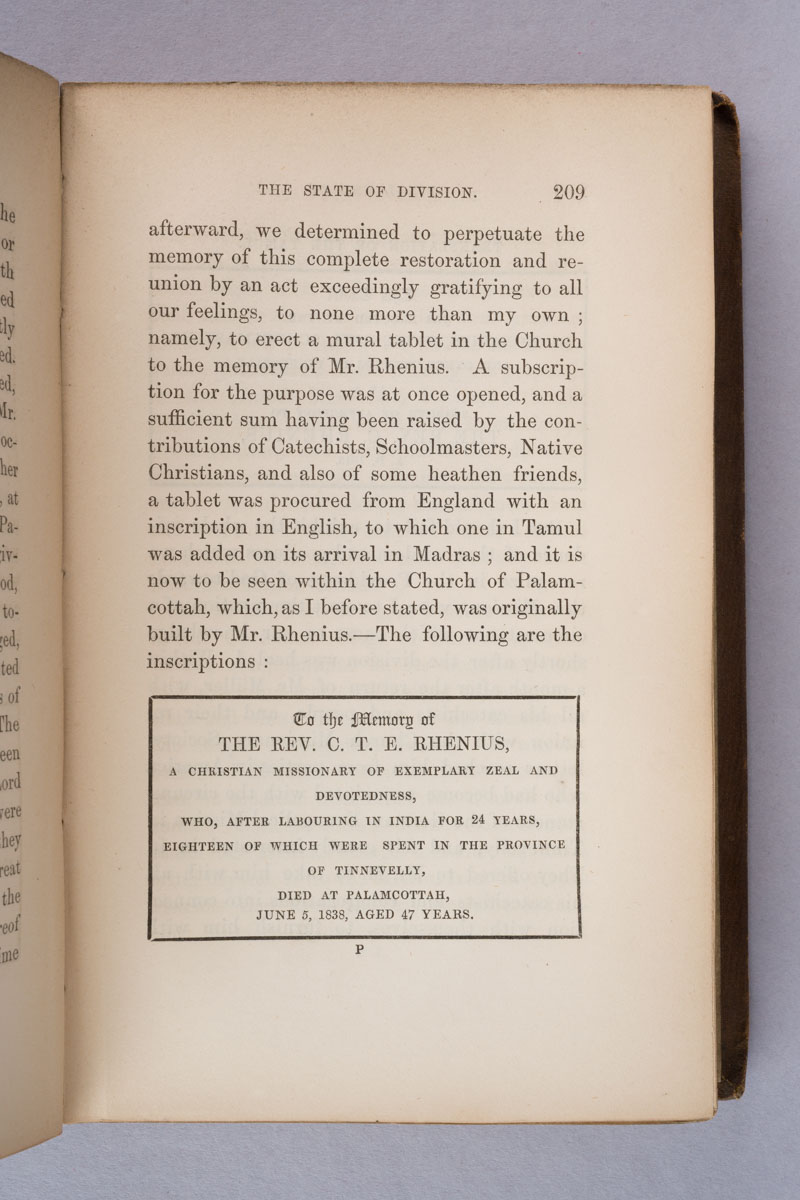
Among the figures discussed is the German-born missionary C. T. E. Rhenius, who worked in India for twenty-four years, eighteen of them in Tinnevelly. Pettitt records both Rhenius’s work and the divisions that followed, providing a contemporary account of the internal complexities of nineteenth-century missionary expansion.
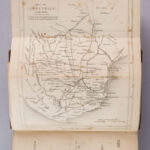
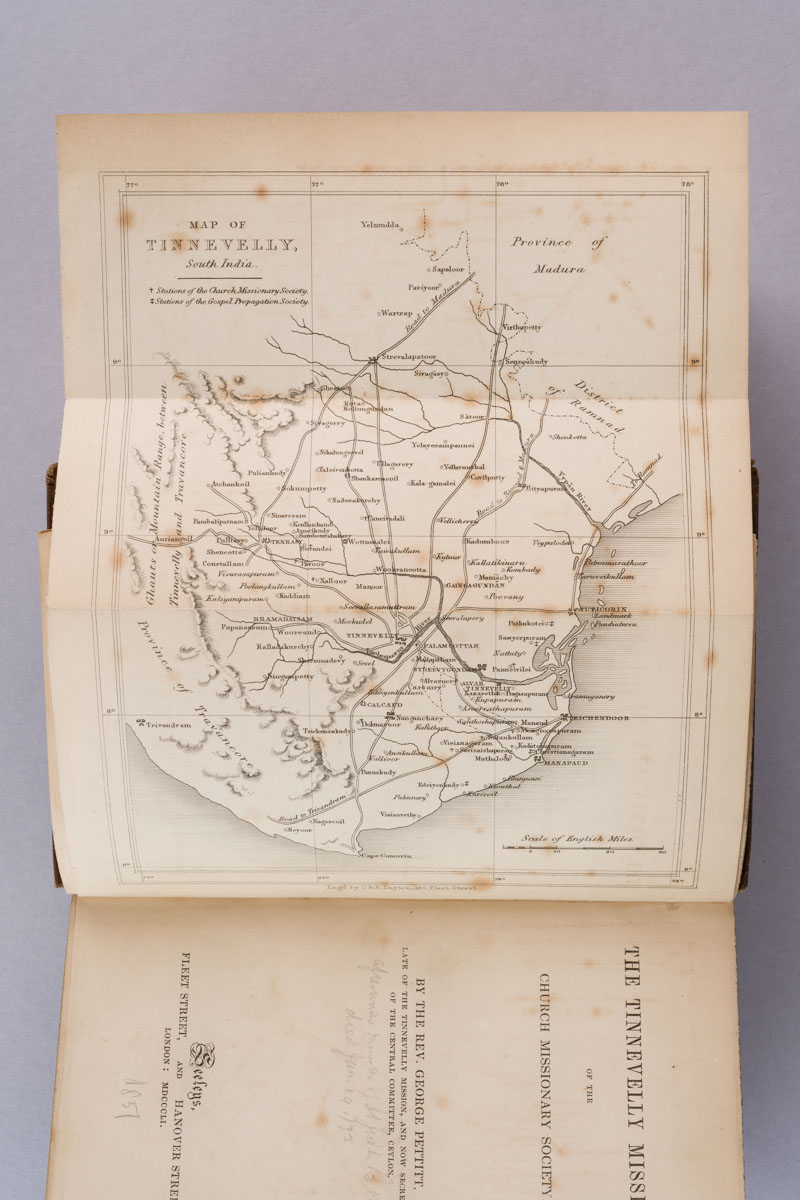
The folding map gives the narrative a physical geography. Rather than simply describing an abstract “mission field”, it identifies the towns, villages and routes across which the missionaries operated.
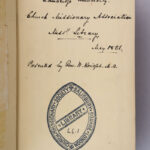
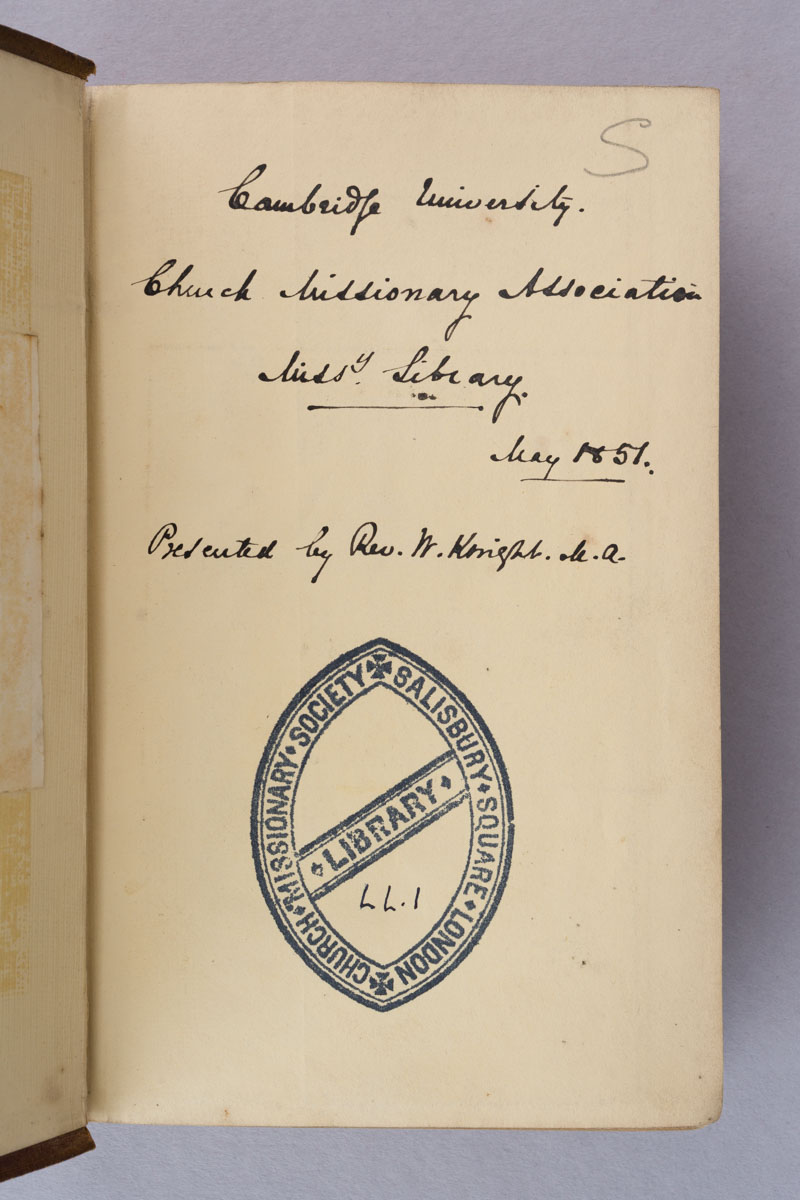
This particular copy then acquired a second history of its own.
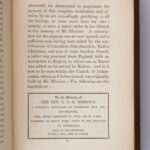
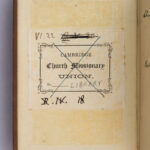
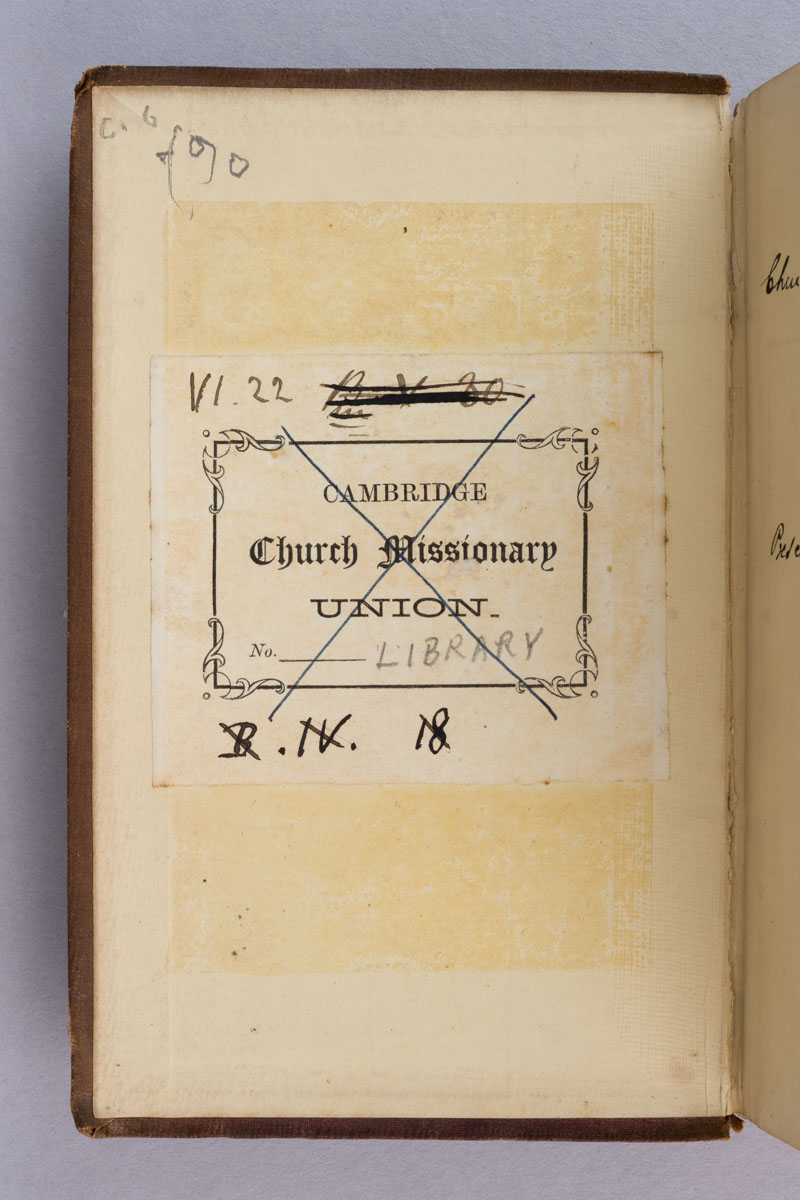
By May 1857, it was associated with the Cambridge University Church Missionary Association, and it subsequently entered the library of the Church Missionary Society. The surviving inscriptions, library label and institutional stamp therefore document the book’s continued use within the very missionary movement whose history it records.
It is consequently both a book about missionary activity in India and an artefact that circulated within the British missionary establishment itself.
The combination of subject, map and provenance makes this considerably more interesting than a routine Victorian theological volume.
It is a first edition primary source for nineteenth-century southern India, written by a participant in the Tinnevelly Mission and published only six years before the Indian Rebellion of 1857.
The folding Map of Tinnevelly adds important visual and geographical context and substantially enhances the book’s research and collecting interest.
Most compellingly, the surviving Cambridge and Church Missionary Society markings provide tangible provenance connecting this copy directly with the institutional world responsible for British missionary activity overseas.
For collectors of British India, Tamil Nadu, missionary history, colonial history, Cambridge associations or nineteenth-century travel and ethnography, it is an unusually evocative survival.