During the middle of the eighteenth century Europe witnessed an extraordinary intellectual transformation known as the Enlightenment. Many philosophers challenged established religious belief, while others sought to reconcile reason with Christianity rather than abandon it altogether.
Jean-Henri-Samuel Formey (1711–1797) became one of the leading Protestant intellectuals of the period. A French Huguenot refugee who settled in Berlin, Formey served as Secretary of the Royal Academy of Sciences under Frederick the Great and became one of the most prolific philosophical writers of his generation.
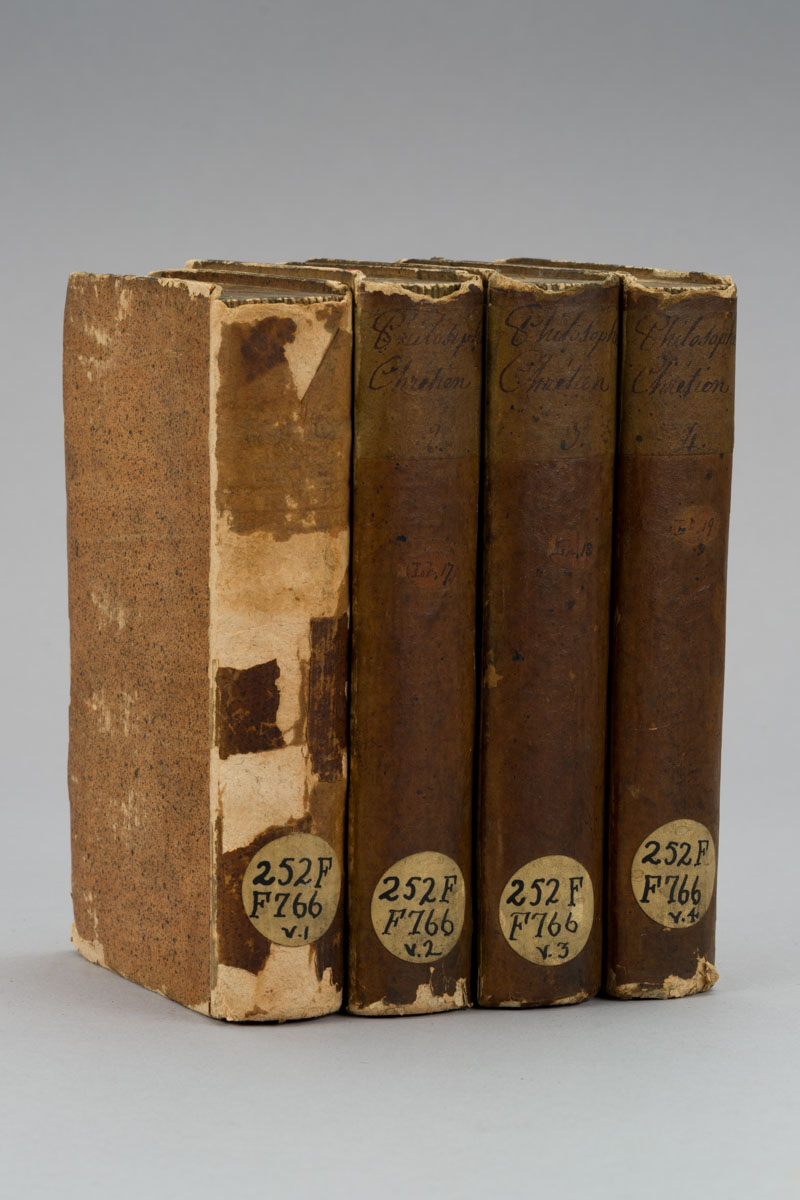
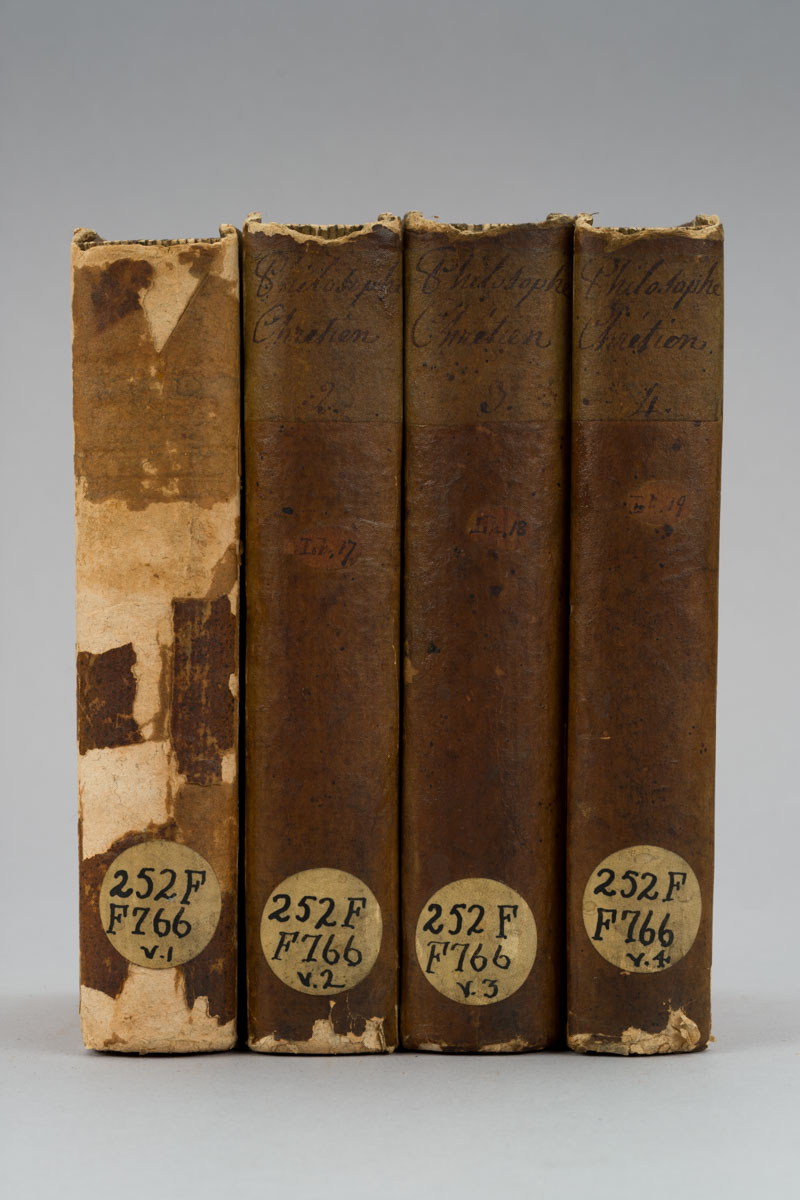
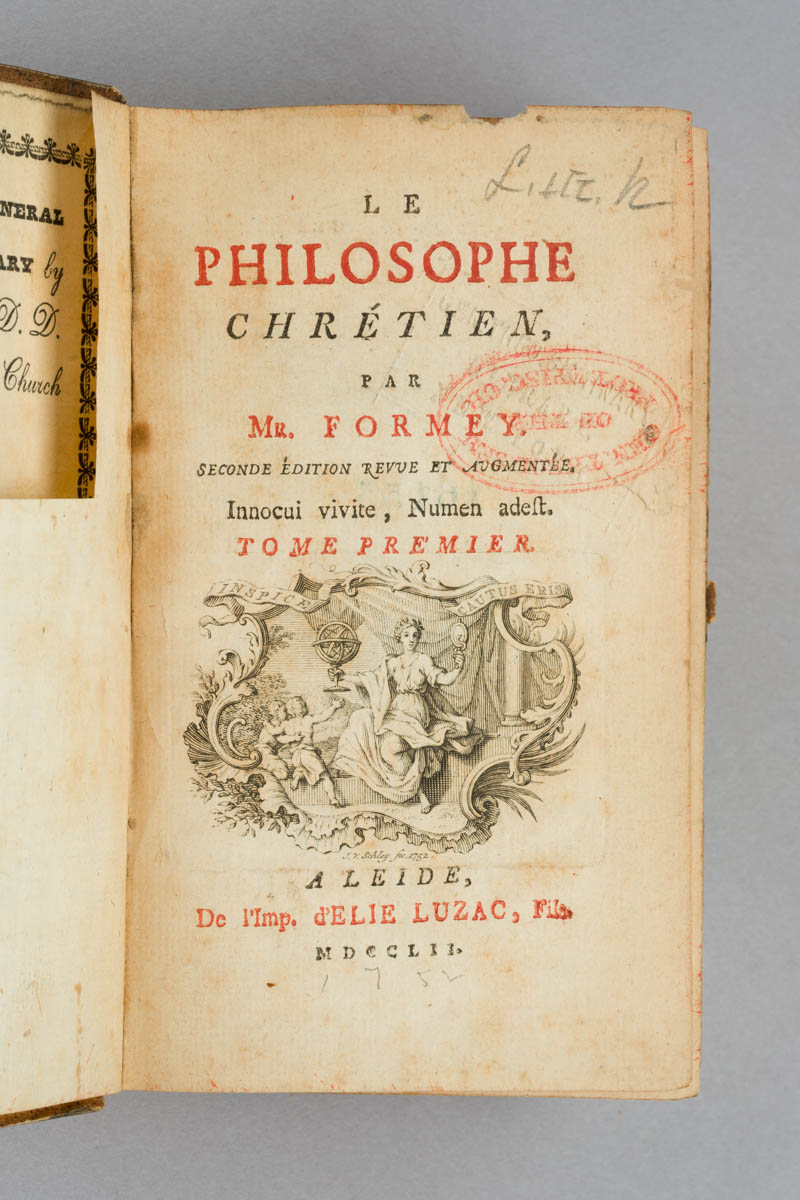
Le Philosophe Chrétien represents one of his most influential moral works. Rather than attacking religion, Formey argues that philosophy and Christian faith should strengthen one another. Throughout these volumes he explores ethics, virtue, education, society, personal conduct and moral responsibility using the rational style that defined the Enlightenment.
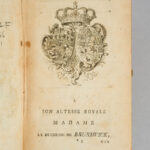
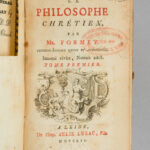
Printed by the renowned Leiden publisher Elie Luzac, the work reflects the important role of the Dutch Republic as one of Europe’s greatest centres of free intellectual publishing during the eighteenth century
Collectors increasingly recognise that the Enlightenment was not solely represented by Voltaire, Rousseau and Diderot. Equally important were writers like Formey who sought to preserve Christian ethics while embracing reason and scholarship.
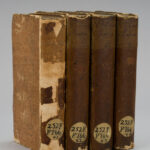
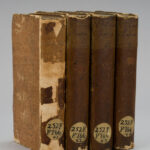
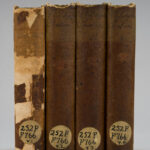
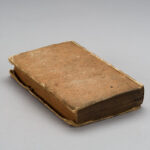
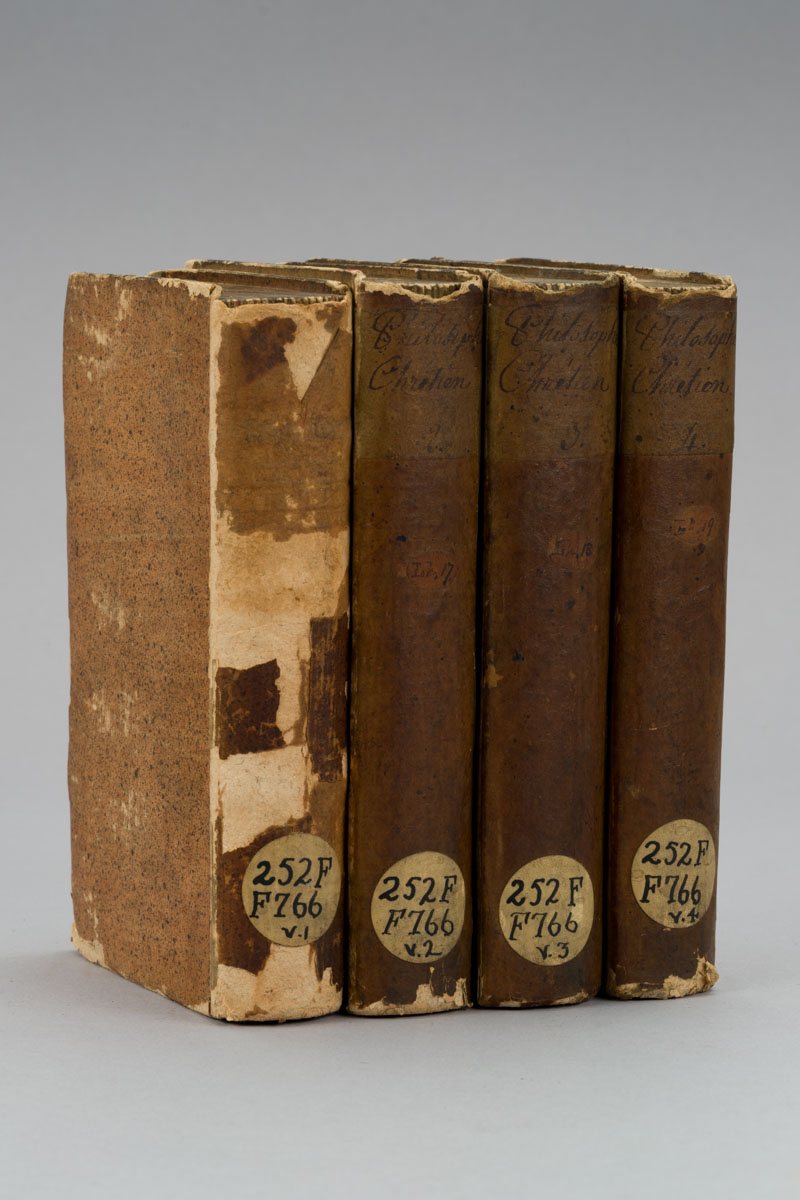
This complete four-volume set offers:
- an important Enlightenment philosophical work
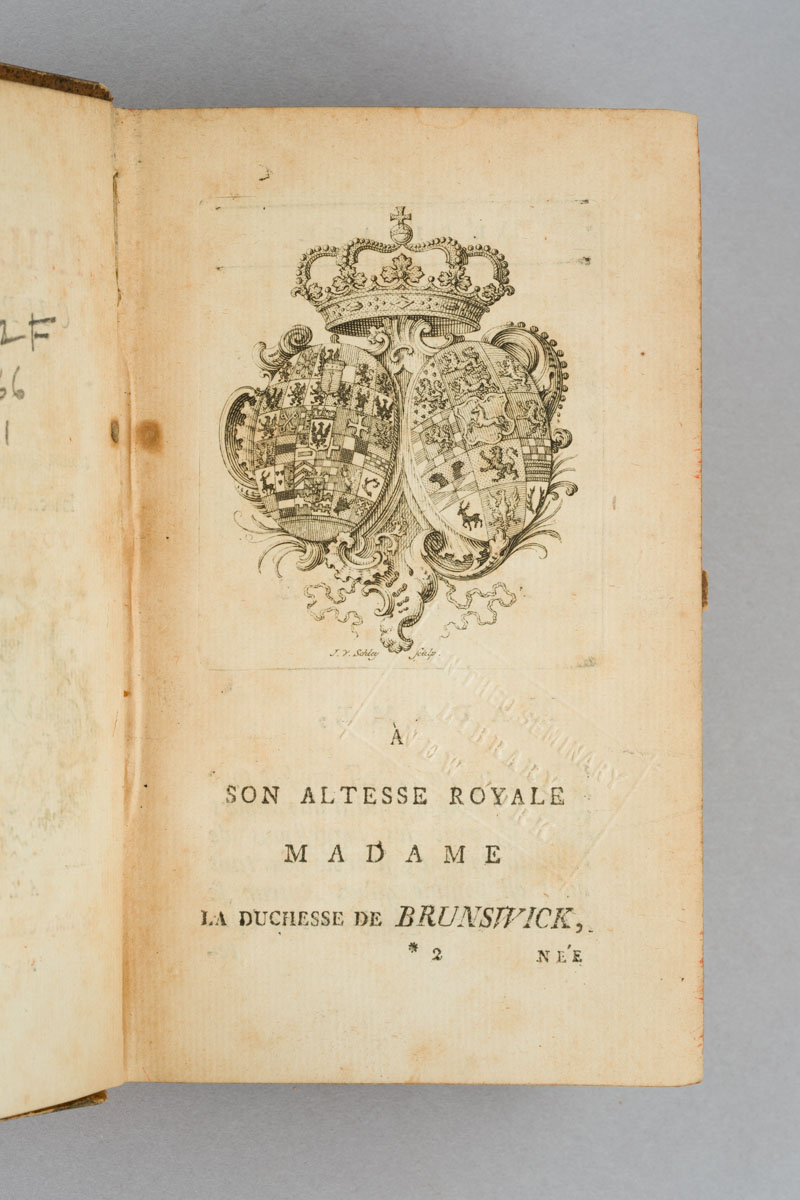
- complete original eighteenth-century publication
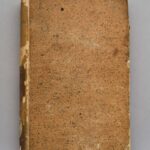
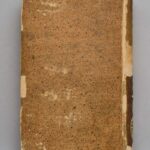
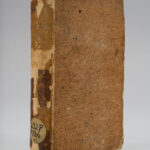
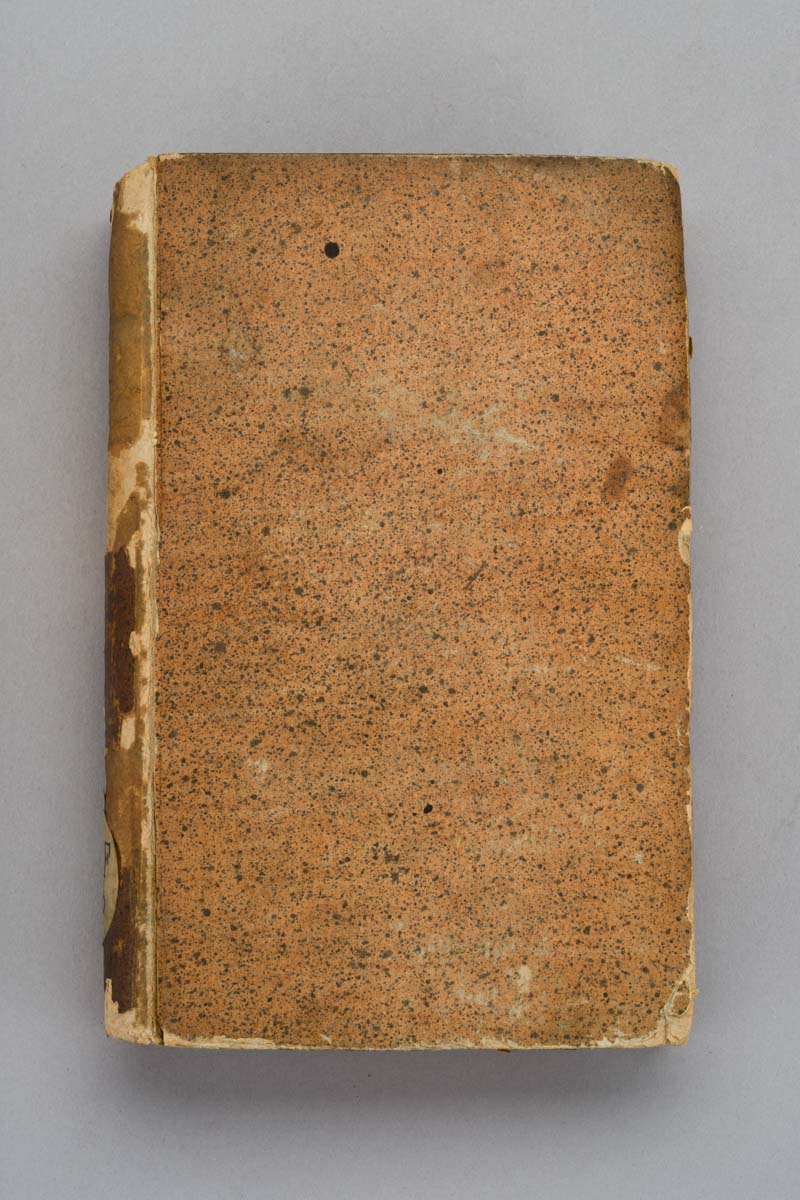
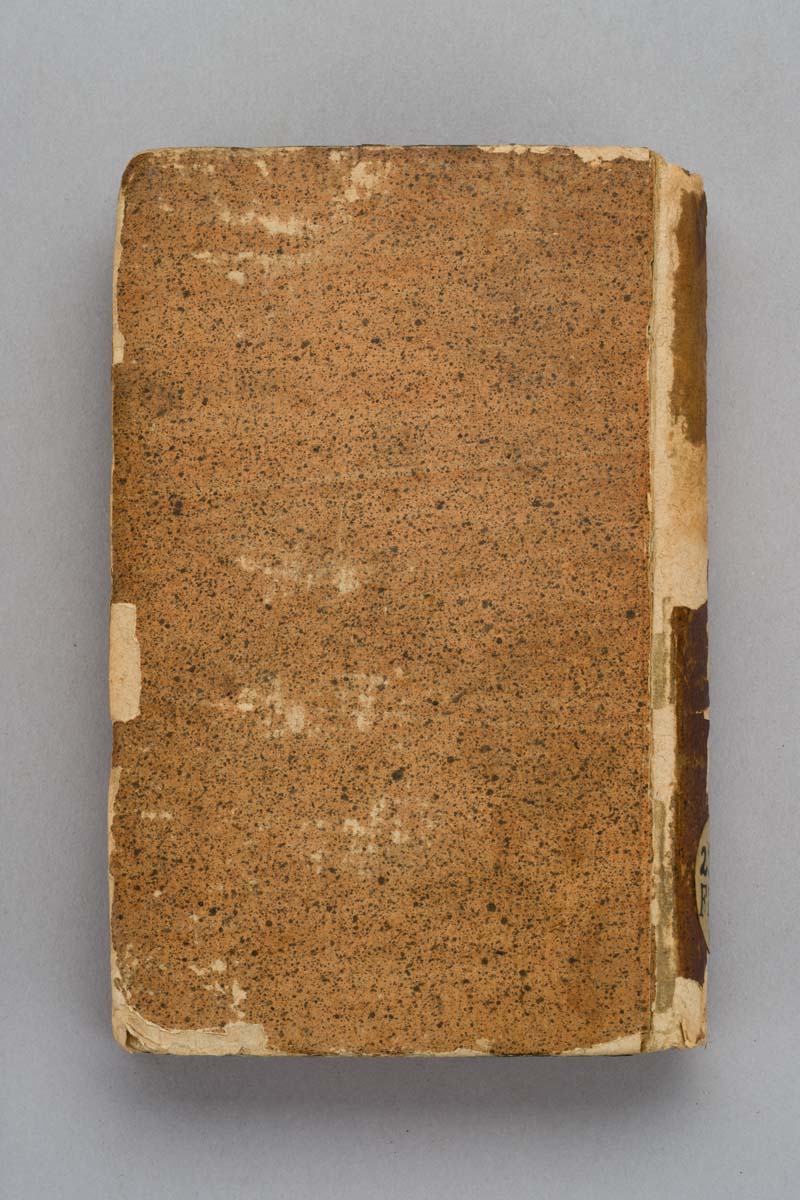
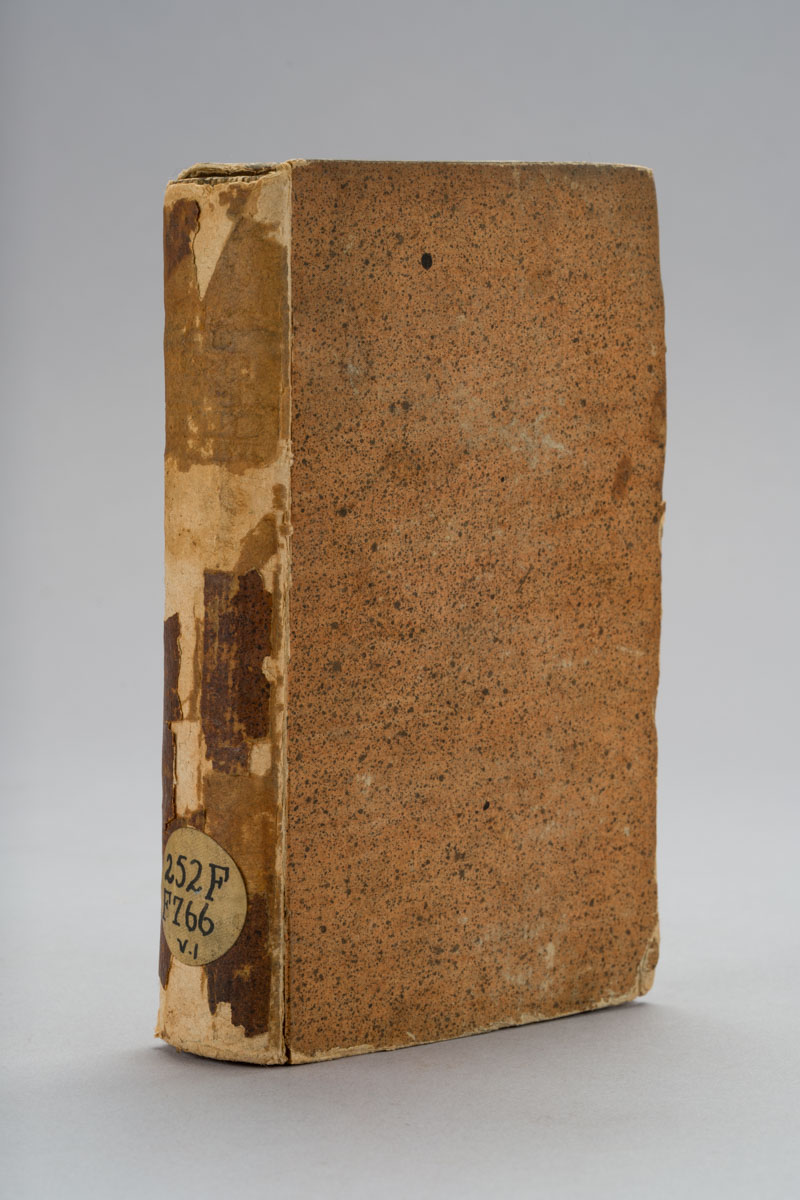
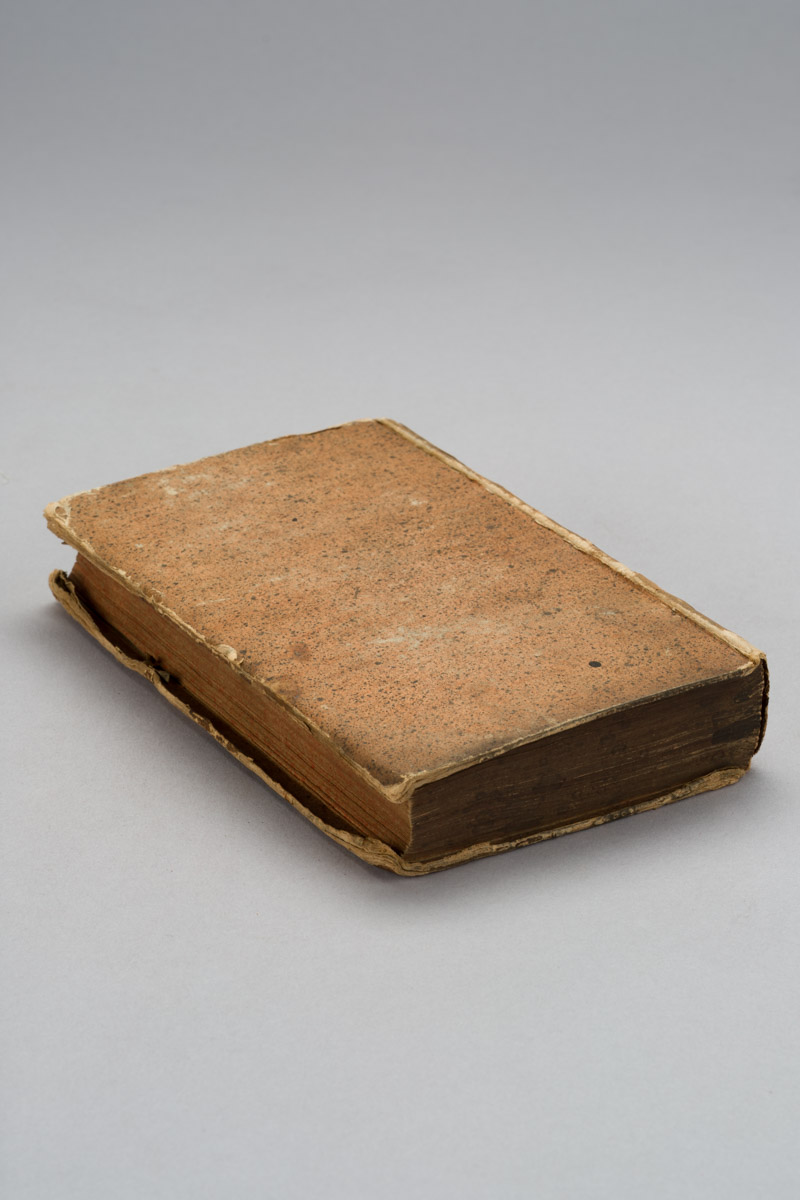
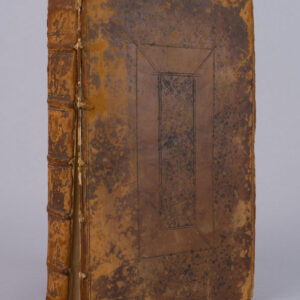
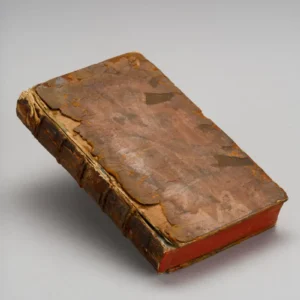
- contemporary bindings
- printing by the celebrated Leiden house of Elie Luzac
- an increasingly uncommon survival in complete form
- strong appeal to collectors of philosophy, theology and European intellectual history
For institutions and private collectors alike, it provides an excellent example of the rich dialogue between religion and reason that shaped eighteenth-century Europe.Leiden: Elie Luzac, 1752–1758.