Before Thomas Love Peacock became the celebrated satirist behind Nightmare Abbey, and before his friendship with Percy Bysshe Shelley, there was the Thames.
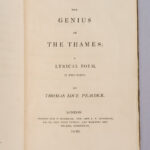
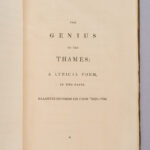
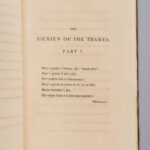
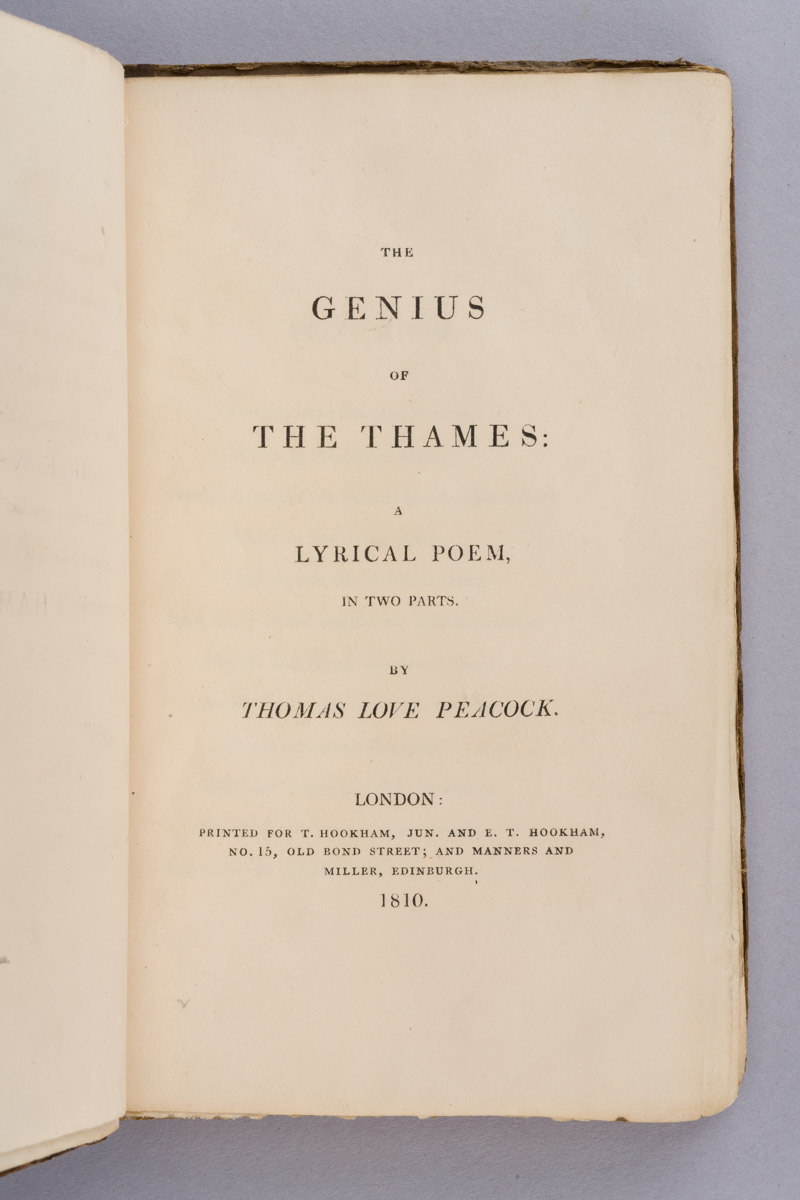
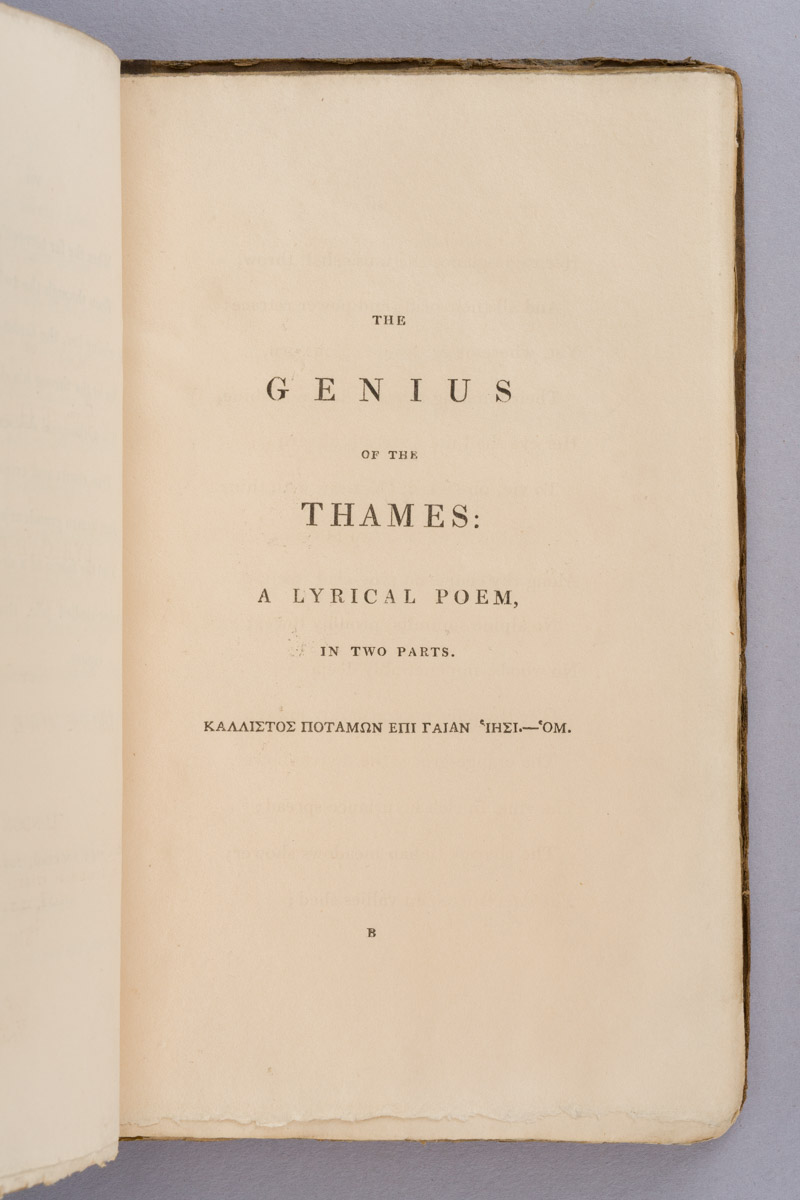
In 1809, the young Peacock undertook a journey along the river, travelling through the landscape that would inspire The Genius of the Thames. The resulting poem appeared the following year, in 1810, making this one of the works of Peacock’s formative literary period.
Peacock transforms the Thames into something more than a geographical feature. Classical gods and spirits mingle with English landscape and history, presenting the river as a living thread running through the nation’s cultural imagination.
The book is particularly interesting when viewed against Peacock’s later career. His friendship with Shelley, his celebrated satirical novels and his mature reputation all still lay ahead. Here we encounter Peacock before Peacock became famous — a young writer experimenting with poetry, landscape, mythology and history.
This particular copy adds another dimension.
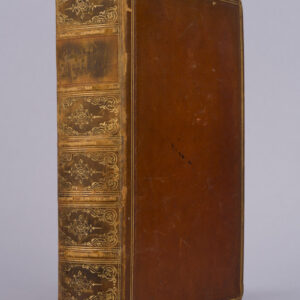
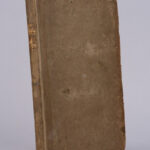
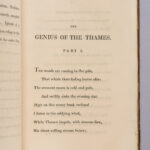
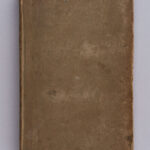
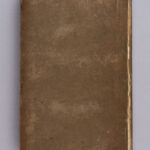
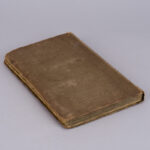
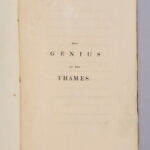
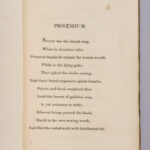
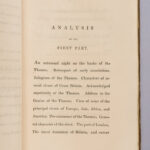
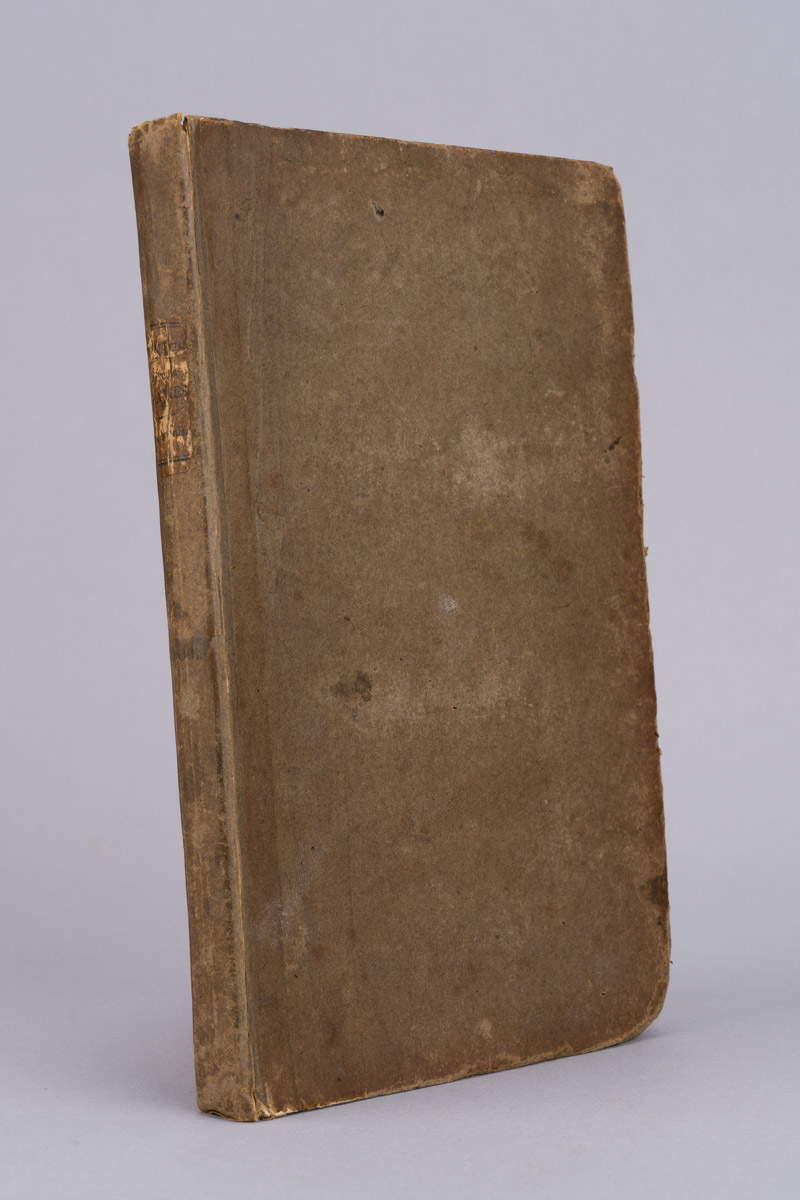
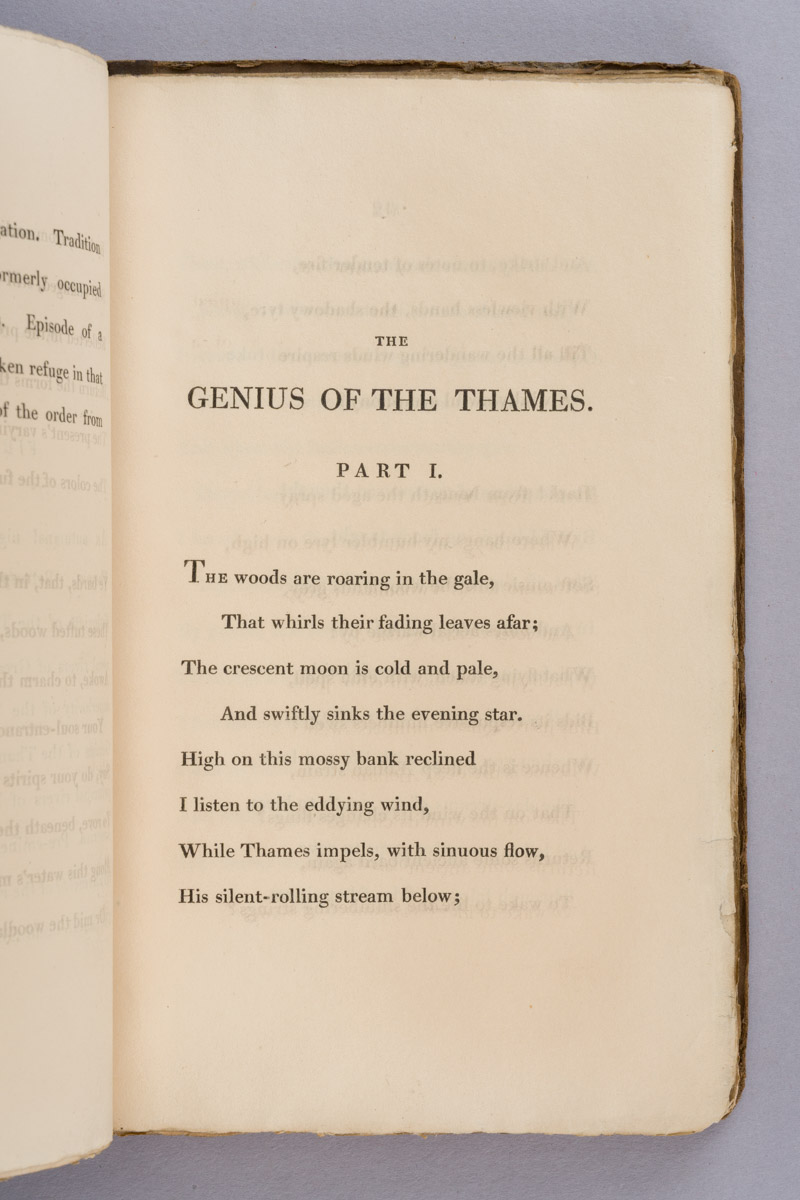
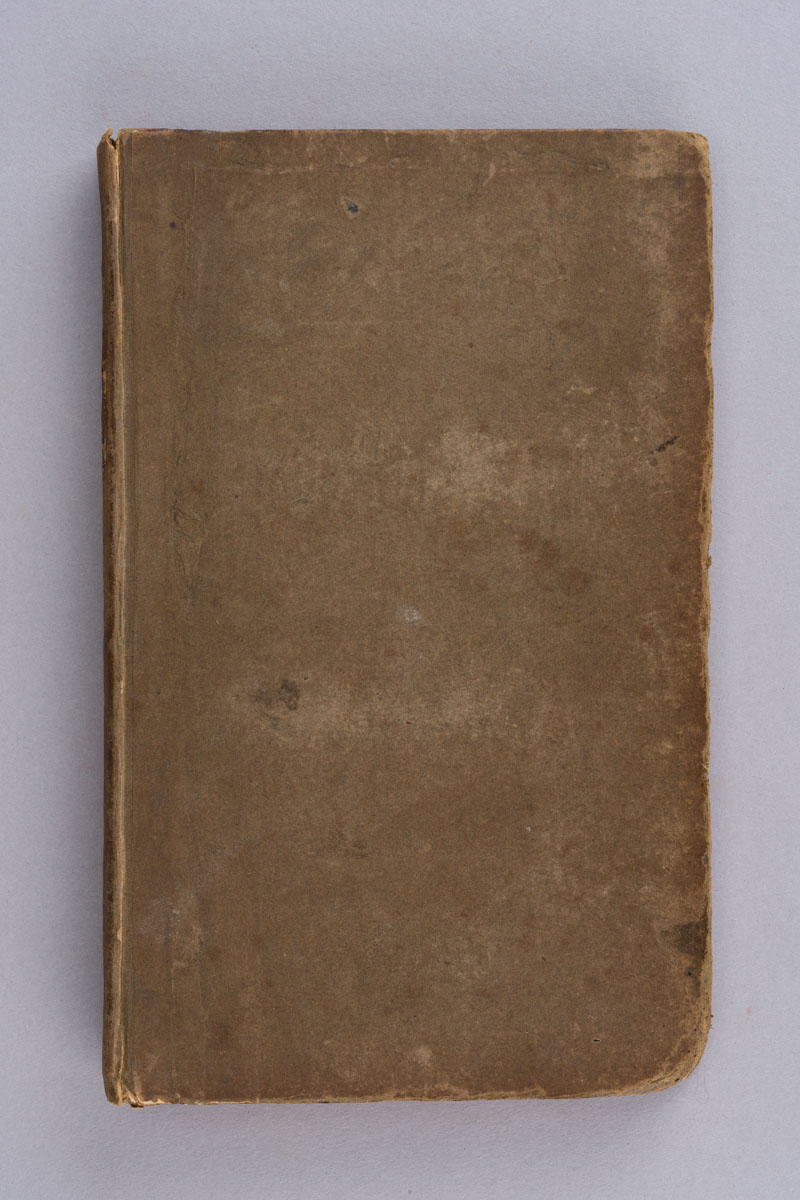
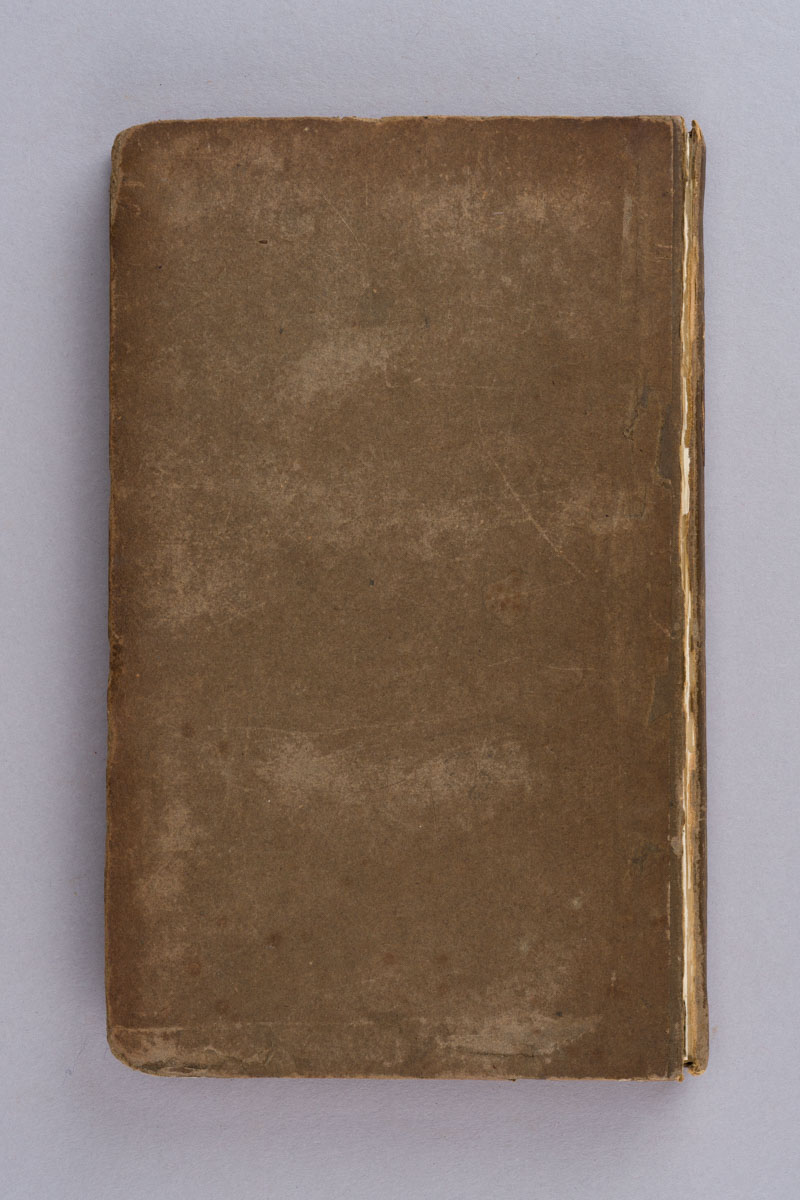
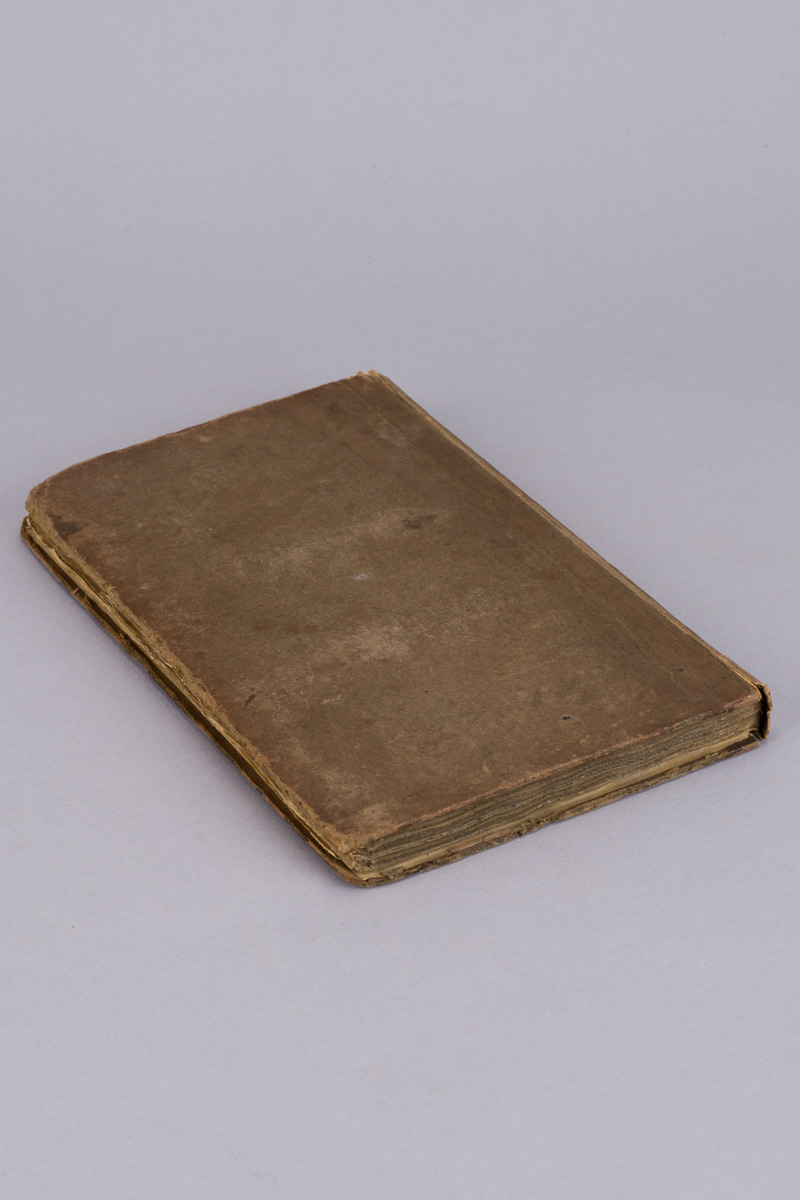
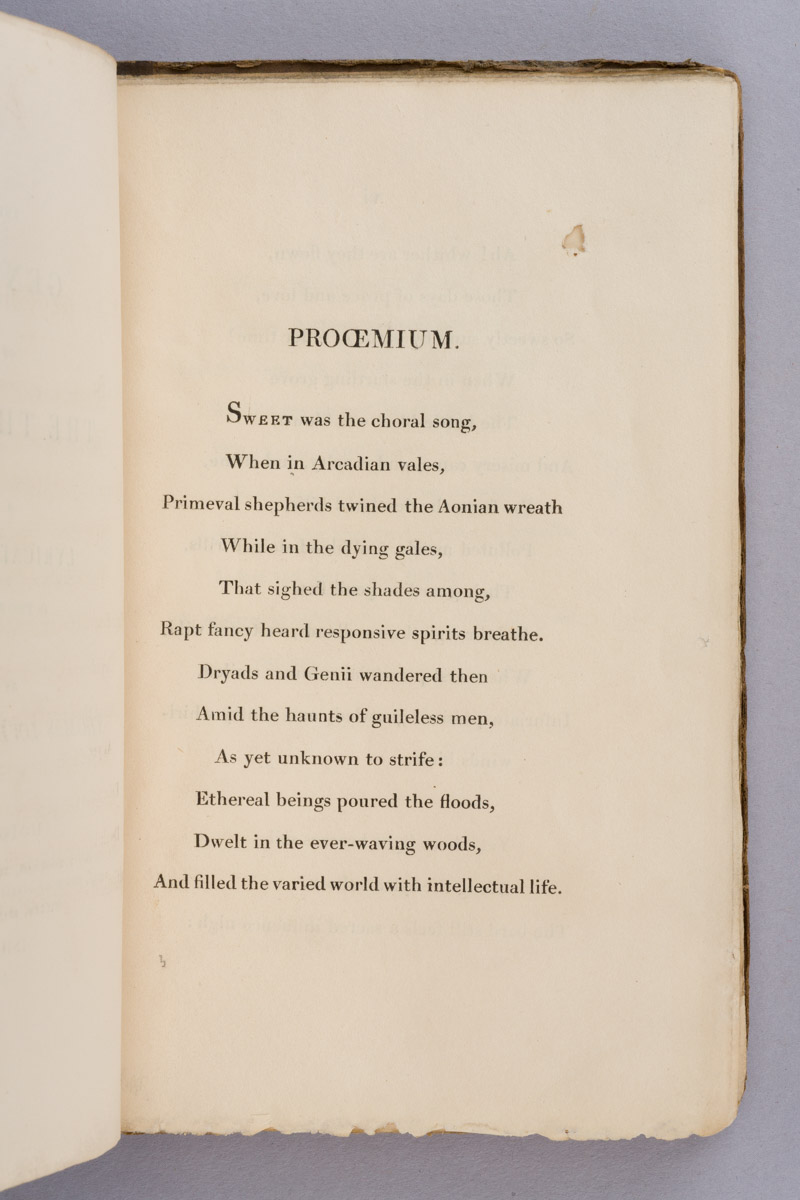
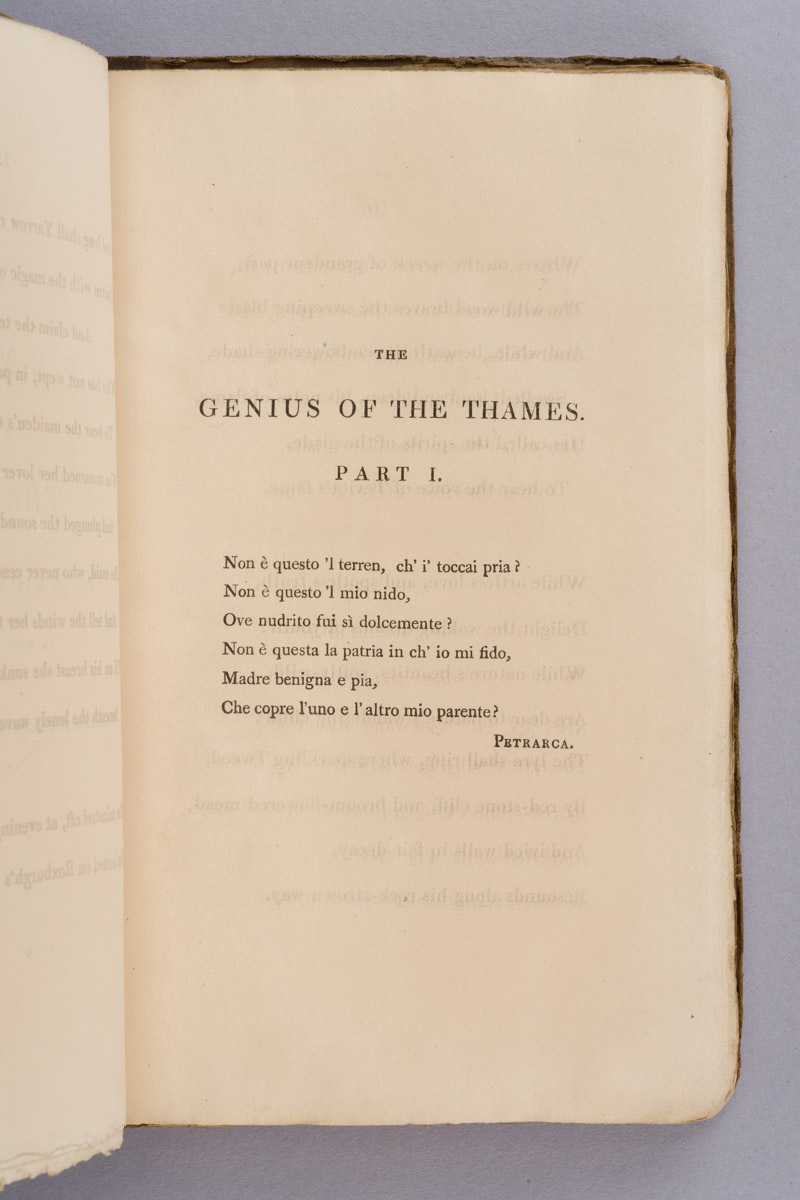
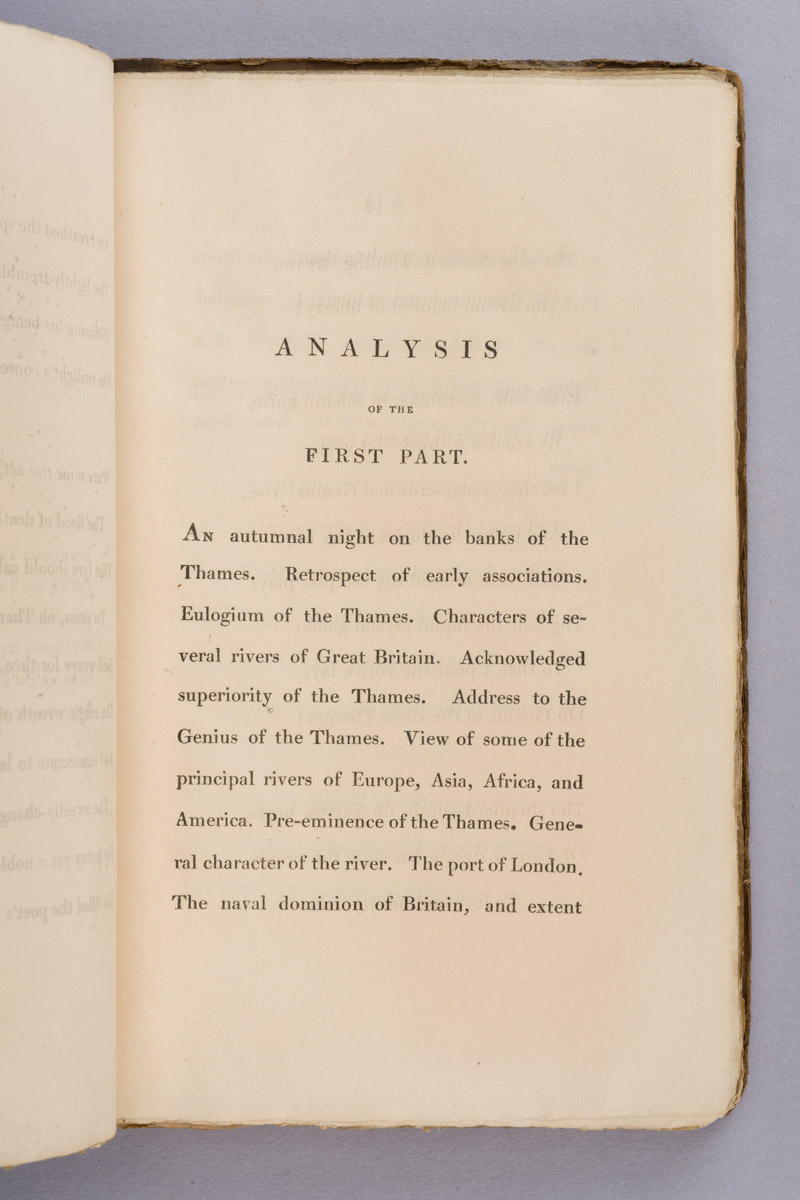
Unlike copies subsequently dressed in elaborate leather bindings, it survives in remarkably modest early boards, its pages retaining their irregular, untrimmed edges. It therefore gives the modern collector something close to the physical experience of an early nineteenth-century book as originally circulated.
This is a first edition of an early Thomas Love Peacock work, published in 1810 and preserved in an unusually evocative early state.
The principal attraction of this copy is not provenance — unlike the other ARB copy — but originality.
Its plain boards, surviving paper spine label and untrimmed text block retain considerably more evidence of the way books were originally produced and sold in the early nineteenth century.
For collectors of Romantic literature, Peacock is particularly interesting because of his close relationship with Percy Bysshe Shelley, while The Genius of the Thames predates that friendship and provides a window into Peacock’s development before his better-known satirical fiction.
It also creates an interesting opportunity within the ARB collection: two copies of the same 1810 first edition, each desirable for entirely different reasons — one for its exceptional Peacock-family association and decorative binding; this copy for its comparatively untouched early physical state.