£2,495.00
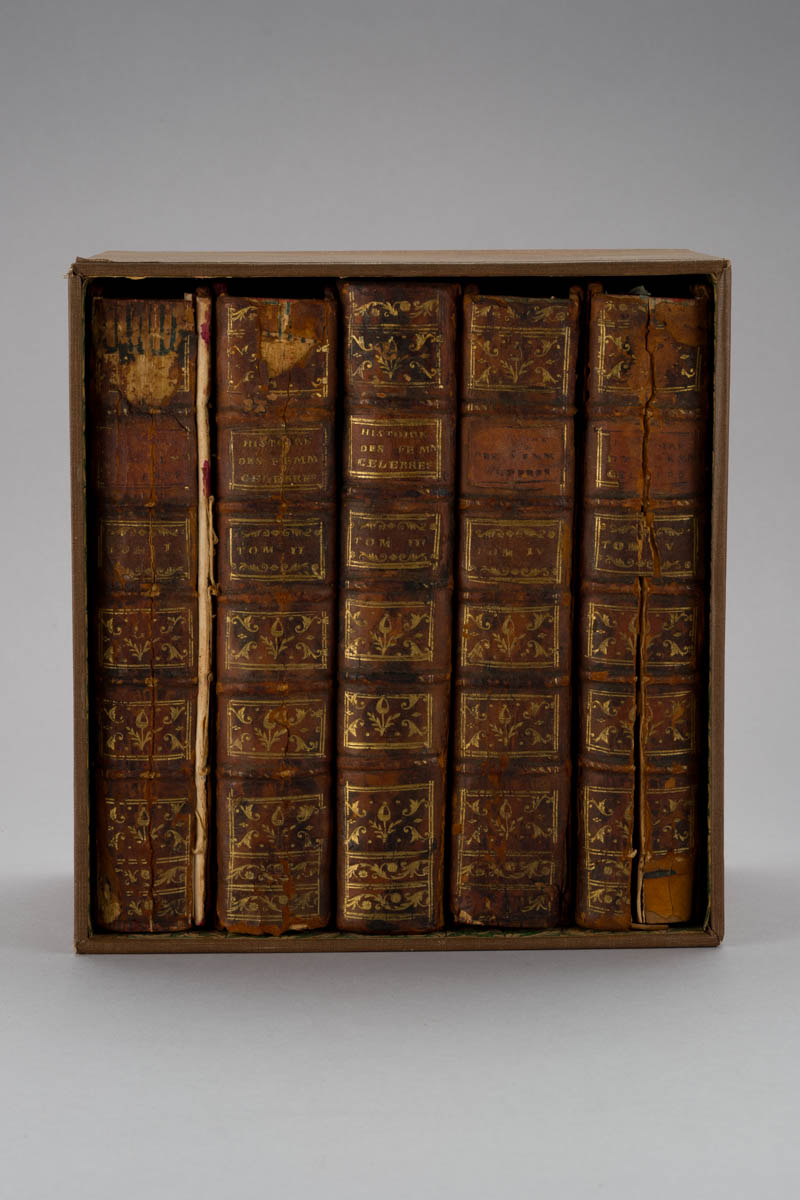
Paris, 1771. First edition, complete in five volumes. Joseph de La Porte’s remarkable Enlightenment history of women who achieved distinction in French literature, illustrated with an allegorical engraved frontispiece after De Sève. An unusually early substantial celebration of female literary achievement, published eighteen years before the French Revolution. Complete in five contemporary mottled-calf volumes with gilt-decorated spines, housed in a protective slipcase.
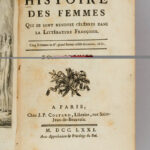
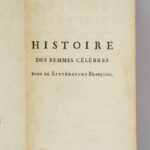
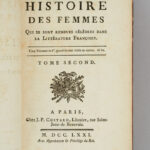
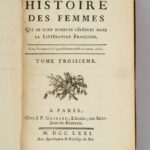
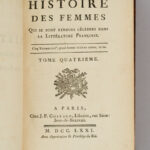
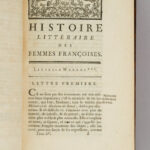
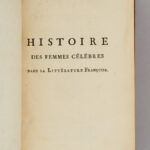
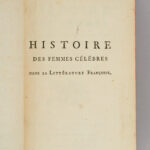
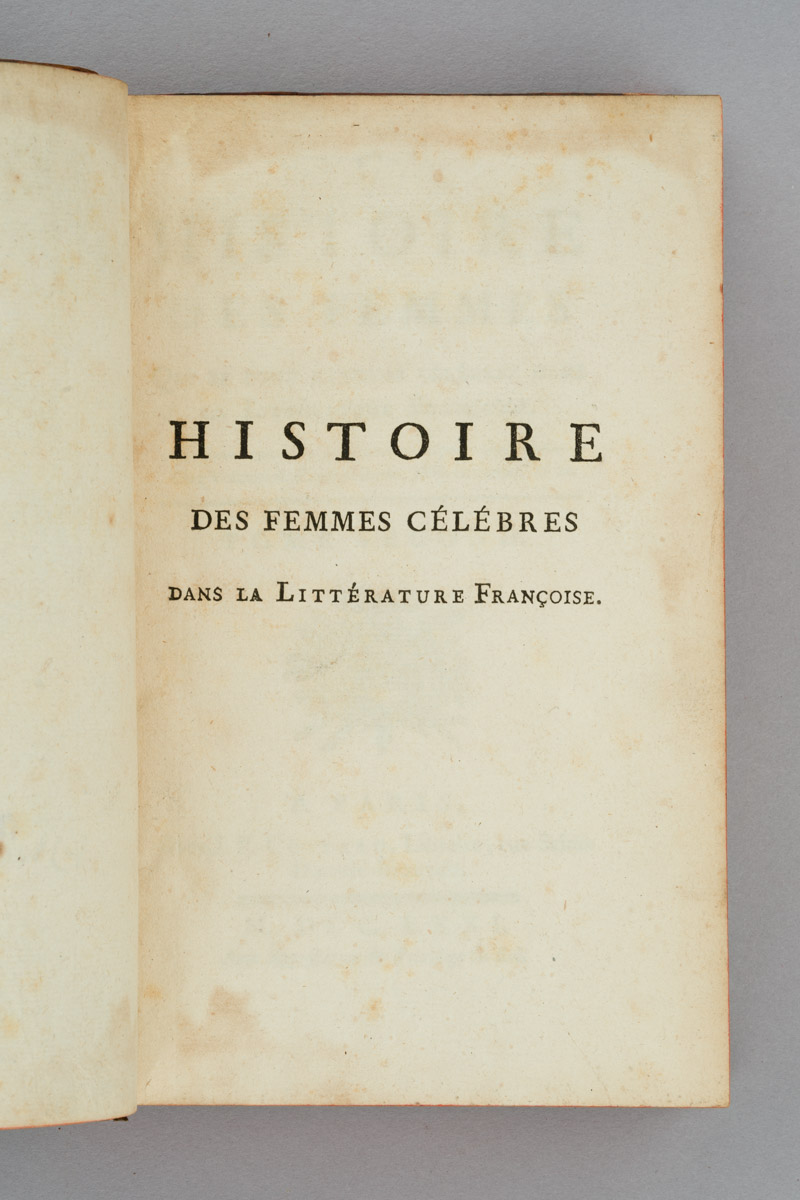
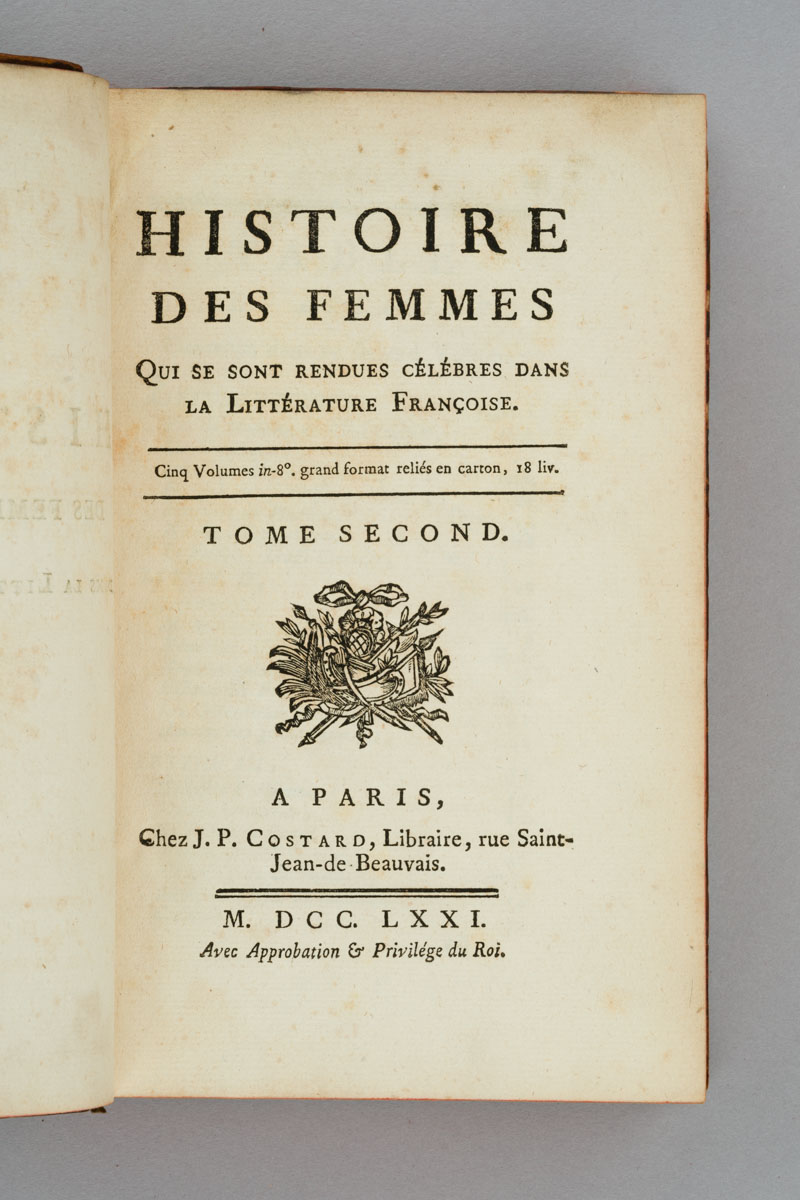
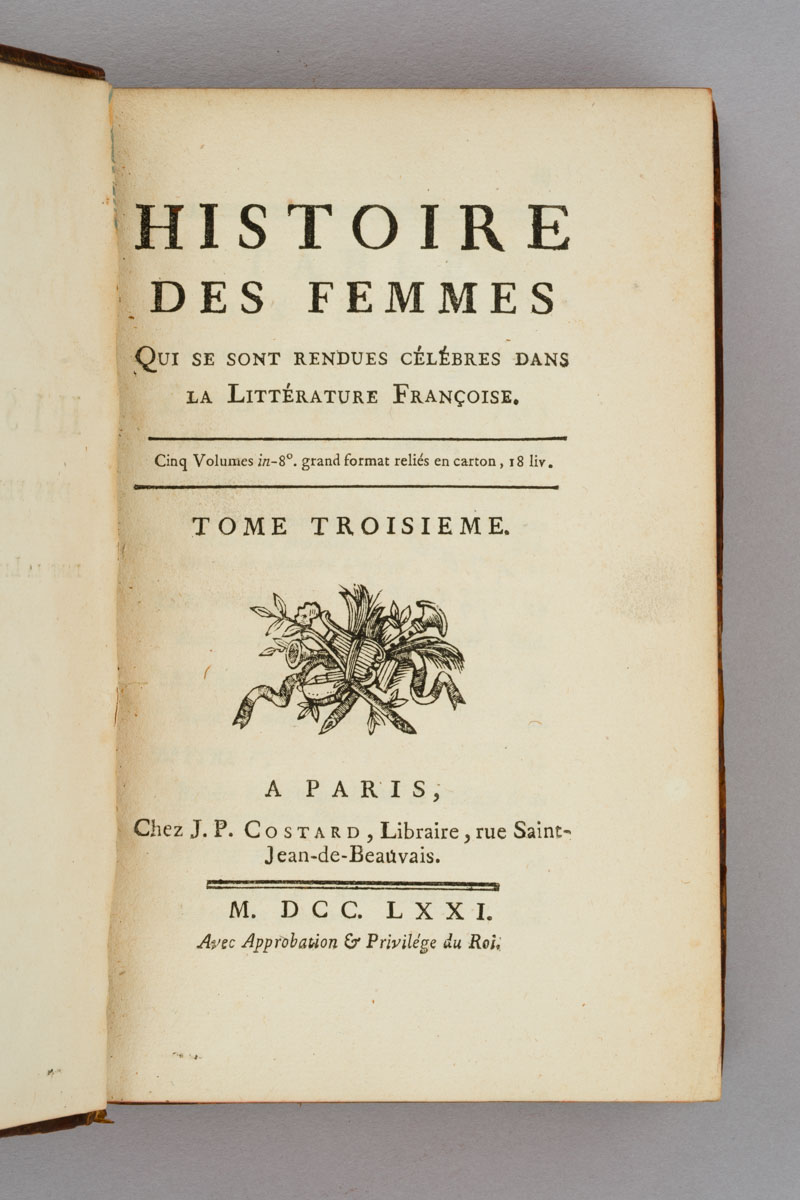
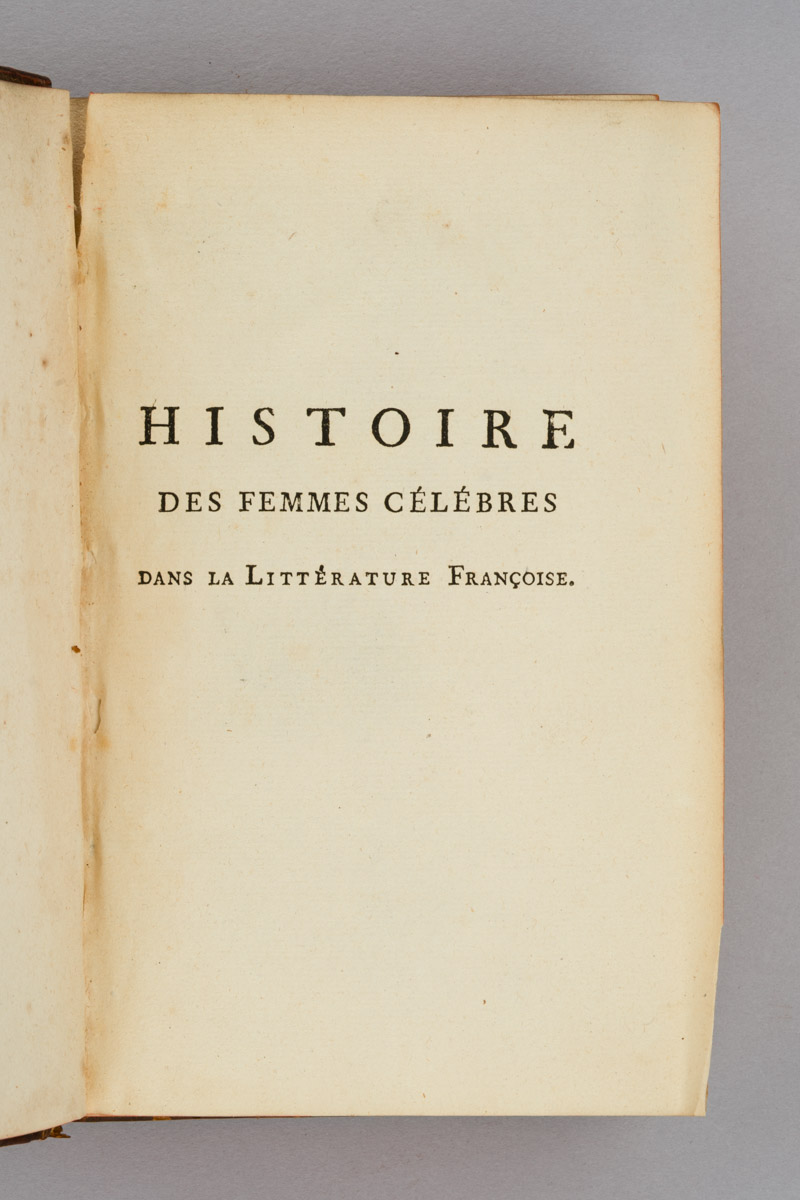
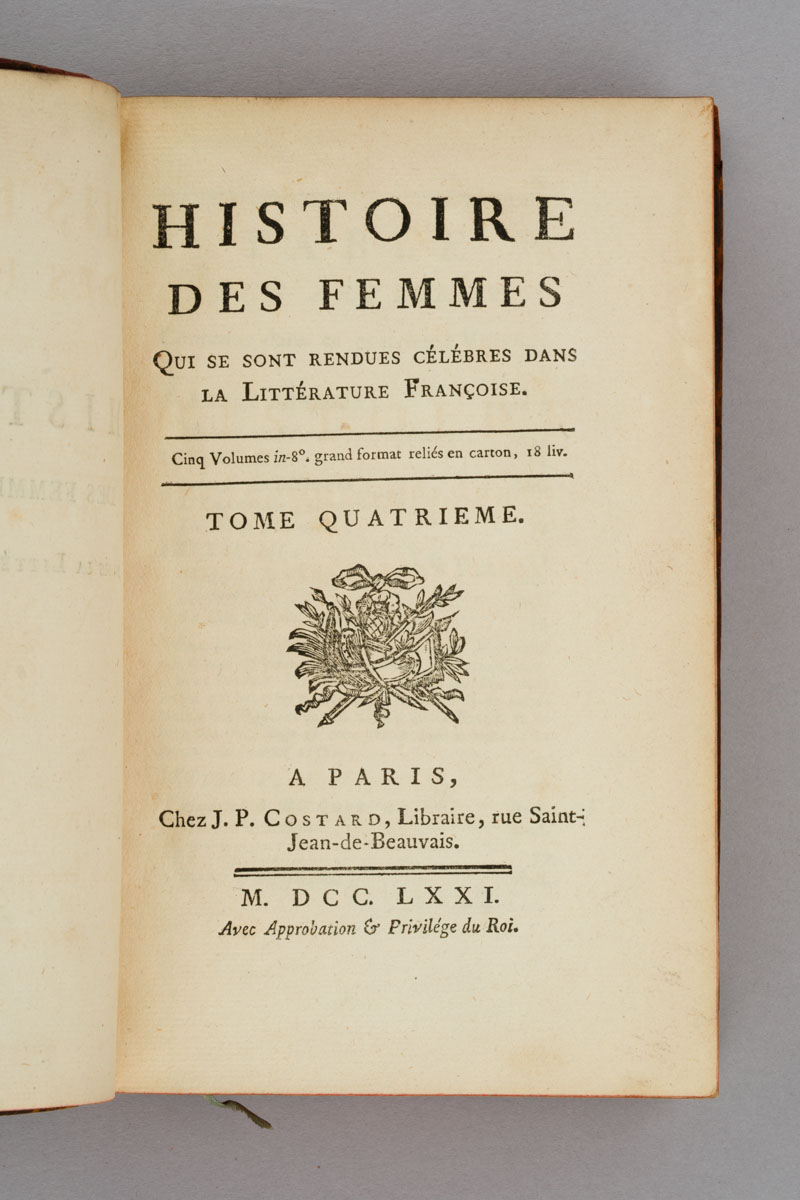
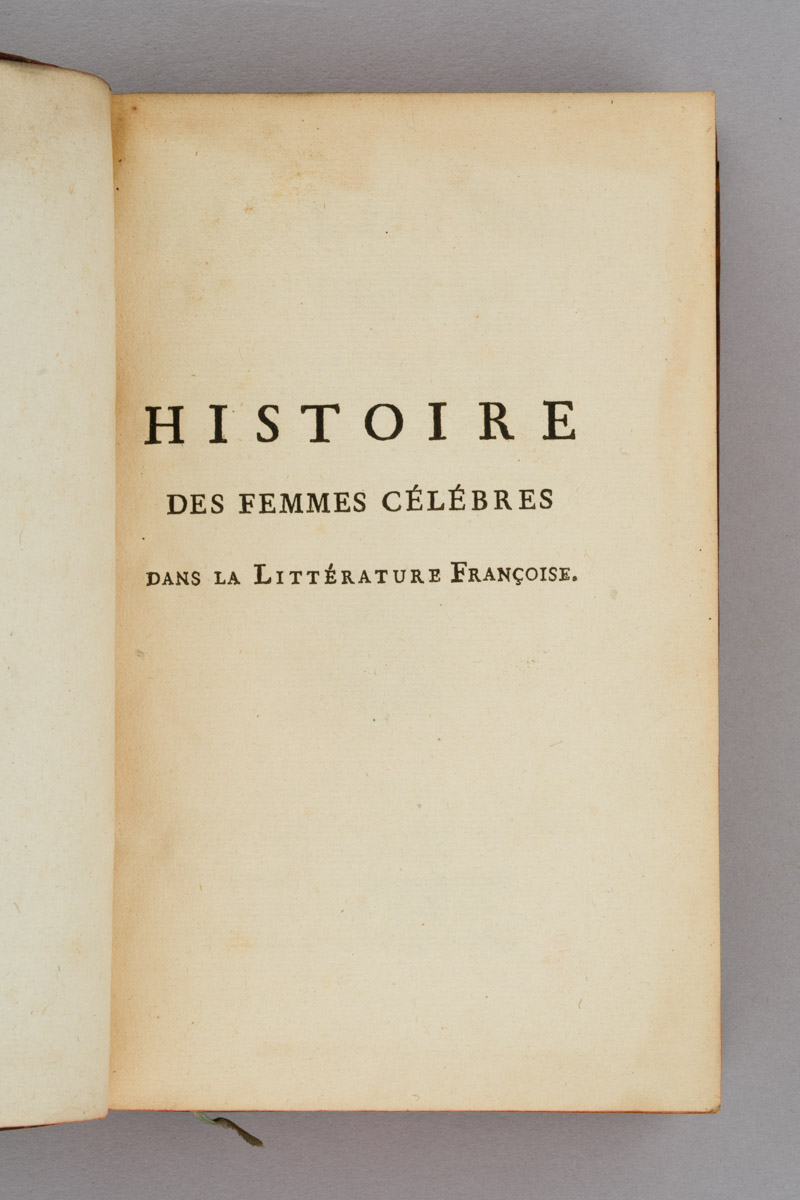
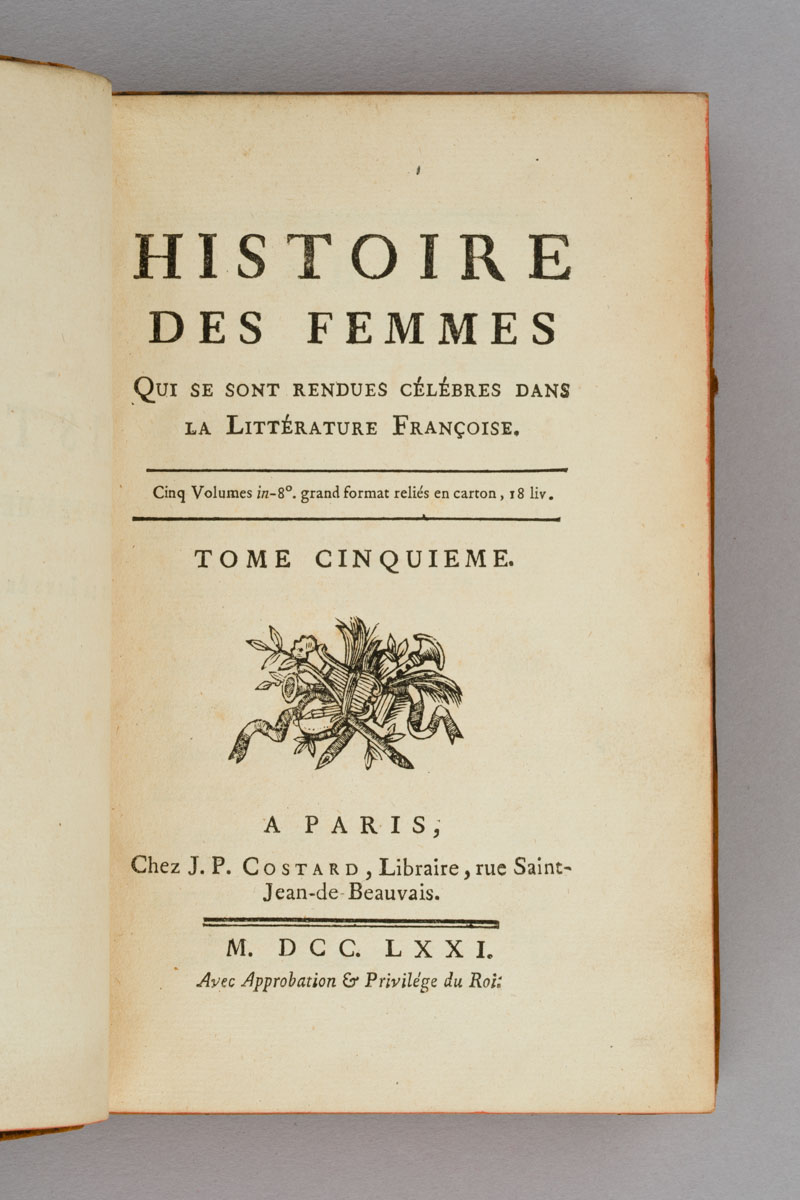
La Porte, Joseph de. Histoire des Femmes qui se sont rendues célèbres dans la Littérature Françoise. Paris: Chez J. P. Costard, Libraire, rue Saint-Jean-de-Beauvais, 1771. Five volumes, complete.
A particularly appealing complete set of this important eighteenth-century survey of women in French literature, published in Paris in 1771 and devoted to the lives and literary achievements of notable French women writers.
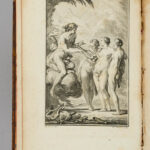
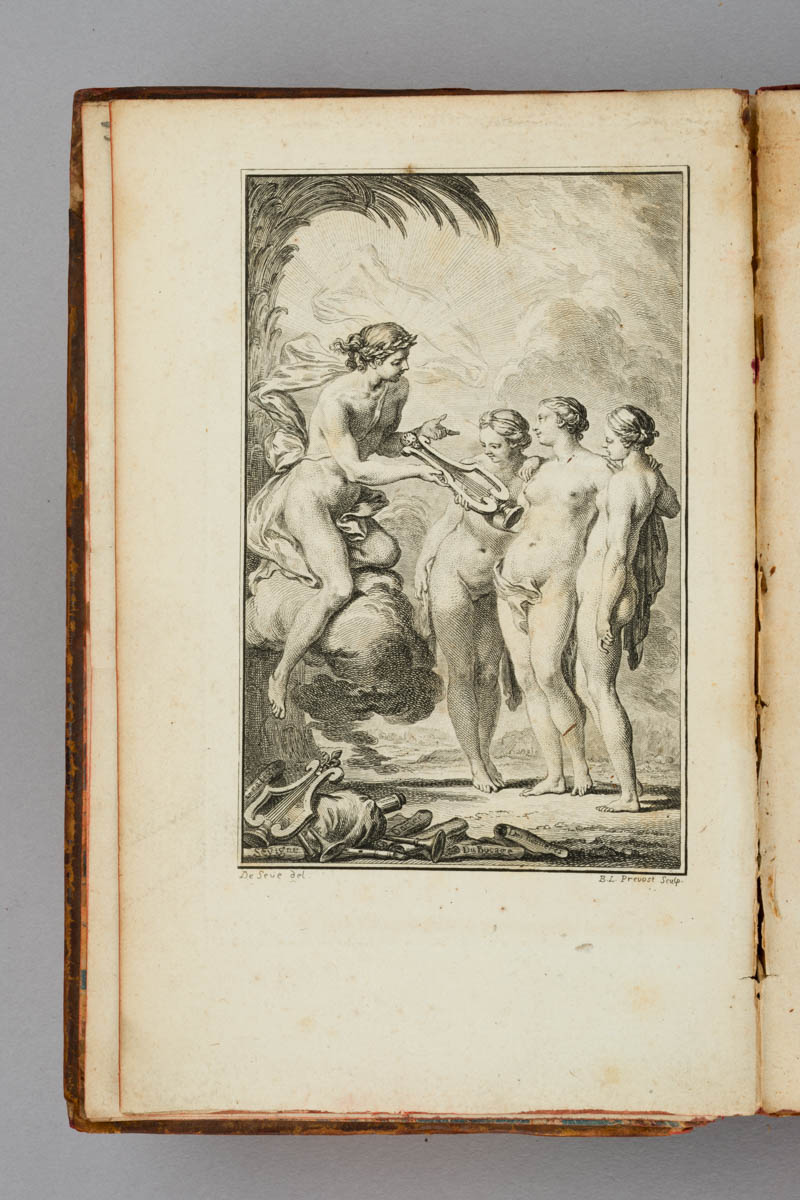
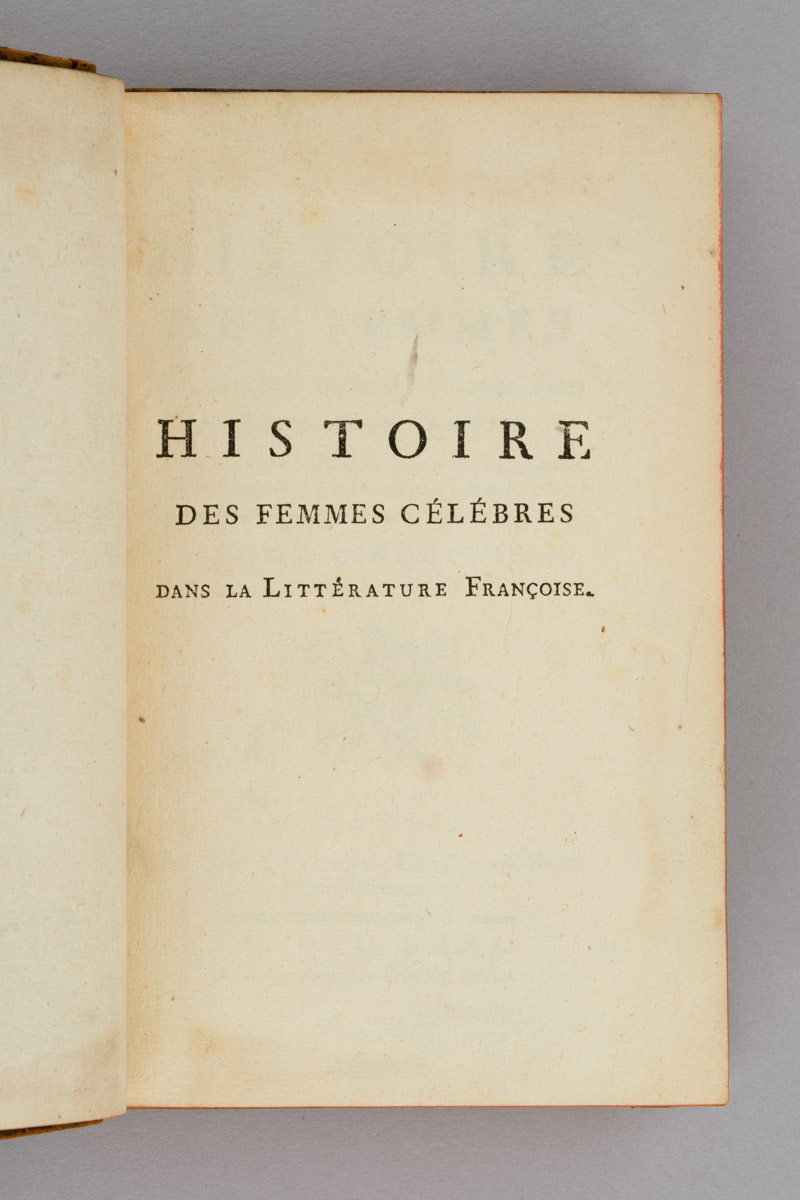
The work is presented across the full five volumes, each with its individual title page dated 1771. The opening volume includes a fine allegorical engraved frontispiece, drawn by De Sève and engraved by B. L. Prévost, depicting Apollo presenting a lyre to a gathering of women — an elegant visual declaration of the intellectual and artistic theme of the work.
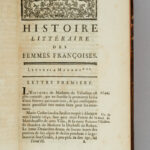
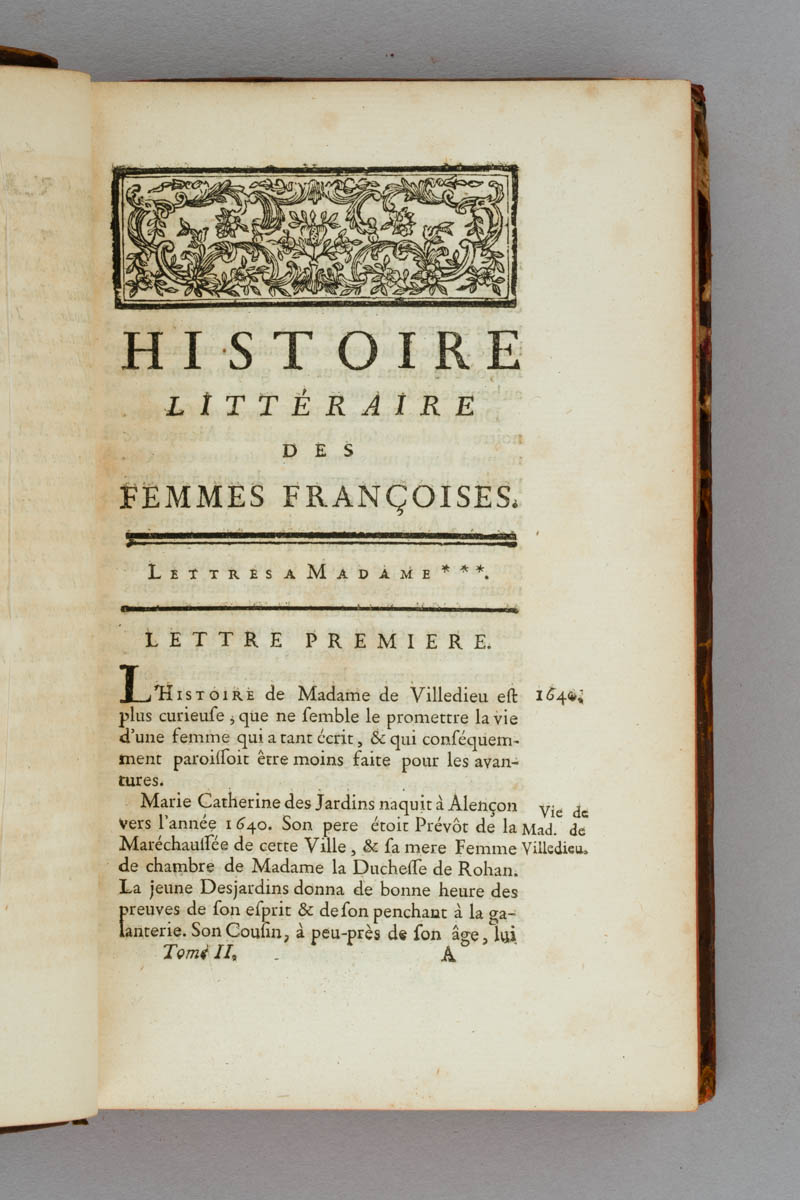
The text takes the form of a literary history and series of biographical studies, treating women whose writing had earned them distinction within French letters. Among those discussed is Marie-Catherine Desjardins, better known as Madame de Villedieu, one of the significant female literary figures of seventeenth-century France.
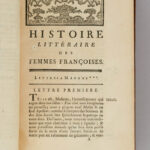
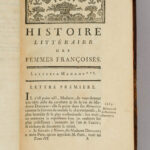
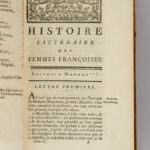
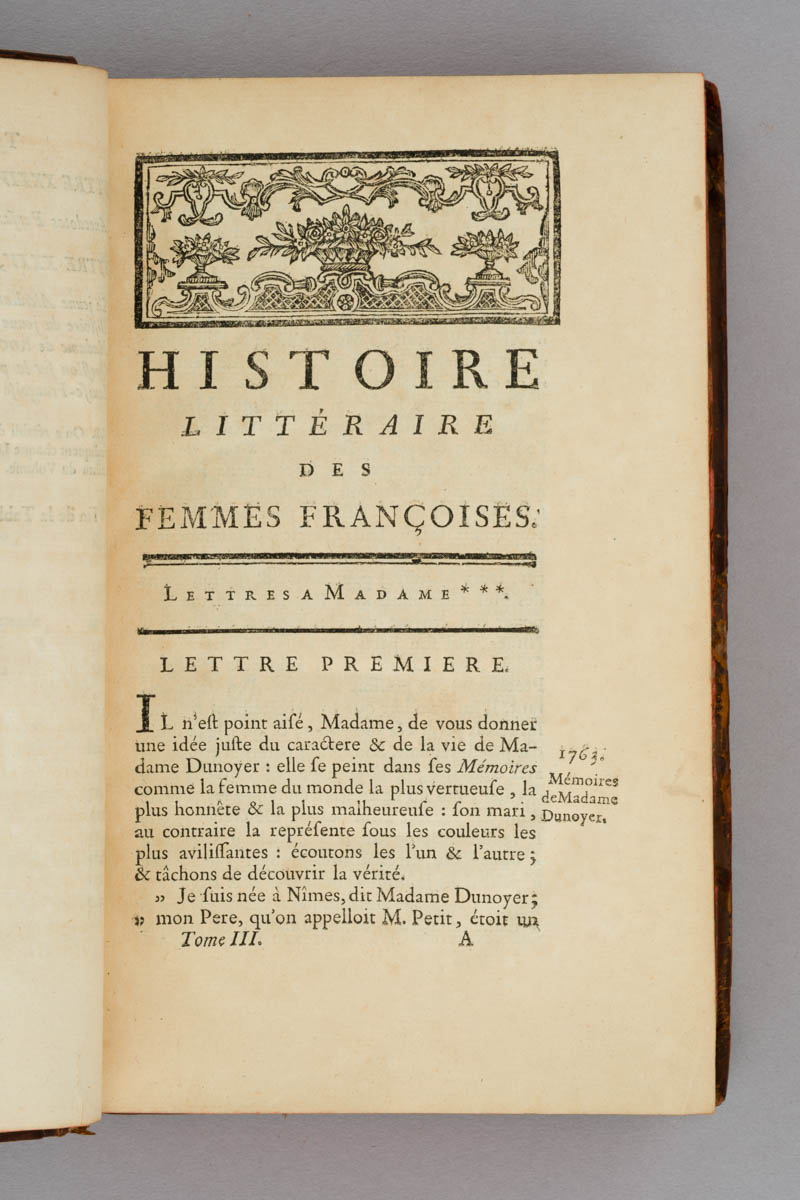
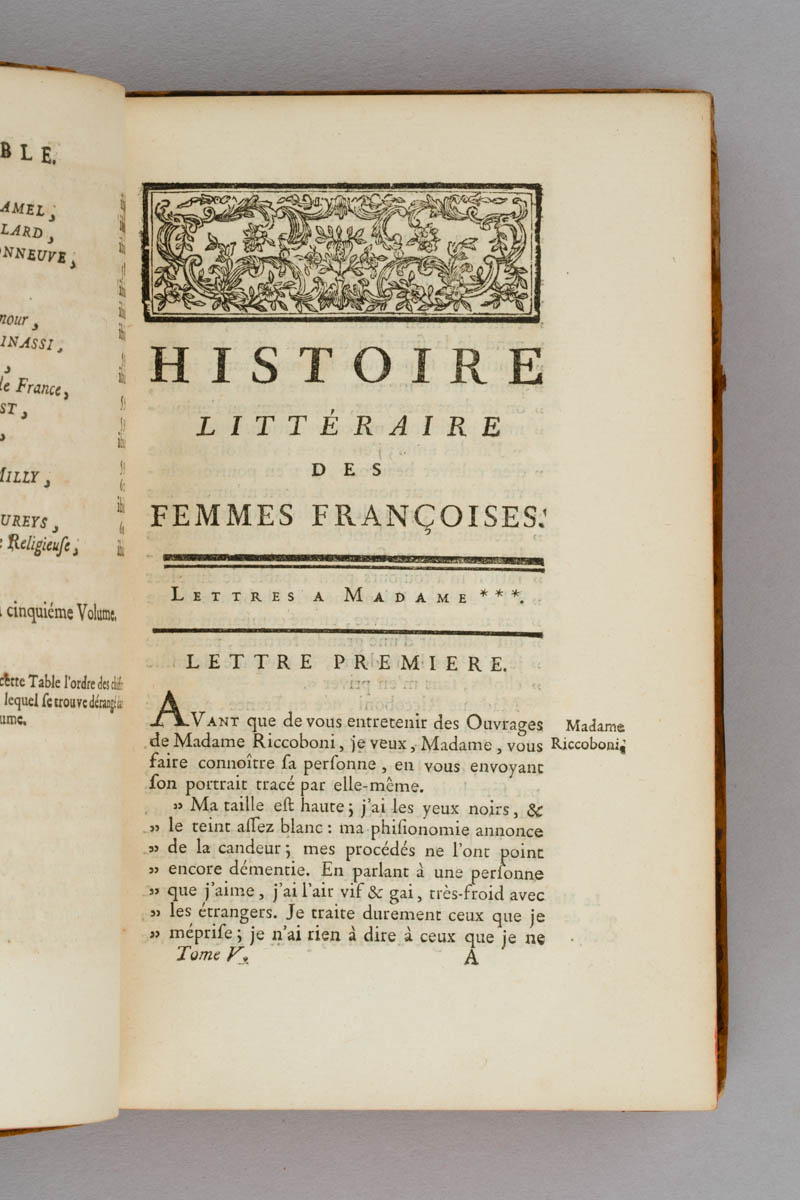
Of particular interest is the opening discussion of the prejudices surrounding female intellectual achievement. The author explicitly addresses the contradiction between a culture that traditionally assigned the arts and sciences to men while simultaneously expressing surprise when a woman produced an accomplished literary work. In this respect, the set provides a revealing primary source for the changing perception of women as authors and intellectual participants during the French Enlightenment.
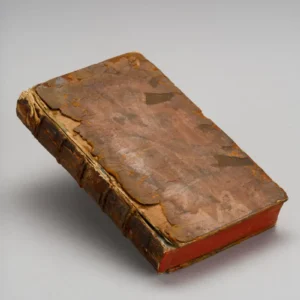
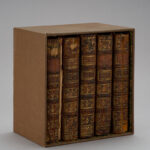
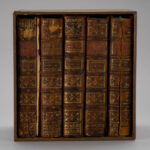
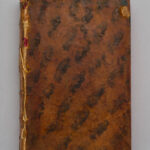
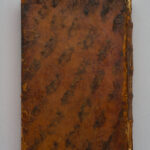
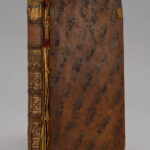
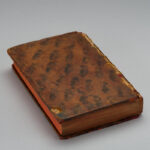
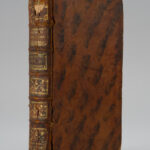
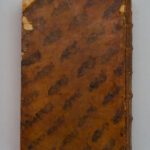
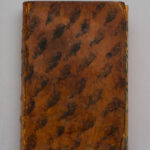
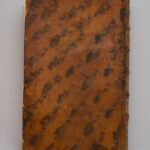
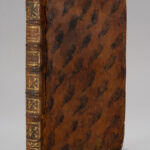
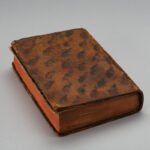
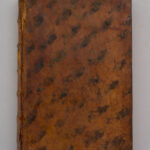
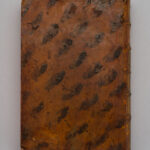
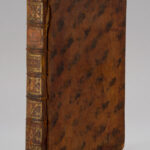
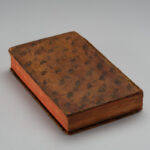
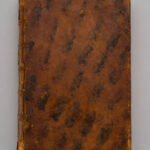
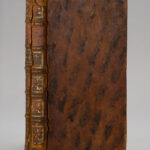
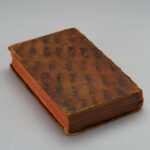
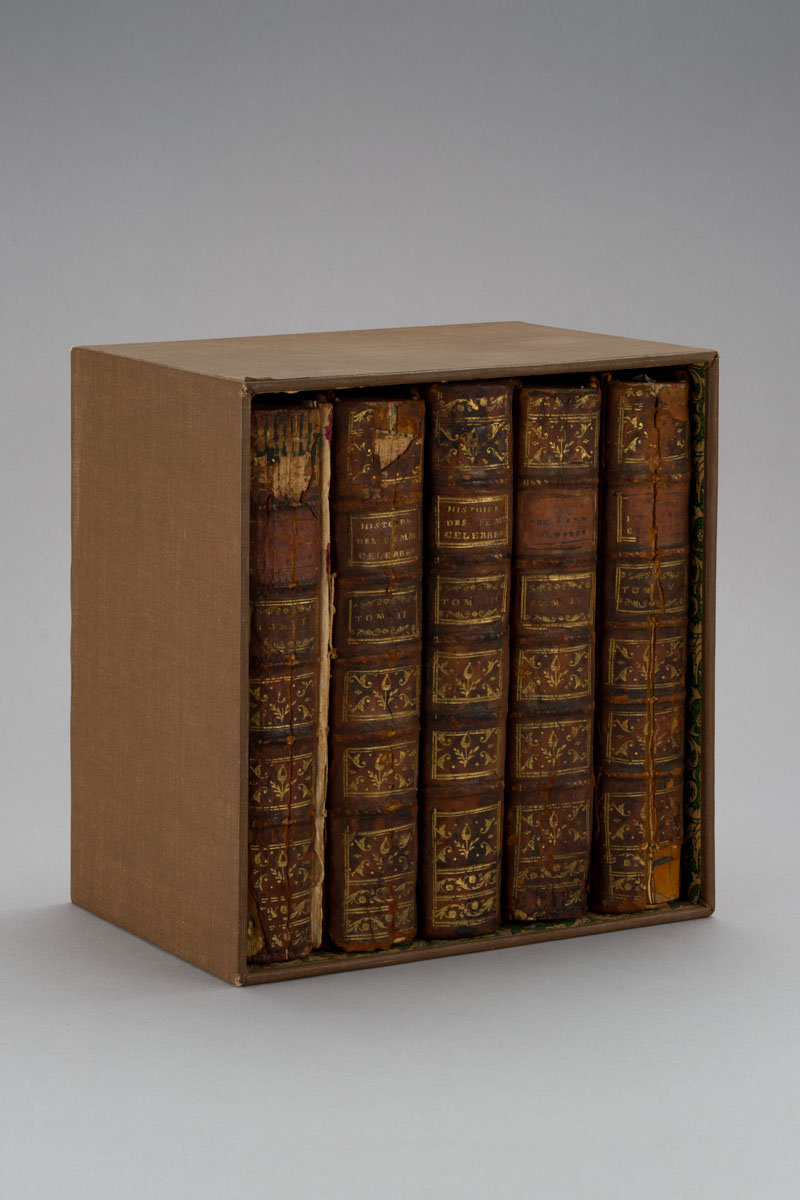
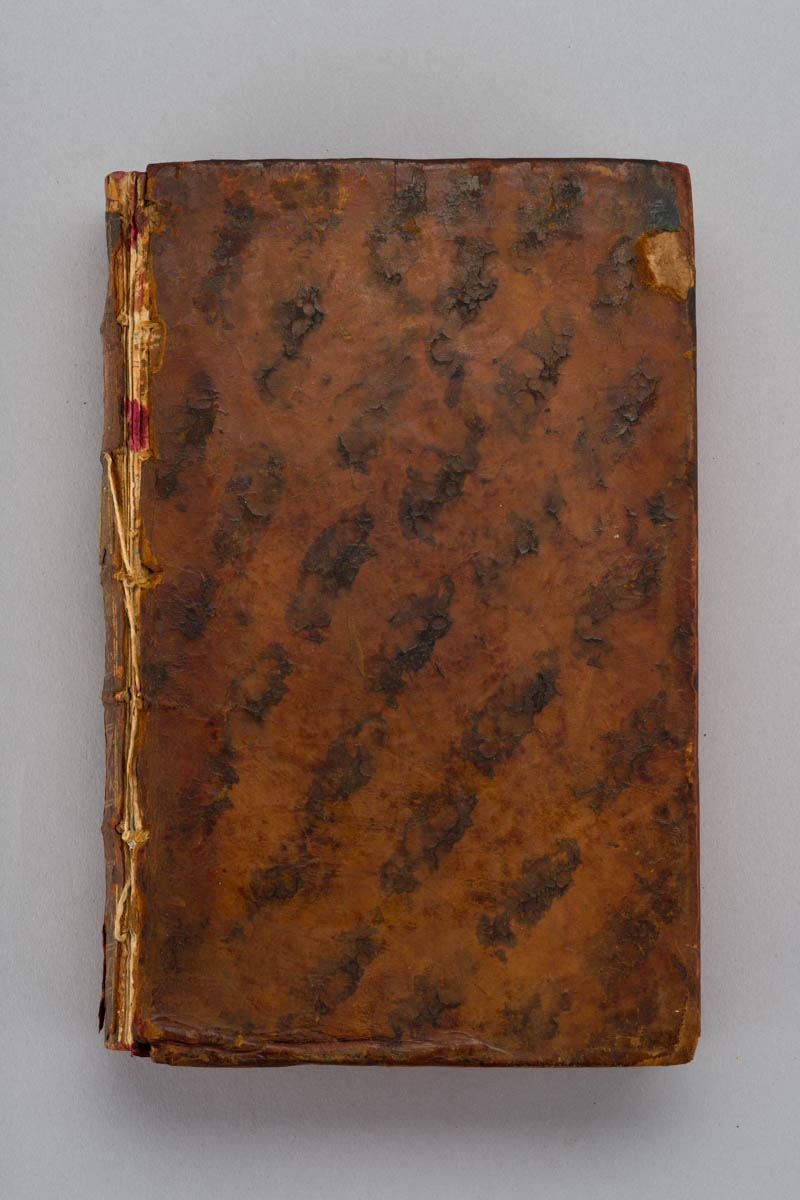
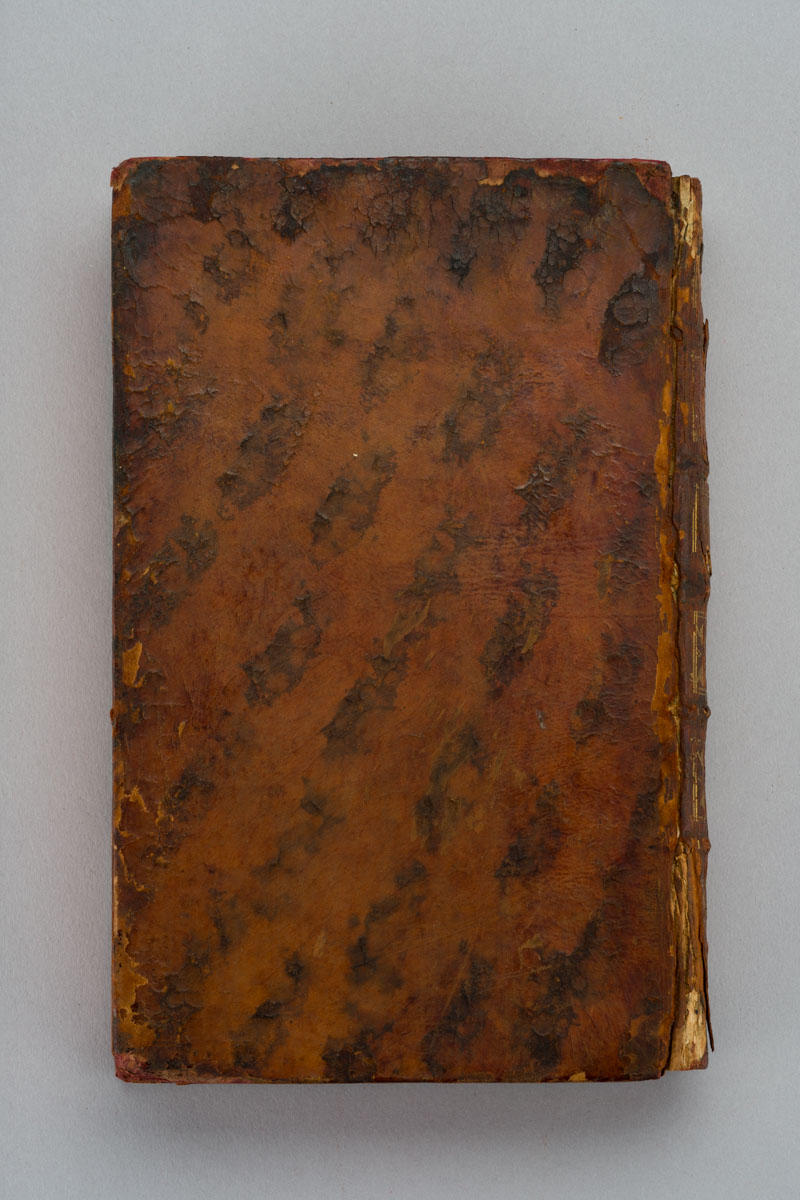
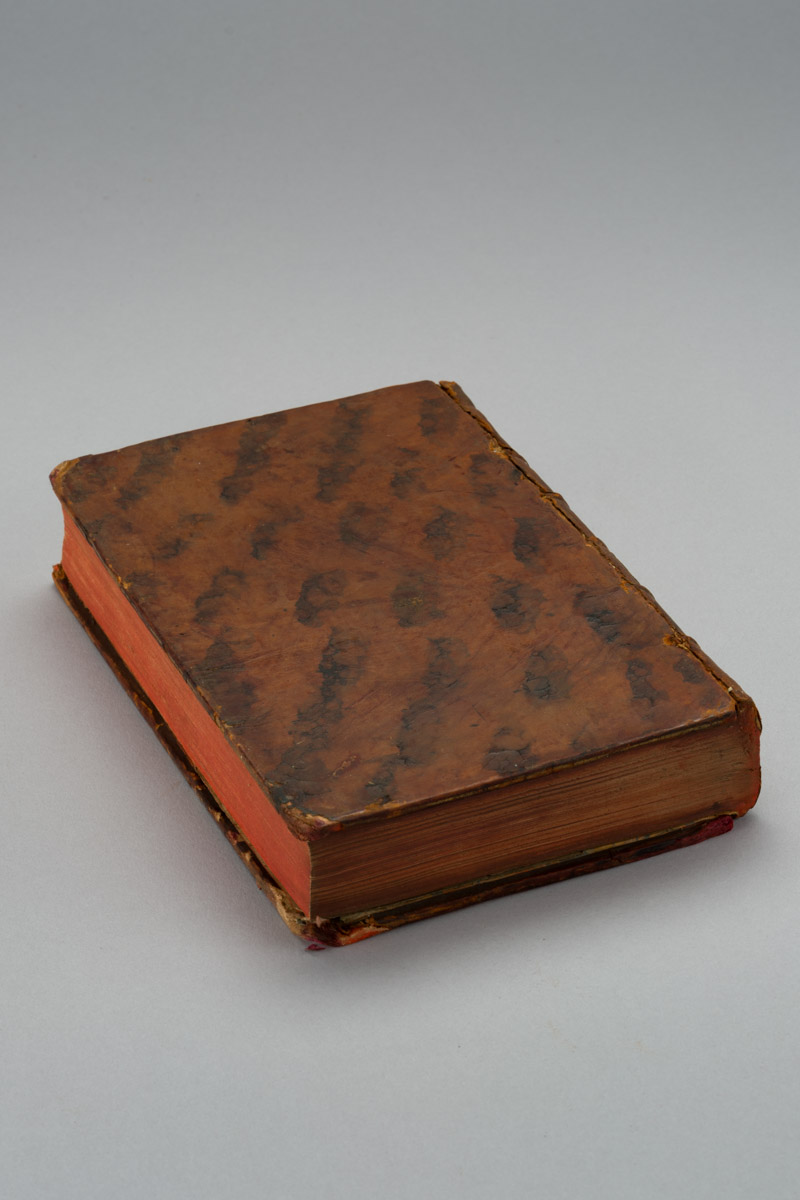
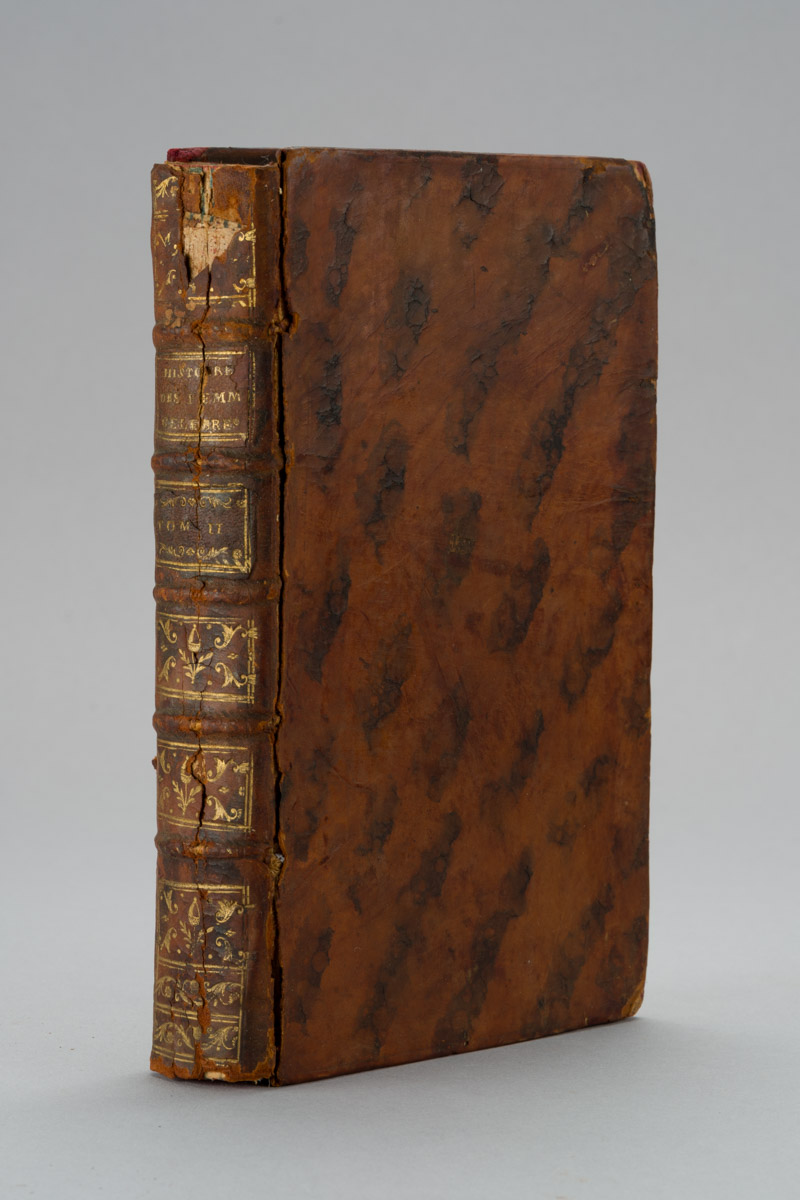
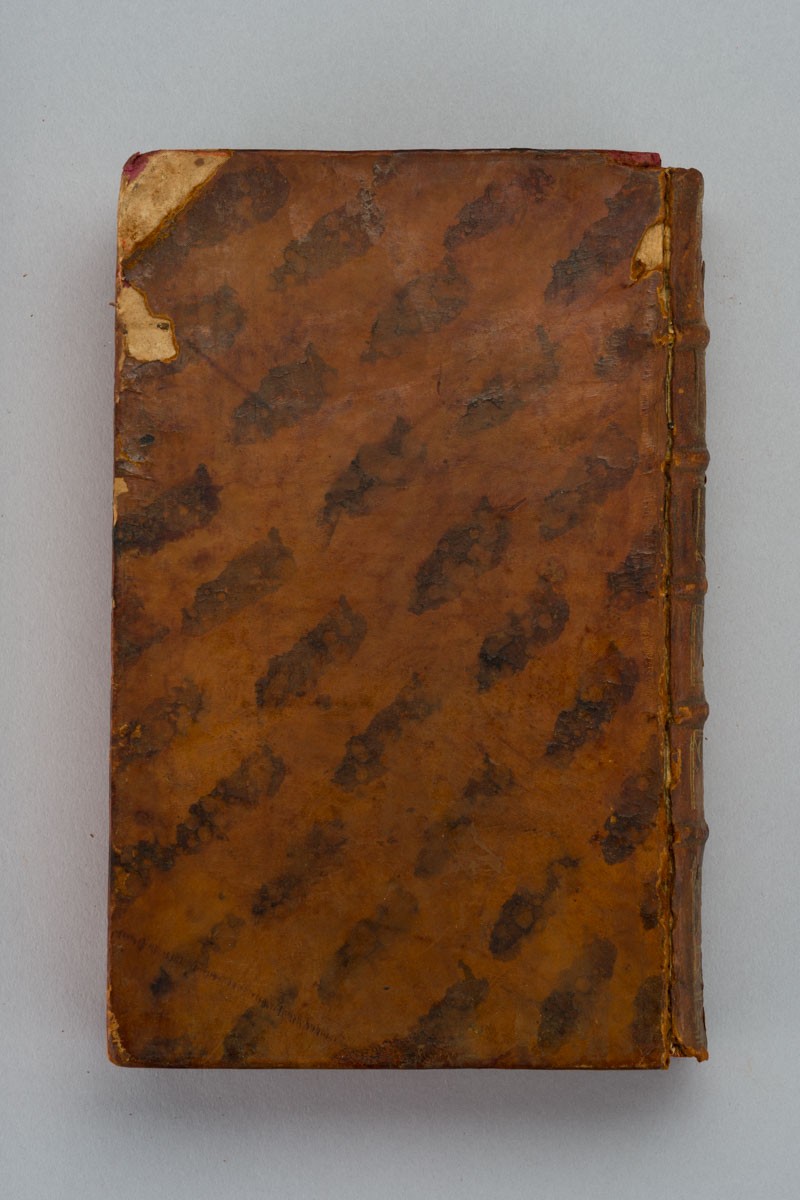
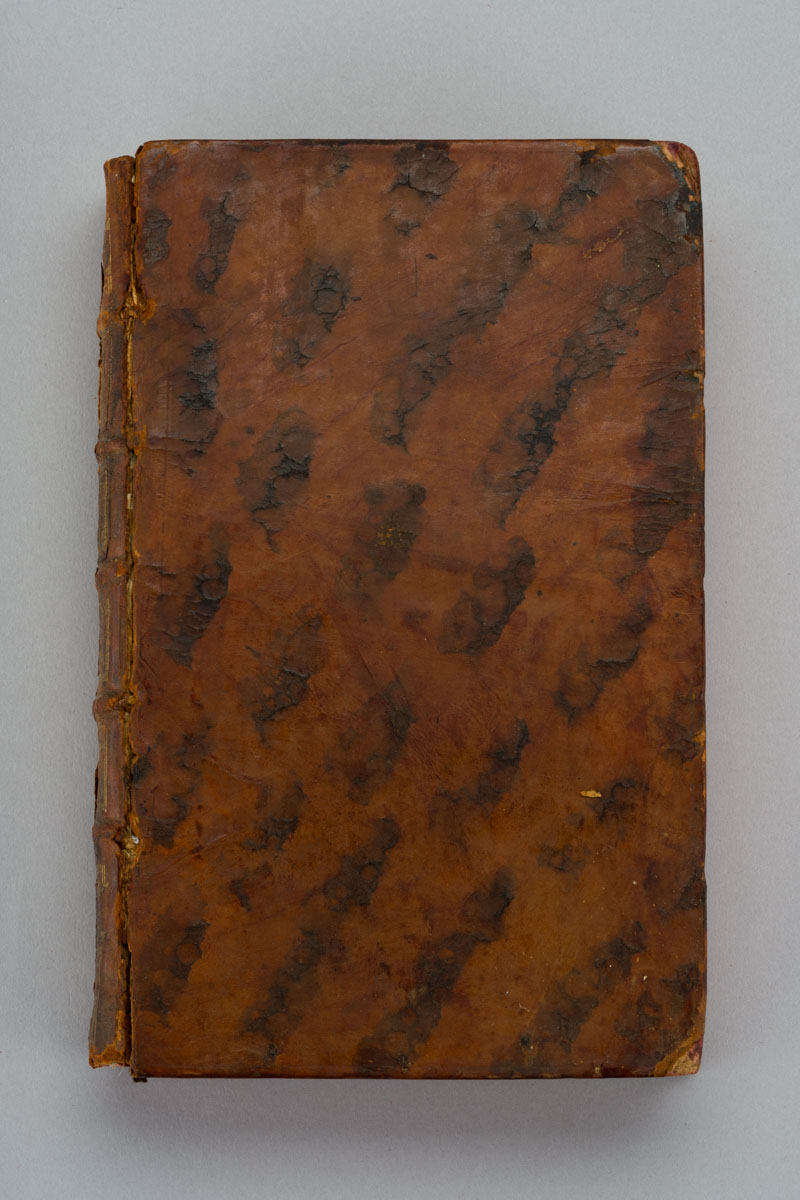
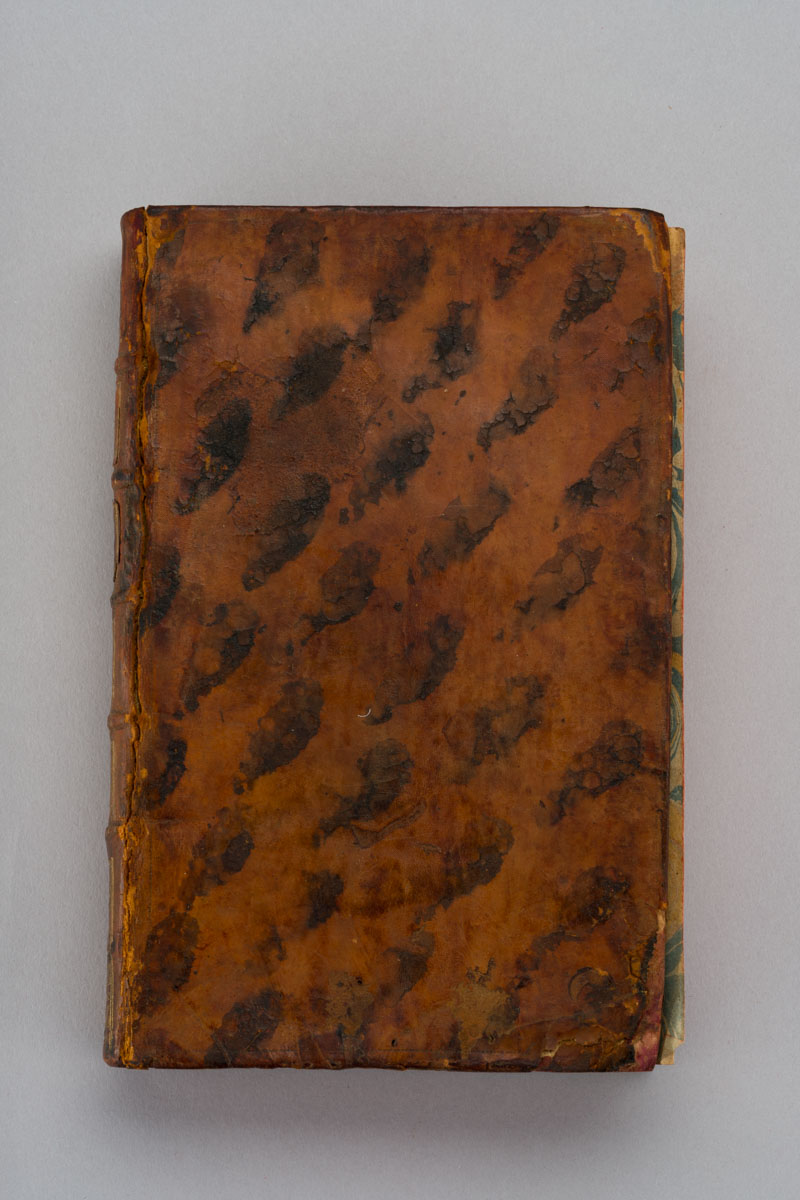
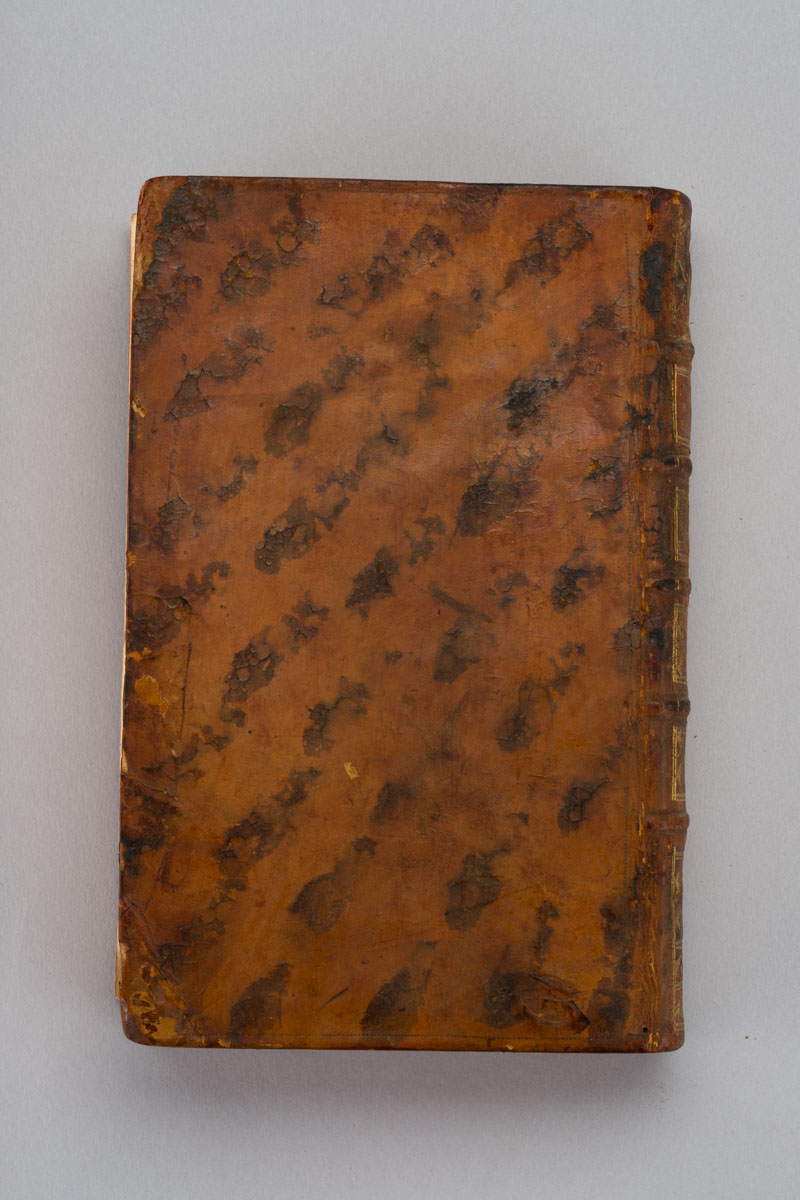
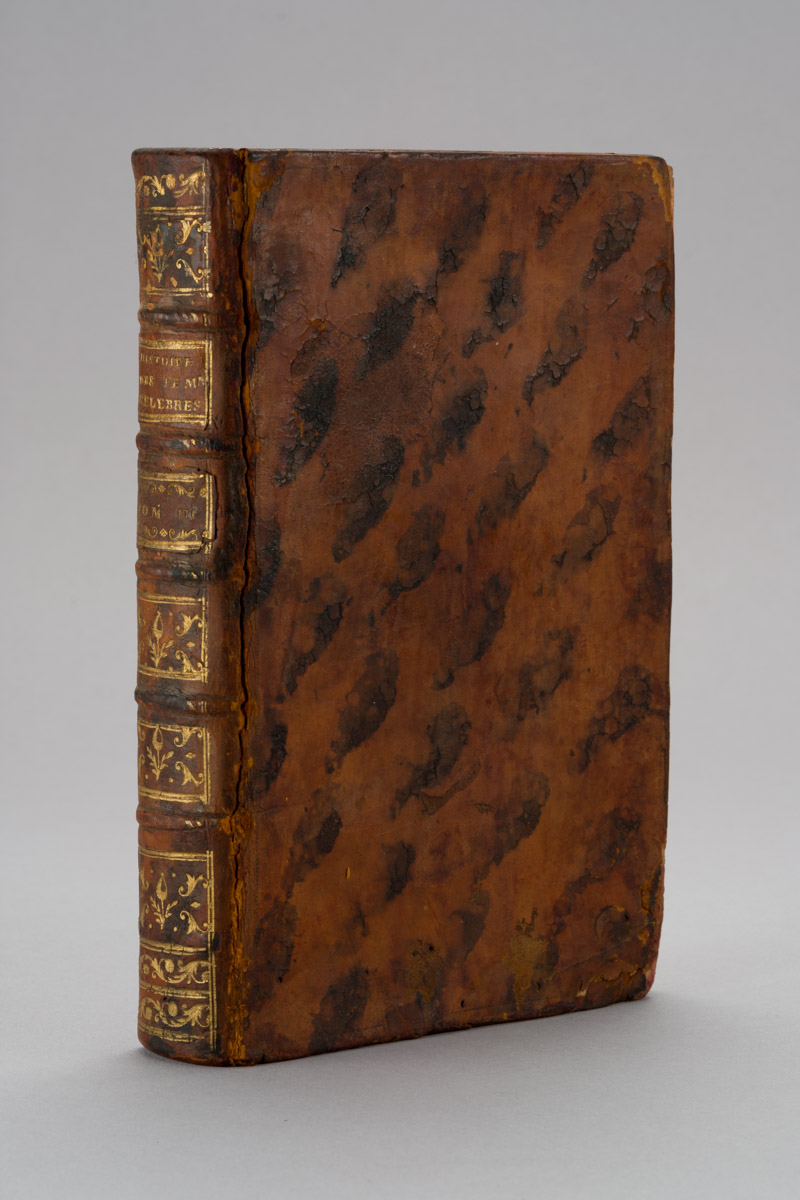
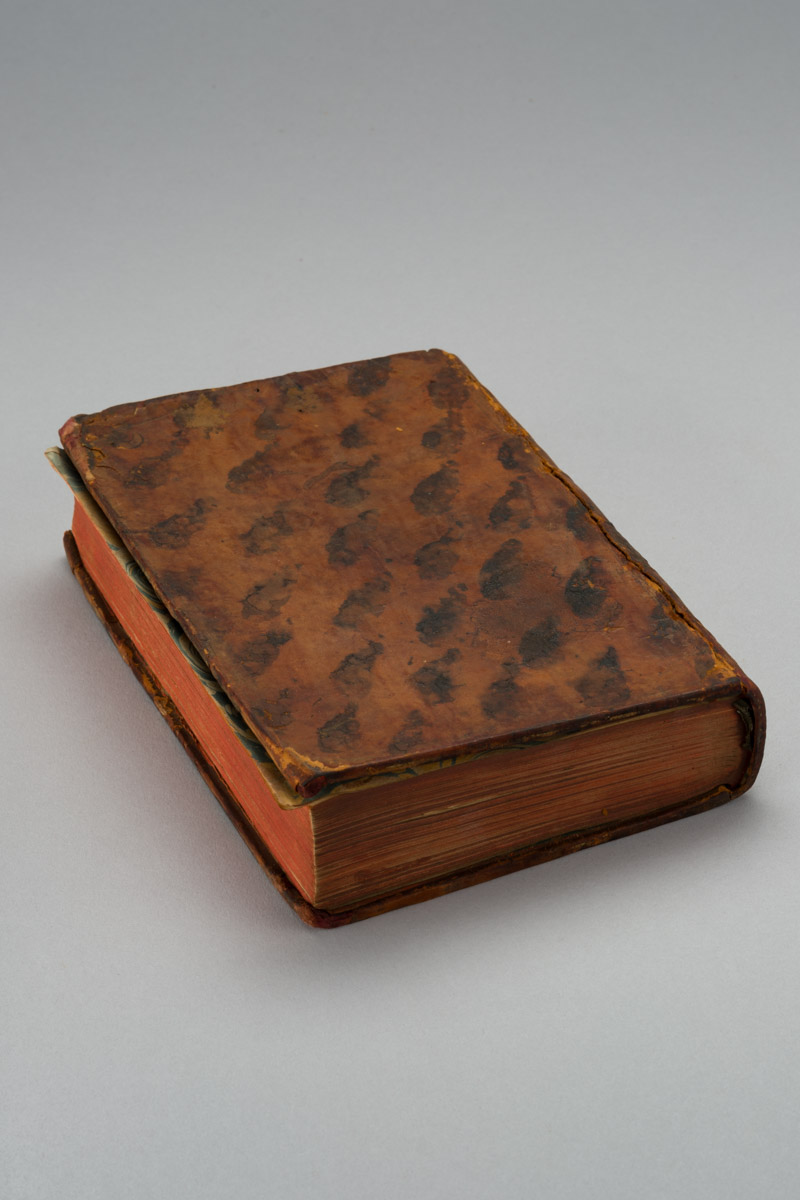
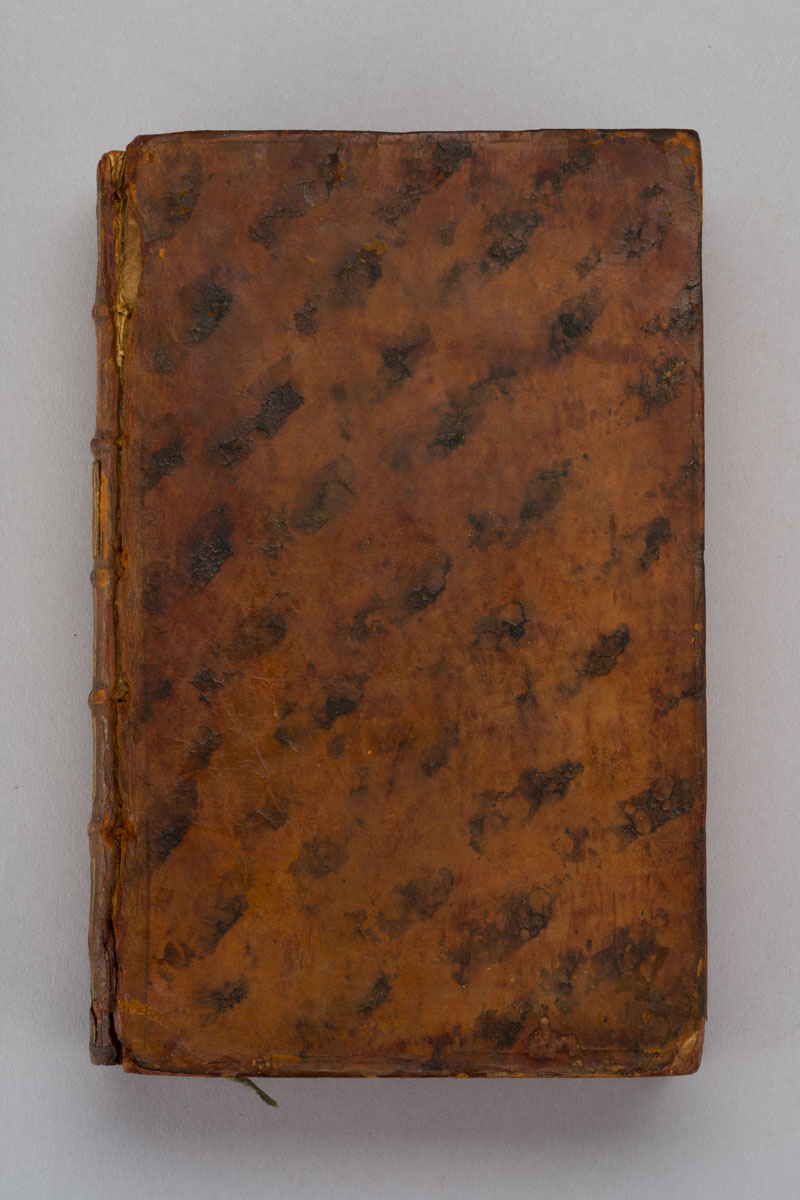
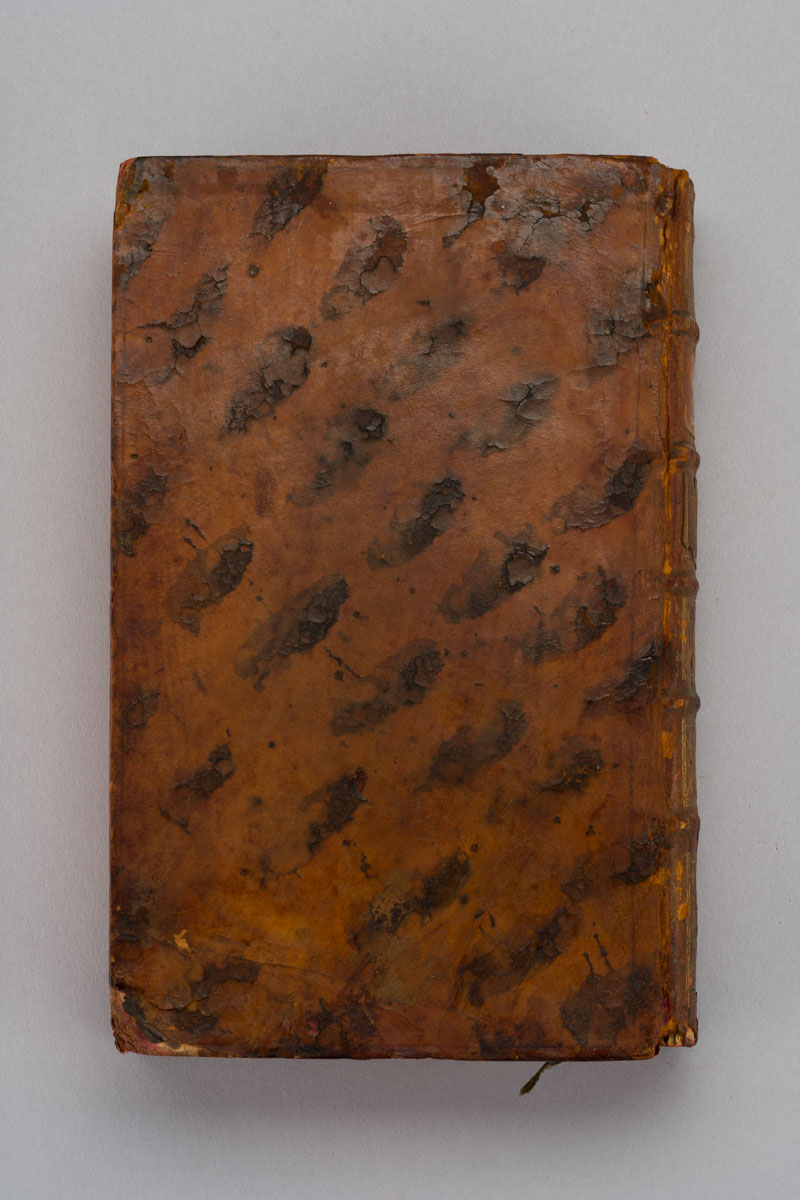
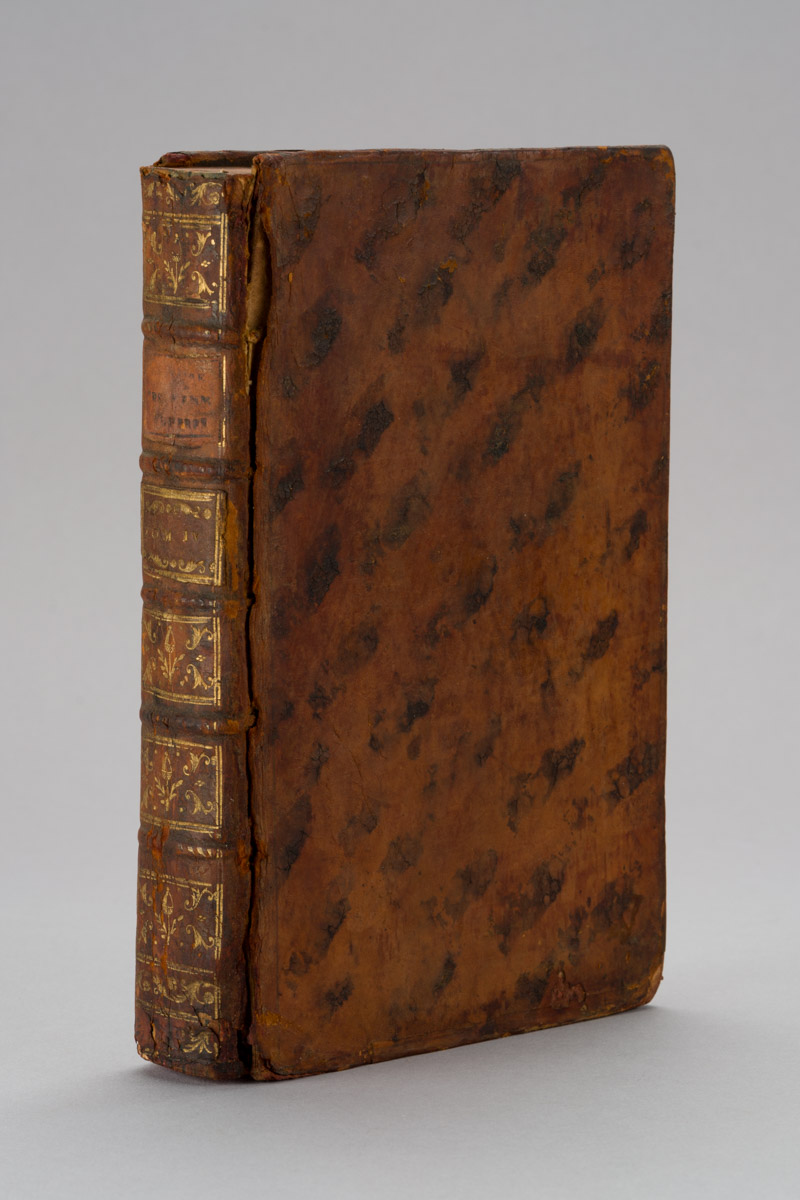
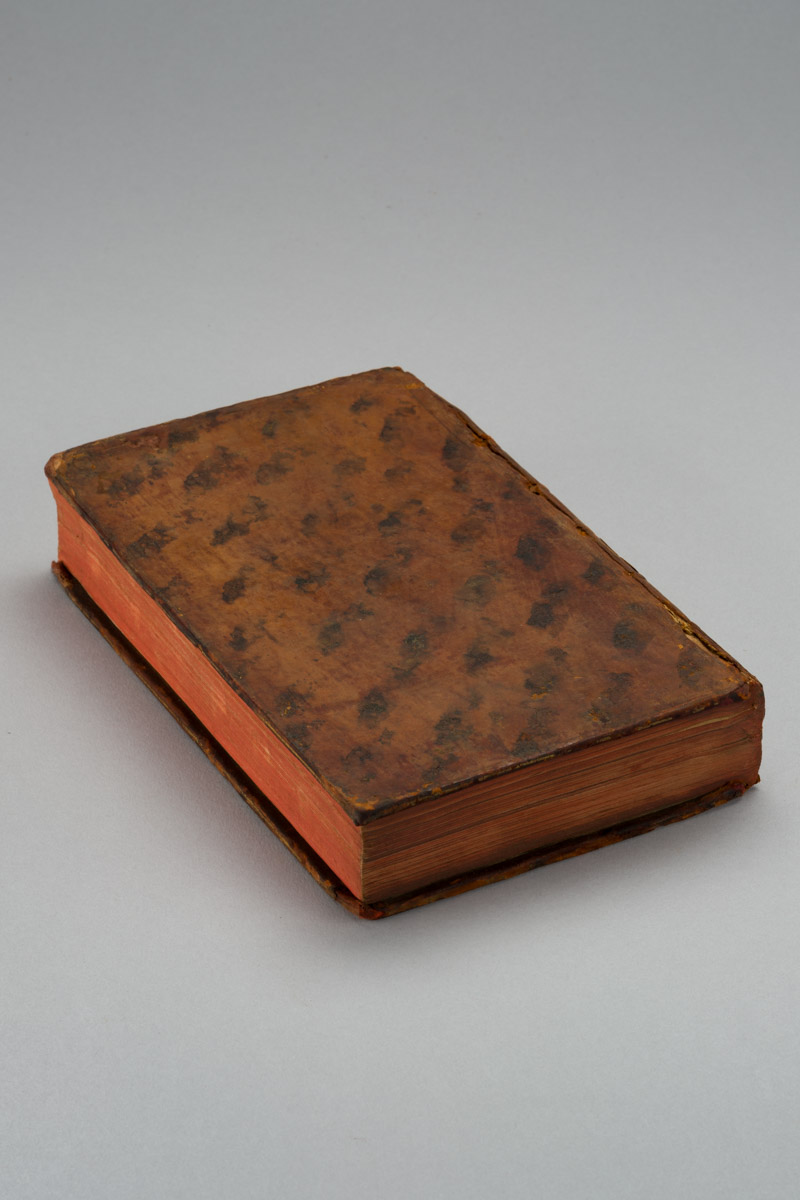
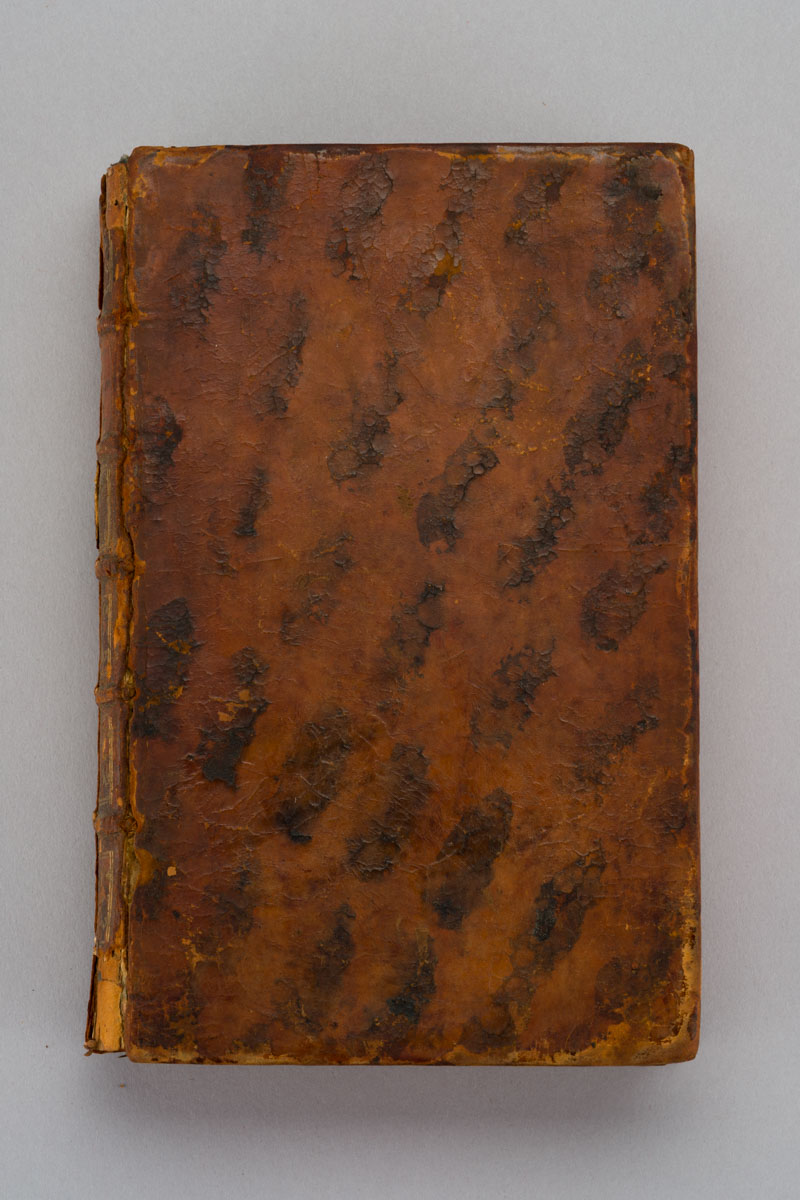
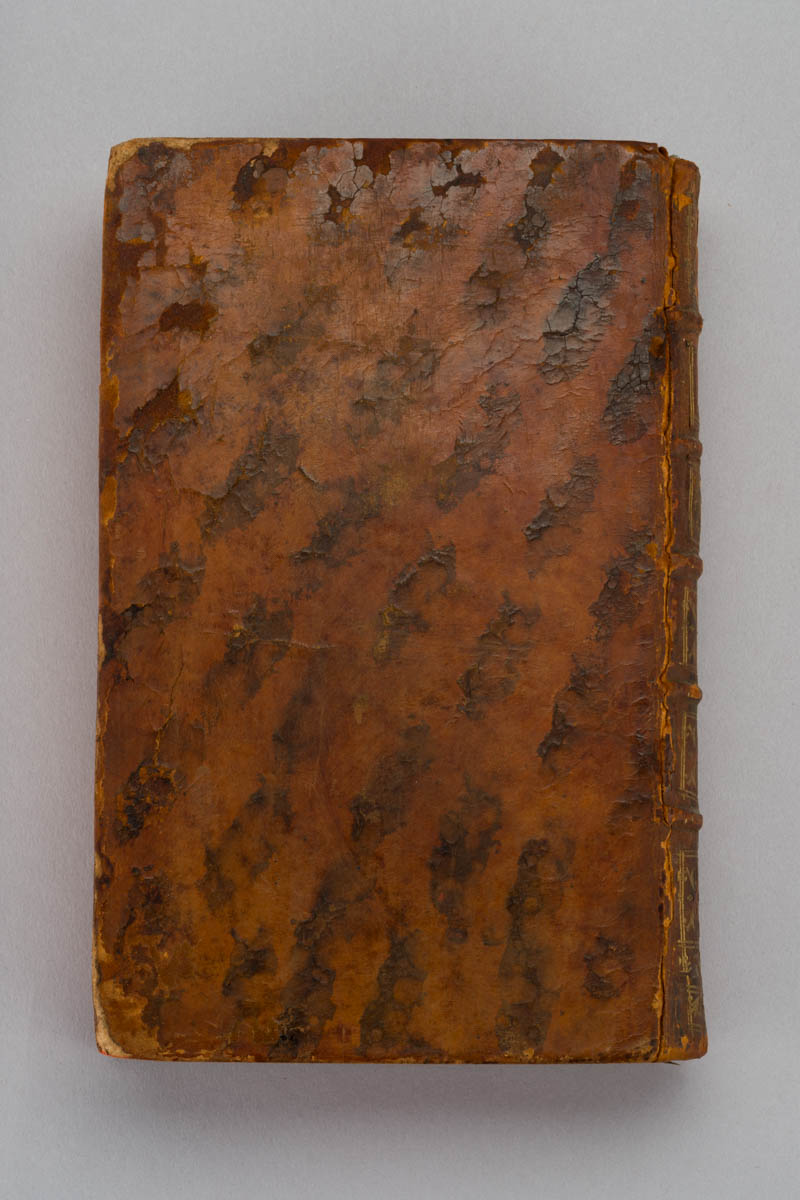
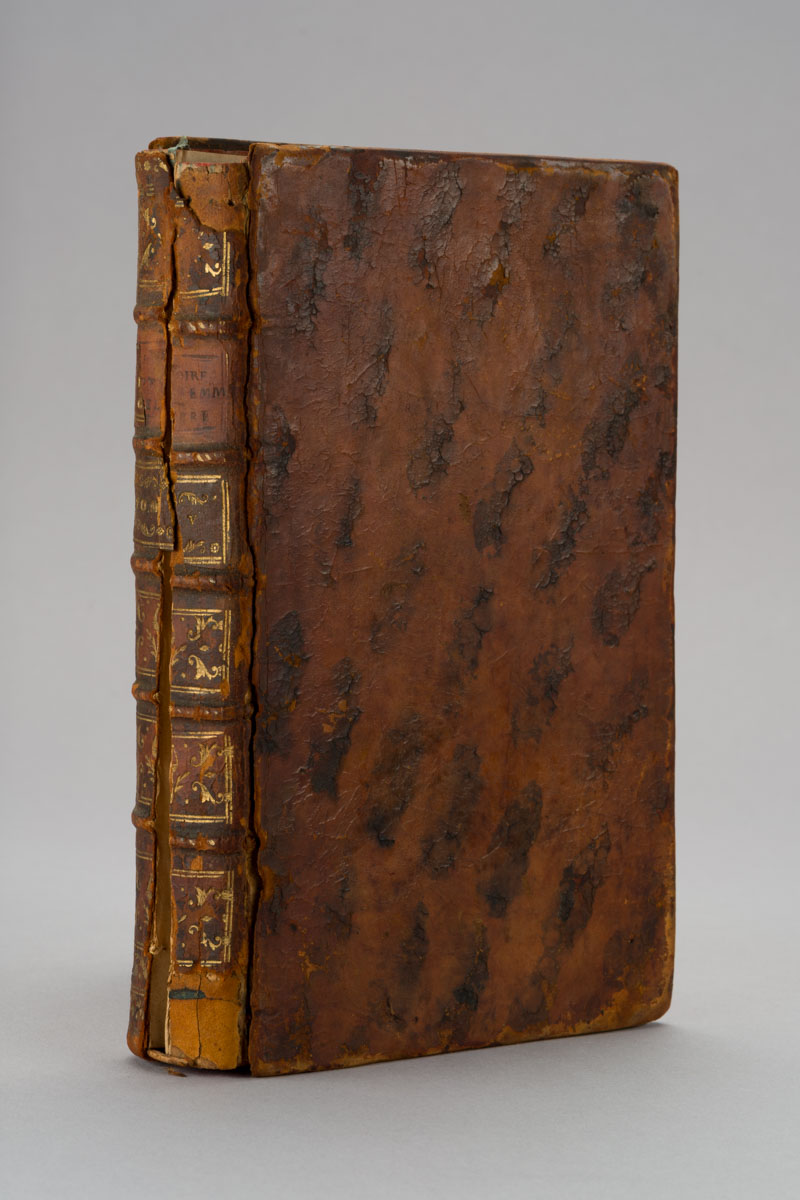
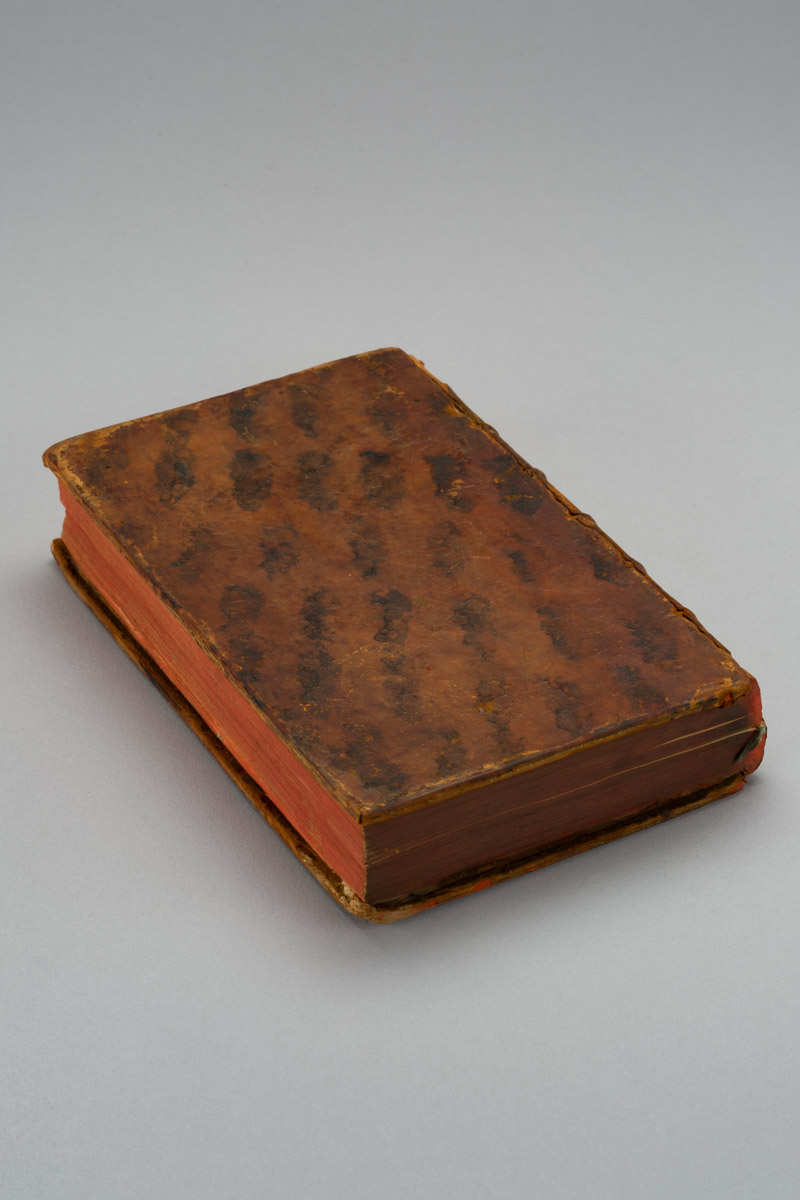
The five volumes survive together in their contemporary mottled calf bindings, the spines richly decorated in gilt with raised bands, floral compartments and gilt-lettered labels. The bindings show substantial evidence of use and age, including rubbing, losses and deterioration to some spine areas, most noticeably the first volume, but retain considerable eighteenth-century character.
Now housed together in a custom protective slipcase.
Author: Joseph de La Porte
Title: Histoire des Femmes qui se sont rendues célèbres dans la Littérature Françoise
Year: 1771
Edition: First Edition
Volumes: 5 volumes — complete set
Publisher: J. P. Costard, Libraire
Place: Paris
Language: French
Illustration: Engraved allegorical frontispiece after De Sève, engraved by B. L. Prévost
Binding: Contemporary mottled calf, gilt-decorated spines; housed together in a later protective slipcase
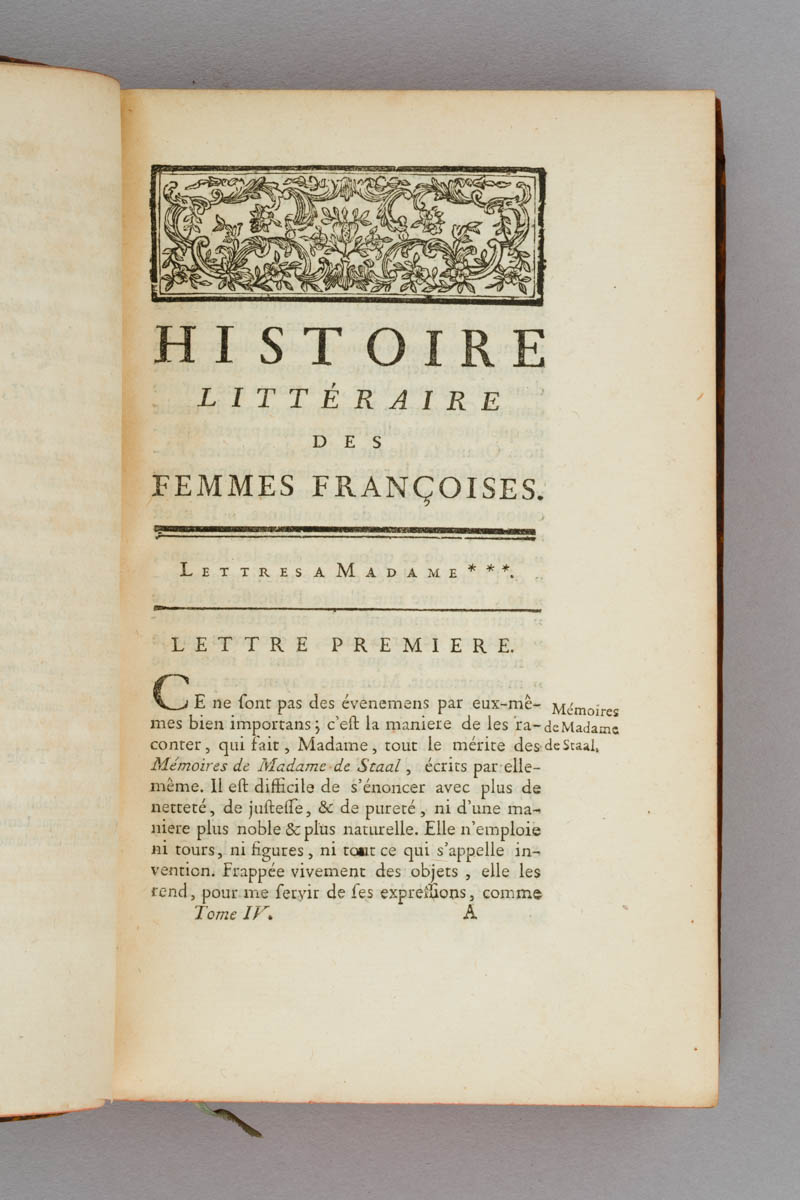
Complete in five volumes. Internally generally very good, with attractive, clean eighteenth-century printing, occasional light spotting, toning and minor marks commensurate with age. Engraved allegorical frontispiece present.
Contemporary mottled calf bindings with raised bands and gilt-decorated spines. Bindings heavily rubbed and worn in places, with losses to leather and spine labels; Volume I showing significant deterioration and loss along the spine and joints, with exposed structure. Remaining volumes also show varying degrees of wear, rubbing and loss but retain substantial original gilt decoration and period character.
Housed together in a later cloth-covered protective slipcase.
The binding faults are substantial and should be clearly represented photographically, but the survival of the complete set in period bindings remains an important feature.
1 in stock
In 1771, eighteen years before the French Revolution, Parisian readers were presented with something still comparatively unusual: a substantial five-volume history devoted specifically to women who had distinguished themselves through literature.
Its premise was itself quietly provocative.
The opening pages confront an entrenched cultural assumption — that Apollo and the Nine Muses might symbolise the arts, yet serious intellectual achievement was nevertheless considered primarily the province of men. The author points directly to the inconsistency of being astonished whenever an accomplished work emerged from the hand of a woman.
The five volumes set out to demonstrate just how misplaced that astonishment was.
Across the work, the lives and writings of French literary women are recovered and examined, creating a collective history of female intellectual achievement long before women’s literary history became an established academic discipline.
The engraved frontispiece makes the argument visually.
Apollo appears with his lyre before a group of women, while books and instruments associated with learning and the arts lie below. It transforms the traditional imagery of classical inspiration into an emblem for female authorship.
The timing is significant.
These books appeared during the French Enlightenment, when questions concerning education, reason, social hierarchy and the position of women were increasingly debated. Within two decades, writers such as Olympe de Gouges would push those questions dramatically further during the Revolution.
Yet this work predates those events.
In 1771, La Porte was already constructing an extensive literary genealogy demonstrating that French women had not merely participated in literature — they had helped create it.
More than 250 years later, the survival of the complete five-volume set makes the work especially compelling. Together the volumes form both an Enlightenment literary history and an early monument to the women whose contribution to French letters was too easily overlooked.
This set has several attributes that make it particularly attractive.
First is completeness. All five volumes are present, something considerably more desirable for a substantial eighteenth-century multi-volume work than individual or incomplete volumes.
Second is the subject. This is an unusually early extended history specifically concerned with women writers and female literary achievement, giving the work relevance well beyond conventional French literary history. It belongs naturally within collections concerning women’s history, women writers, gender studies and the intellectual culture of the Enlightenment.
Third is the visual appeal. The allegorical De Sève/Prévost frontispiece is an excellent eighteenth-century engraving and directly reinforces the subject of the work.
Finally, the volumes retain their period bindings. Although considerably worn — and particularly compromised at the spine of the first volume — their mottled calf, raised bands and surviving gilt decoration give the set the unmistakable appearance of books that have travelled together from the eighteenth century.
A complete 1771 five-volume Parisian set devoted to celebrated French women writers is a far more interesting object than its simple title might initially suggest.