£595.00
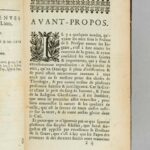
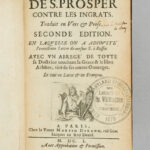
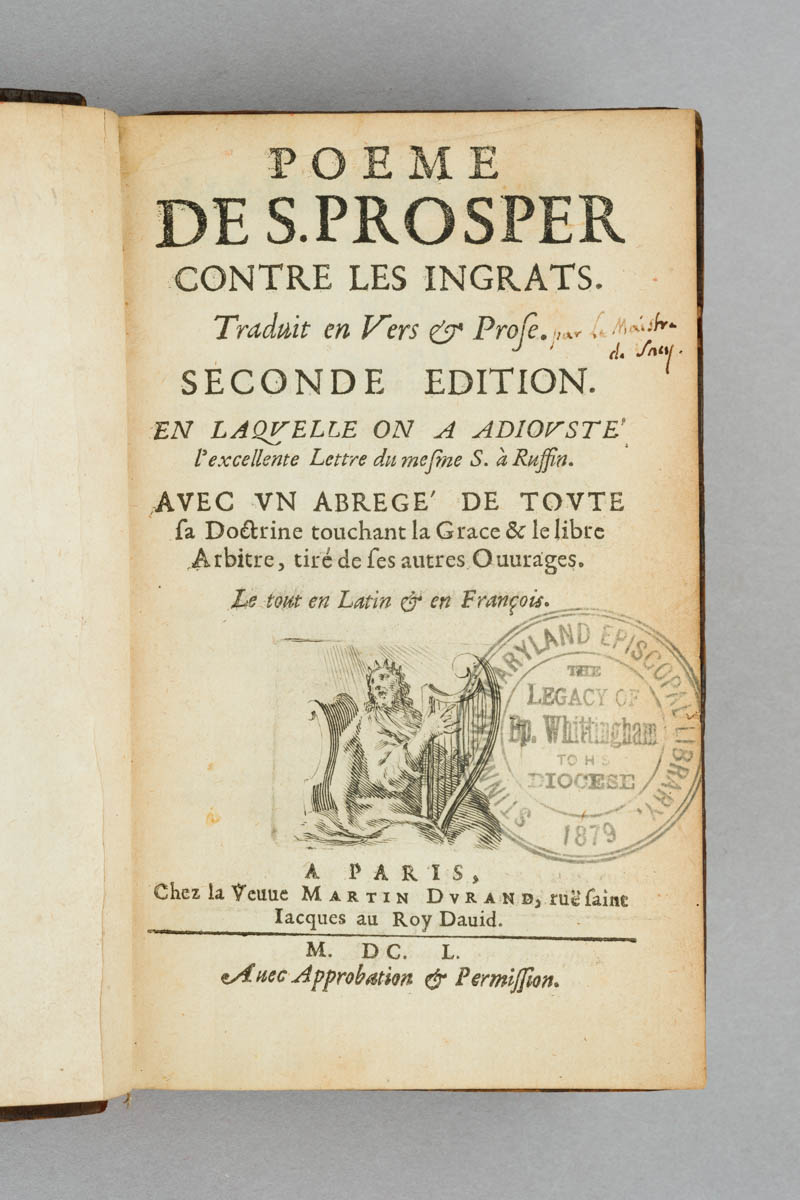
Prosper of Aquitaine. Poème de S. Prosper contre les Ingrats. Traduit en Vers & Prose. Seconde Edition. En laquelle on a adiousté l’excellente Lettre du mesme S. à Ruffin. Avec un Abrégé de toute sa Doctrine touchant la Grace & le libre Arbitre, tiré de ses autres Ouvrages. Le tout en Latin & en François. Paris: chez la Veuve Martin Durand, rue Saint-Jacques au Roy David, 1650.
Second edition of Louis-Isaac Le Maistre de Sacy’s French translation of Saint Prosper of Aquitaine’s celebrated Carmen de Ingratis, presented in Latin and French. The first edition of the translation appeared in the 1640s; this enlarged second edition adds Prosper’s letter to Rufinus and an abridgement of his teachings concerning grace and free will. Contemporary and bibliographical records confirm the 1650 Paris issue as the second edition.
Prosper’s poem was written in the fifth century in defence of the Augustinian doctrine of grace against Pelagian and Semi-Pelagian theology. Prosper was a disciple and defender of Saint Augustine, and the Carmen de Ingratis became one of his important theological works.
The title page carries a contemporary or early manuscript attribution identifying the translator “par le Maistre de Sacy.” It also bears a substantial nineteenth-century institutional provenance stamp:
“The Legacy of E. H. Whittingham to his Diocese — Maryland Episcopal Library — 1879.”
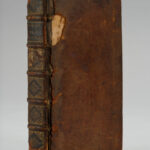
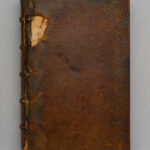
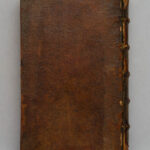
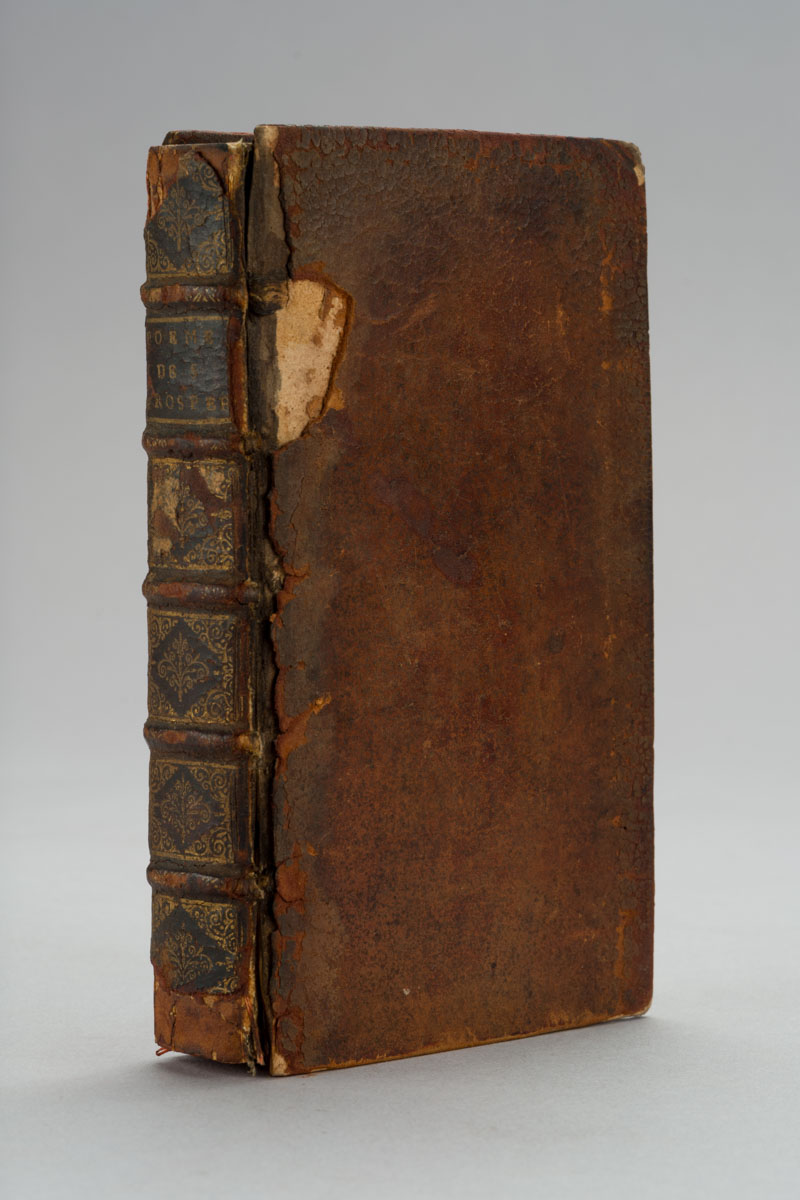
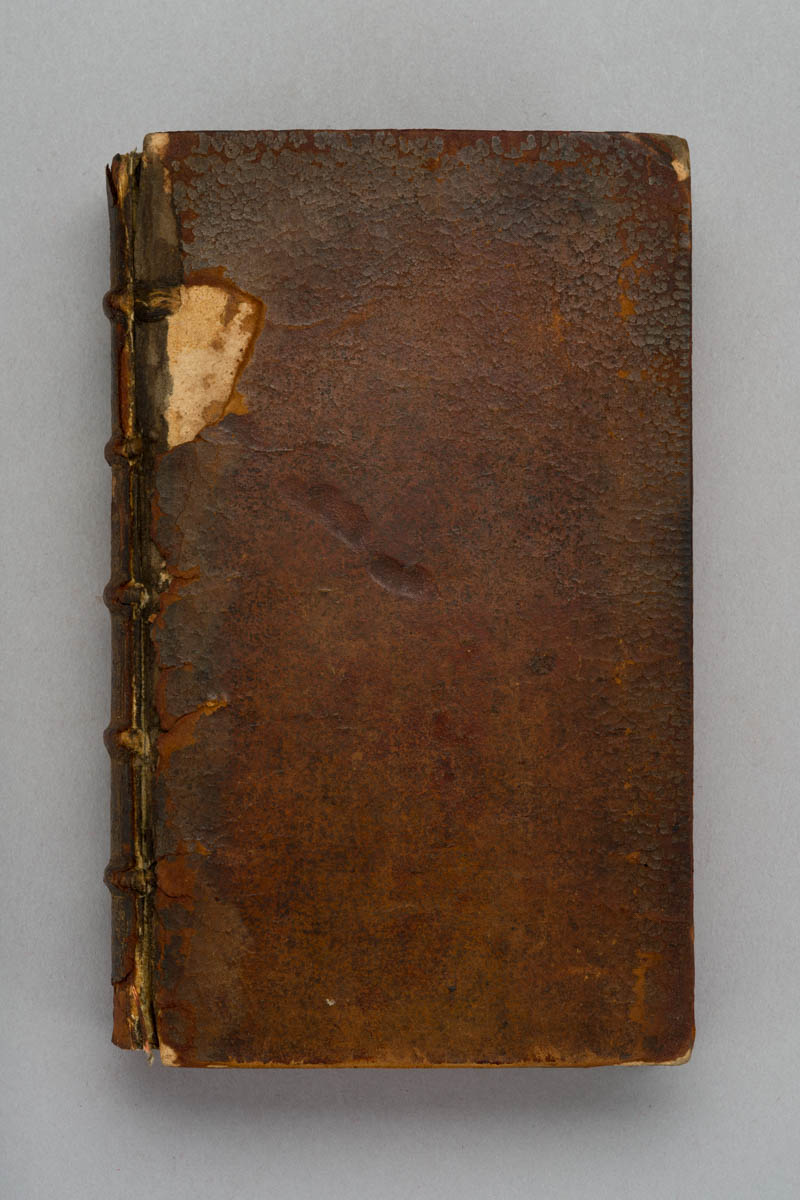
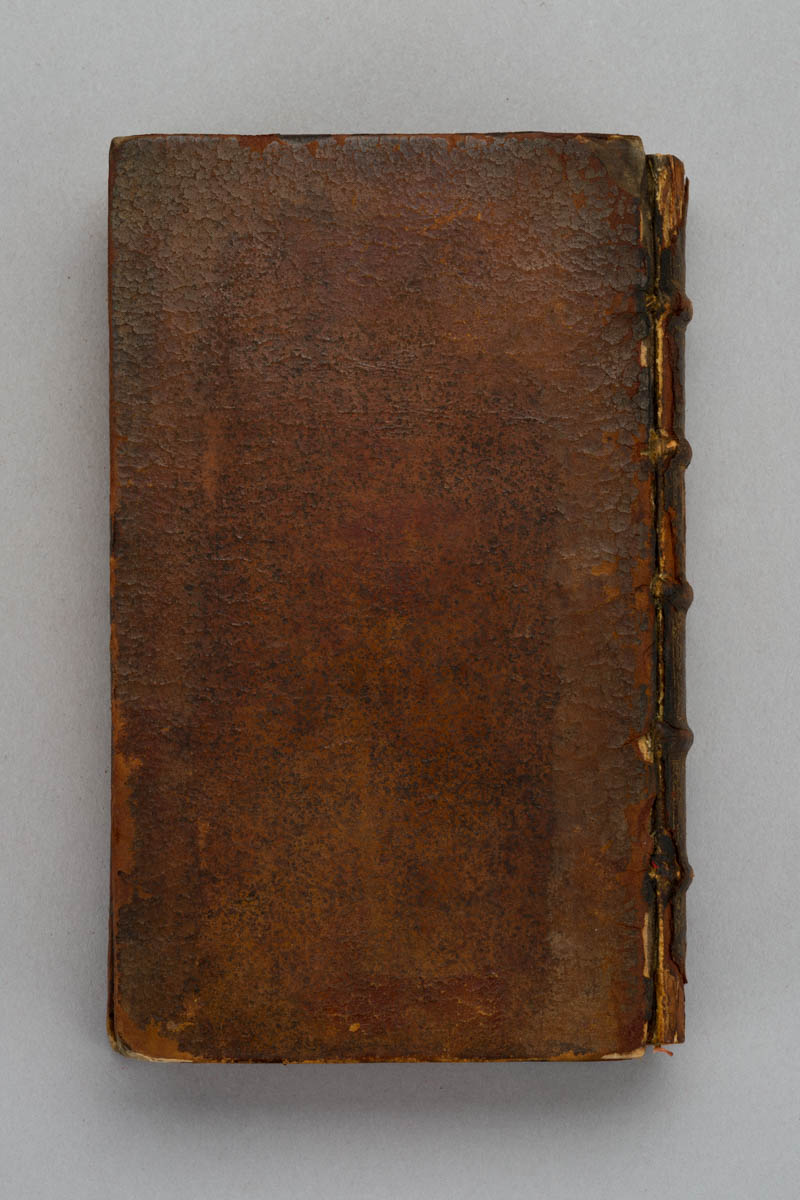
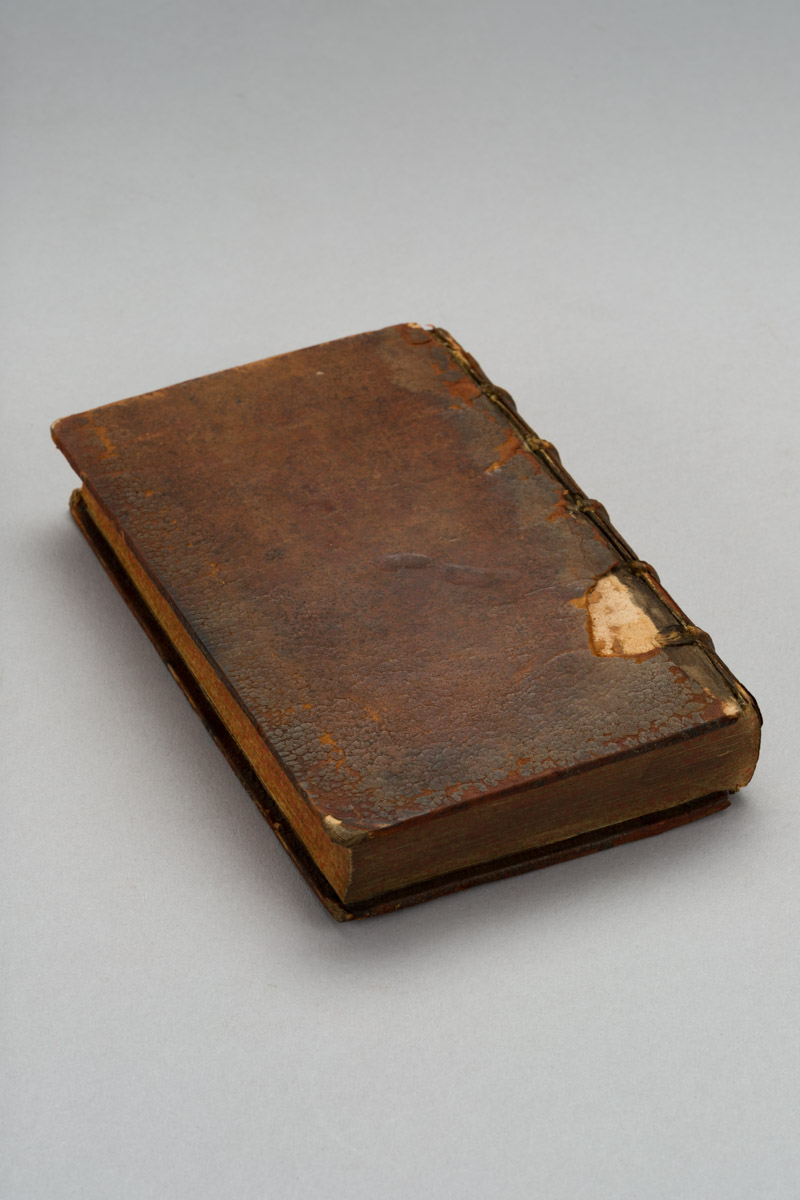
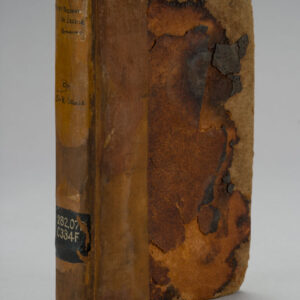
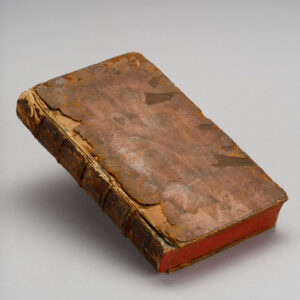
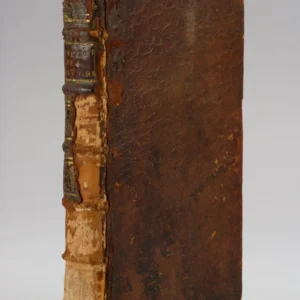
Period full calf, spine with raised bands and gilt-decorated compartments, with surviving gilt-lettered title label. Binding heavily worn, with cracking, rubbing and losses to the leather, including a substantial area of loss near the upper joint; joints and spine extremities worn. Internally substantially better preserved, with generally clean text showing expected age toning and occasional spotting.
Author: Saint Prosper of Aquitaine (c. 390–c. 455)
Translator: Louis-Isaac Le Maistre de Sacy (1613–1684)
Year: 1650
Edition: Second Edition
Publisher: Veuve Martin Durand, Paris
Language: Latin and French
1 in stock
This small volume takes us from the theological battles of the fifth century to the religious controversies of seventeenth-century France.
Saint Prosper of Aquitaine was one of the most vigorous early defenders of Saint Augustine’s doctrine of divine grace. His Carmen de Ingratis attacked the Pelagian and Semi-Pelagian positions concerning salvation, human freedom and the necessity of God’s grace.
More than a thousand years later, those questions had become intensely controversial again.
The translator of this edition, Louis-Isaac Le Maistre de Sacy, became one of the major intellectual figures associated with Port-Royal, the centre of French Jansenism. He is particularly remembered for the celebrated Bible de Port-Royal, one of the most influential French translations of the Bible.
His translation of Prosper therefore carried considerable contemporary resonance. A fifth-century defence of Augustine’s theology was being placed before French readers at precisely the time when arguments surrounding grace, free will and Jansenism were becoming some of the most explosive religious questions in France.
The book also travelled.
Its large title-page stamp records its later presence in the Maryland Episcopal Library, received through the legacy of E. H. Whittingham in 1879. The surviving manuscript attribution to Le Maistre de Sacy and institutional stamp together provide visible evidence of the book’s movement through several centuries of religious scholarship.
A compelling 1650 second edition bringing together several major strands of Christian intellectual history: Saint Augustine, Prosper of Aquitaine, the doctrine of grace, Port-Royal and Le Maistre de Sacy.
Unlike many theological books of this period, its historical context is particularly strong. A fifth-century argument about grace was translated by a figure closely associated with the movement that would place precisely those questions at the centre of one of seventeenth-century France’s great religious controversies.
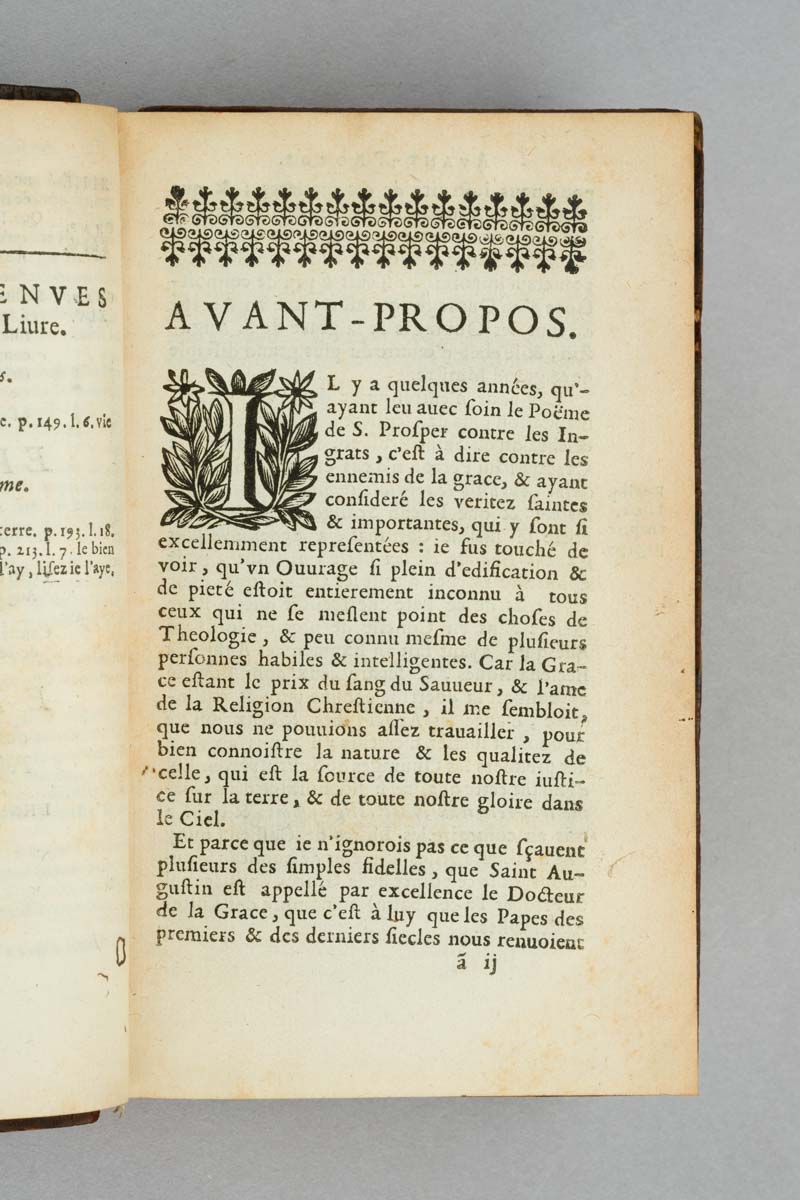
The bilingual Latin and French text, period calf binding, early manuscript attribution and documented nineteenth-century American ecclesiastical provenance add considerable physical and historical interest.
A genuine seventeenth-century theological book with a story extending from late Roman Christianity through Louis XIV’s France and ultimately to nineteenth-century America.