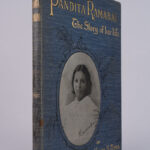
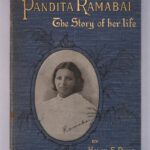
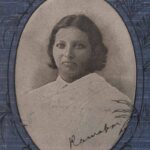
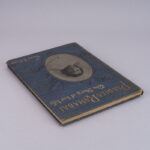
Pandita Ramabai was one of the most extraordinary women of nineteenth-century India.
Born in 1858 into a scholarly Brahmin family, she received an education in Sanskrit at a time when advanced learning was overwhelmingly denied to women. Her command of Sanskrit eventually brought her the honorific “Pandita”, meaning learned woman or scholar.
Her life was marked by profound upheaval. Orphaned while still young, widowed shortly after marriage and left with a daughter, Ramabai became increasingly concerned with the severe restrictions imposed upon Indian women, particularly child brides and high-caste Hindu widows.
She became an educator, writer and social reformer, travelled to Britain and the United States, converted to Christianity, and developed institutions devoted to women’s education and welfare. Her work placed her at the intersection of some of the defining questions of late nineteenth-century India: religion, caste, women’s education, widowhood, colonialism and social reform.
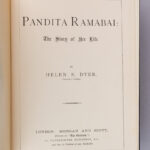
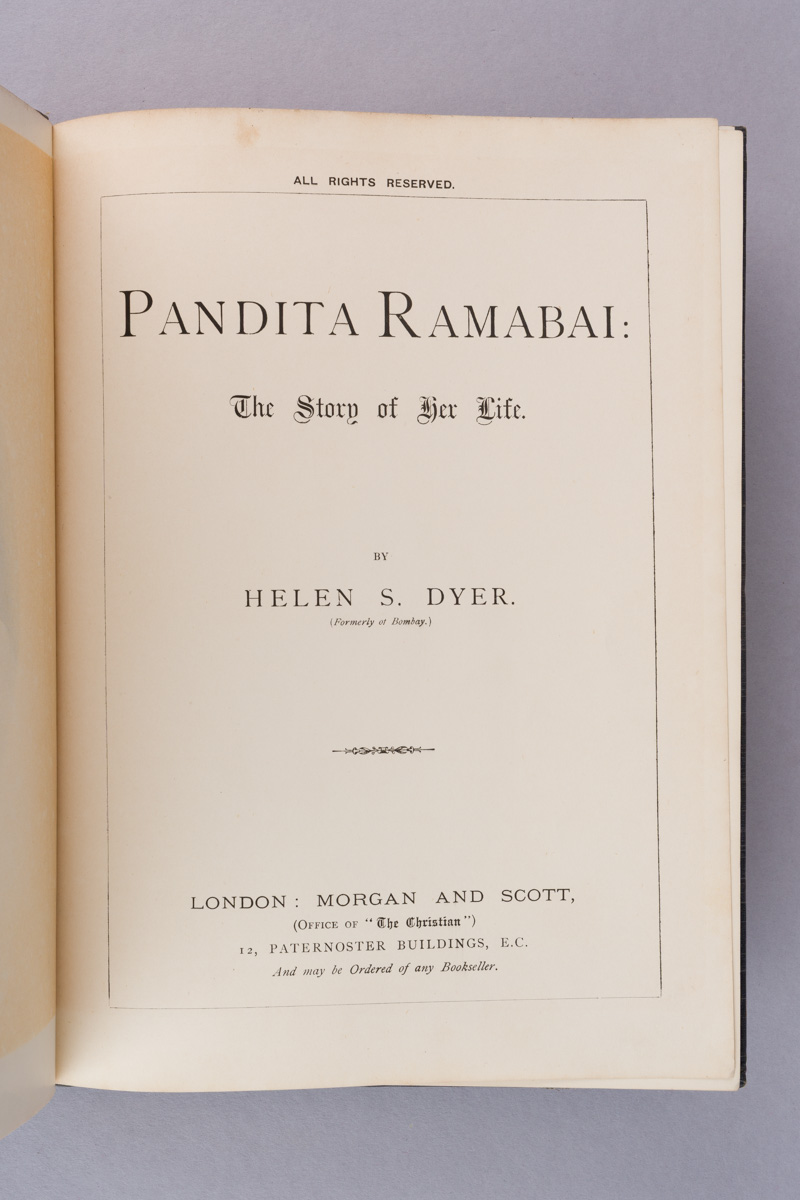
Helen Dyer’s biography is especially interesting because it was produced while Ramabai was still alive and actively pursuing her work. It is therefore not a retrospective modern biography but a contemporary Victorian account of a woman whose reputation was already spreading internationally.
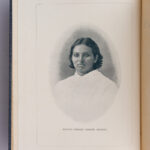
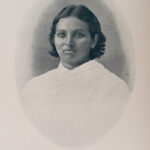
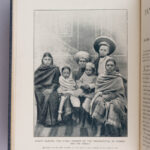
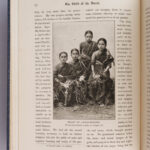
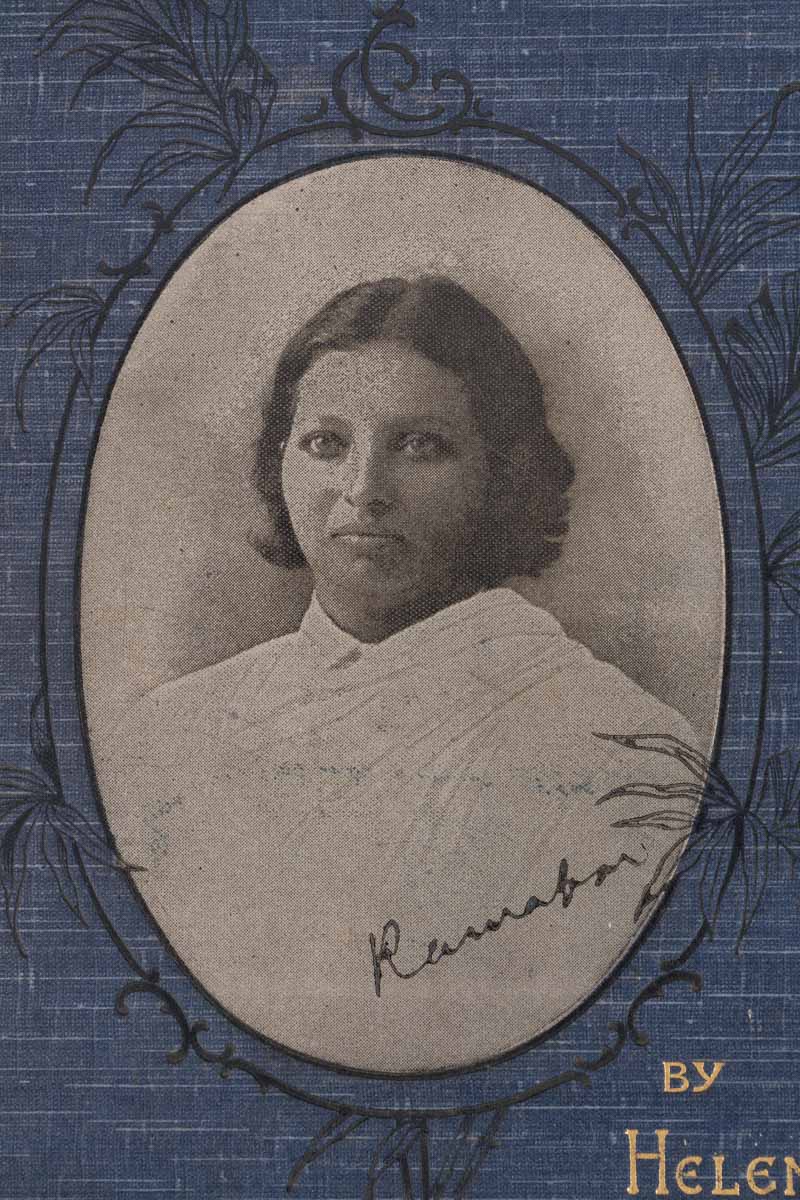
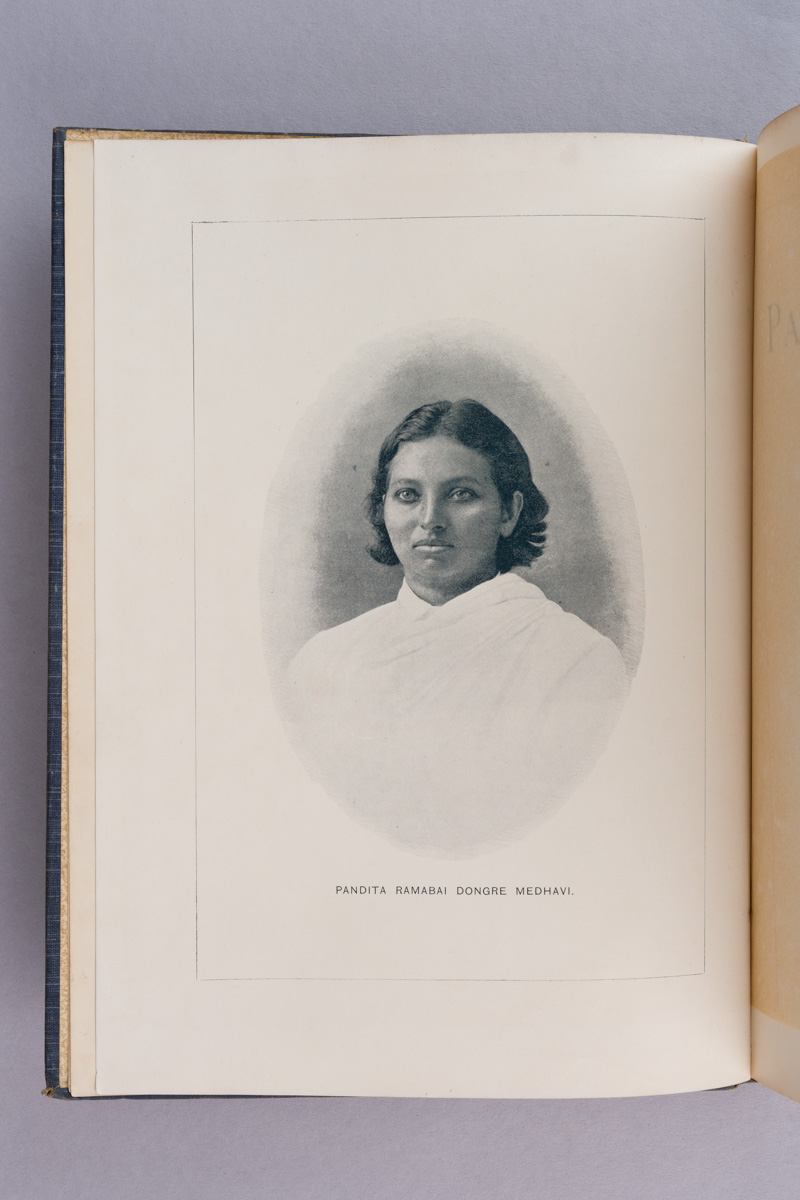
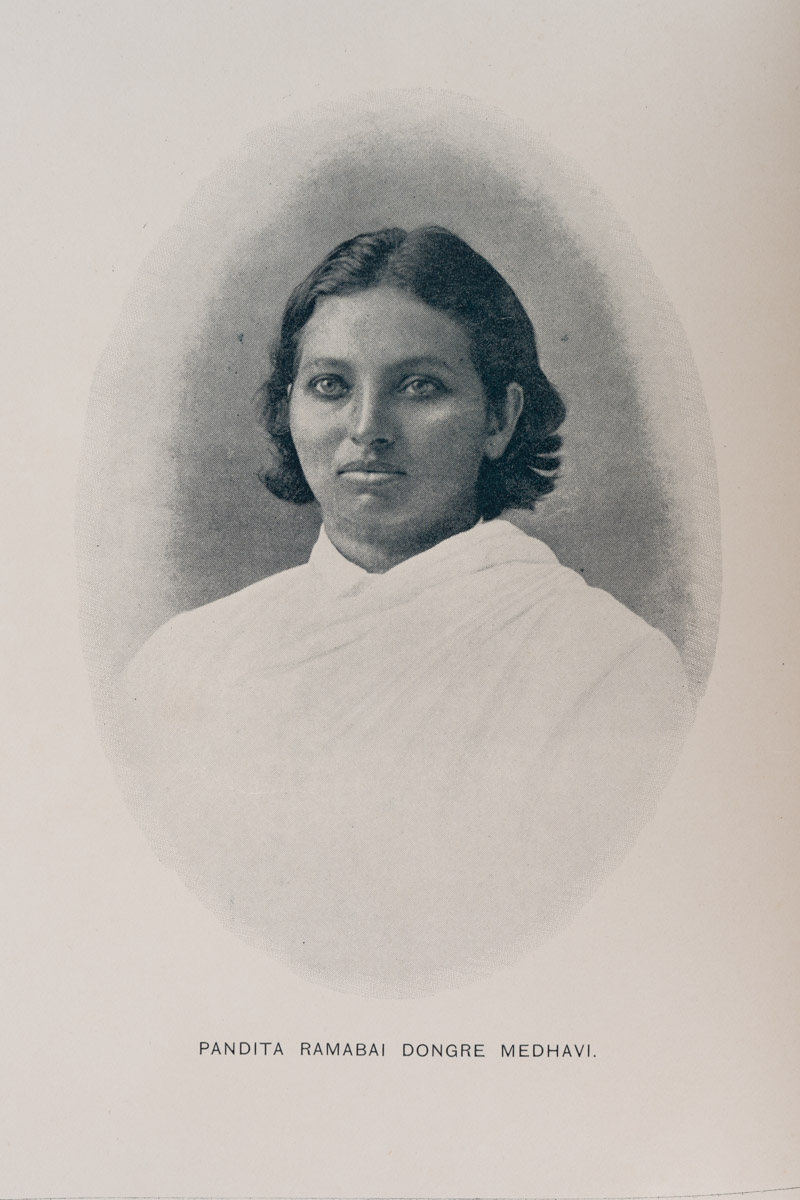
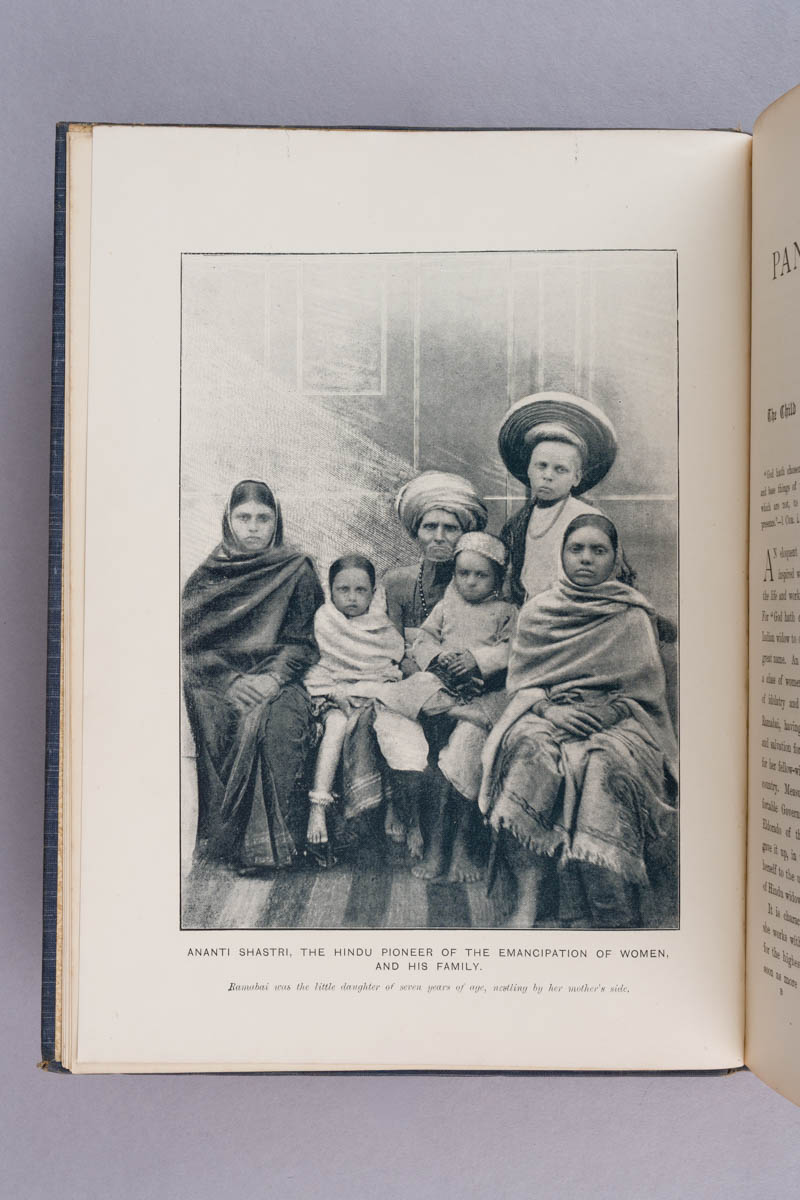
The illustrations give the volume additional documentary importance. The family portrait presents Ramabai as a young child alongside her father, Anant Shastri Dongre, whose decision to educate women within his family profoundly influenced her later life. The formal portrait of the adult Ramabai presents the woman who would become one of India’s best-known advocates for female education.
The book inevitably reflects the evangelical Christian perspective of its author and publisher. That context is itself historically significant: Ramabai’s relationship with Christianity, Western missionaries and British and American supporters was complex and became an important part of the international history of women’s reform in India.
This is a particularly appealing nineteenth-century work relating to an important Indian woman rather than the more usual British colonial administrator, missionary or traveller.
Pandita Ramabai occupies an important place in the histories of Indian feminism, women’s education and social reform. Contemporary material documenting her life therefore has considerably broader relevance than missionary history alone.
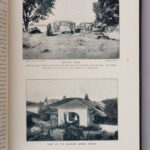
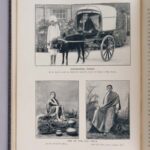
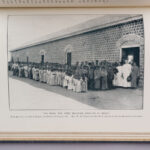
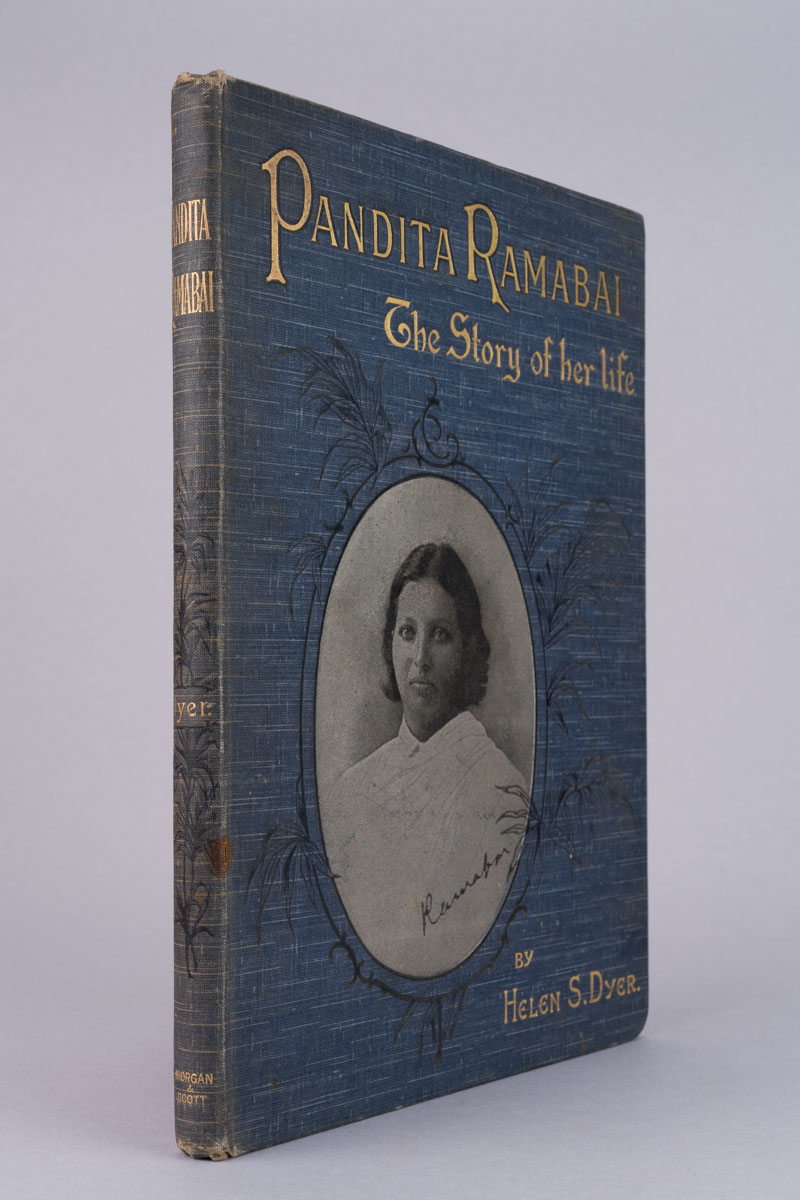
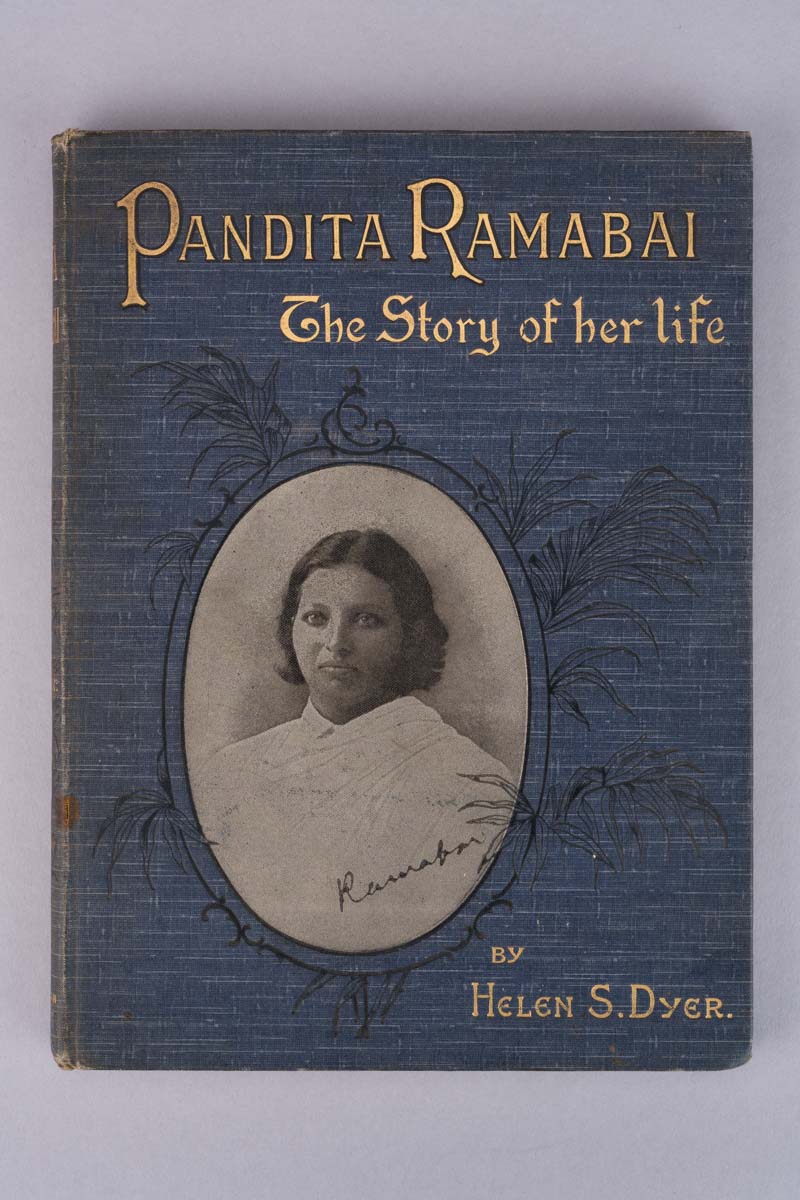
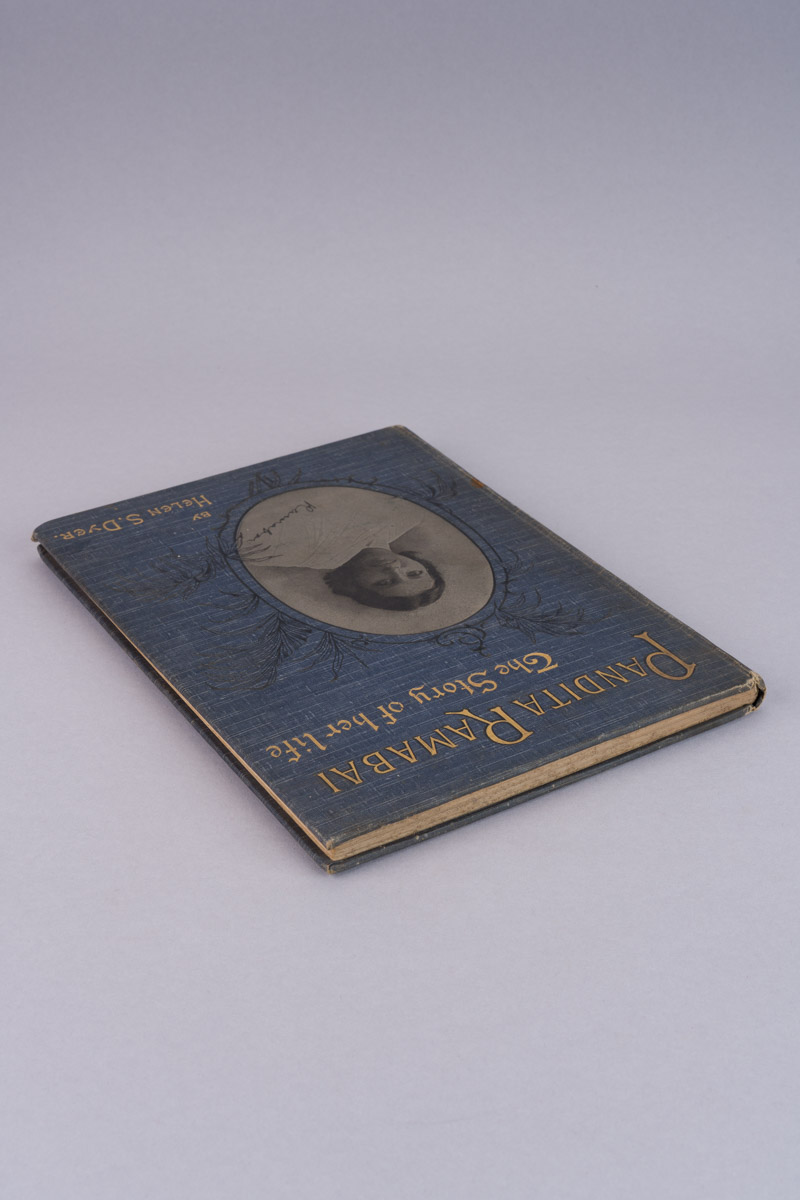
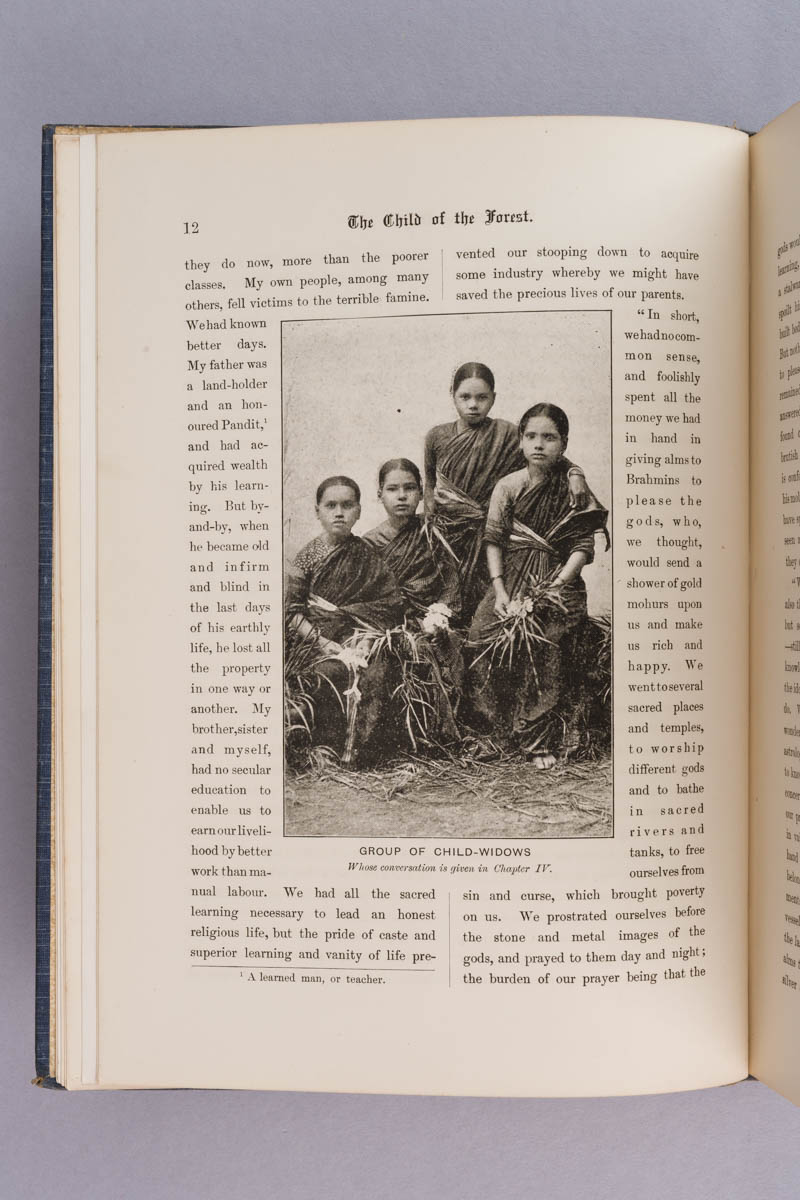
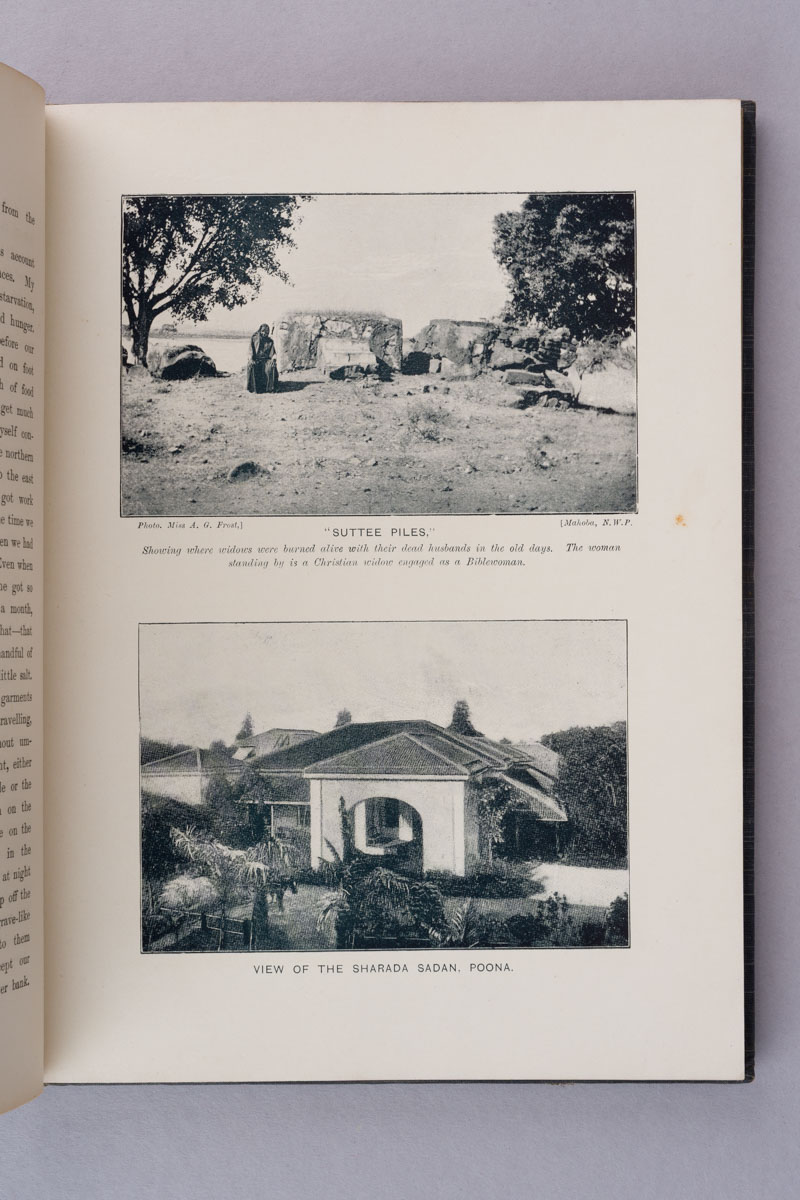
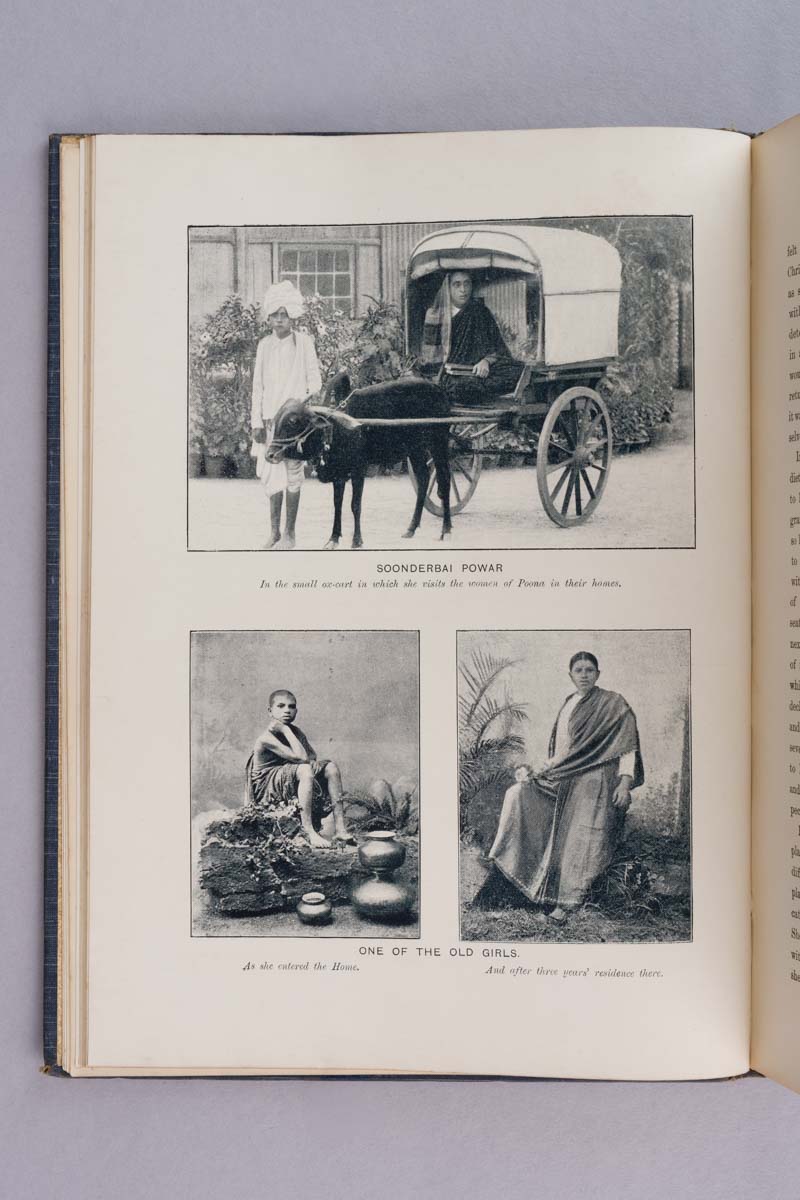
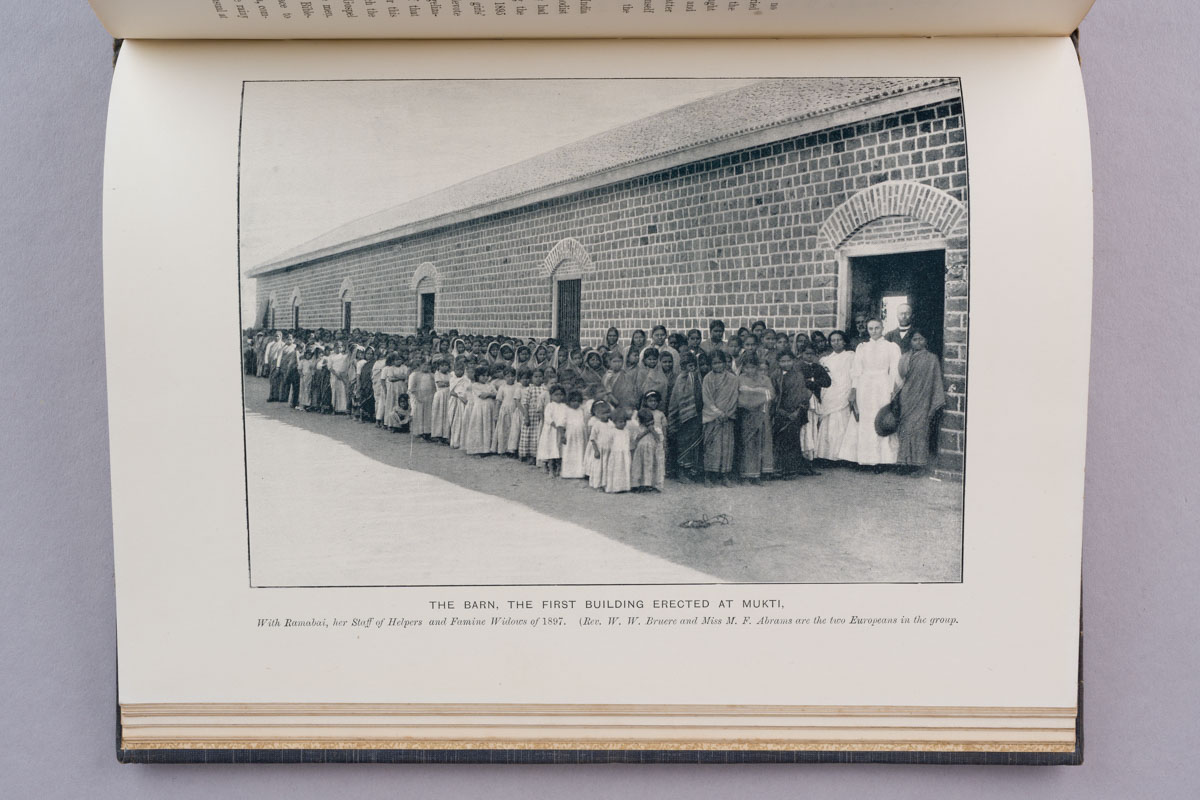
The photographic illustrations are an important attraction, particularly the portraits of Ramabai and her family, while the publisher’s original pictorial cloth — incorporating Ramabai’s portrait directly into the front cover — gives the book considerable visual presence.
It would sit particularly well in a collection devoted to women’s history, India, education, social reform, feminism, colonial history or nineteenth-century photography.