£895.00
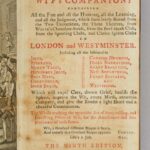
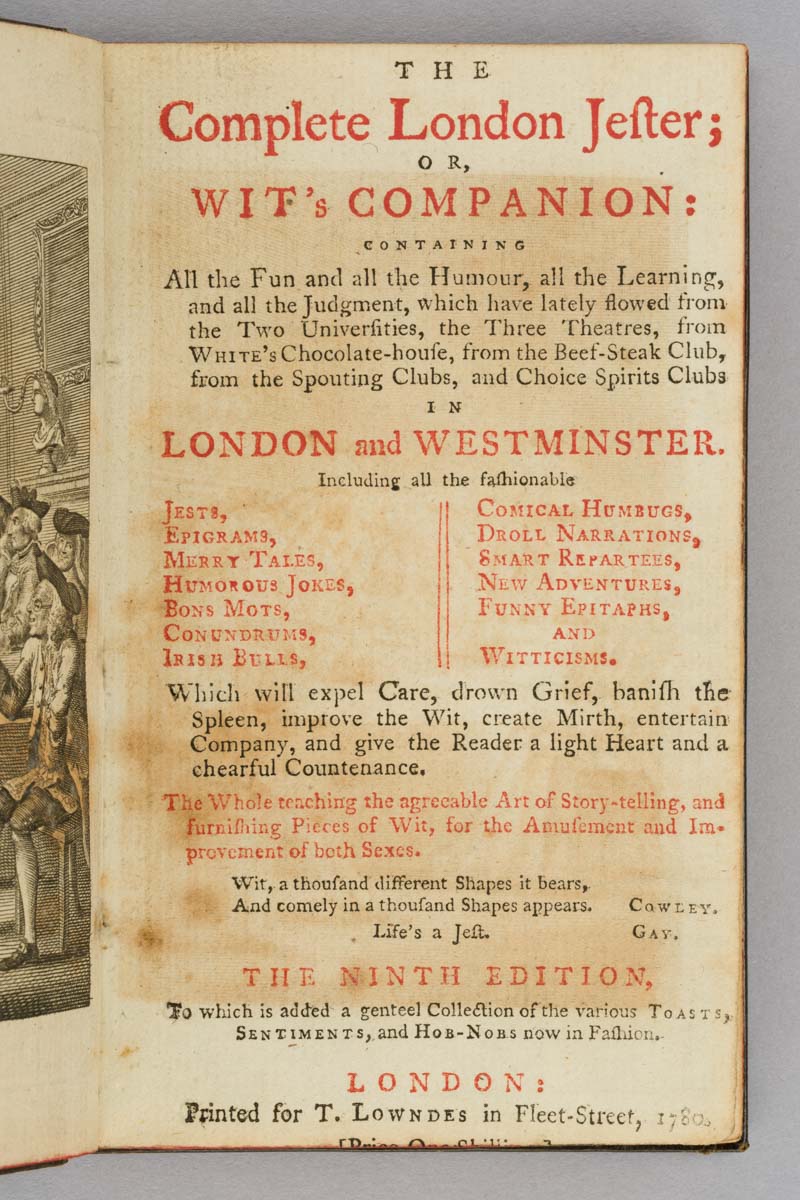
The Complete London Jester; or, Wit’s Companion: Containing All the Fun and all the Humour, all the Learning, and all the Judgment, which have lately flowed from the Two Universities, the Three Theatres, from White’s Chocolate-house, from the Beef-Steak Club, from the Spouting Clubs, and Choice Spirits Clubs in London and Westminster.
Ninth Edition. London: Printed for T. Lowndes, in Fleet-Street, 1780.
Anonymous. An eighteenth-century collection of English humour, wit, anecdotes, epigrams, repartee, bons mots, conundrums, Irish bulls, comic narratives and fashionable toasts, presenting a vivid picture of the social and conversational culture of Georgian London.
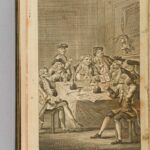
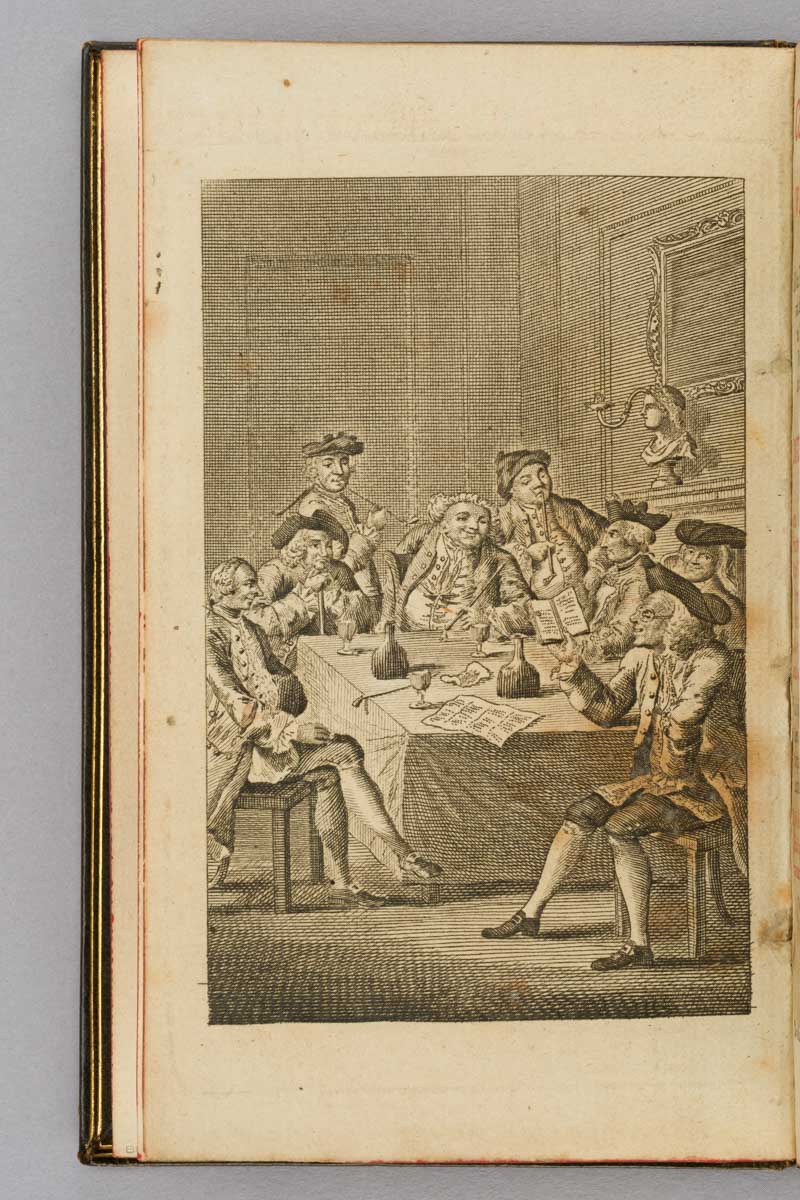
With an engraved frontispiece depicting a convivial company gathered around a table, and an exceptionally attractive title page printed in red and black.
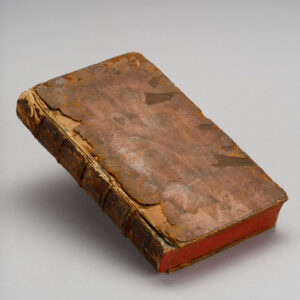
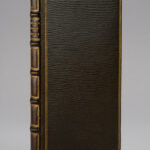
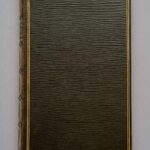
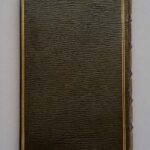
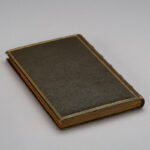
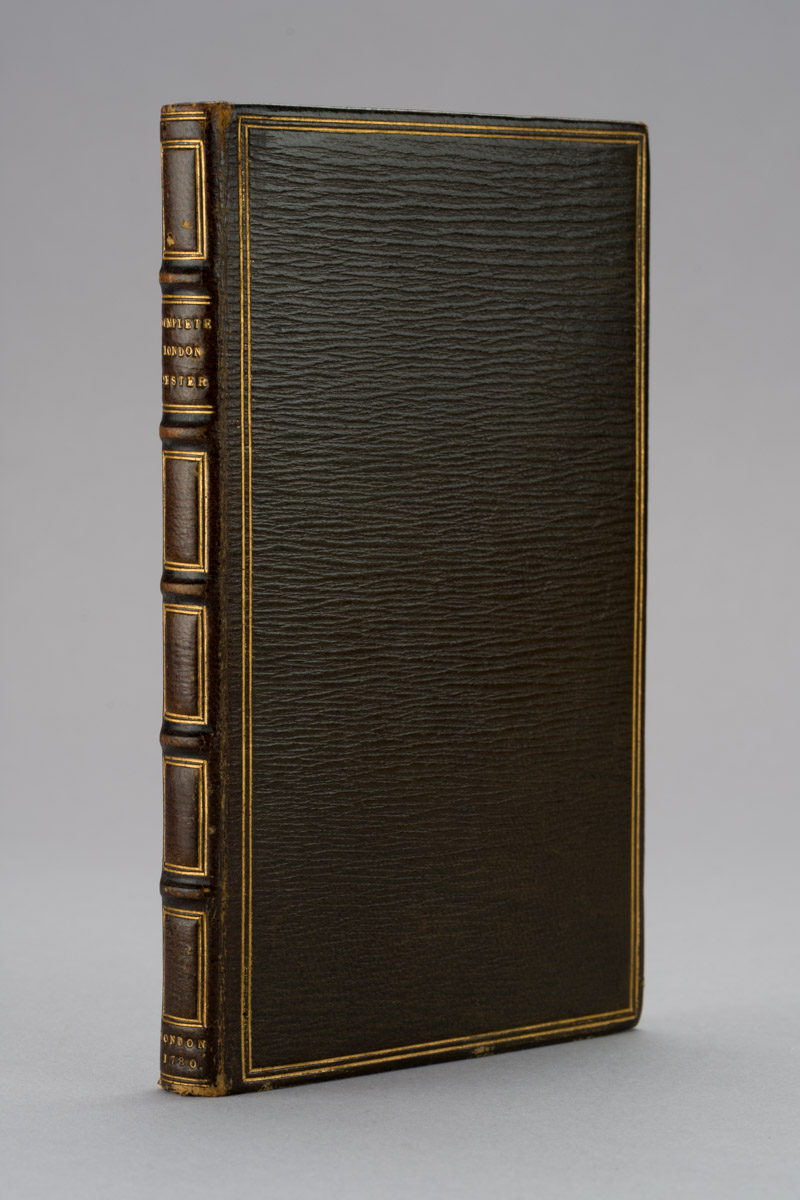
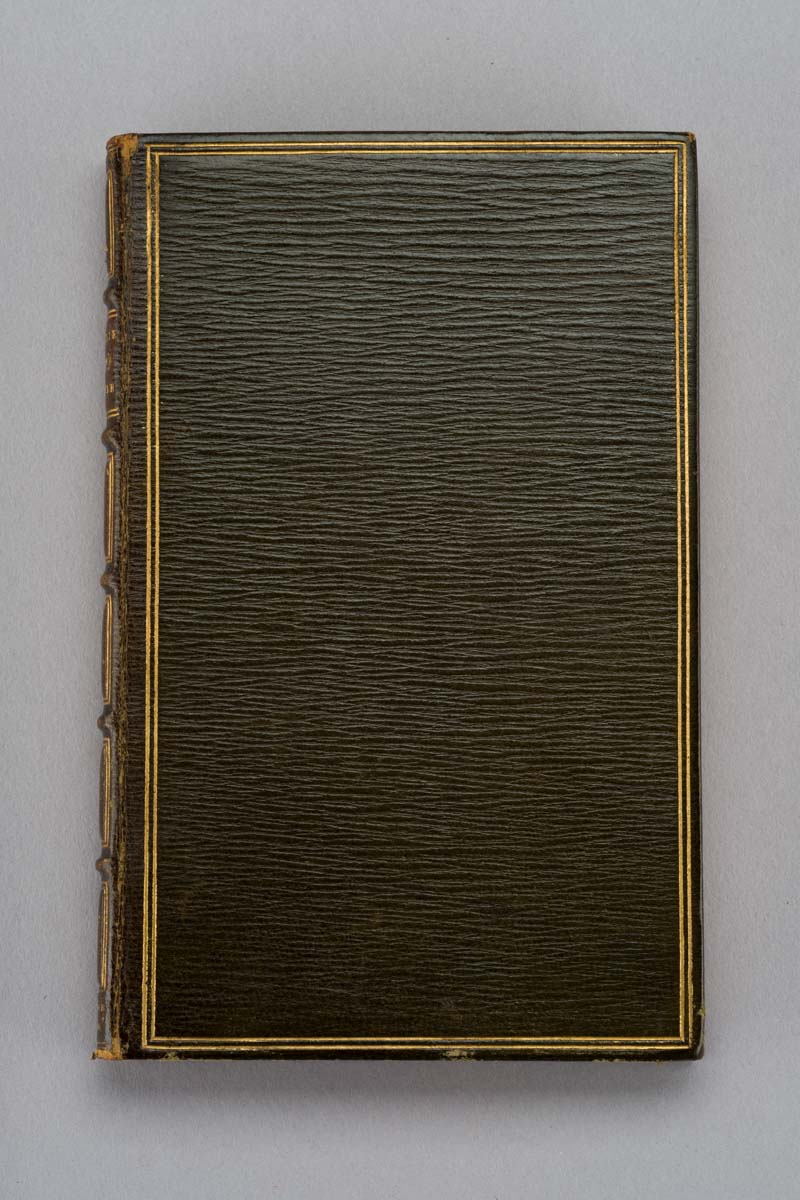
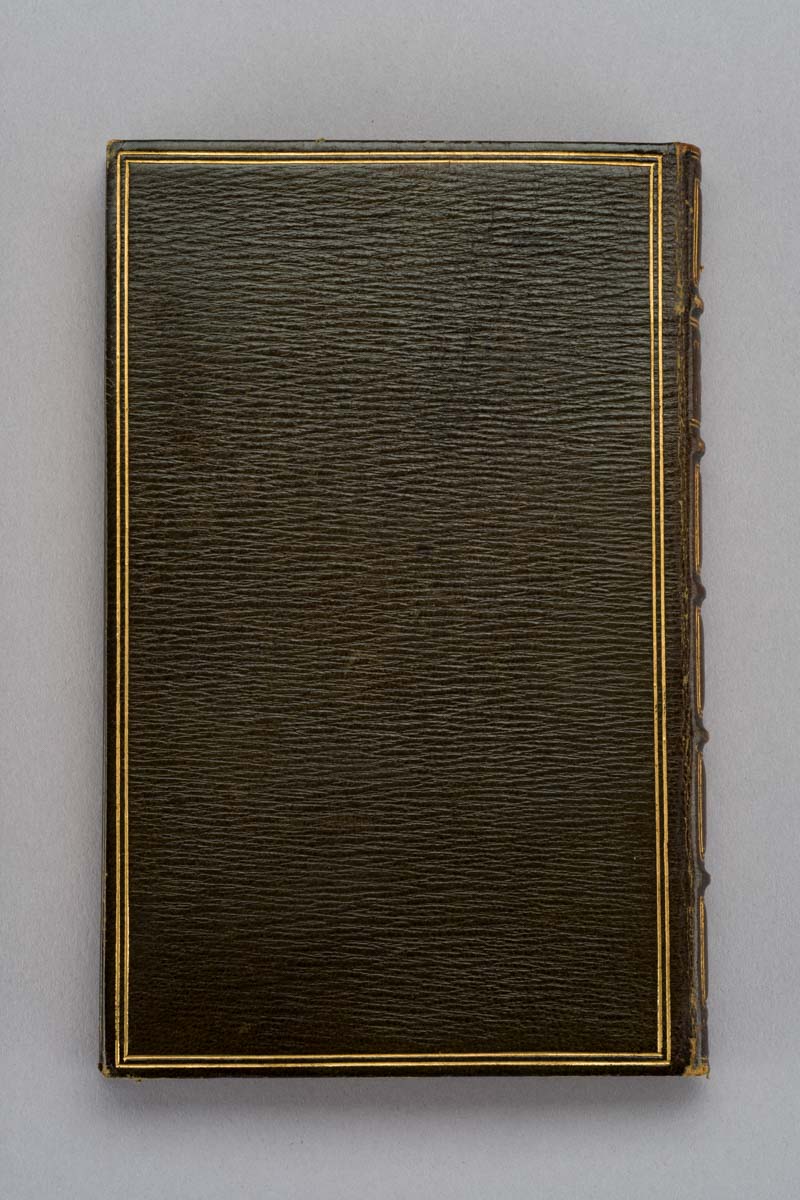
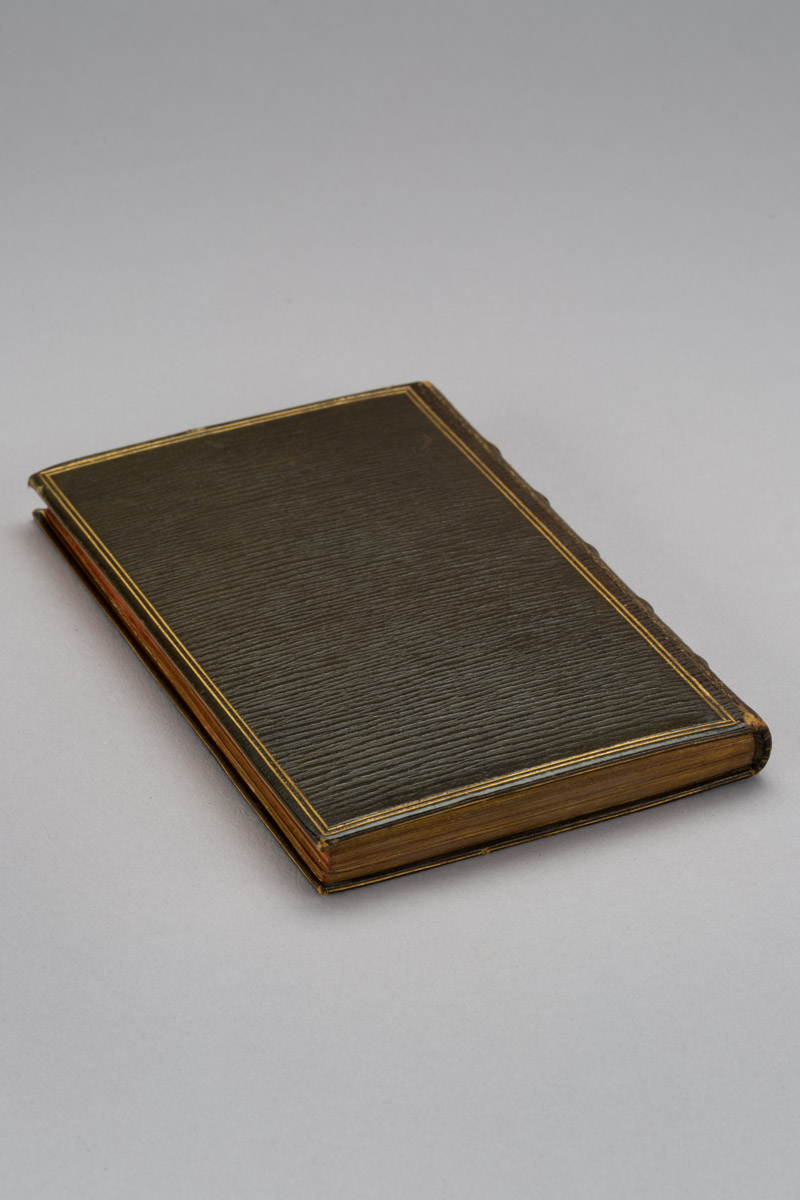
Bound in dark green-black full morocco, the covers framed with double gilt fillets, spine with raised bands, gilt compartments and lettering; red-edged text block. The binding shows some rubbing and wear, principally at the extremities and spine, consistent with age and use. Internally with occasional spotting, toning and marks, but retaining considerable visual appeal.
A particularly engaging survival of eighteenth-century London popular culture, combining humour, drinking culture, clubs, coffee-house society, theatre and fashionable conversation in a single volume.
ESTC N31611.
Year: 1780
Edition: Ninth Edition
Publisher: Printed for T. Lowndes, in Fleet-Street
1 in stock
London in 1780 was a city alive with conversation.
Coffee houses, taverns, theatres and private clubs formed an extraordinary social network in which politicians, writers, actors, merchants and fashionable society exchanged gossip, arguments, jokes and scandal. The Complete London Jester captures something of that world remarkably directly.
Its title page promises material flowing from the universities, London’s theatres, White’s Chocolate House, the Beef-Steak Club, Spouting Clubs and other “Choice Spirits Clubs” of London and Westminster. What follows is an anthology of the humour that entertained Georgian society: jests, epigrams, comic stories, conundrums, repartee, bons mots, Irish bulls and fashionable witticisms.
The reference to White’s is particularly evocative. Established in the seventeenth century as a chocolate house, White’s became one of London’s most celebrated gentlemen’s clubs and a centre of fashionable society, politics, gambling and gossip.
The Beef-Steak Club belonged to another strand of London’s club culture, associated particularly with theatre, convivial dining and the company of actors, writers and men of influence.
The engraved frontispiece brings this social world to life: a company of Georgian gentlemen gathered around a table, drinking, reading and exchanging stories. It is almost a visual manifesto for the book itself.
Even the title page sells the experience enthusiastically, promising humour capable of expelling care, drowning grief, banishing the spleen, improving wit and creating mirth.
This was not simply a book intended to be read quietly. It was a storehouse of material for conversation — jokes and stories that could be remembered, repeated and carried back into the taverns, clubs and drawing rooms from which much of the material had supposedly originated.
By 1780 the work had reached its ninth edition, evidence of the continuing appetite for such collections.
More than two centuries later, The Complete London Jester offers an unusually intimate connection with Georgian life: not through great political events or formal histories, but through something far more human — what Londoners found funny.
A window into Georgian London.
The book provides a fascinating contemporary record of the humour, conversation and social habits associated with eighteenth-century London.
The ninth edition, published in 1780.
Its repeated publication demonstrates the popularity of the work with contemporary readers.
White’s Chocolate House and London’s club culture.
The explicit references to White’s, the Beef-Steak Club, theatres and other London clubs give the volume particular appeal to collectors interested in Georgian social history, coffee-house culture and the history of London.
A handsome eighteenth-century object.
The dark morocco binding with gilt ruling, raised bands and gilt spine complements the striking red-and-black title page.
Engraved frontispiece.
The convivial scene of gentlemen gathered around a table provides an unusually appropriate visual introduction to the world described within.
An entertaining primary source.
Unlike formal histories of the period, this volume preserves ephemeral popular culture: jokes, stories, repartee, drinking humour and conversational wit.
Strong crossover collecting appeal.
Relevant to collections devoted to London, Georgian Britain, humour, coffee houses, gentlemen’s clubs, theatre, drinking culture, social history and eighteenth-century literature.