£3,450.00
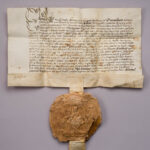
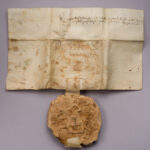
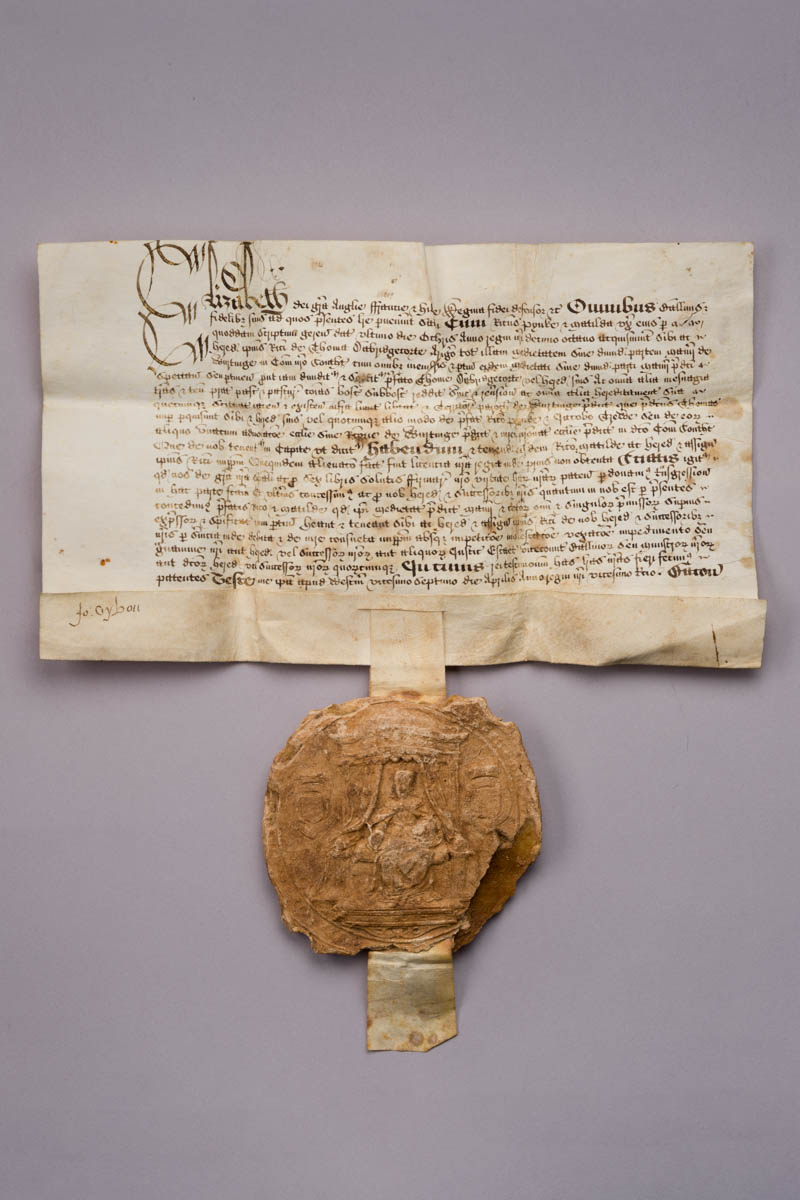
An exceptional Elizabethan royal document issued under the authority of Queen Elizabeth I, dated 27 April 1581, preserving its impressive original pendant Great Seal of Elizabeth I.
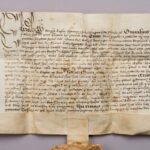
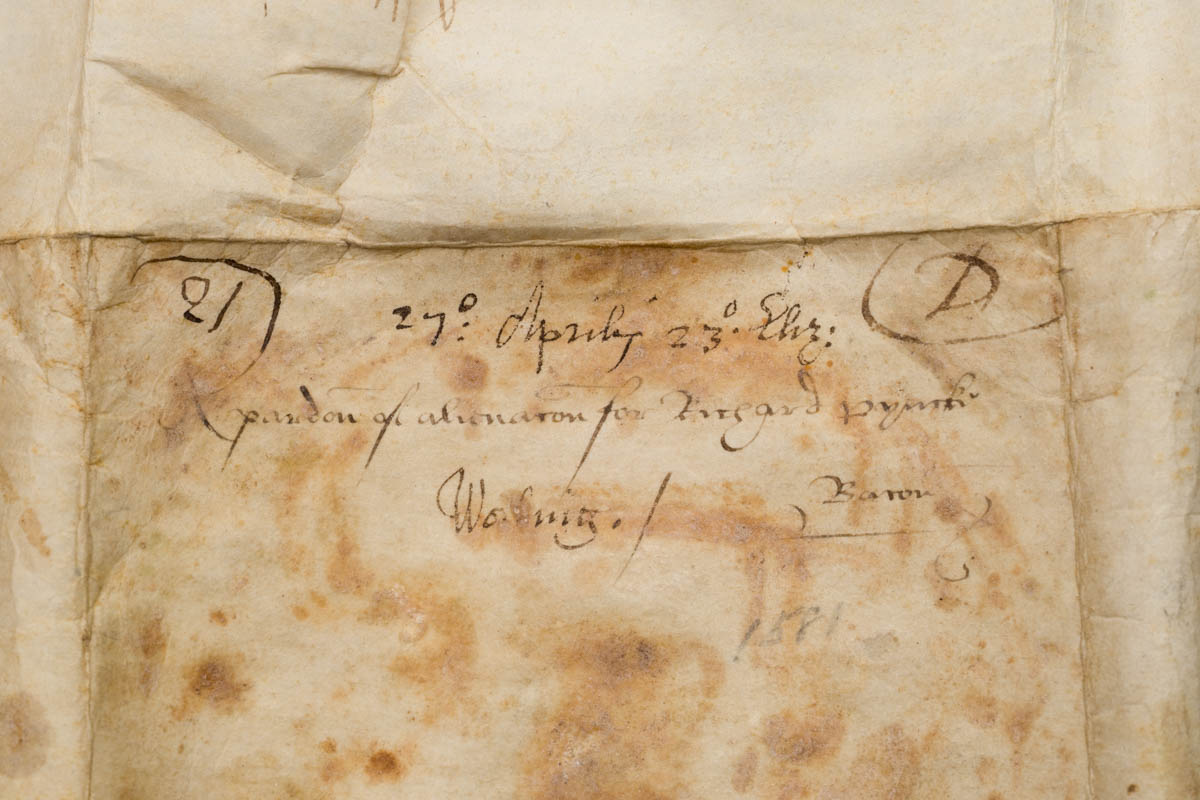
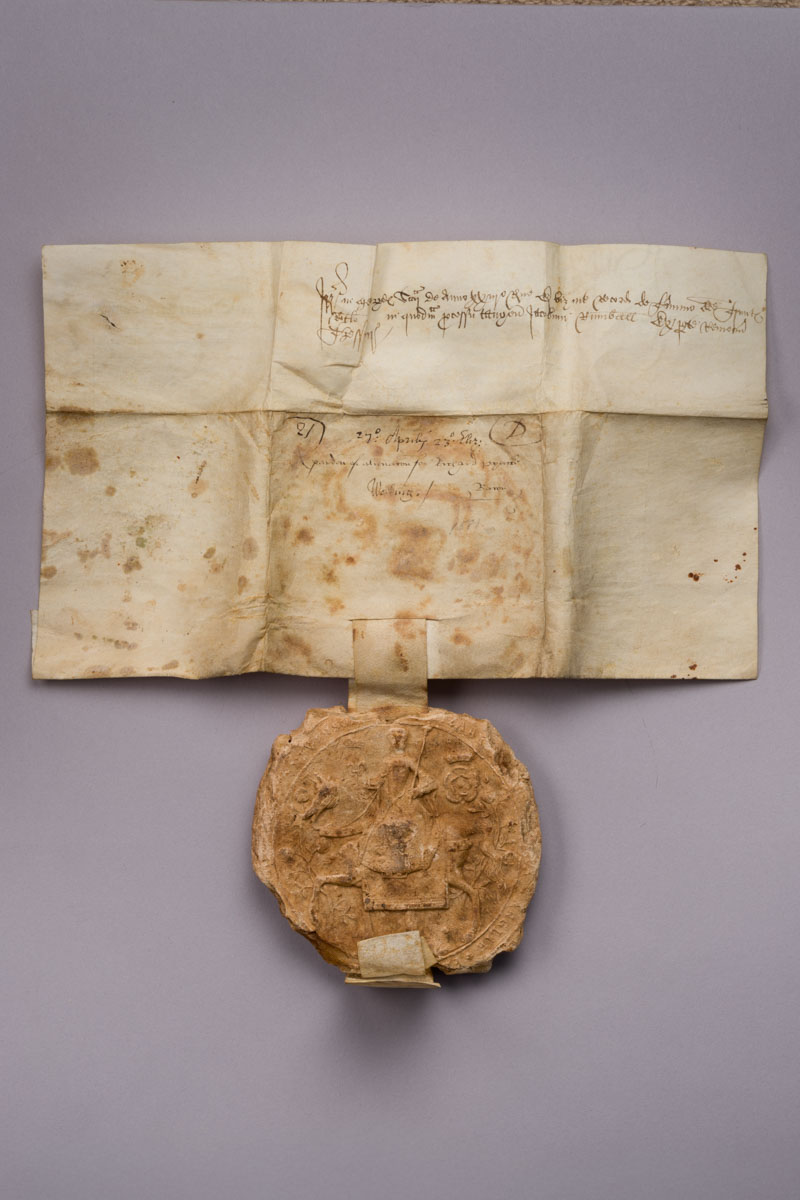
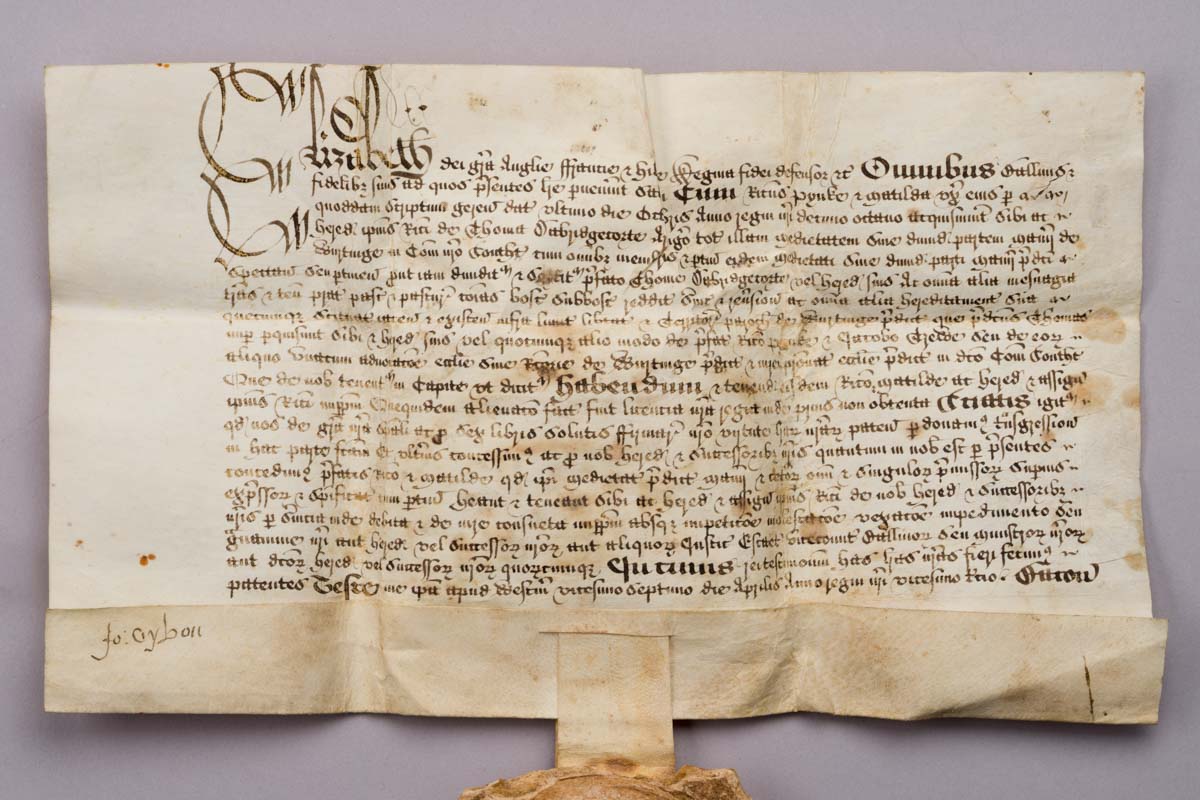
Written in Latin in a formal chancery hand upon vellum, the document records a Pardon of Alienation granted to Richard Pynke and Matilda his wife, relating to their alienation of the manor of Worting, near Basingstoke in Hampshire, together with a messuage, to Thomas Dabridgecorte.
Under the Tudor system of land tenure, property held of the Crown could not simply be transferred or “alienated” without the appropriate royal licence. Where a transfer had taken place without prior licence, the Crown could issue a pardon upon payment of the appropriate fine. Comparable surviving Elizabethan pardons demonstrate that these instruments formed part of the Crown’s administration of landholding and its associated revenues.
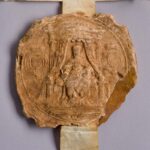
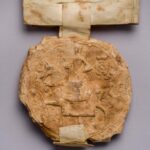
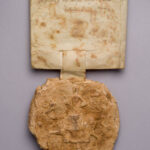
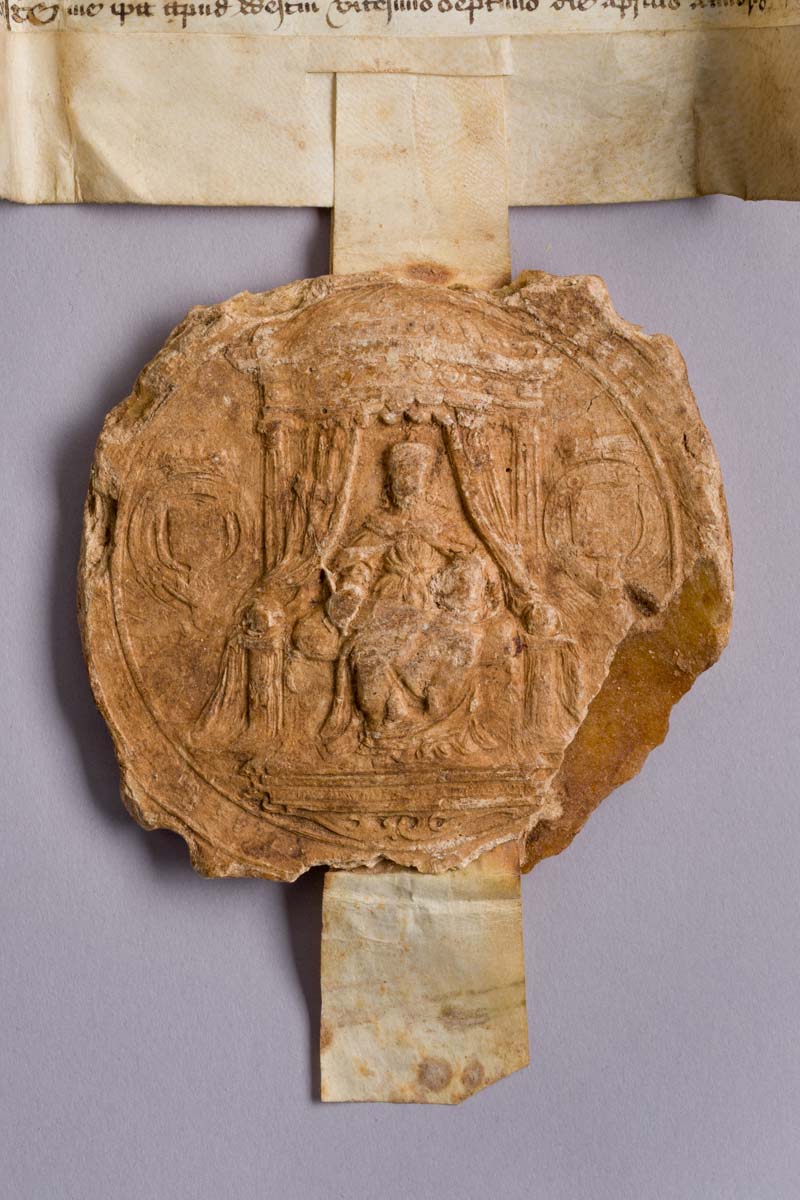
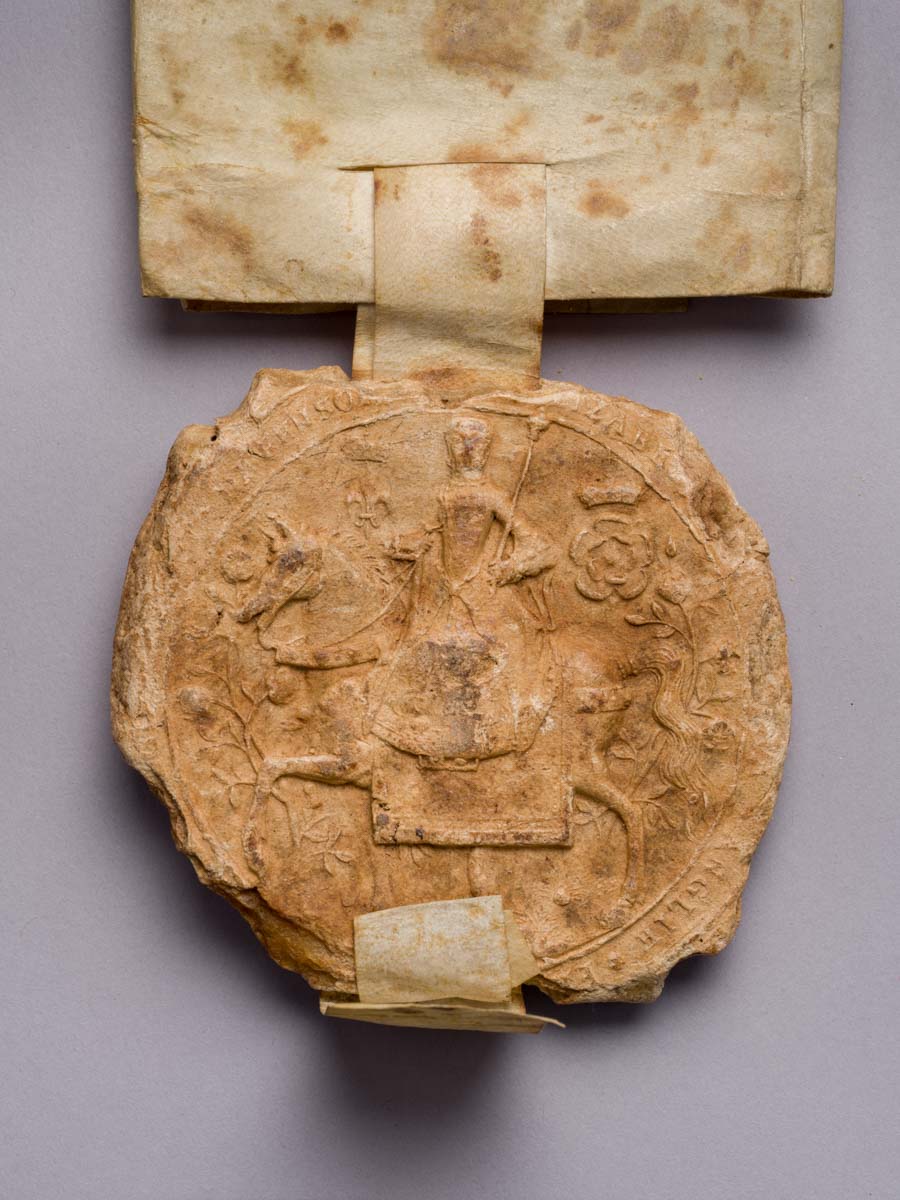
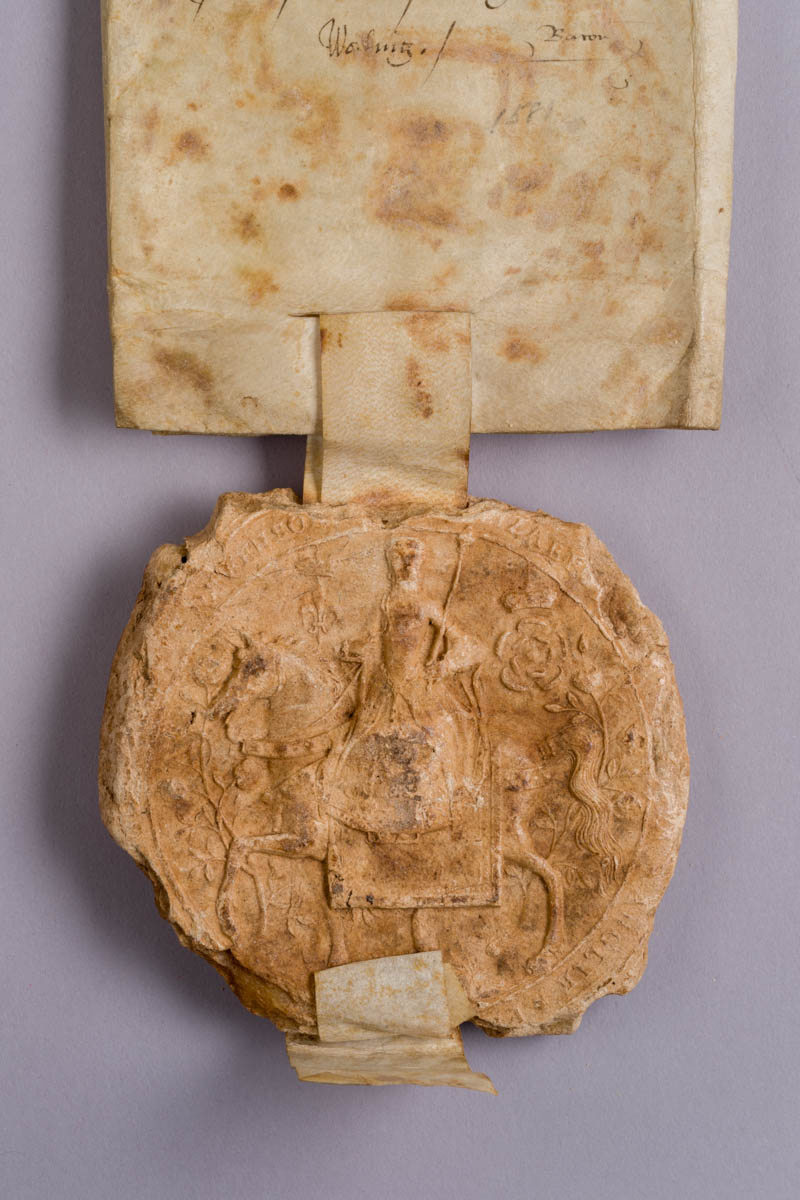
The manuscript is particularly distinguished by the survival of its large pendant Great Seal, suspended from the vellum by its original tag. The seal retains substantial detail despite age-related abrasion and losses. One face depicts the enthroned sovereign beneath a canopy, while the other carries the traditional equestrian representation of the monarch.
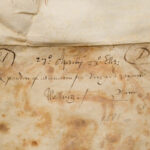
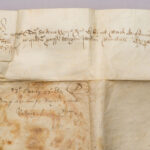
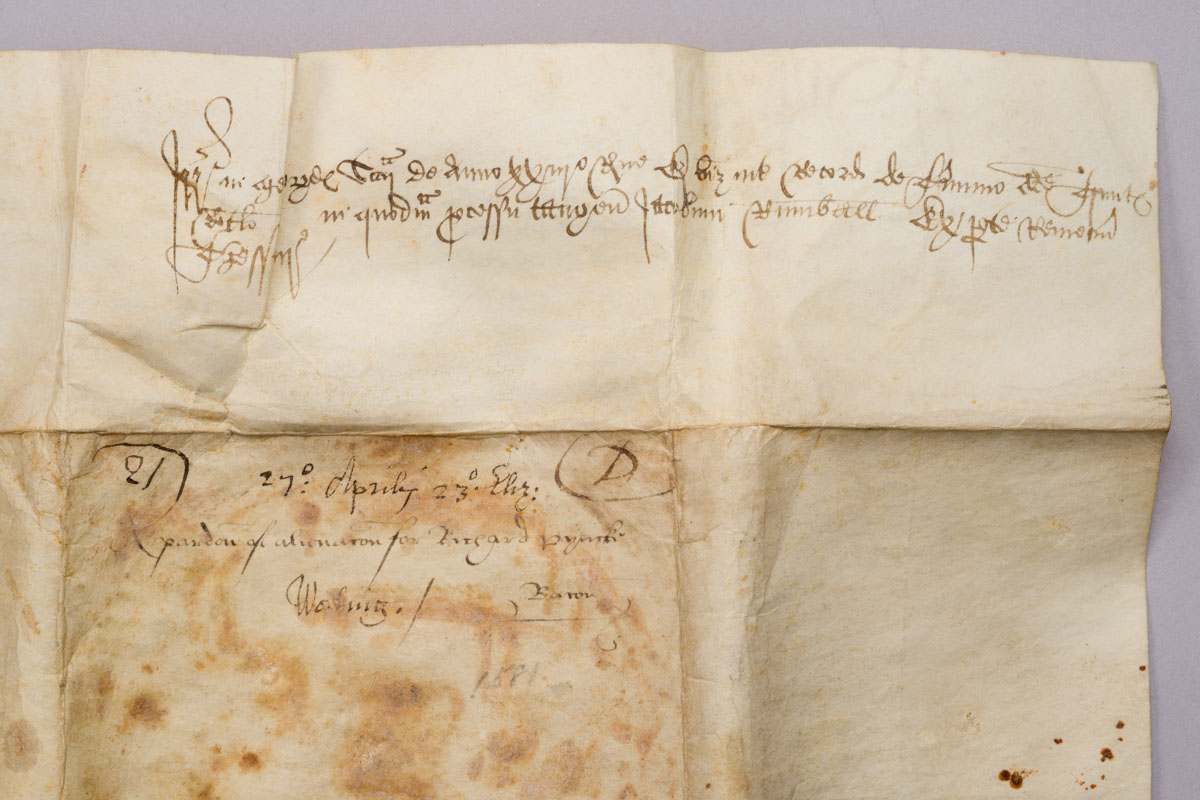
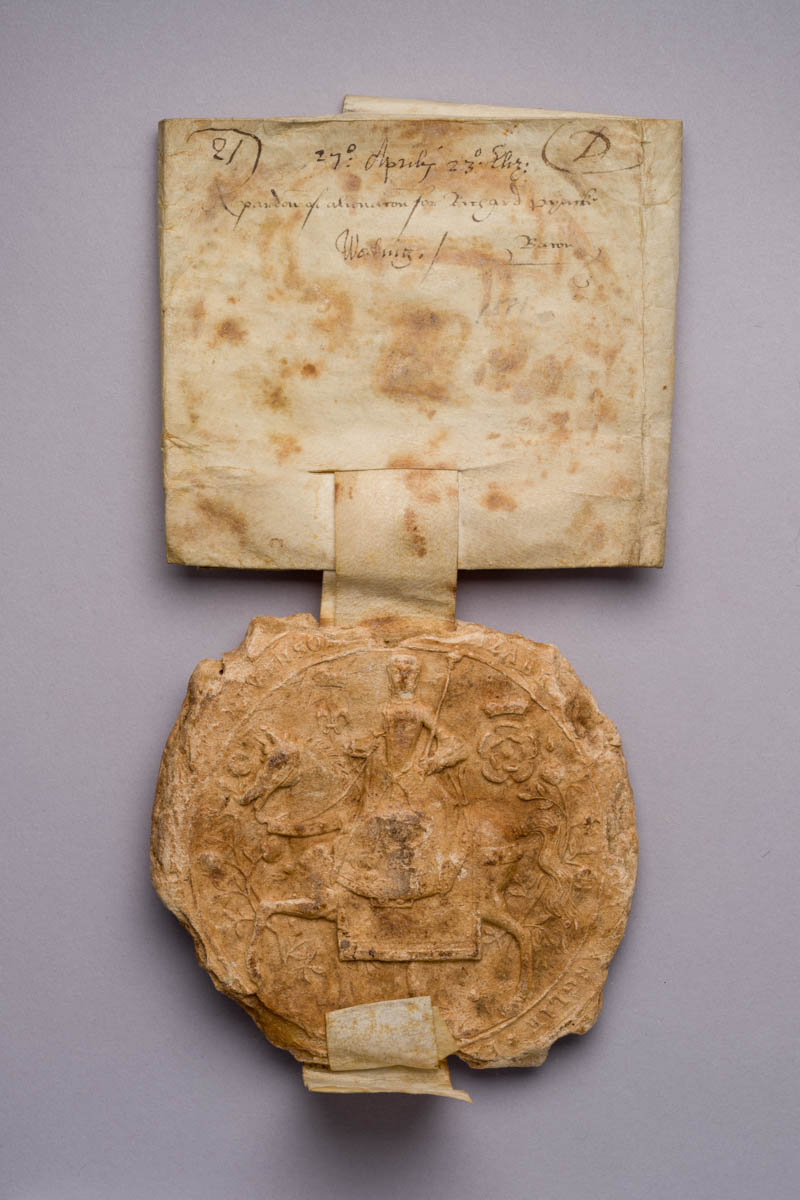
The photographs show an imposing object: the broad vellum sheet, elaborate calligraphic opening, original folds and substantial royal seal together give the document considerable visual presence.
Documents issued during Elizabeth I’s reign are highly collectible in their own right; examples retaining their pendant Great Seal are especially desirable. Institutional collections including the Folger Shakespeare Library and Royal Museums Greenwich preserve comparable Elizabethan pardons of alienation with the Great Seal attached.
Manuscript on vellum with the original pendant Great Seal attached. Vellum naturally creased and folded from historical storage, with staining, spotting and general age-related wear. The wax seal has rubbing, edge losses and some loss of definition but remains substantially preserved and attached. Please refer to the extensive photographs, which form an important part of the condition description.
Year: 1581
Edition: Original Manuscript / Royal Letters Patent
Publisher: Royal Chancery of Queen Elizabeth I, England
1 in stock
On 27 April 1581, while Elizabeth I had occupied the English throne for more than two decades, this document was issued through her royal administration concerning the transfer of the Manor of Worting in Hampshire.
More than four centuries later, the document survives not merely as a written record, but as a tangible object of Elizabethan government. Written by hand on vellum in the formal language and script of the Tudor chancery, it still carries the great emblem of royal authority: the pendant Great Seal of Queen Elizabeth I.
The seal is particularly evocative. Its imagery presents Elizabeth both as sovereign upon her throne and as monarch on horseback — the physical representation of the authority under which the document was issued.
This is history in its original form: written, sealed and issued during the reign of Elizabeth I in 1581, and preserved for more than 440 years.
This is an opportunity to own an original Elizabethan royal document, rather than a later printed account of the period.
Its combination of 1581 date, manuscript vellum, identifiable historical transaction and surviving Great Seal of Elizabeth I gives it considerable historical and visual appeal. Displayed open with the seal beneath it, it is also an exceptionally striking artefact.
For collectors of Tudor England, Elizabeth I, royal documents, manuscripts, legal history or British history, it represents a direct physical connection with one of the defining reigns in English history.
Original Elizabethan manuscript on vellum, dated 27 April 1581, recording a Pardon of Alienation concerning the Manor of Worting, Hampshire. Issued under Queen Elizabeth I and retaining its substantial pendant Great Seal. A remarkable surviving document of Tudor royal administration, more than 440 years old.