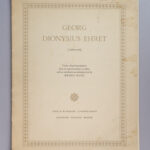
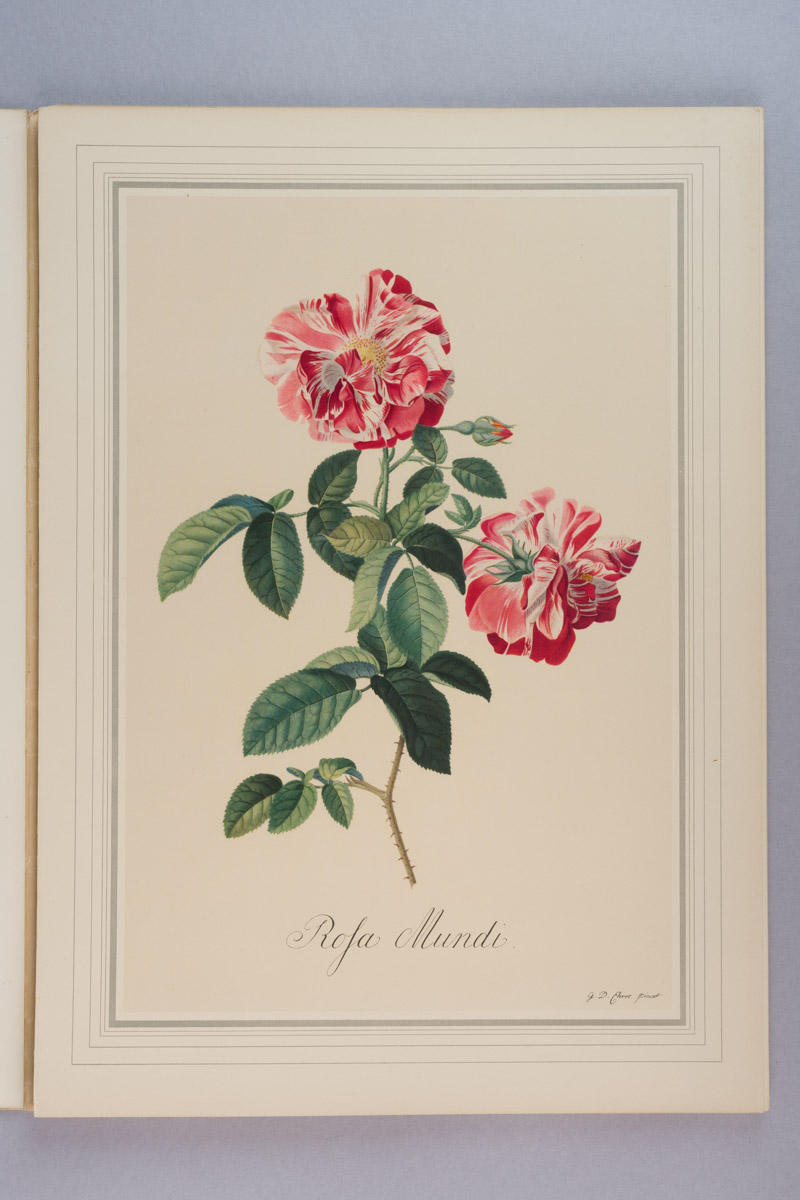
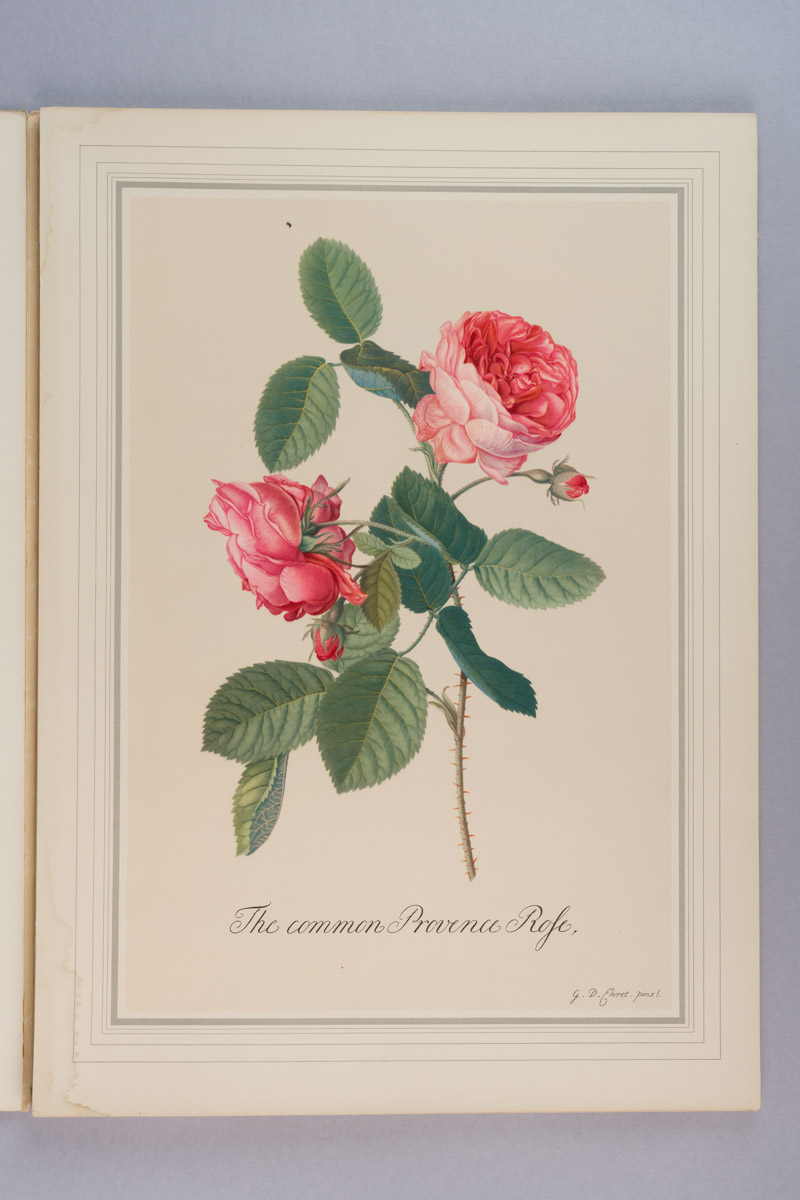
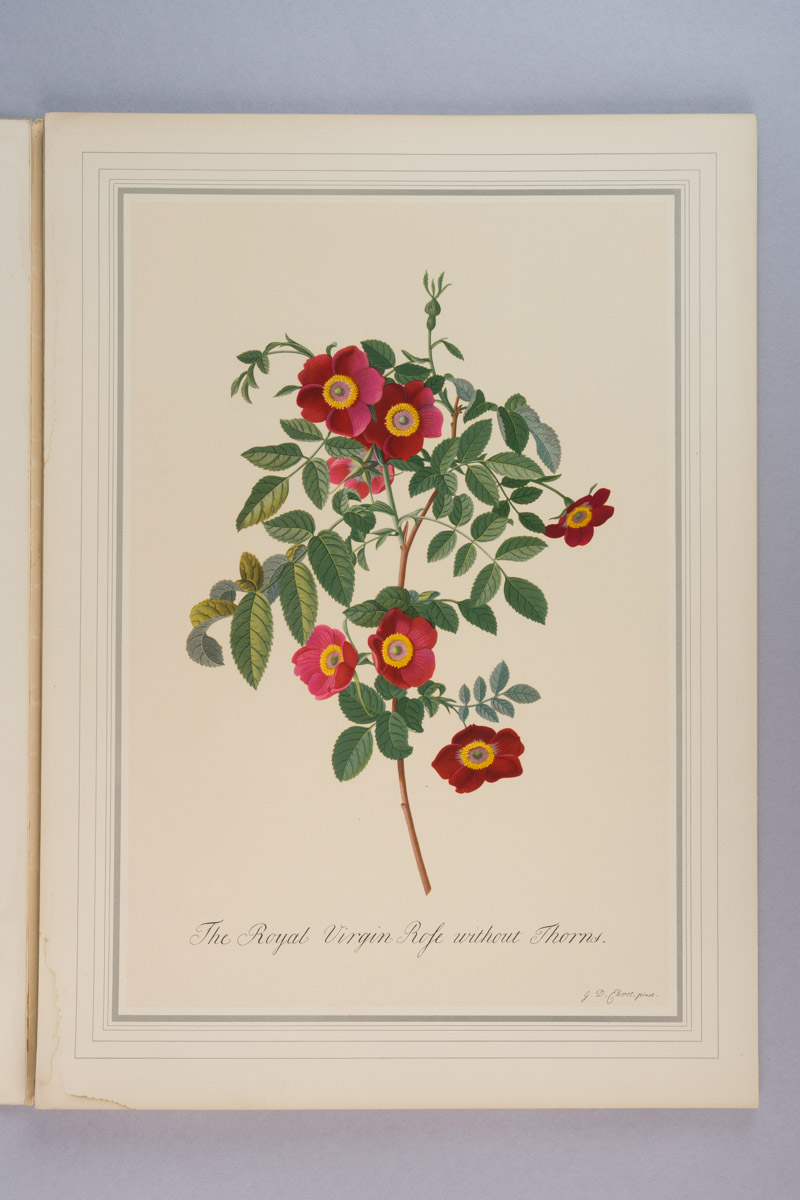
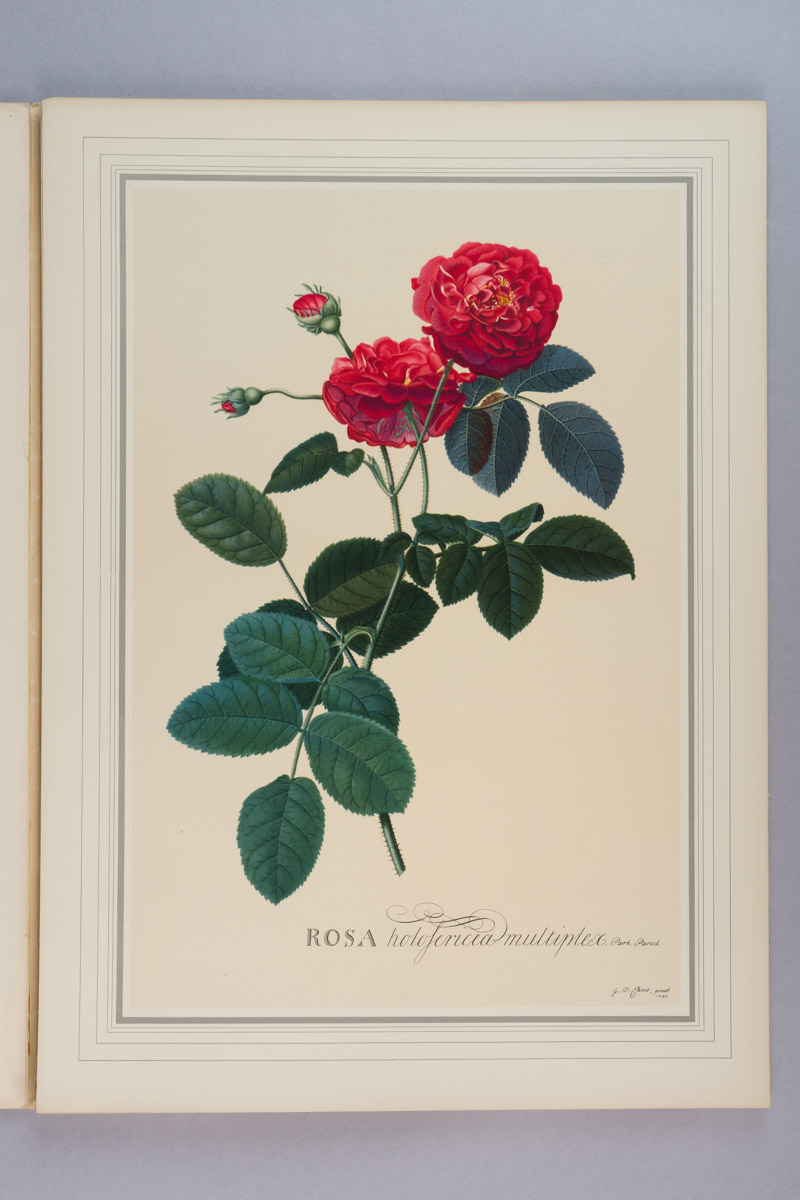
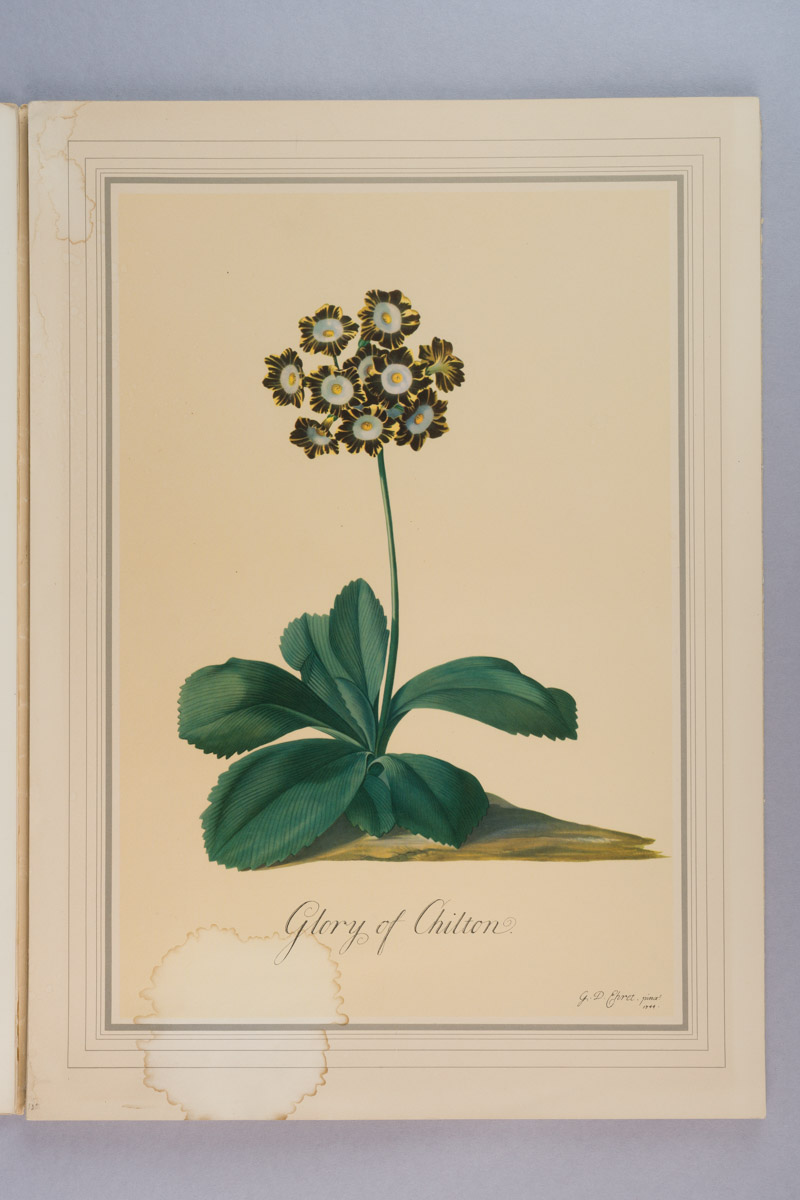
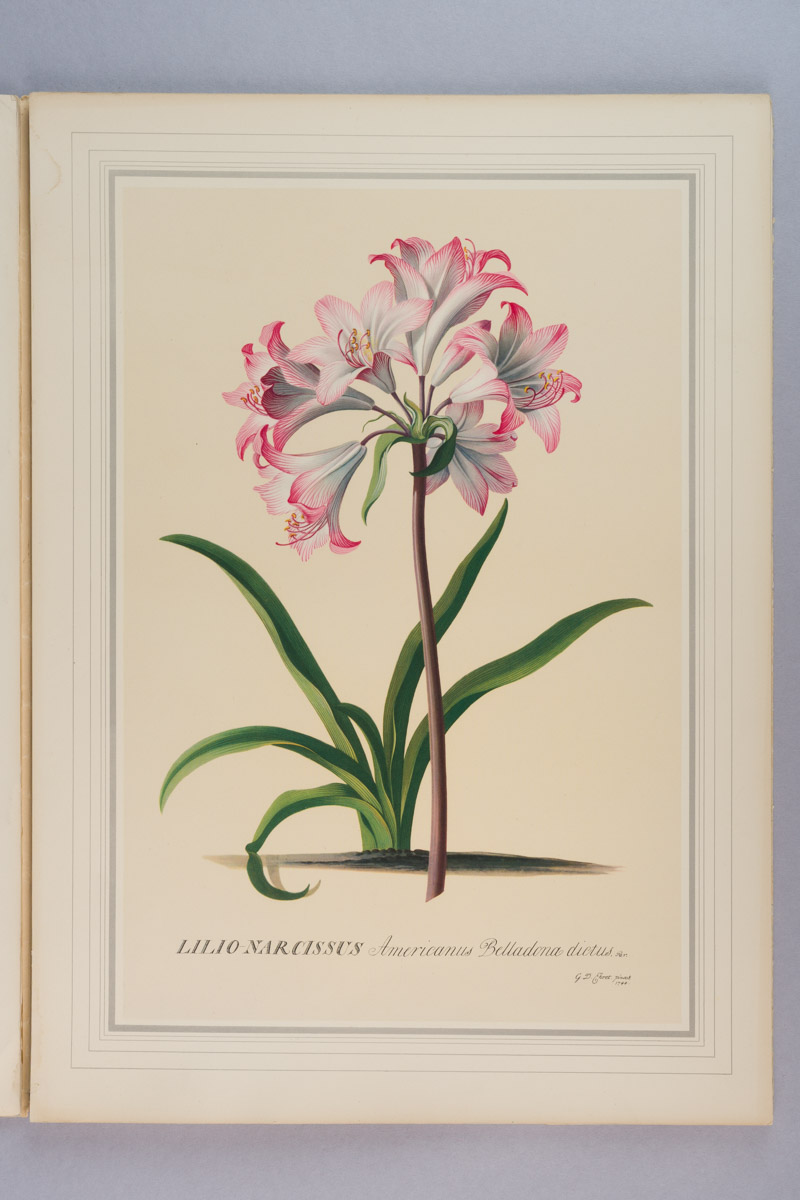
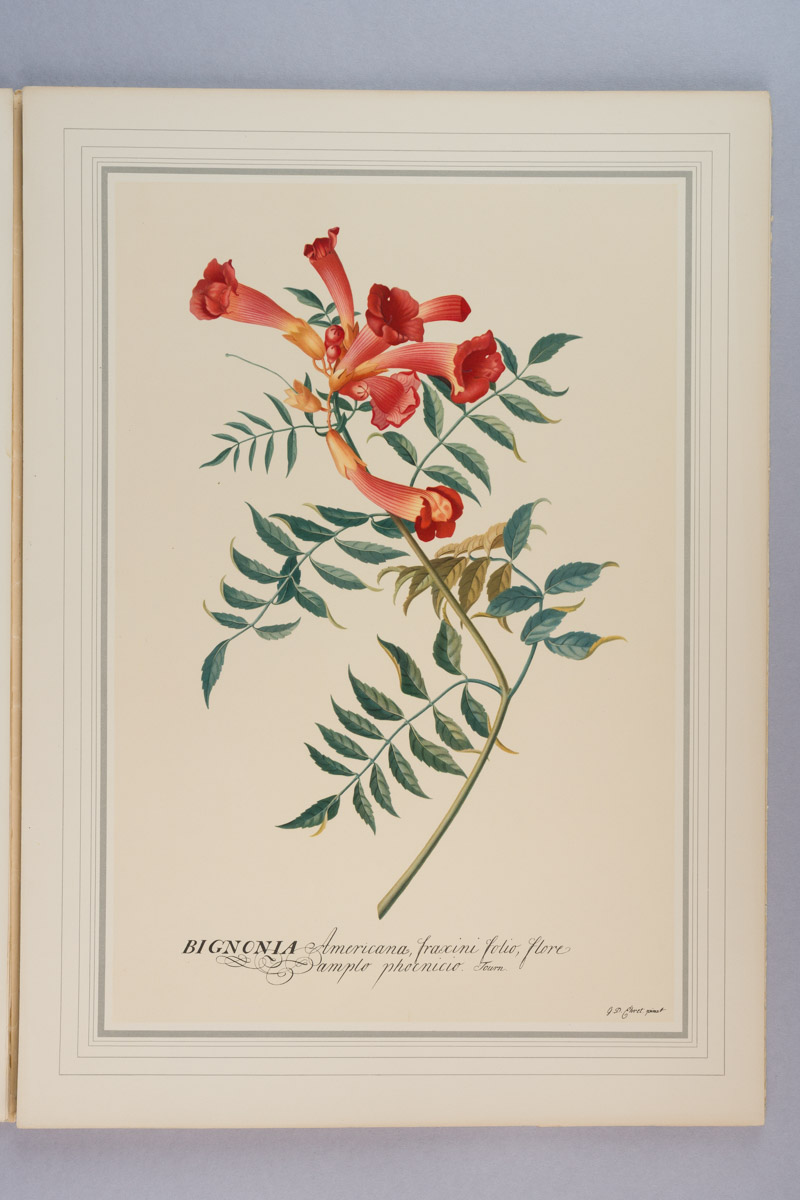
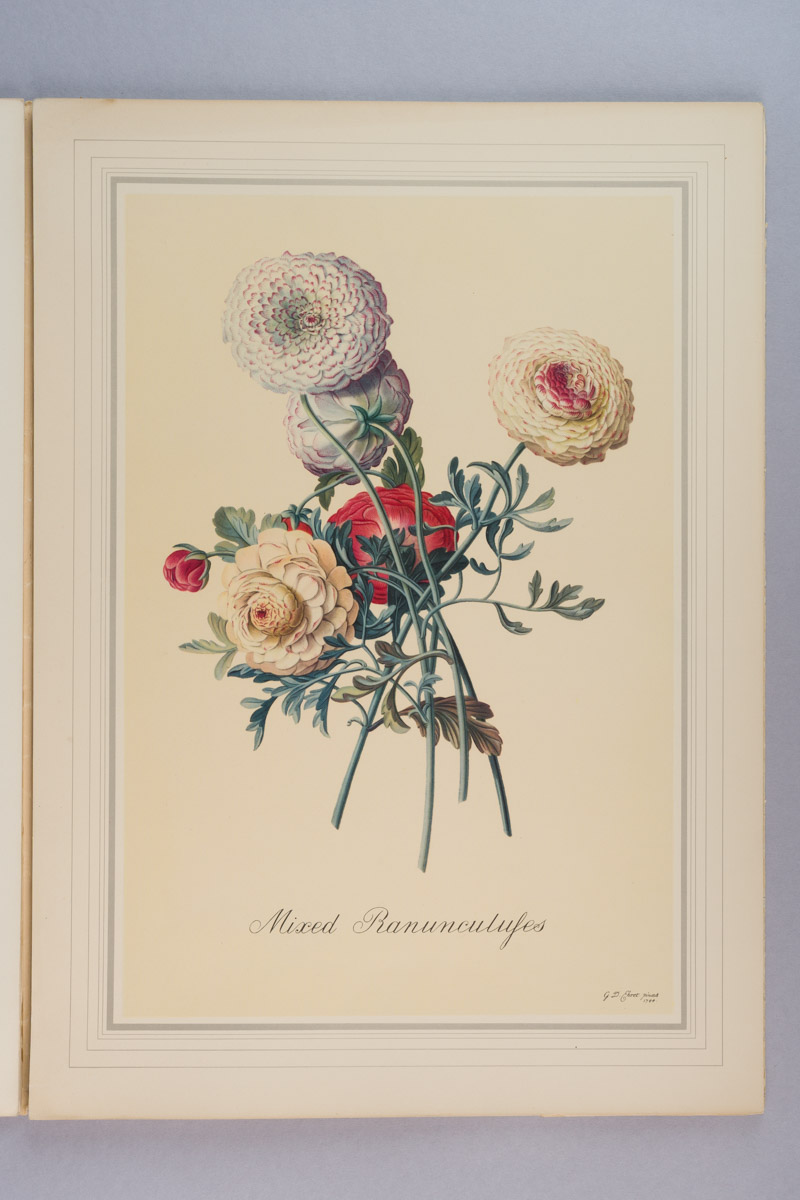
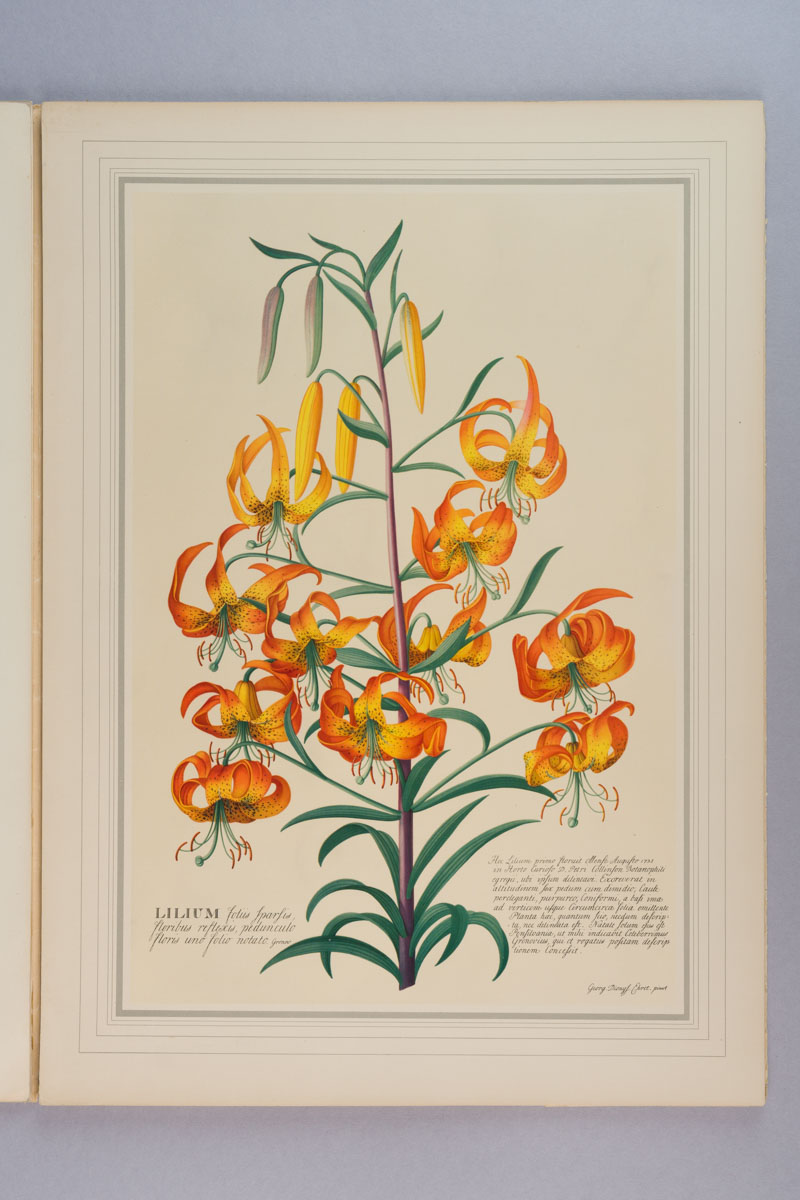
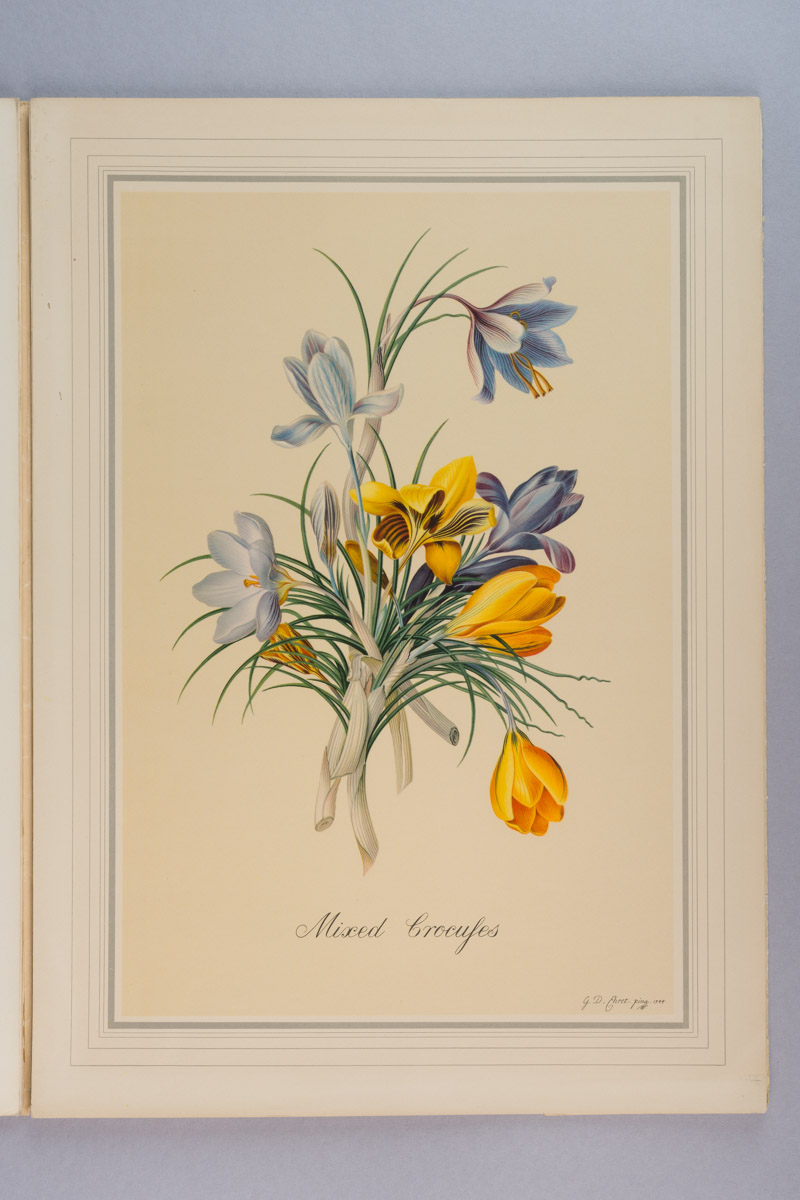
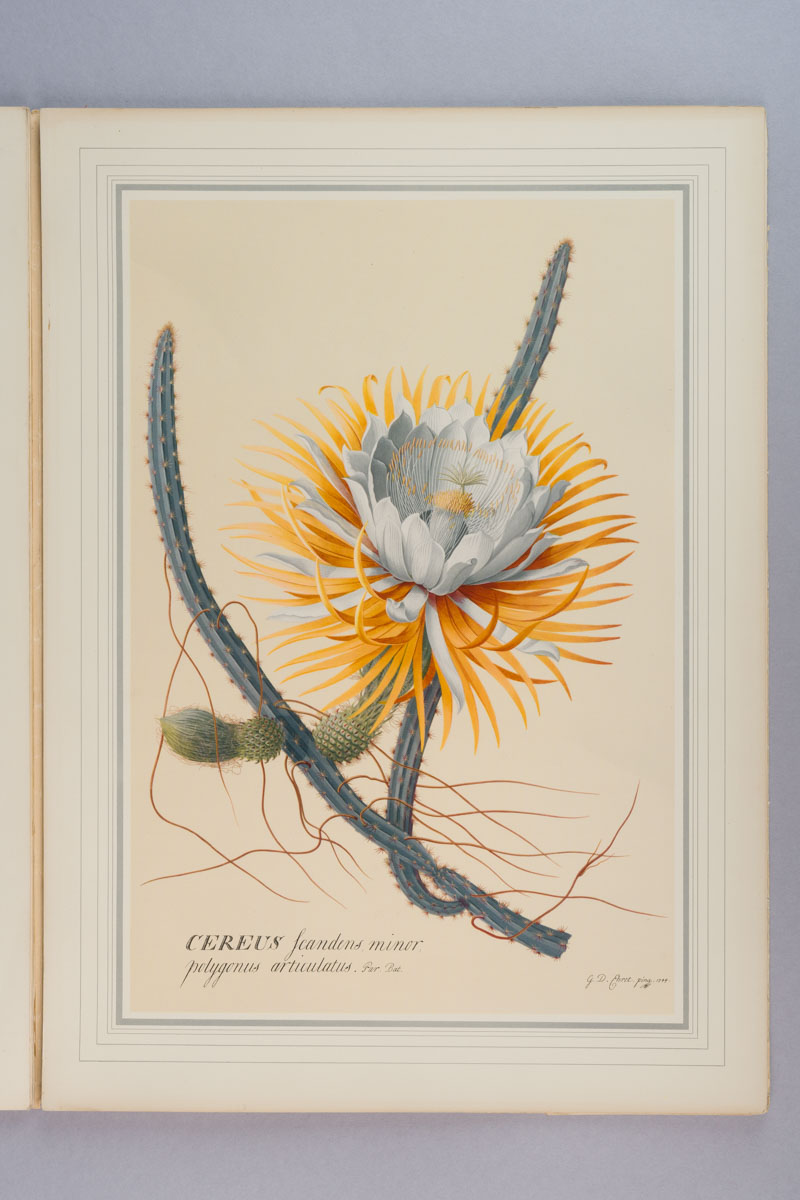
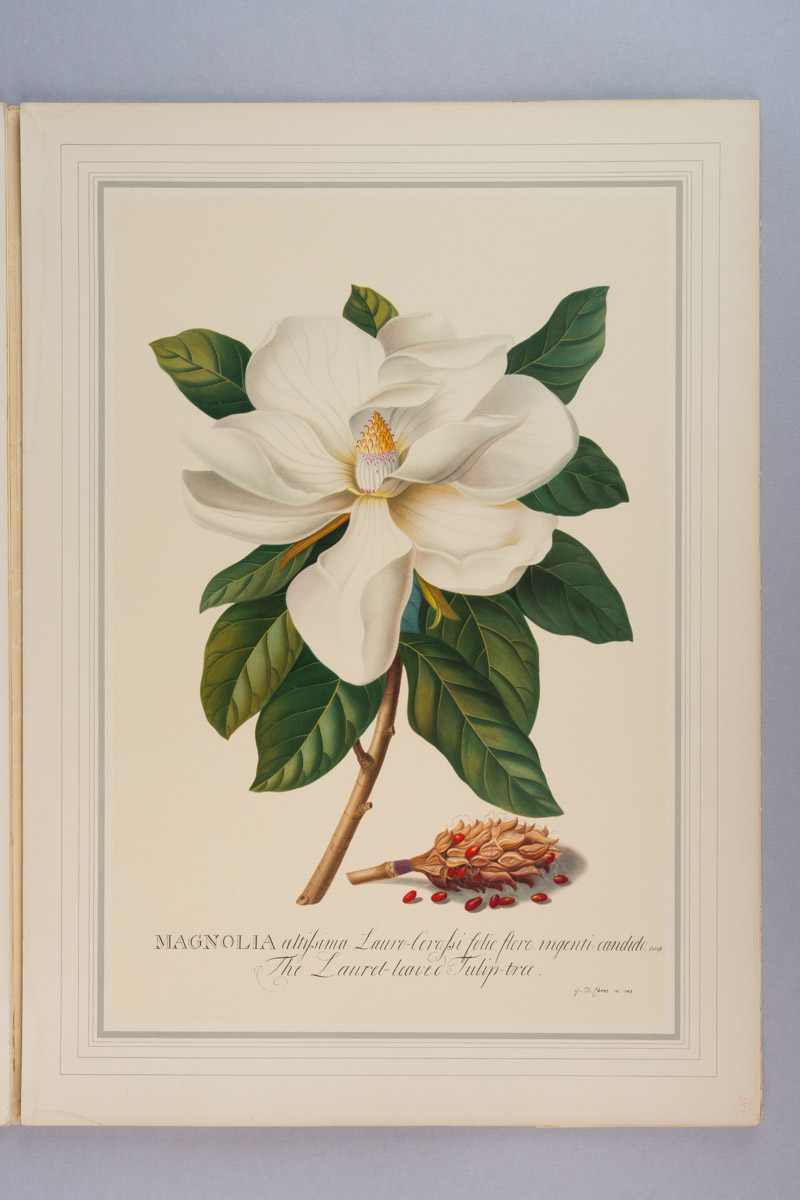
Georg Dionysius Ehret occupies an important position at the meeting point of science and art.
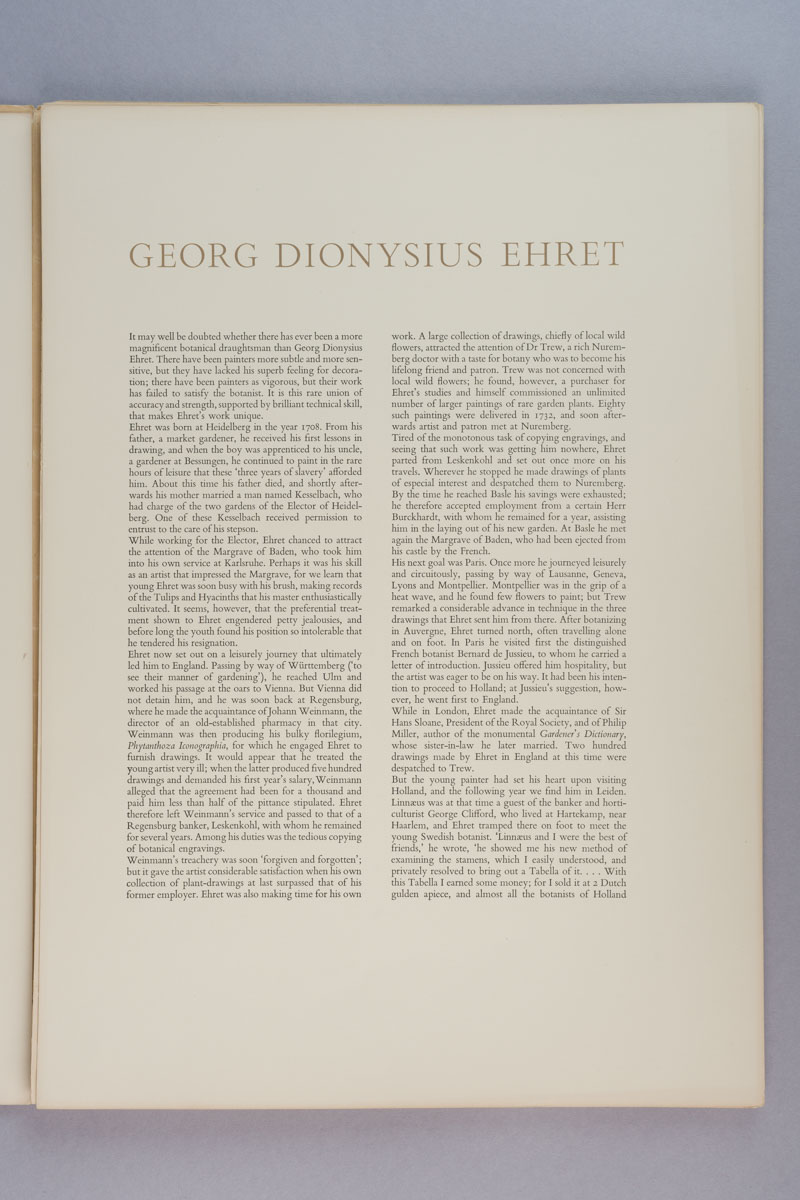
Born in Heidelberg in 1708, Ehret developed an exceptional ability to render plants with sufficient precision for scientific study while retaining the elegance and vitality of fine art. His career brought him into contact with some of the most important naturalists and horticultural figures of the eighteenth century, and his botanical paintings became renowned for their accuracy, delicacy and sophisticated use of colour.
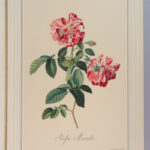
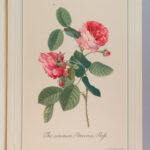
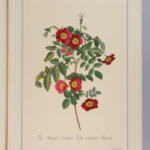
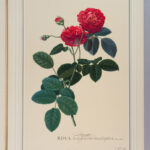
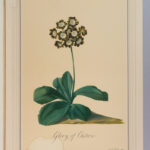
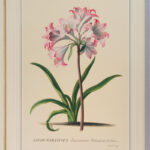
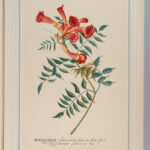
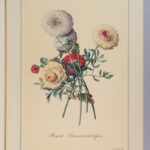
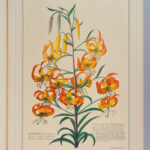
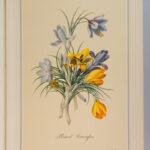
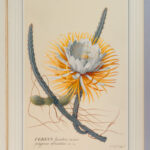
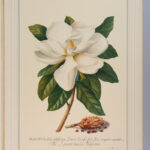
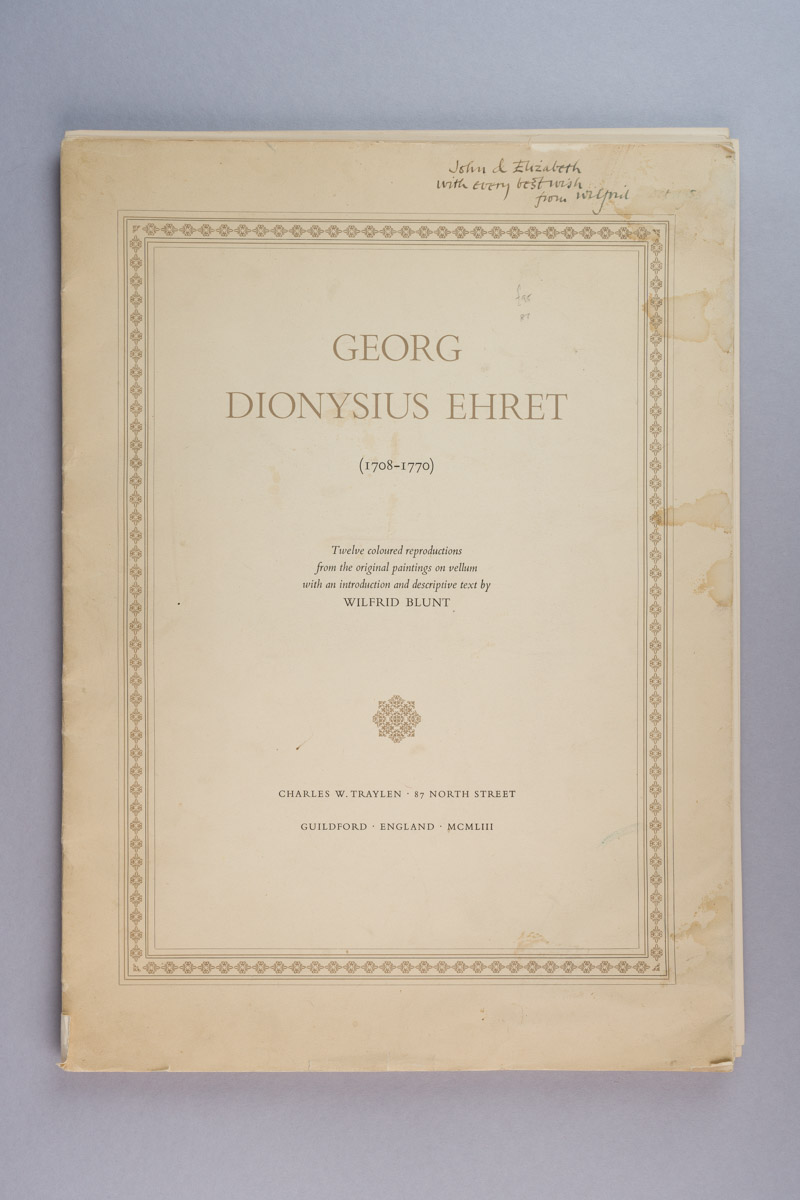
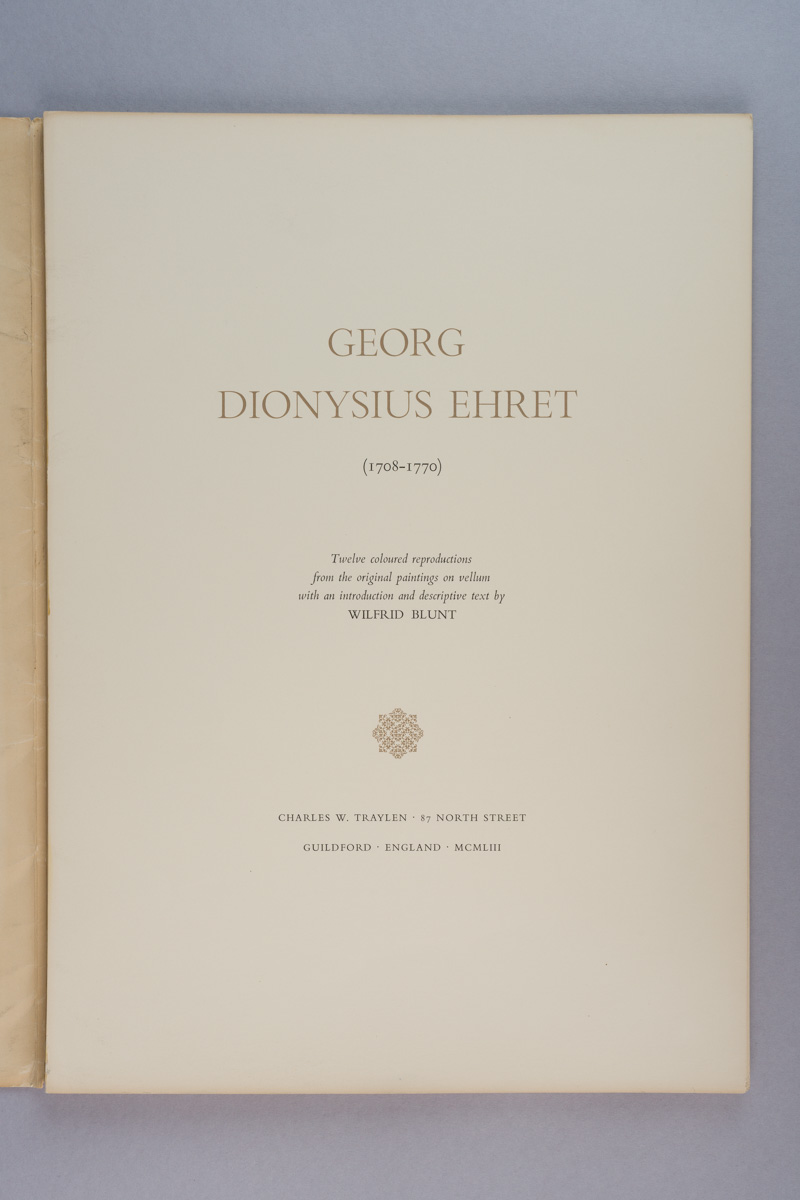
By the twentieth century, many of Ehret’s finest original works remained inaccessible to all but specialist collections. This 1953 publication sought to bring a selection of those works before a wider audience through twelve carefully produced colour reproductions after the original paintings on vellum.
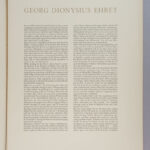
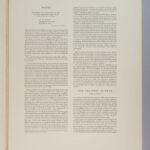
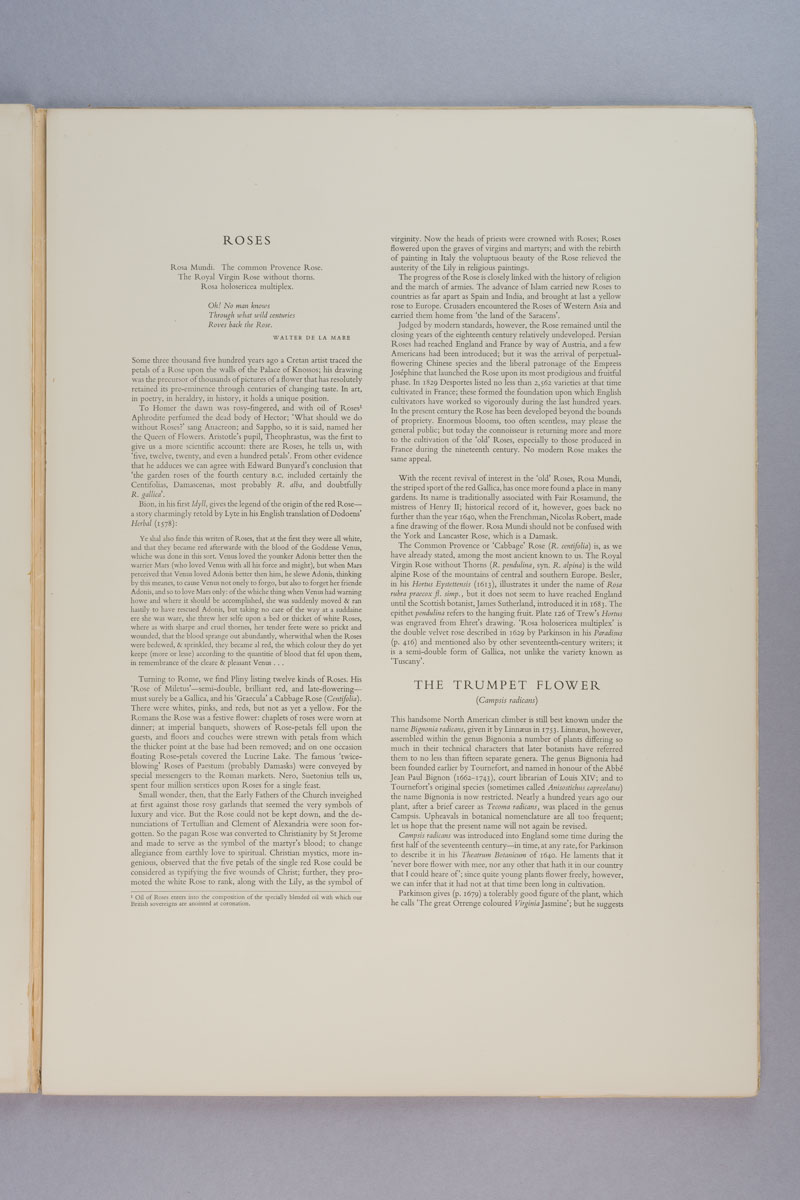
The accompanying text was written by Wilfrid Blunt, the distinguished historian of botanical art whose scholarship helped establish botanical illustration as a serious field of art-historical study. The result is not merely a portfolio of flower pictures, but an important mid-century appreciation of one of the great masters of botanical illustration.
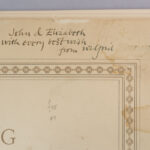
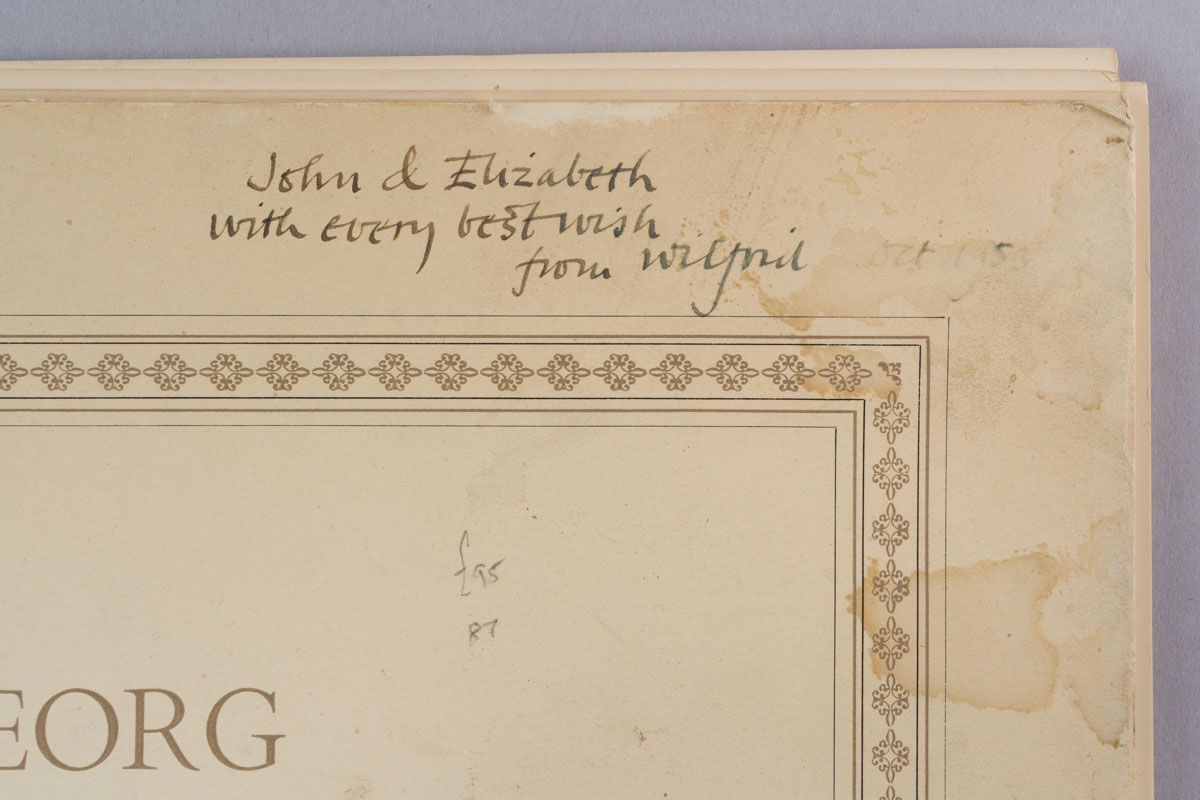
The surviving inscription adds an intriguing personal dimension. The wording “John & Elizabeth with every best wish from Wilfrid” raises the possibility that this copy was presented by Wilfrid Blunt himself. The inscription should, however, be described as apparently or possibly authorial unless the handwriting can be independently authenticated.
This is an especially attractive book for collectors of botanical illustration, natural history and eighteenth-century art.
Ehret’s original botanical paintings are among the most accomplished products of the golden age of botanical illustration, combining scientific observation with extraordinary aesthetic refinement. The twelve large-format colour plates are therefore the principal attraction of the volume and display exceptionally well.
The association with Wilfrid Blunt adds another layer of interest. Blunt became one of the defining modern authorities on botanical art, and a presentation inscription apparently from him makes this copy considerably more interesting than an anonymous example.
Although the condition of the wrappers and areas of staining must be taken into account, the principal appeal remains intact: twelve striking reproductions of Ehret’s botanical masterpieces in a substantial large-format 1953 publication, potentially with an authorial presentation inscription.