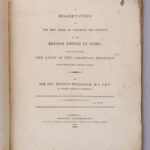
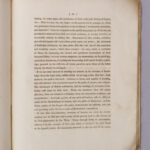
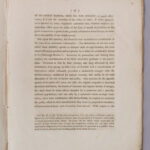
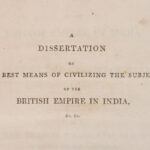
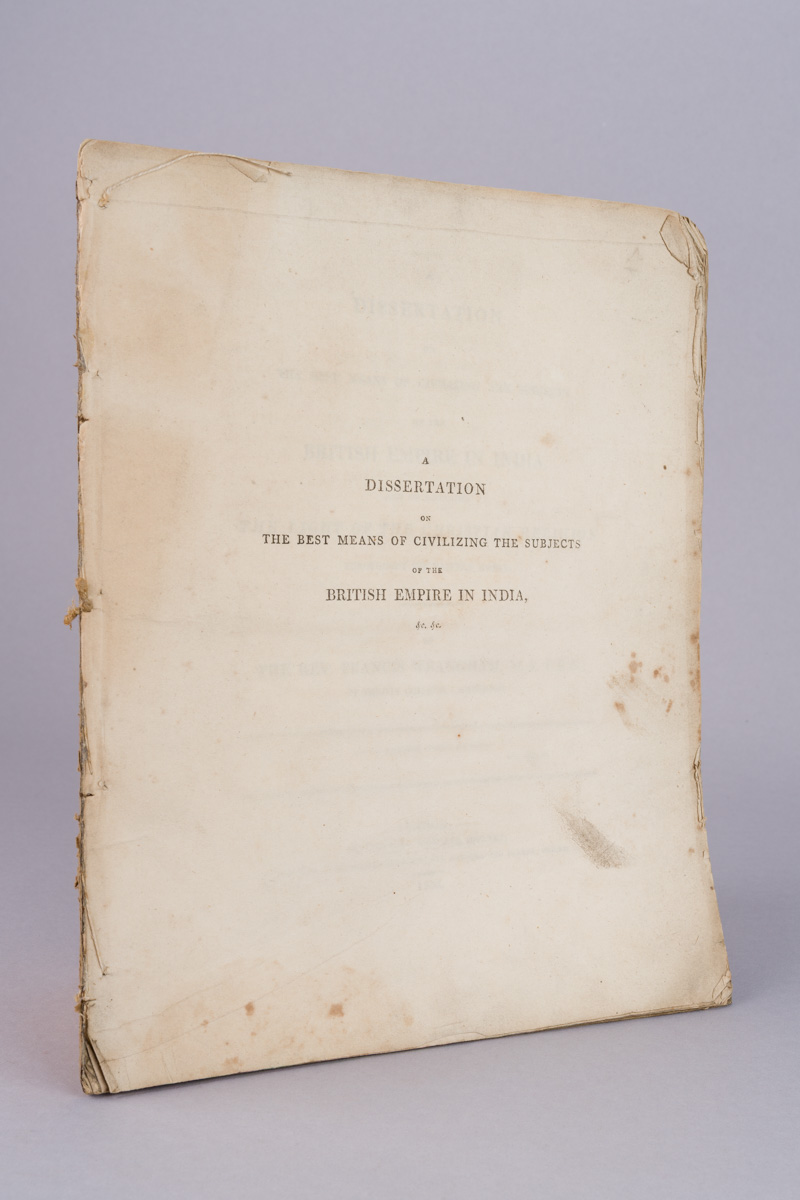
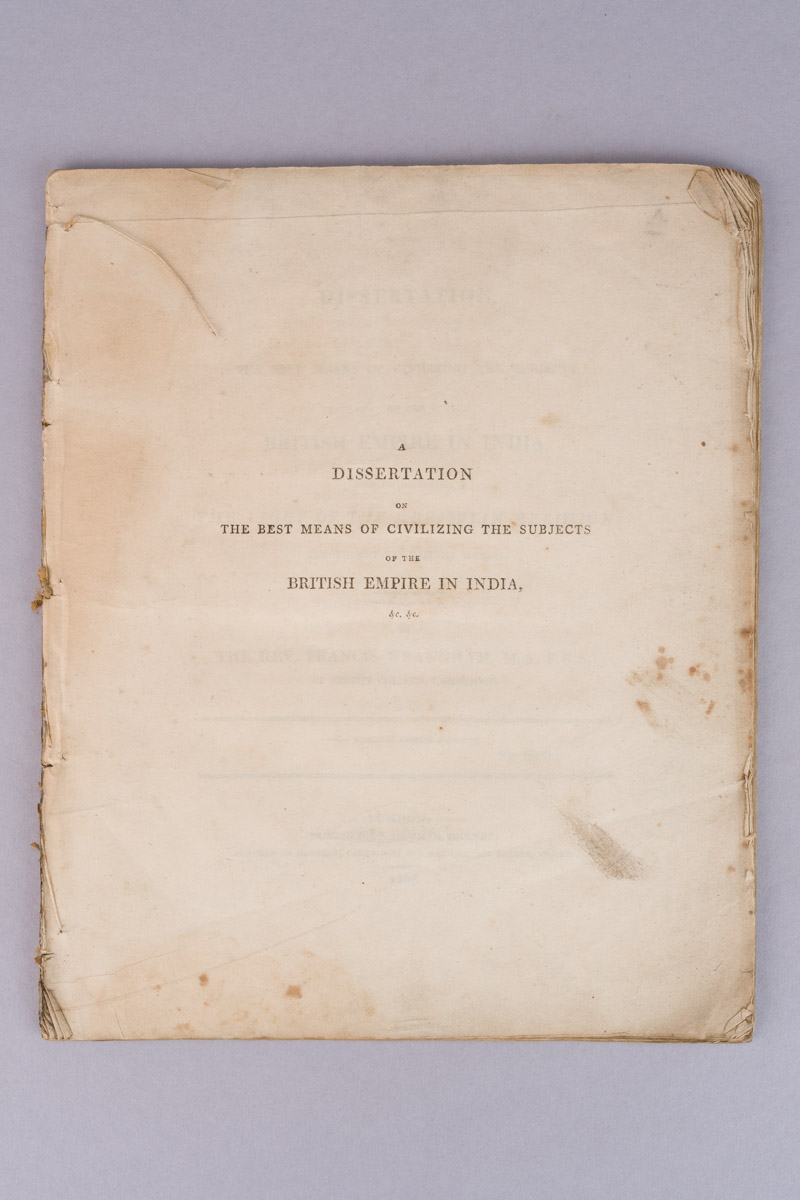
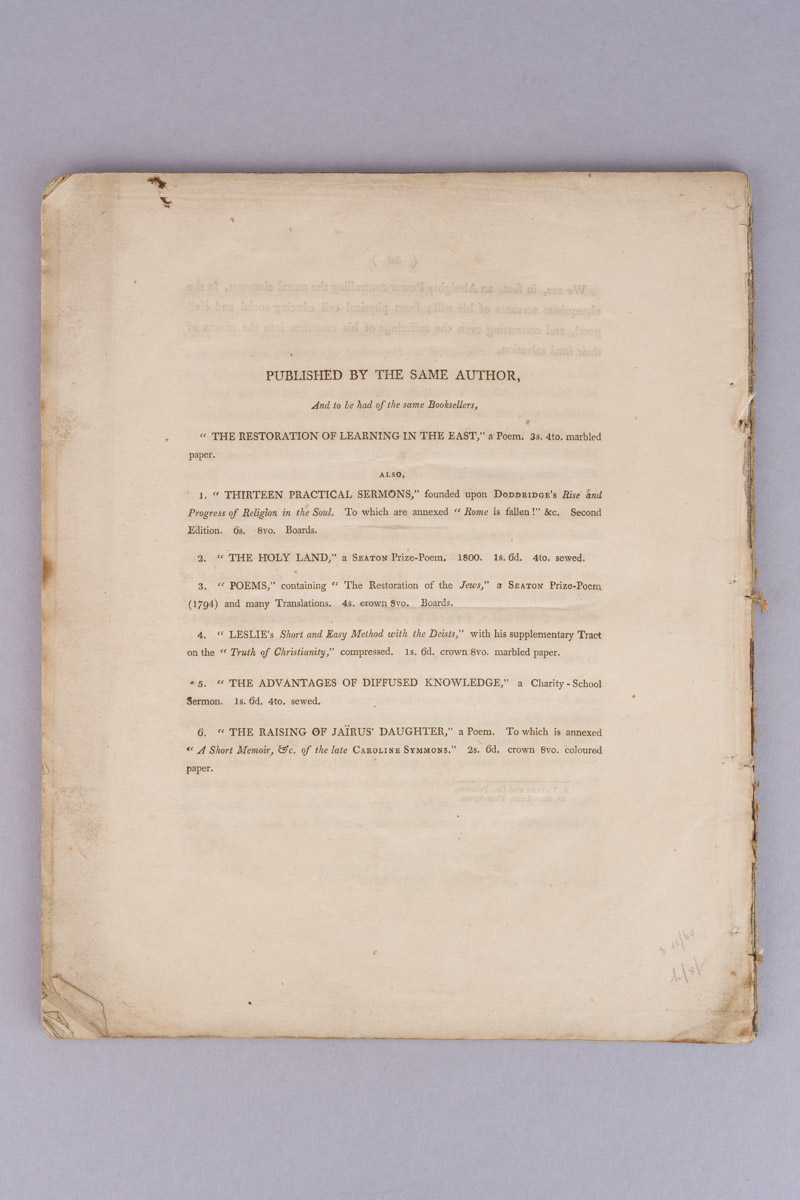
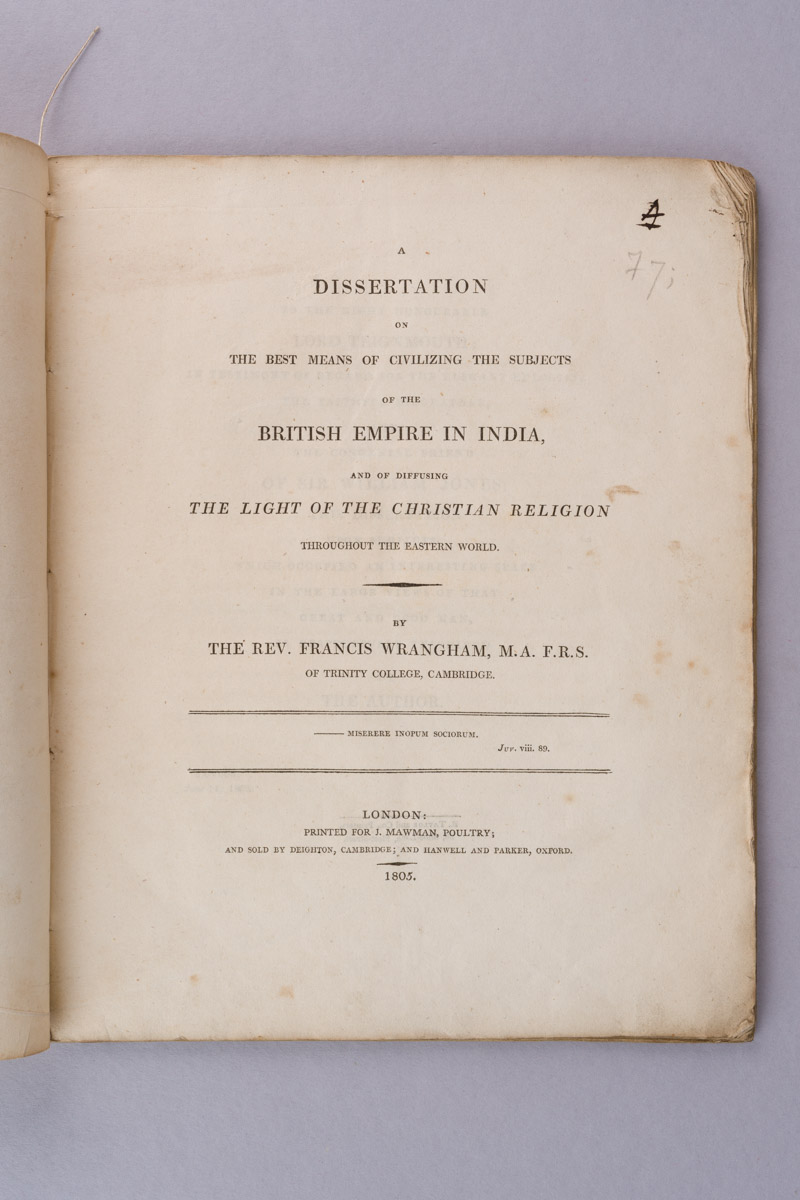
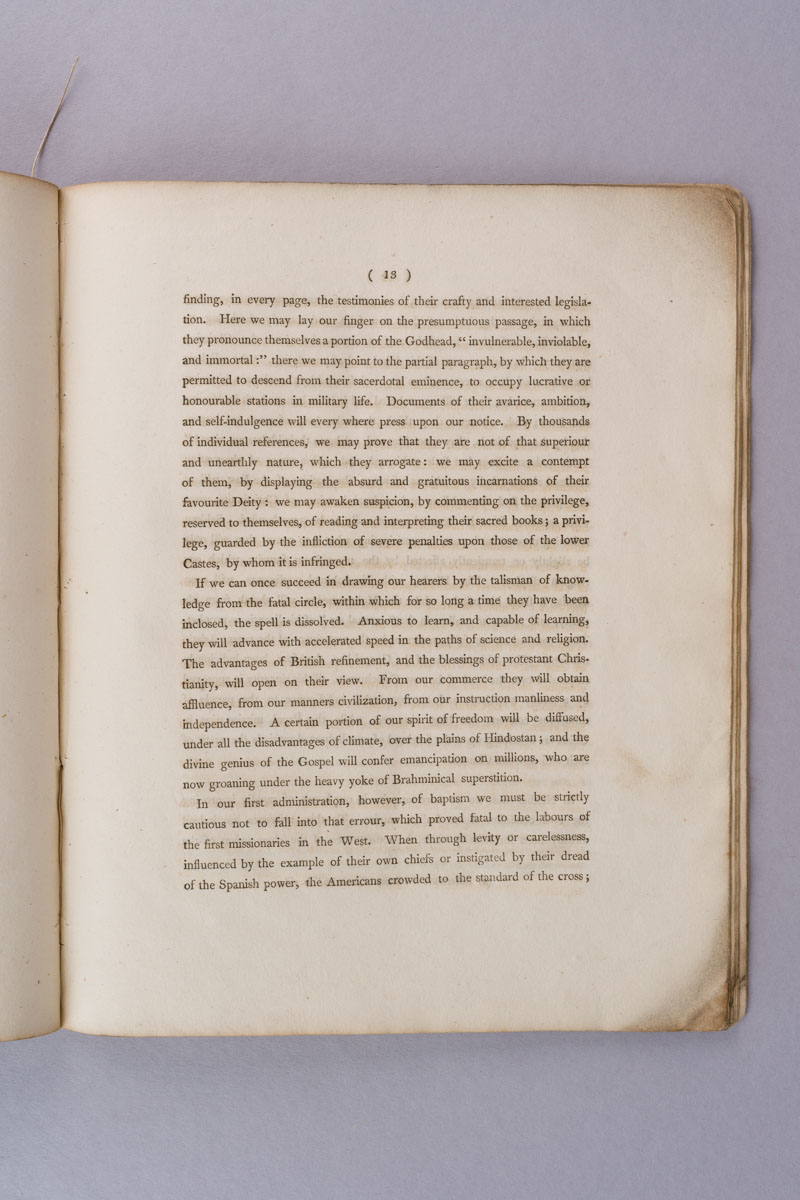
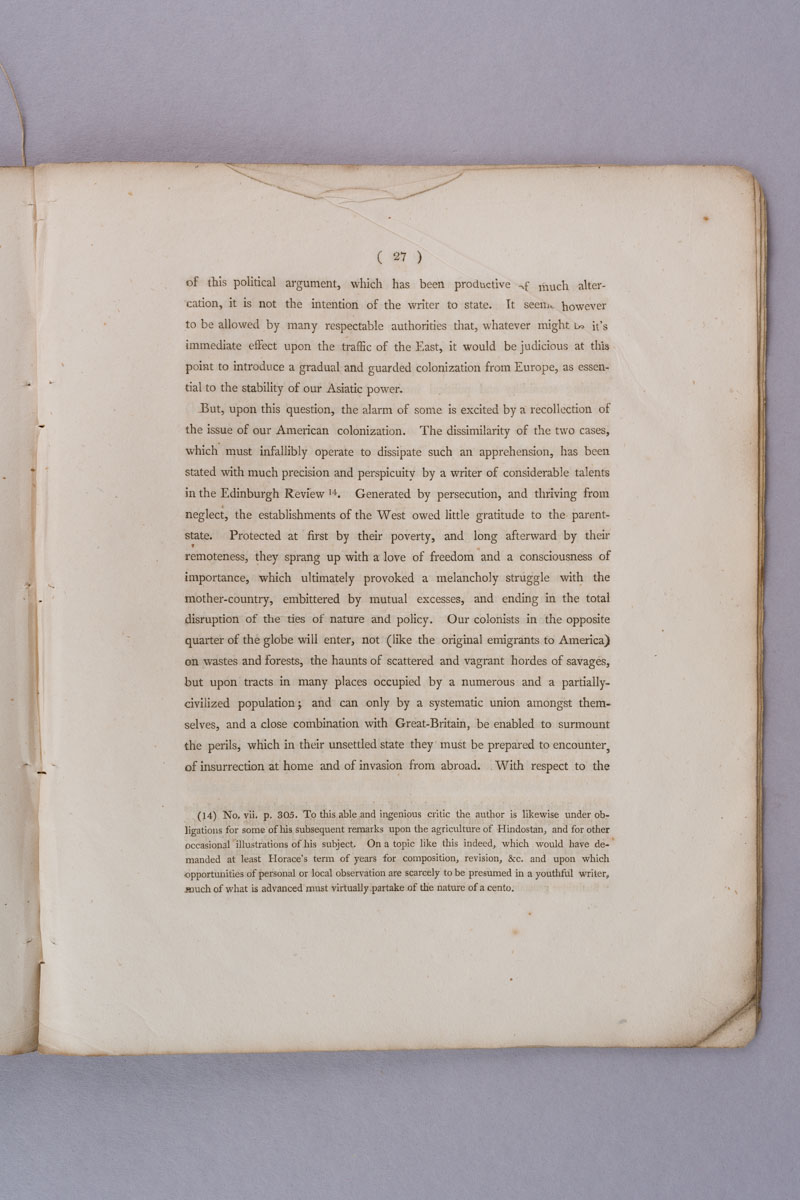
Published in 1805, this dissertation belongs to an important moment in the history of British India.
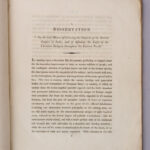
The East India Company had acquired enormous political power on the subcontinent, but there remained intense disagreement in Britain over what that power should mean. Was Britain principally there to govern and trade, or did imperial rule carry a supposed responsibility to transform Indian society, education and religion?
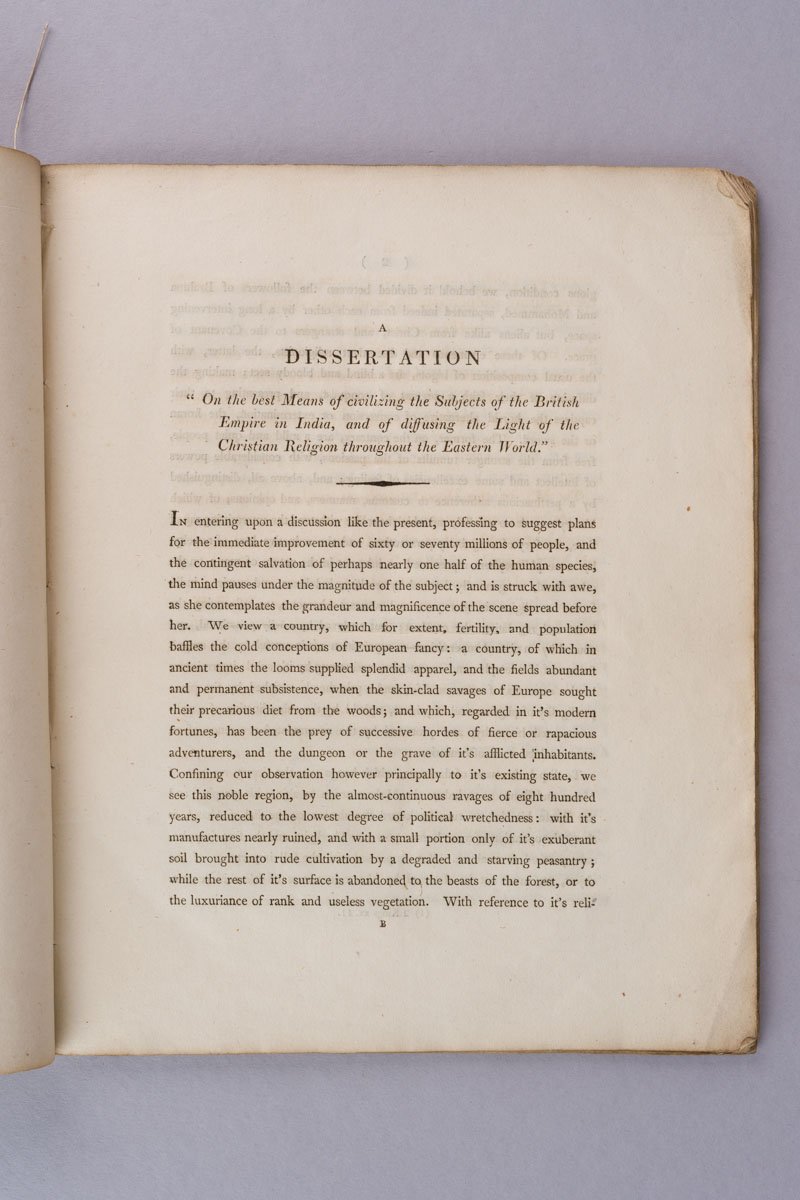
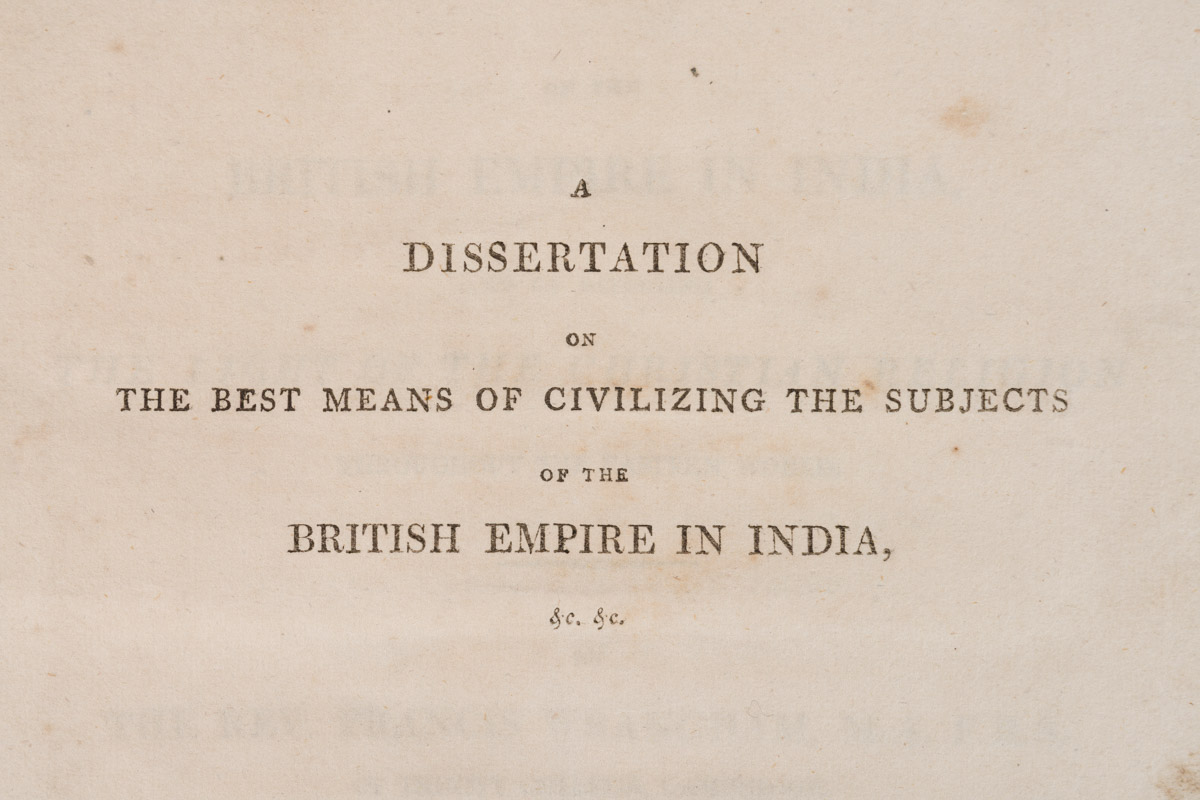
Francis Wrangham’s title leaves little ambiguity about his position. He considers what he calls the “best means of civilizing the subjects of the British Empire in India” and explicitly connects that project with spreading Christianity throughout the Eastern world.
Today, the language of “civilizing” colonial subjects is striking and deeply revealing. Rather than diminishing the historical interest of the work, it makes the dissertation a particularly direct primary source for understanding the ideology through which sections of British society justified intervention in Indian culture and religion.
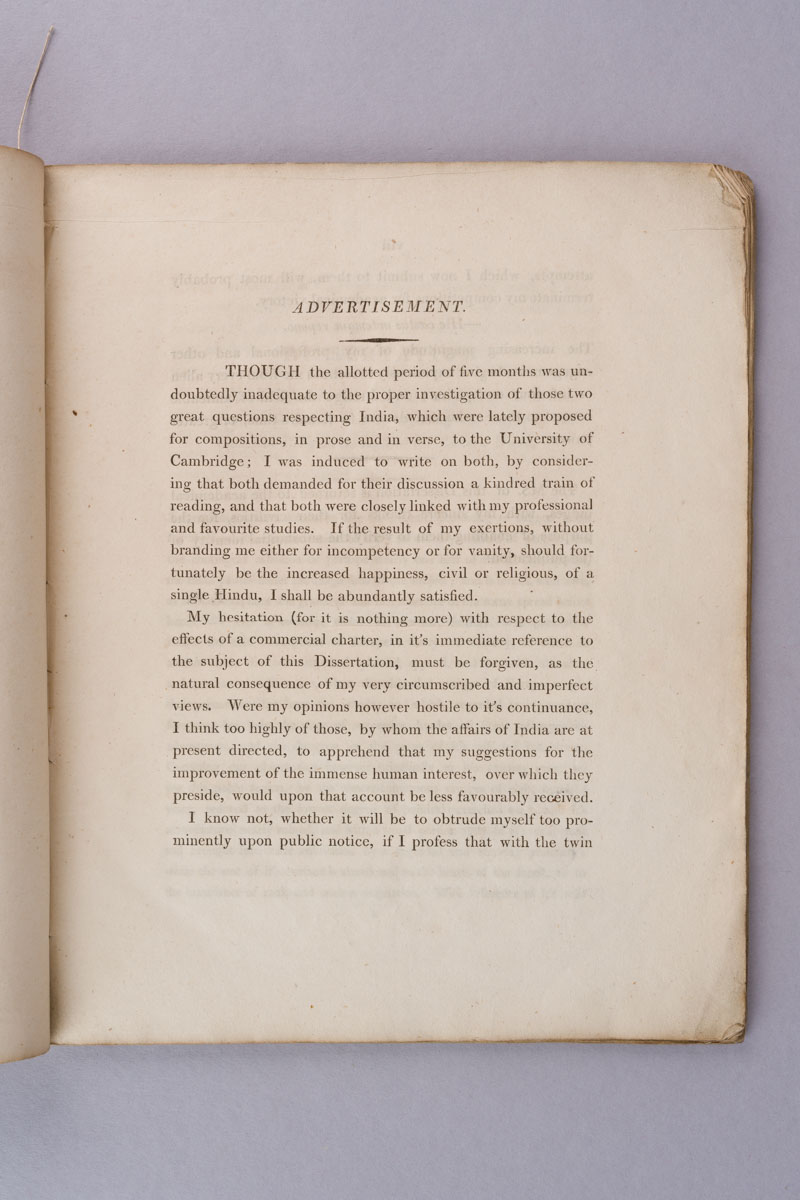
Its date is especially significant. The book appeared eight years before the East India Company Charter Act of 1813, which opened British India more substantially to missionary activity. Wrangham was therefore writing during the formative debate over precisely the issues that would soon become matters of imperial policy.
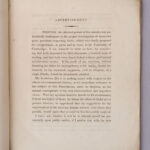
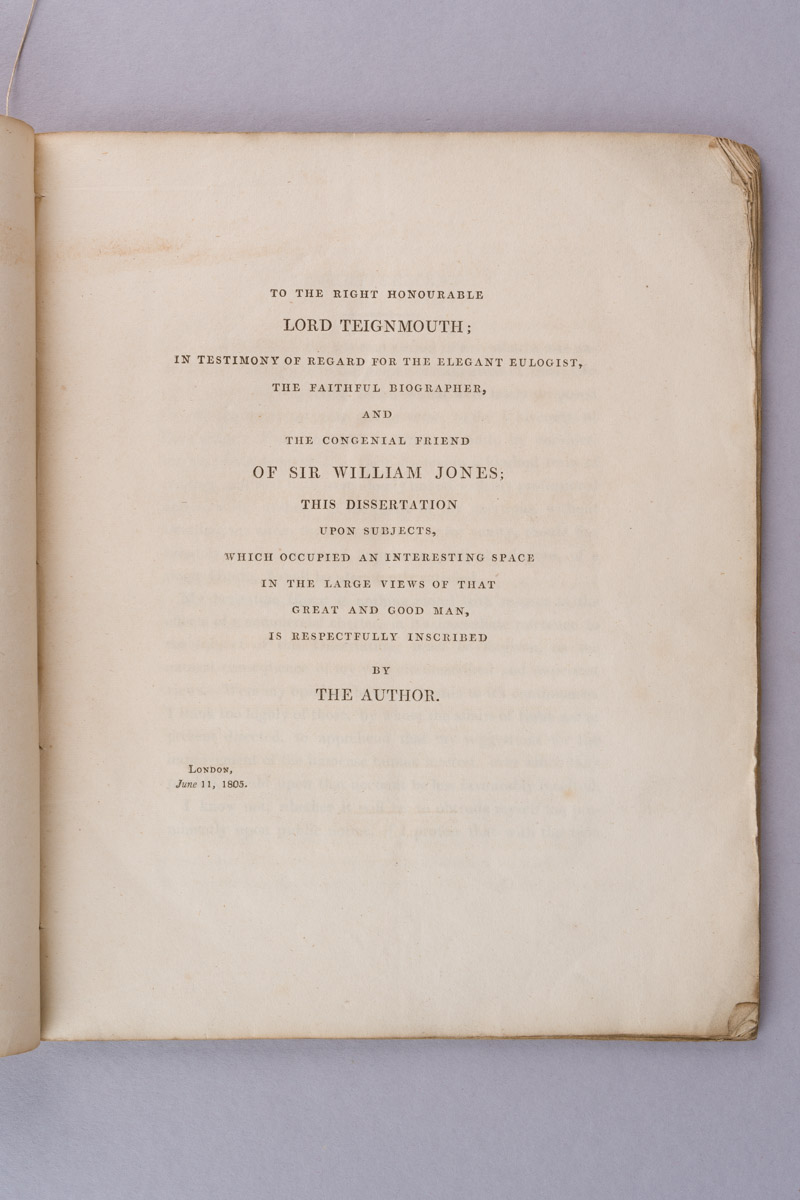
The dedication provides another important connection. Wrangham addresses the work to Lord Teignmouth, formerly John Shore, Governor-General of Bengal from 1793 to 1798. Teignmouth was also the friend and biographer of Sir William Jones, the pioneering scholar of Indian languages, law and culture. Wrangham specifically invokes this relationship in the dedication.
The result is a fascinating document from the period when scholarship, evangelical Christianity and imperial government were becoming increasingly intertwined in British thinking about India.
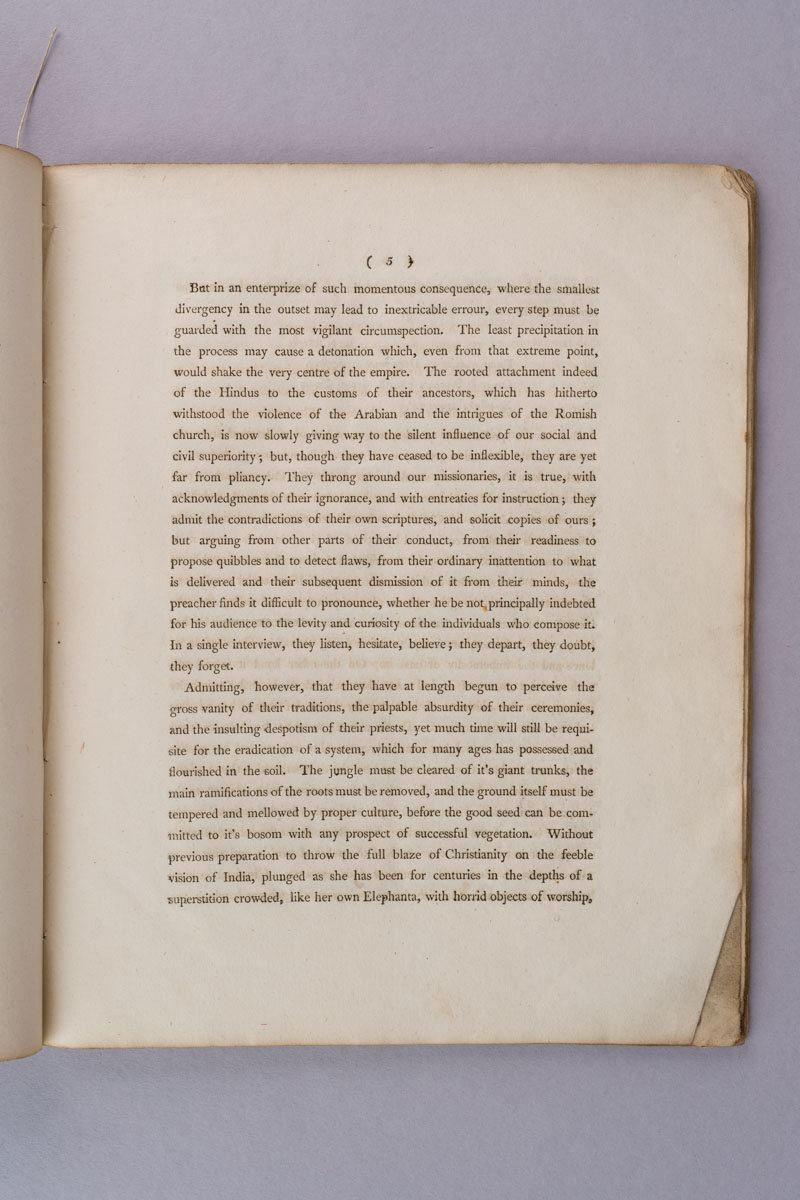
This is considerably more than an early nineteenth-century religious tract. It is a primary document in the intellectual history of British colonialism in India.
Its 1805 publication date places it before the landmark 1813 Charter Act, making it particularly relevant to the early controversy surrounding missionary access to British India and Britain’s perceived obligations towards its Indian subjects.
The explicit language of the title also gives the book considerable modern research relevance. It provides direct evidence of the paternalistic and evangelical ideology that would become an important strand of nineteenth-century British imperial policy.
The association with Lord Teignmouth and Sir William Jones adds another layer of interest, connecting the work with two significant figures in the early British study and administration of India.
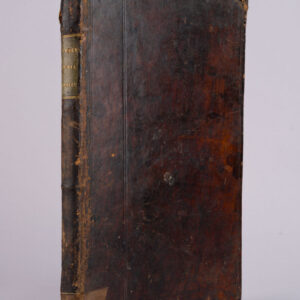
The survival of the volume in what appears to be an early unbound, untrimmed state further gives it the character of a document very close to its original form of circulation.