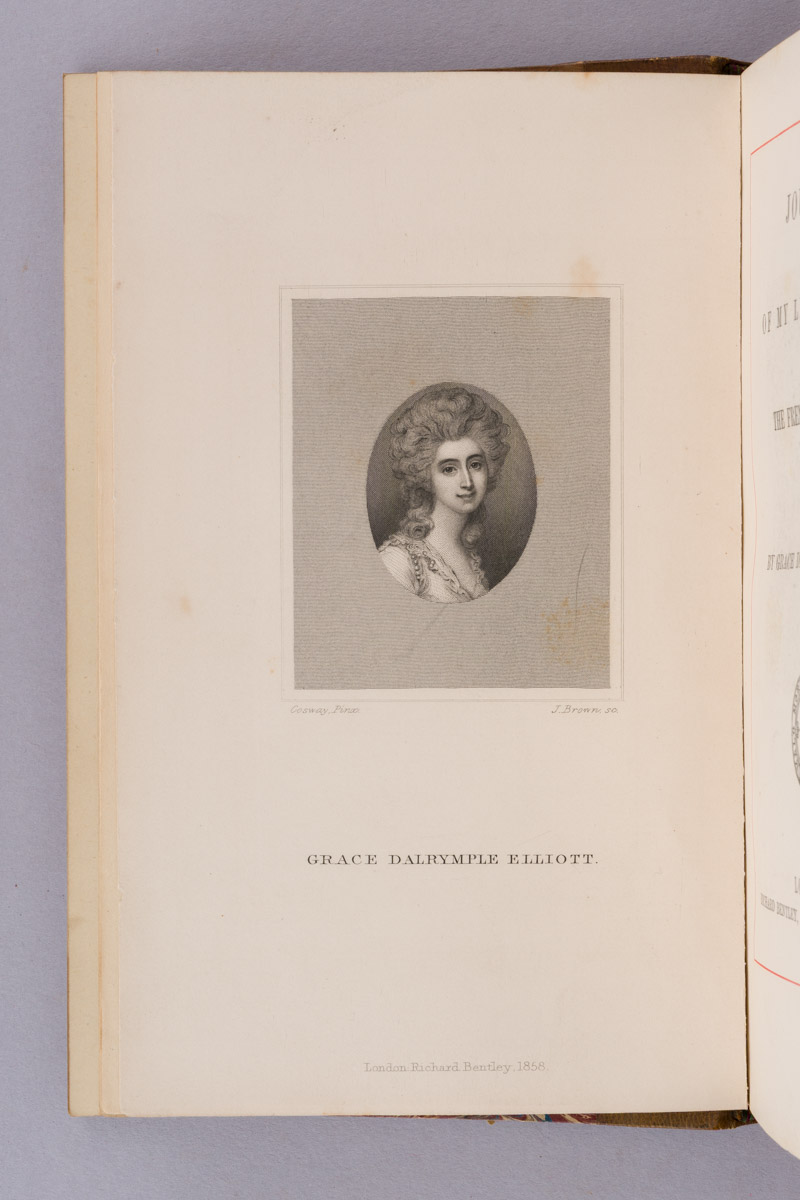
Grace Dalrymple Elliott did not observe the French Revolution from a safe distance. She lived through it.
A celebrated beauty who had moved among the highest levels of British and French society, Elliott became closely associated with Philippe, Duke of Orléans, cousin of Louis XVI. When revolution engulfed Paris, the aristocratic world she inhabited collapsed around her.
Her journal provides a dramatically personal account of those events: political upheaval, imprisonment, fear, divided loyalties and the daily danger faced by those connected with the ancien régime.
Among the most extraordinary episodes is Elliott’s account of risking her own safety to assist people threatened by the Revolution. She was eventually arrested and imprisoned herself during the Terror, narrowly surviving a period in which imprisonment could rapidly lead to the guillotine.
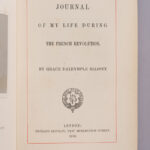
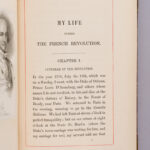
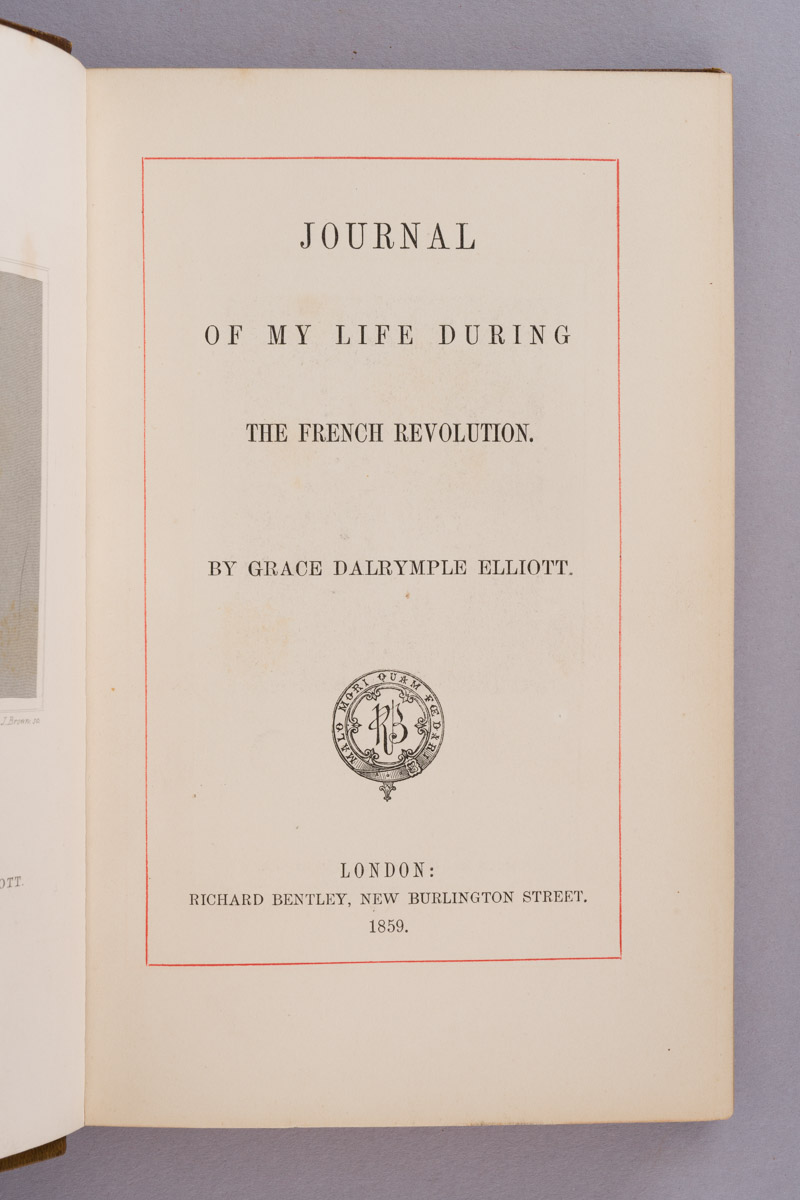
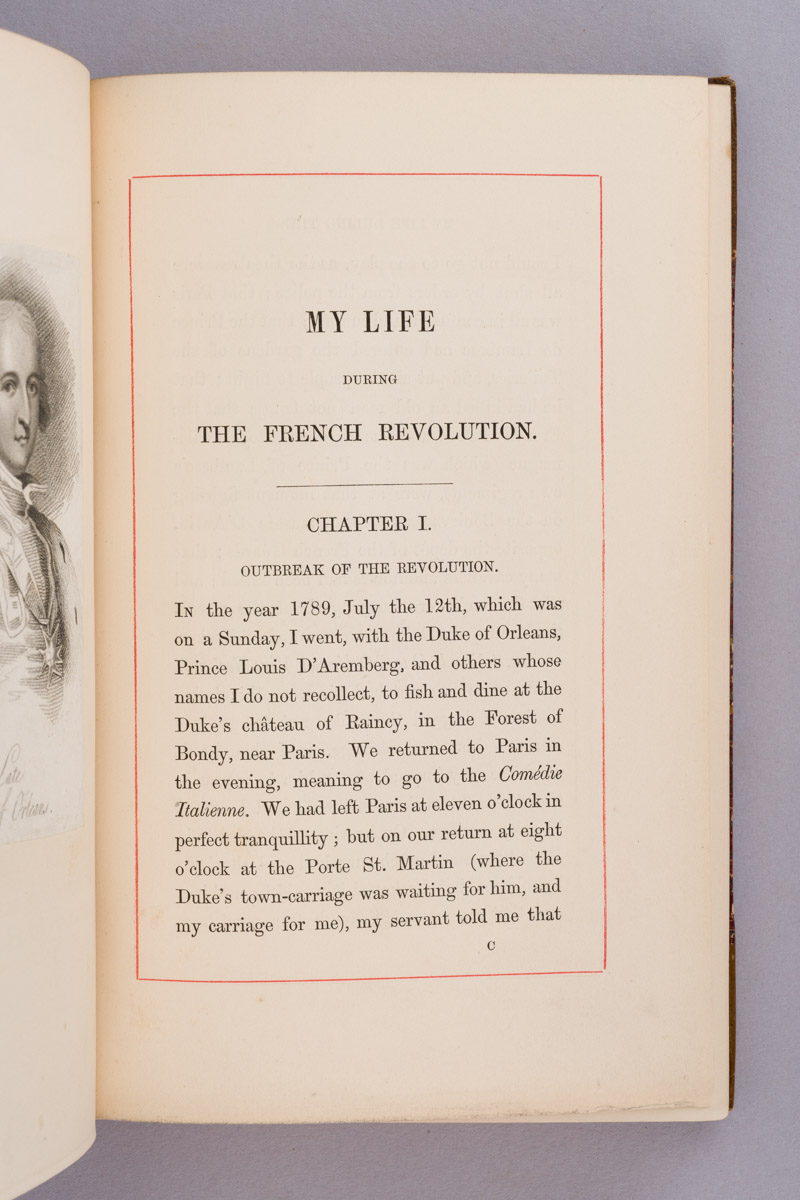
Published decades after her death, her journal transformed private memory into historical testimony. Rather than presenting the Revolution solely through politicians and armies, Elliott records what it was like to experience the destruction of an entire social order from within.
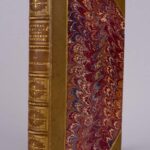
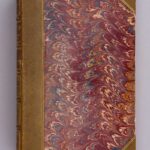
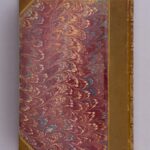
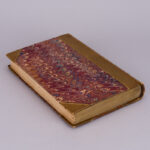
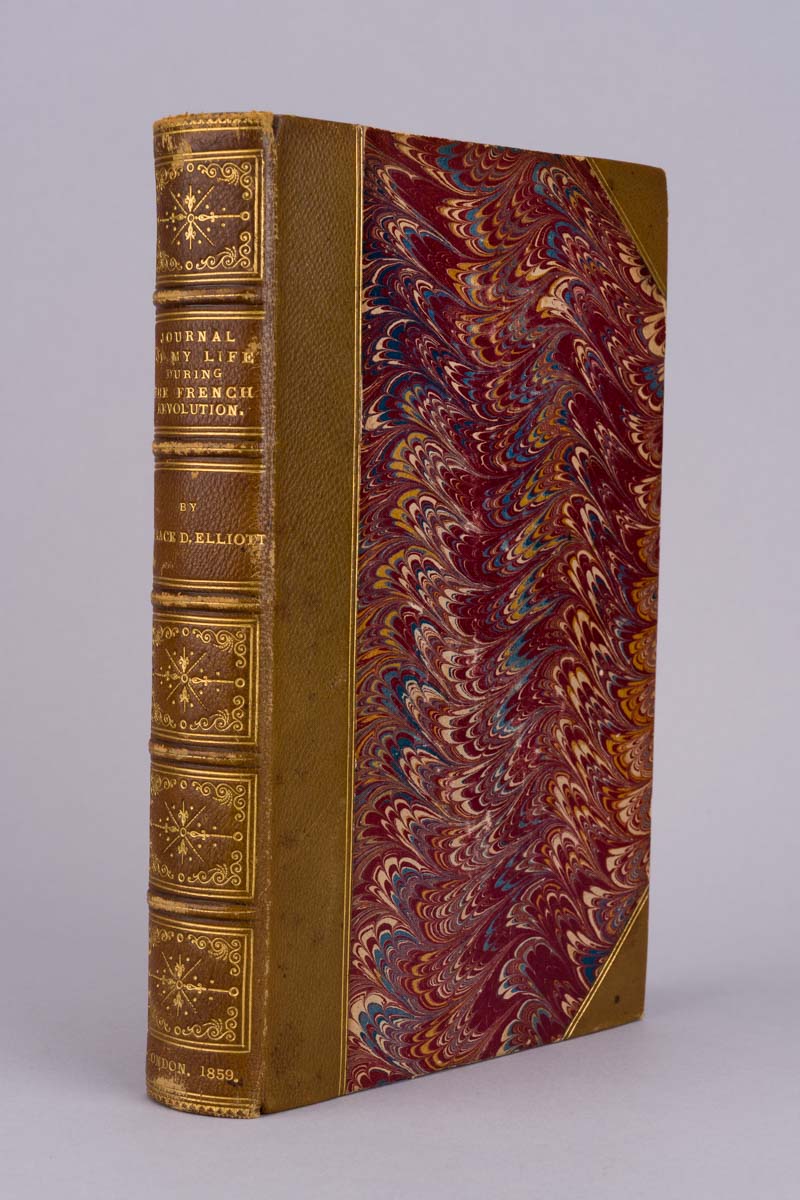
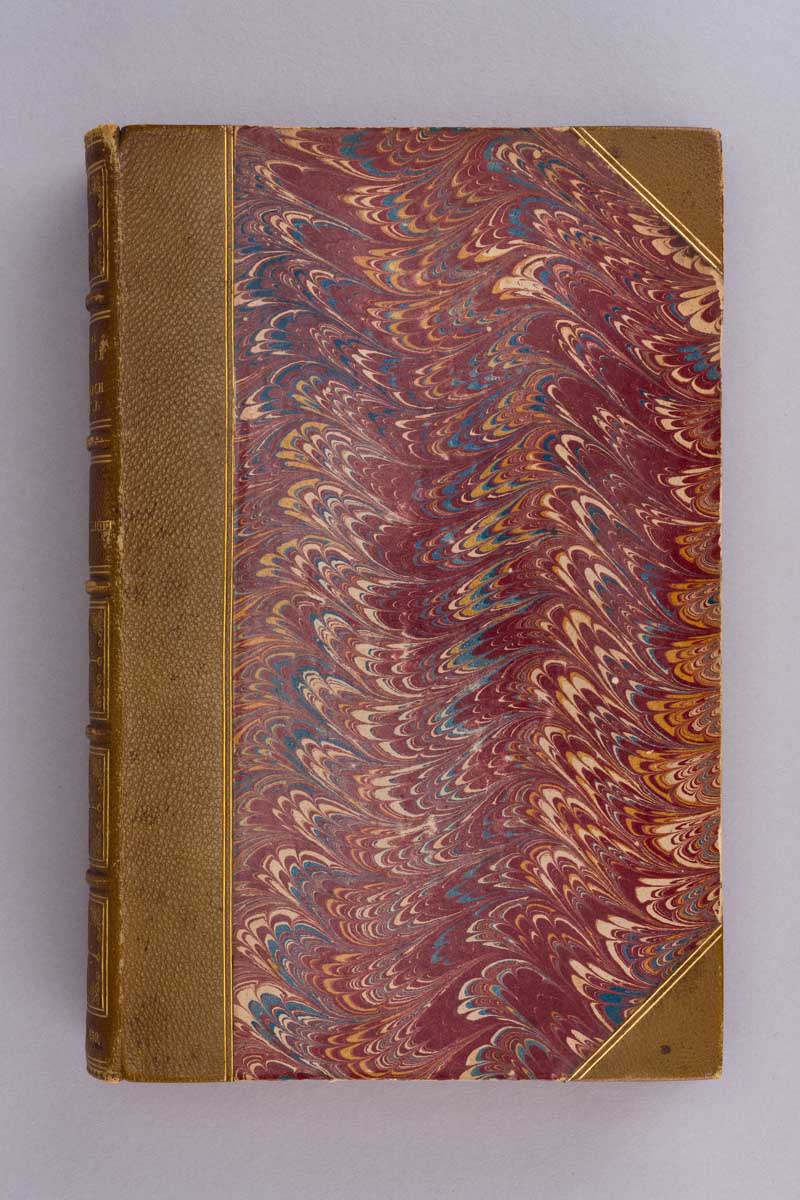
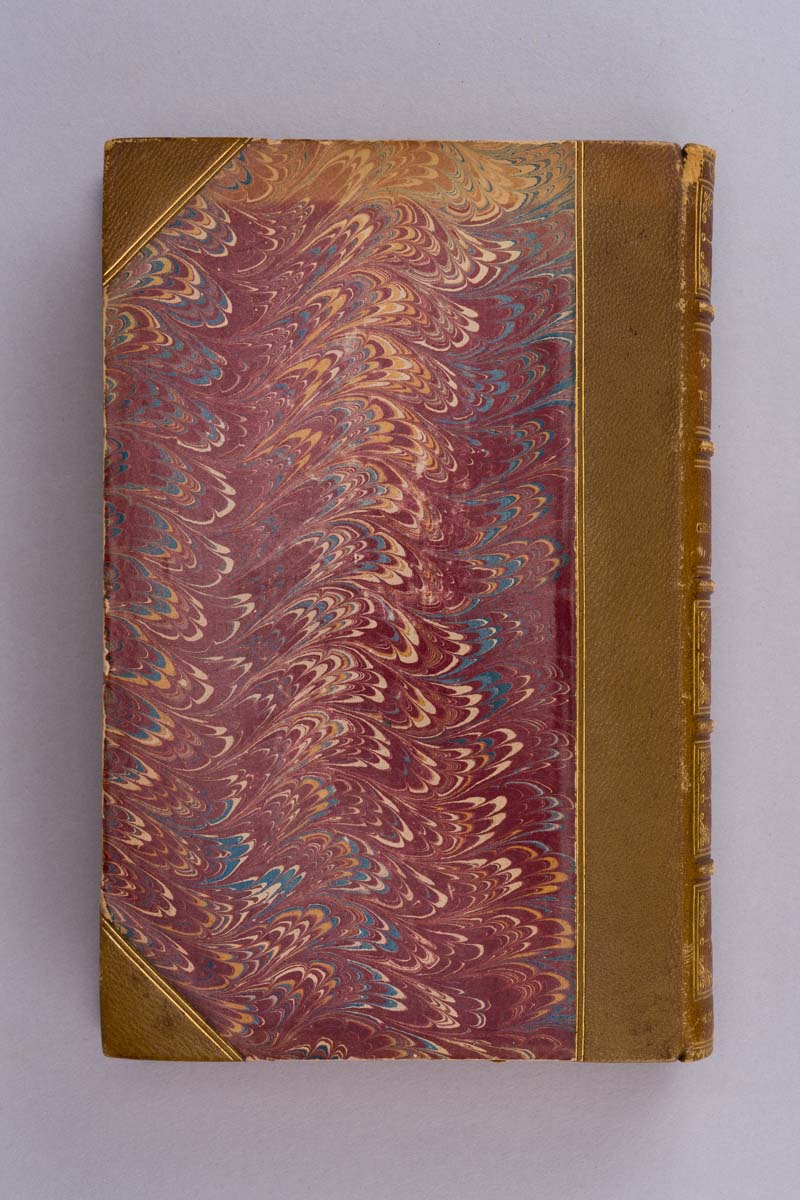
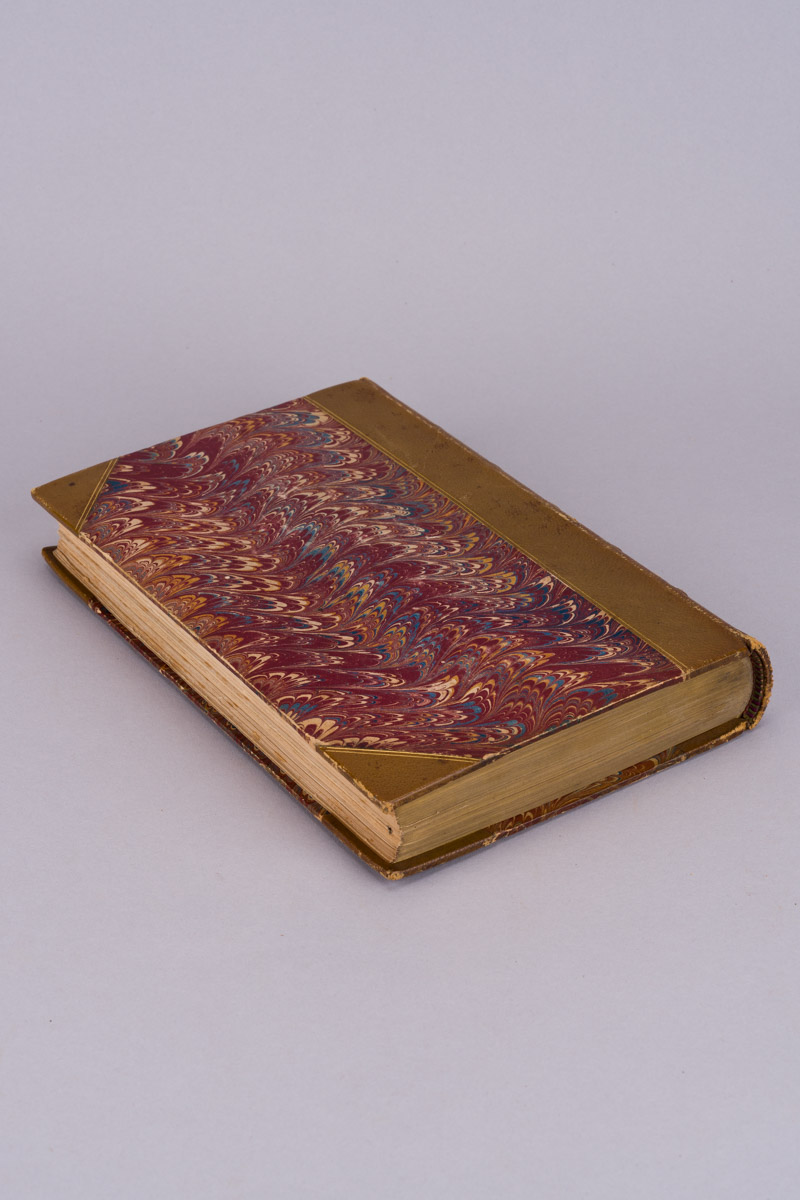
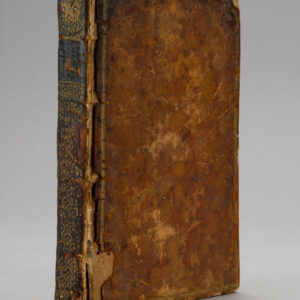
The elegant nineteenth-century binding adds another dimension to the volume: a turbulent eyewitness narrative preserved as a particularly attractive historical book.
Few accounts of the French Revolution combine eyewitness history, aristocratic society and personal survival as vividly as Grace Dalrymple Elliott’s journal.
The work has considerable crossover appeal for collectors of the French Revolution, women’s history, memoirs, Georgian society and eyewitness accounts. Elliott’s extraordinary position within elite French and British circles gives the narrative an immediacy quite different from conventional histories of the Revolution.
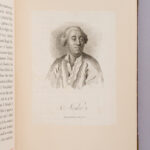
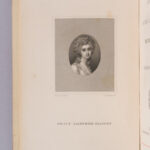
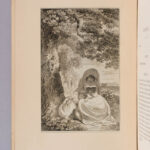
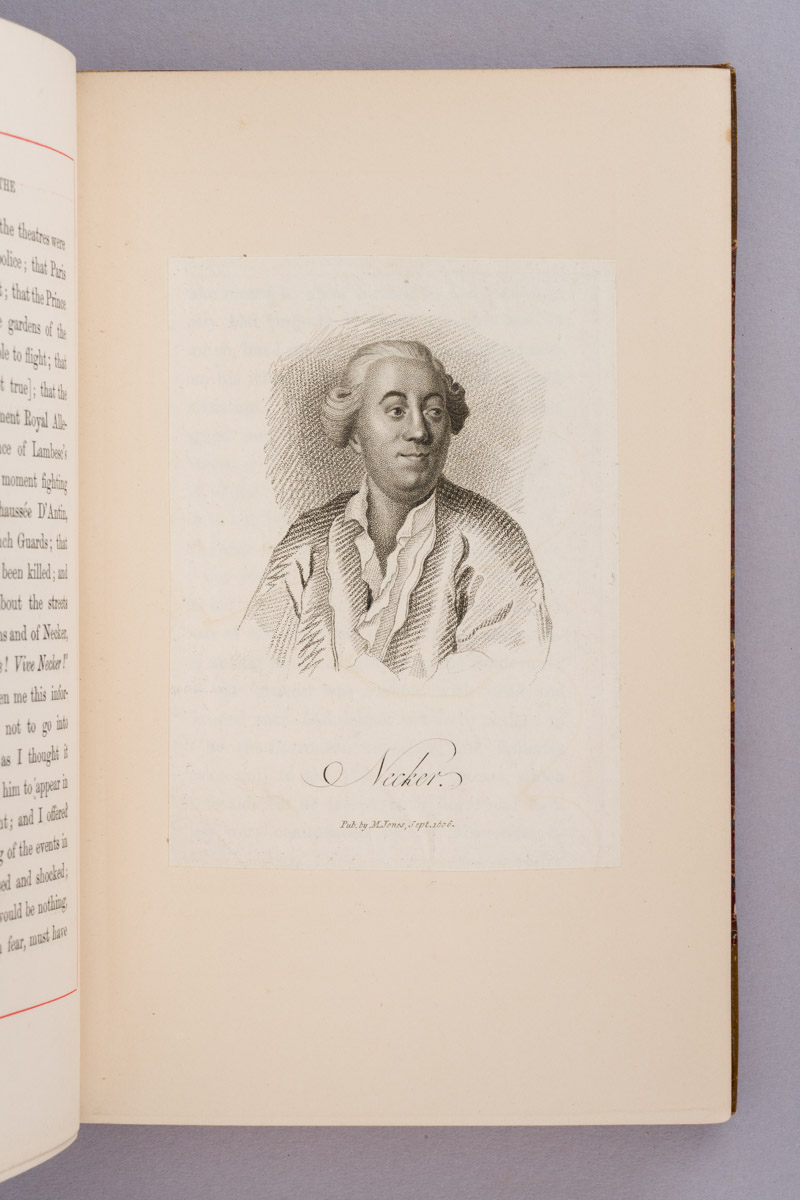
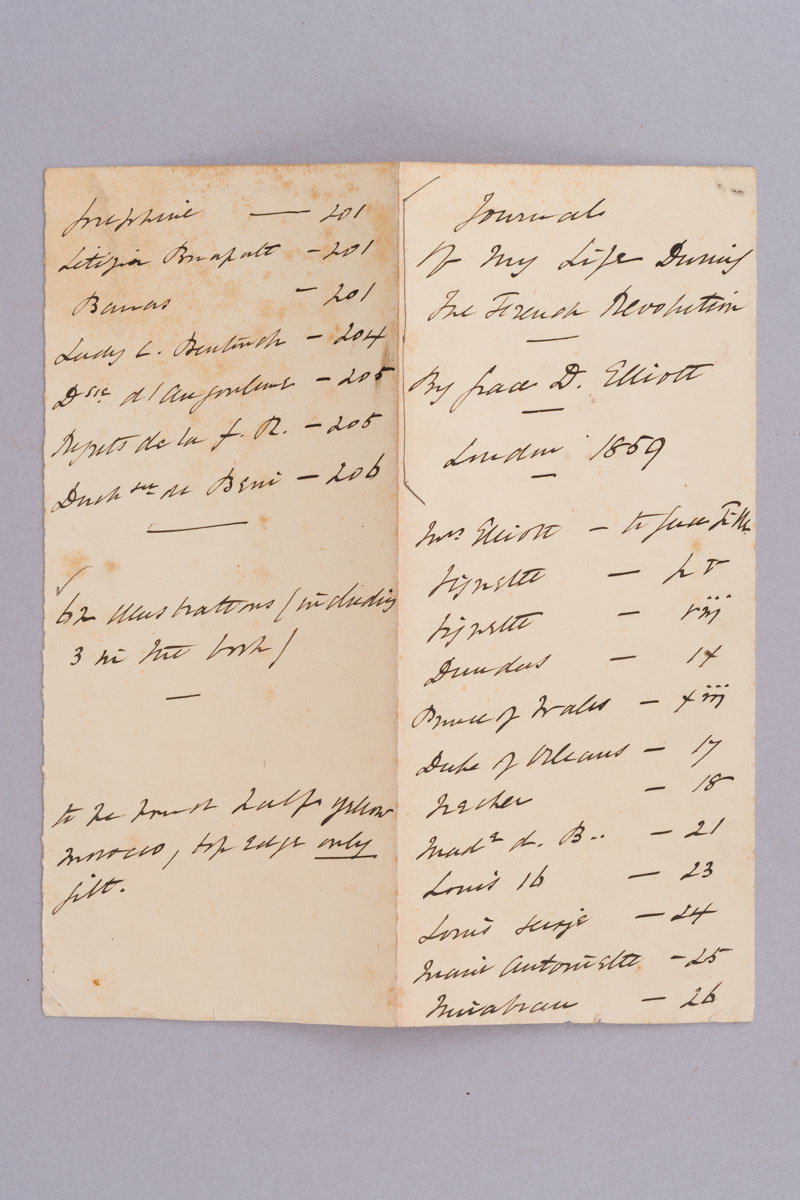
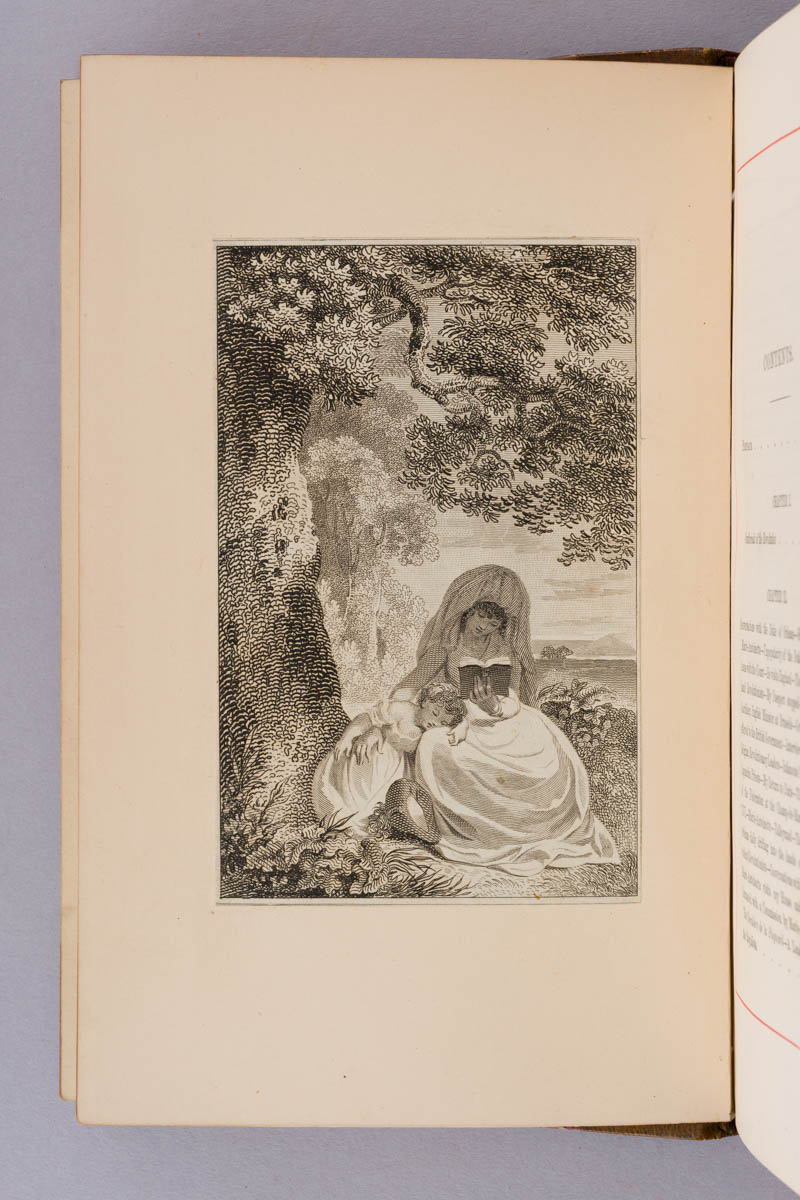
This copy is especially appealing for its handsome half-morocco binding, marbled boards and engraved illustrations, making it both an important historical memoir and an attractive library volume.