£295.00
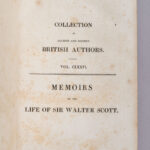
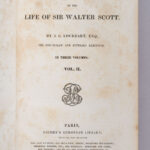
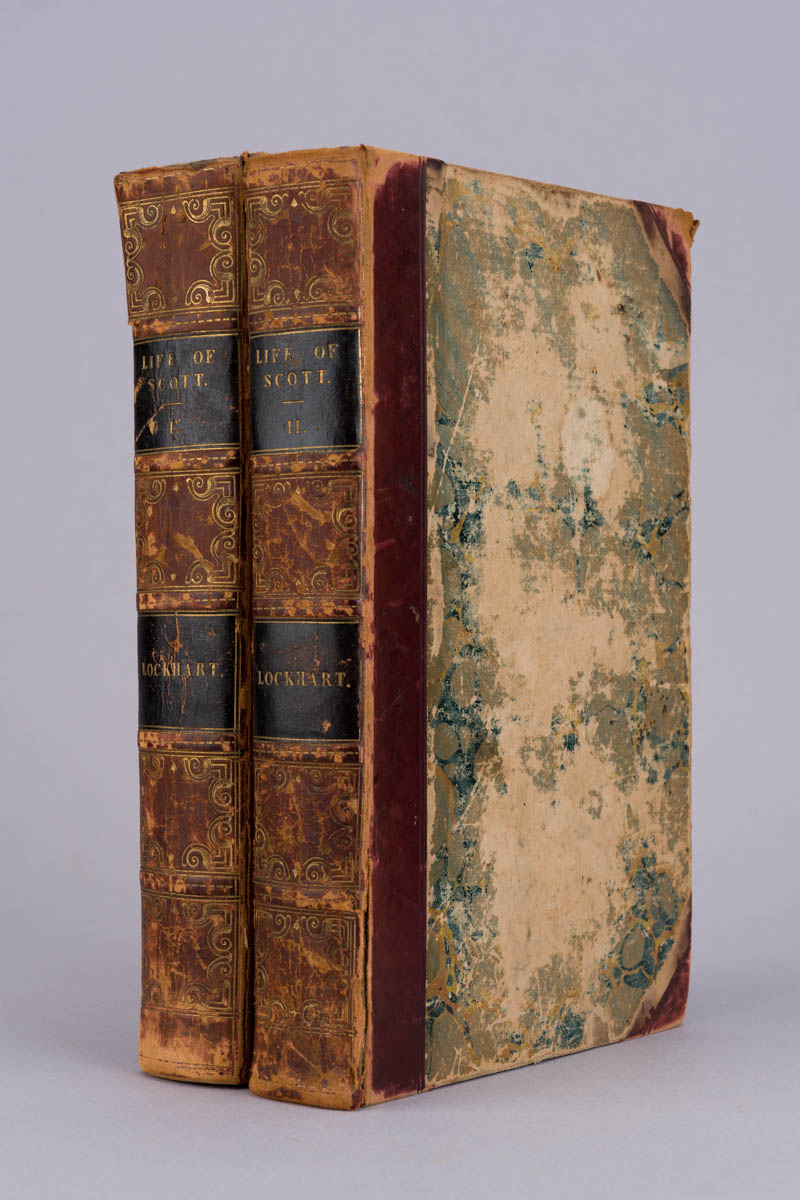
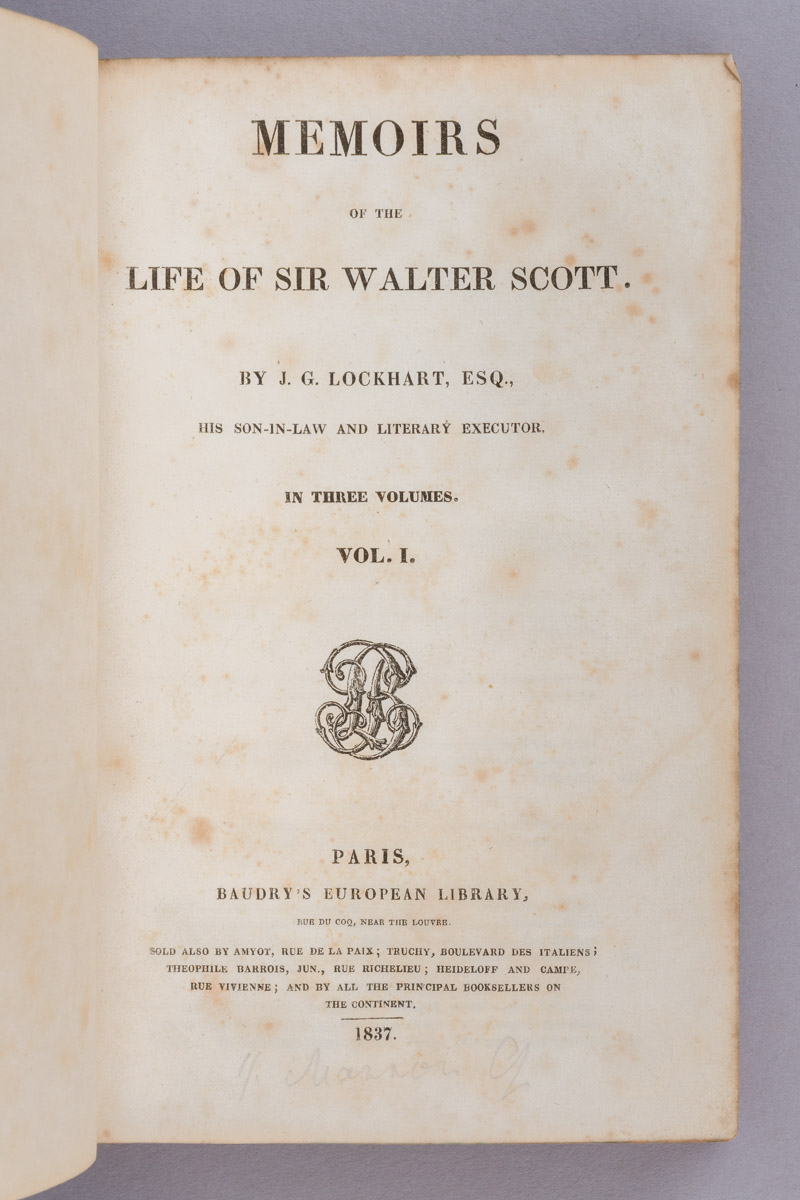
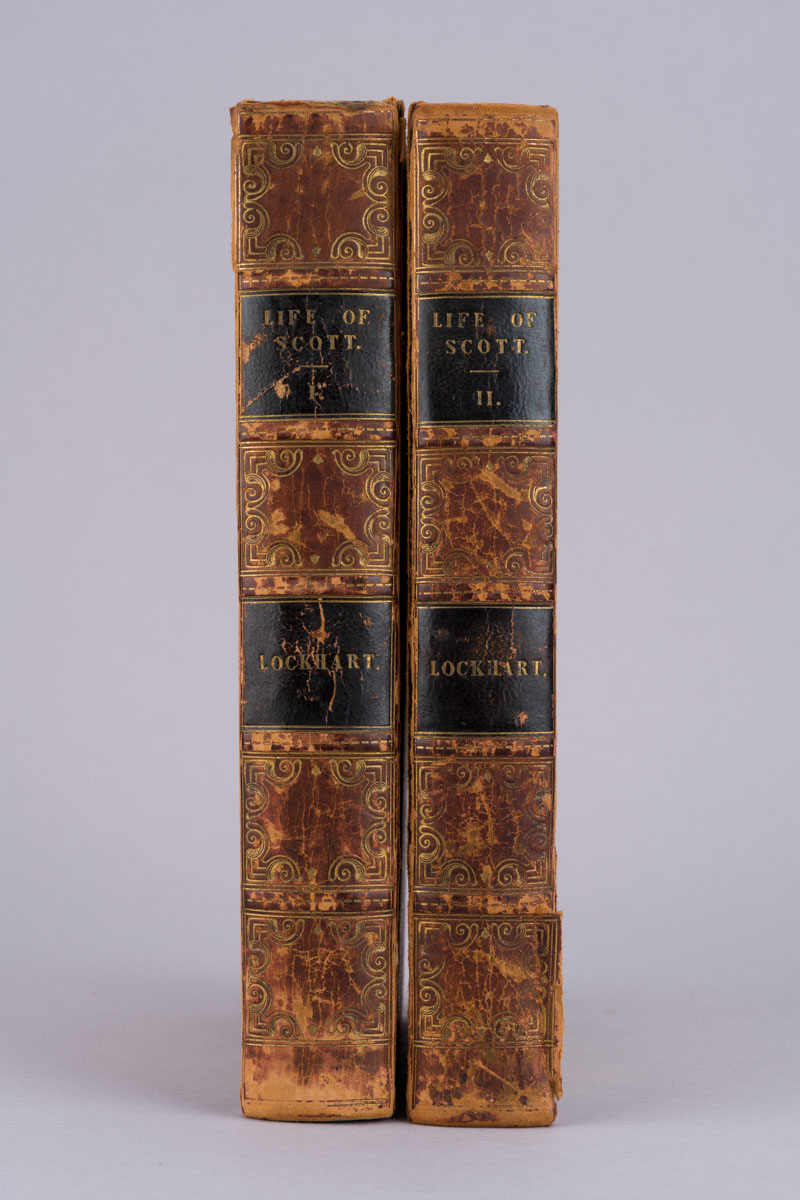
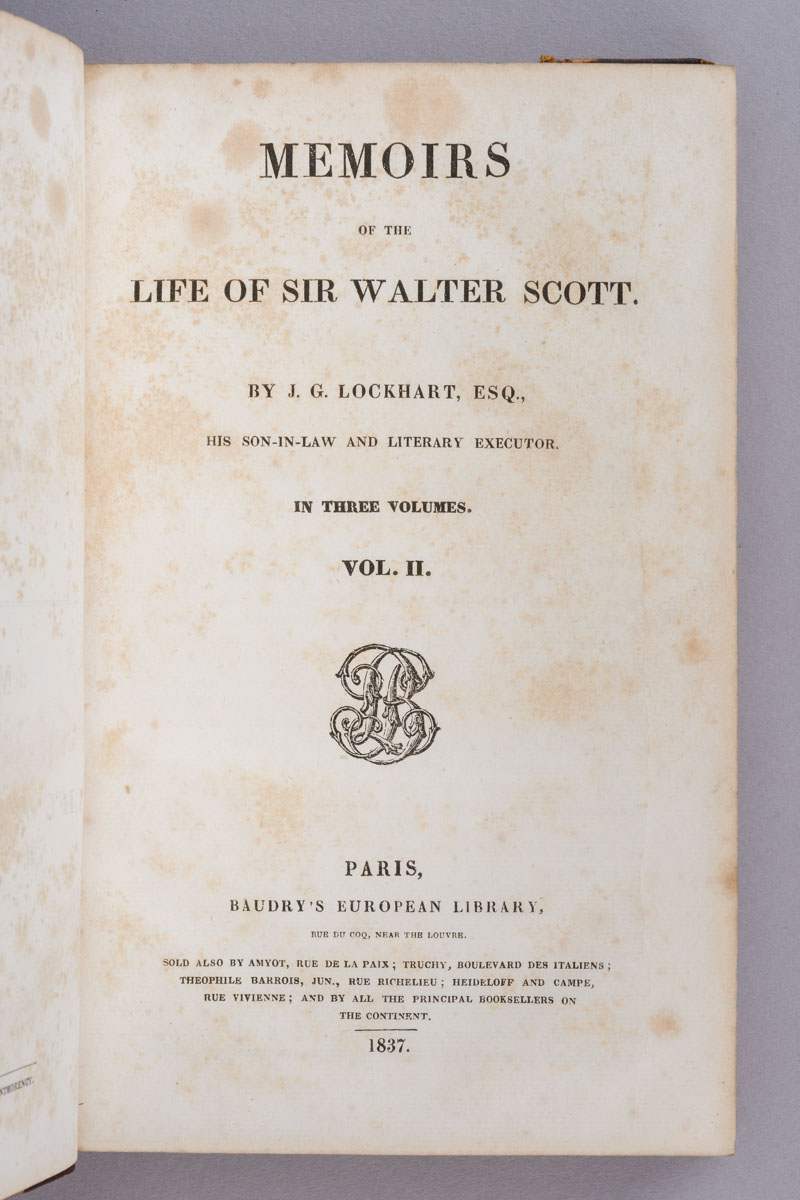
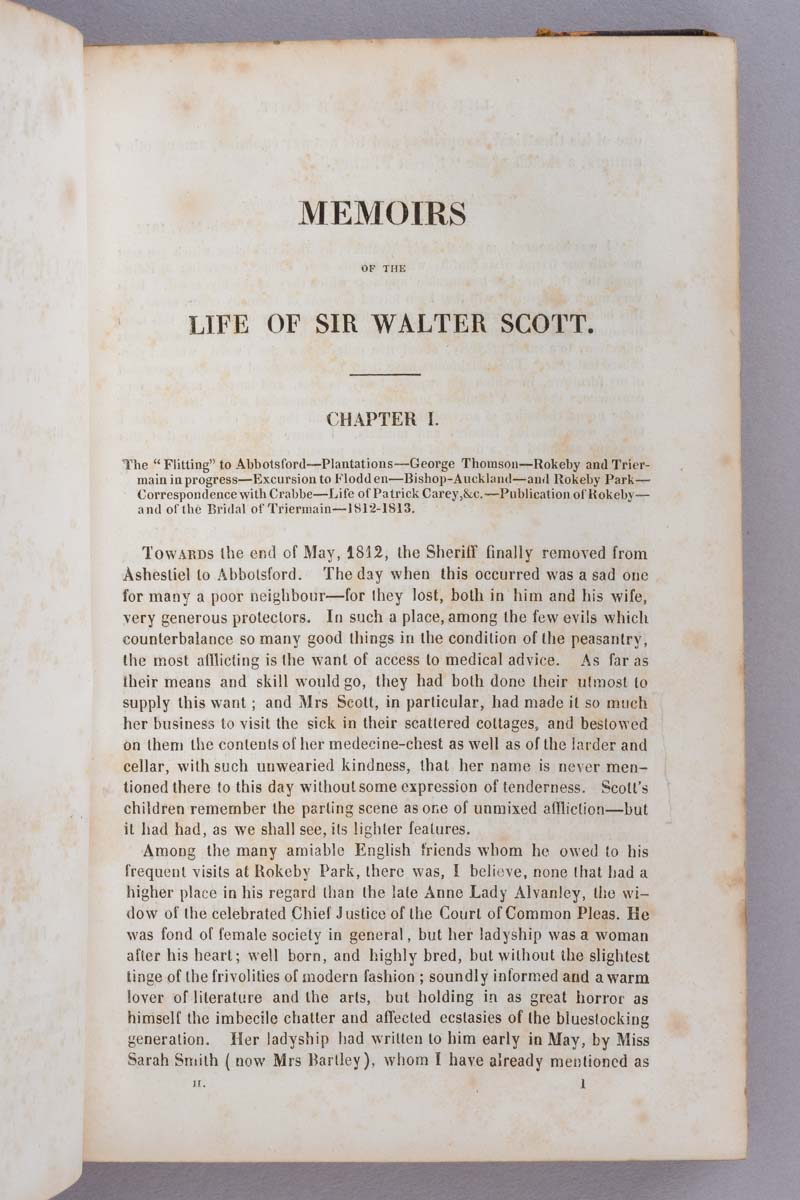
Lockhart (John Gibson). Memoirs of the Life of Sir Walter Scott. Paris: Baudry’s European Library, 1837. Two volumes (of three).
An early continental edition of one of the great literary biographies of the nineteenth century, written by Scott’s son-in-law and literary executor, John Gibson Lockhart.
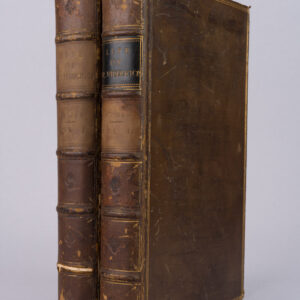
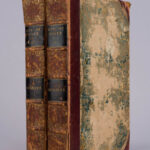
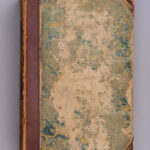
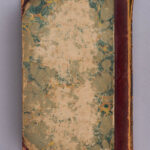
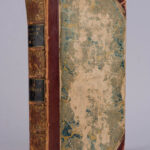
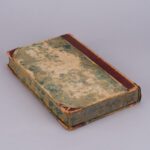
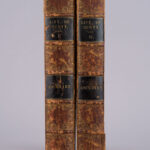
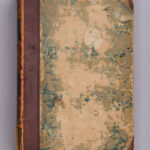
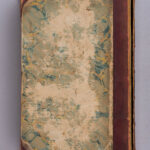
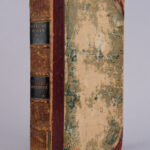
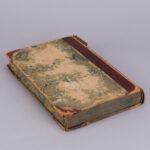
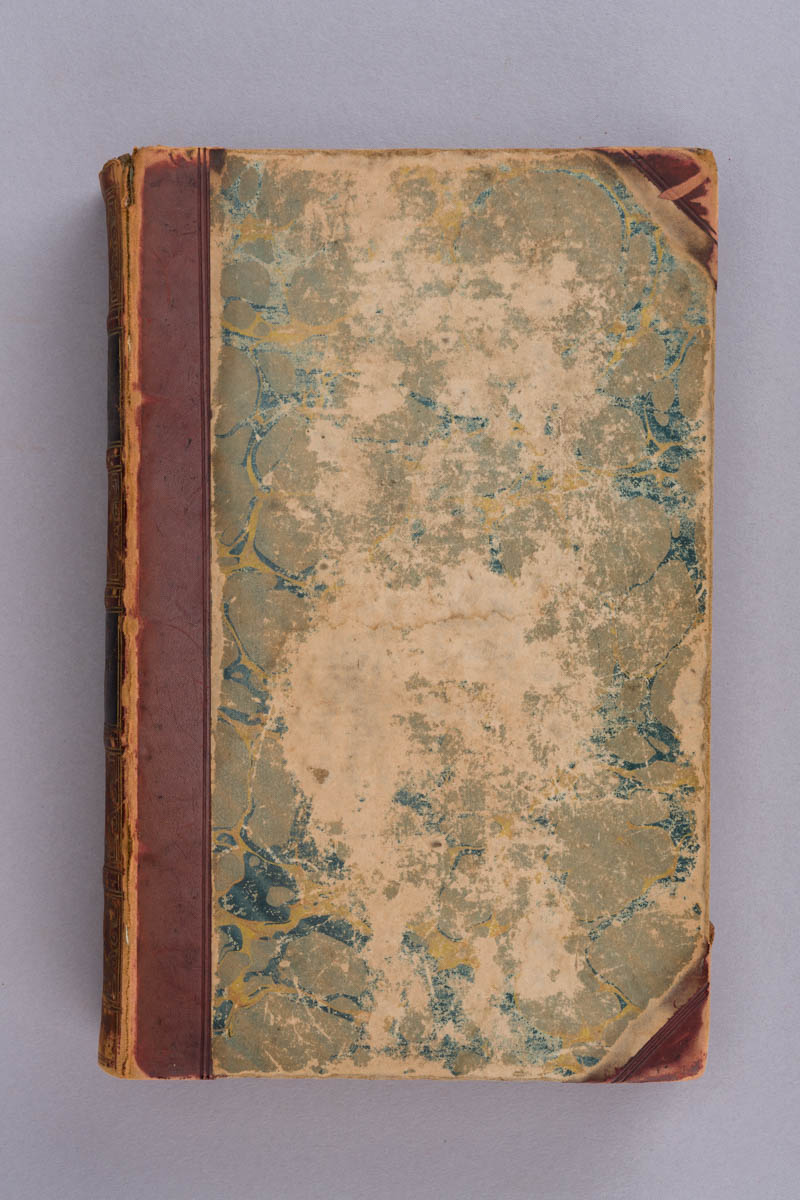
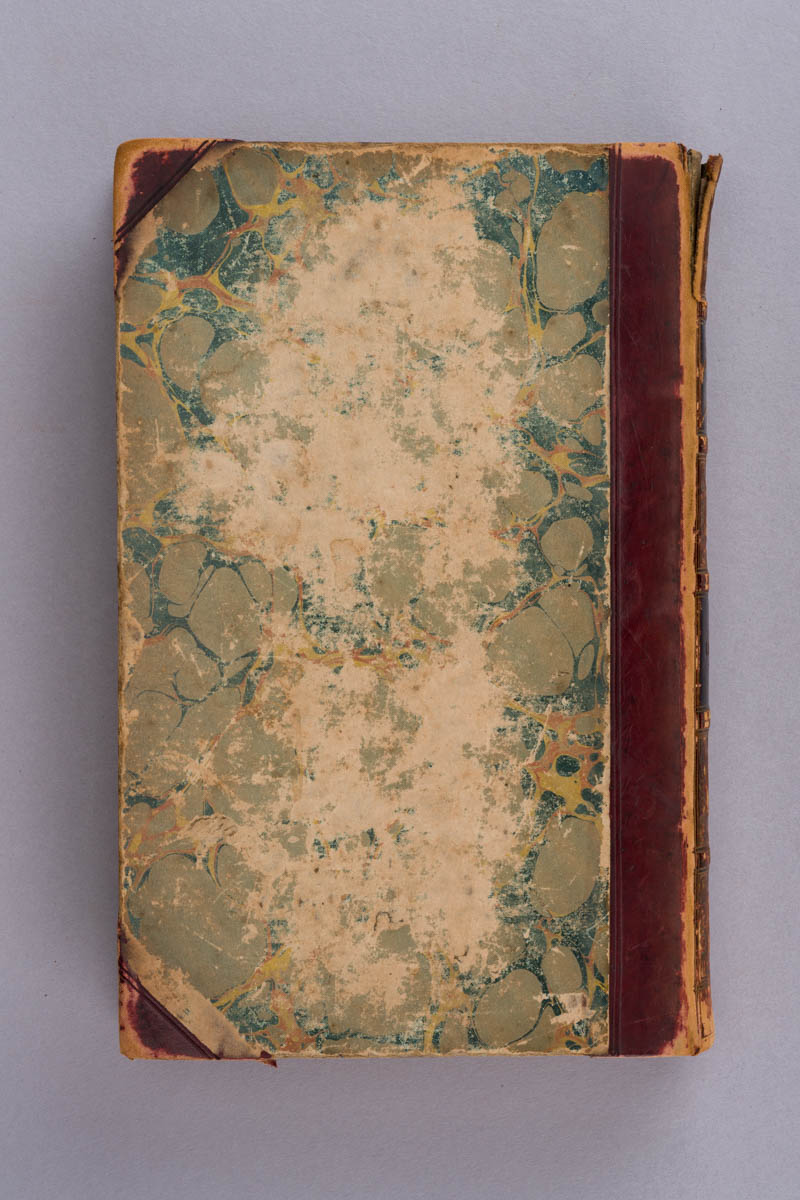
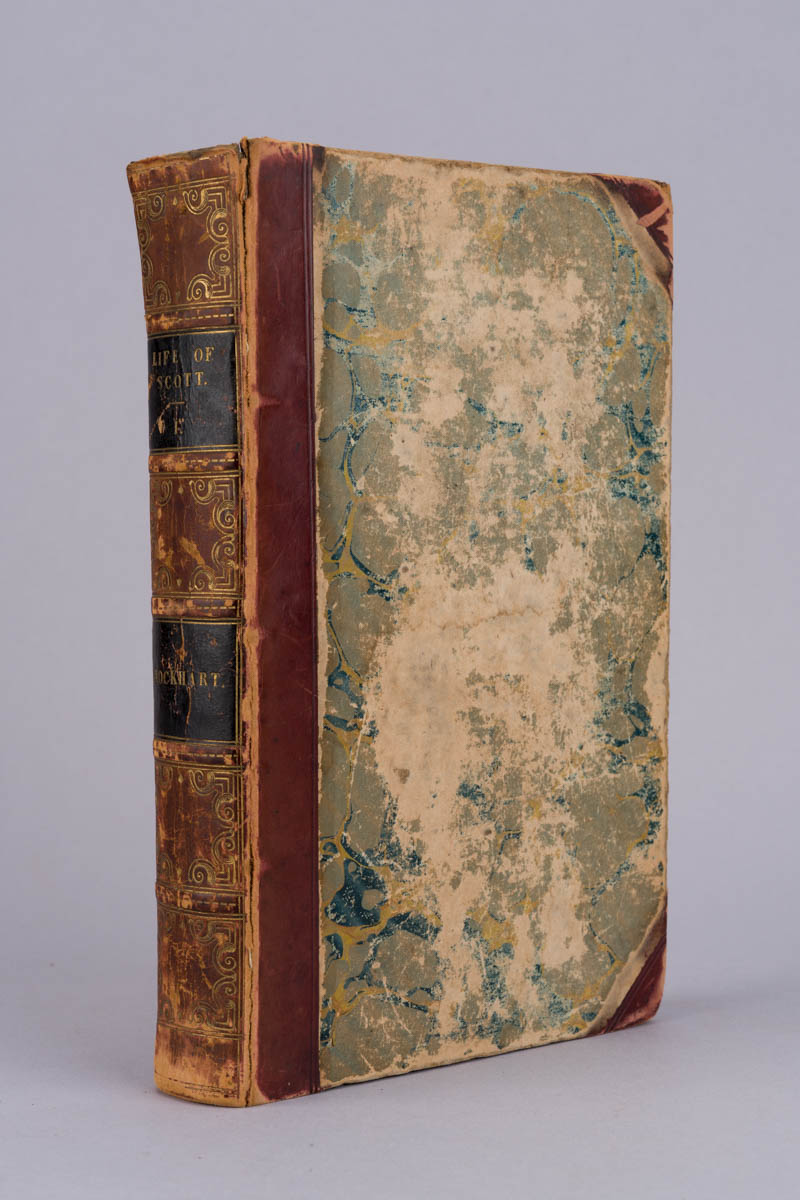
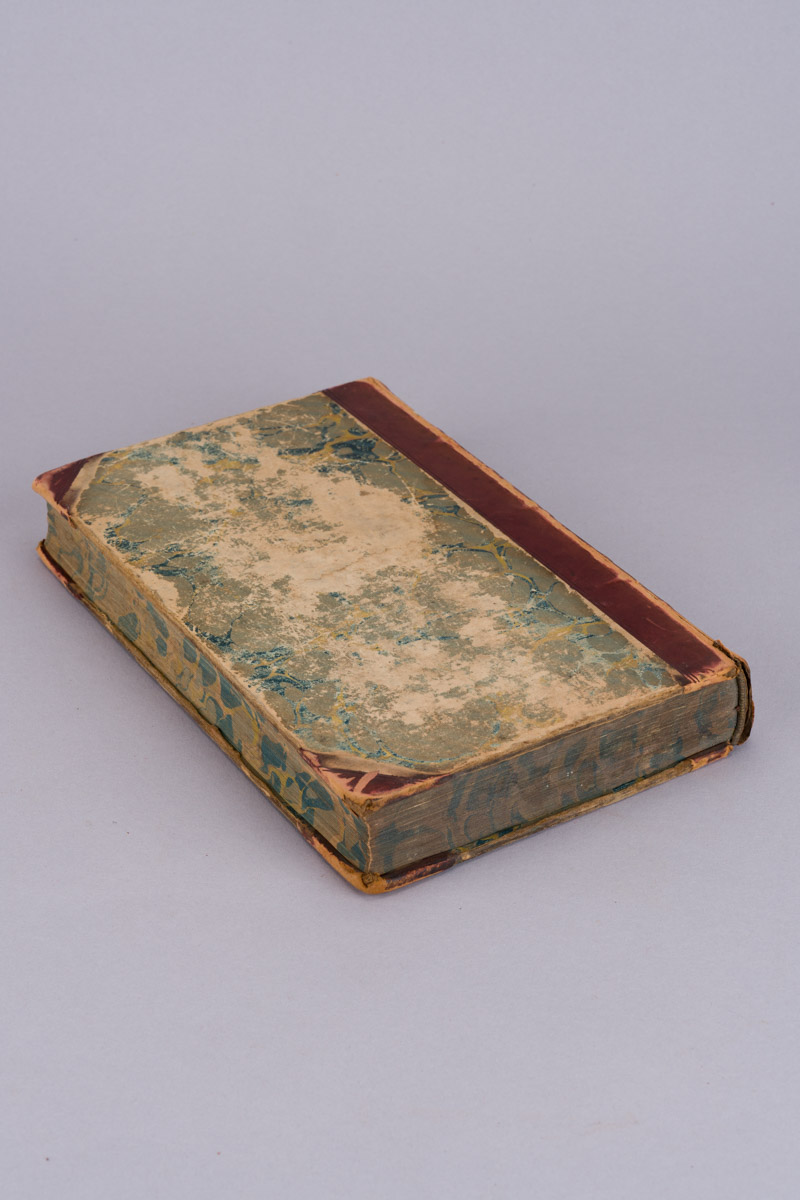
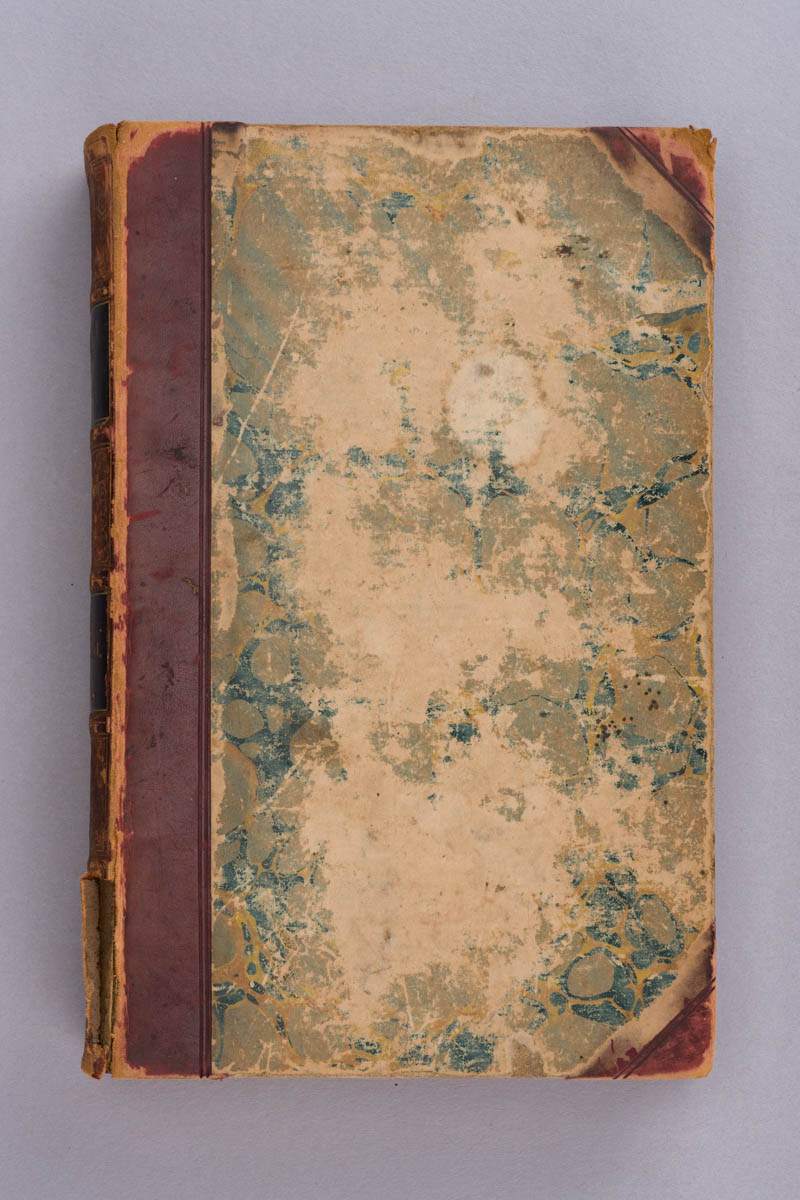
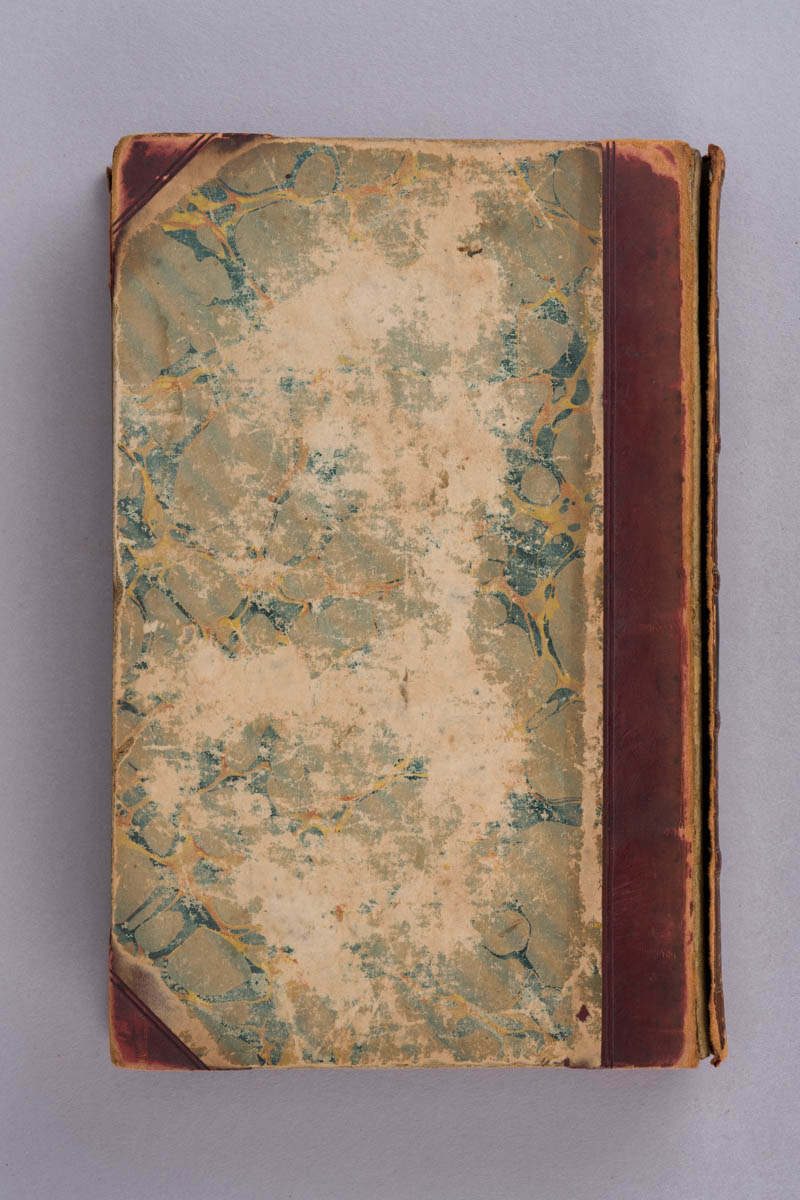
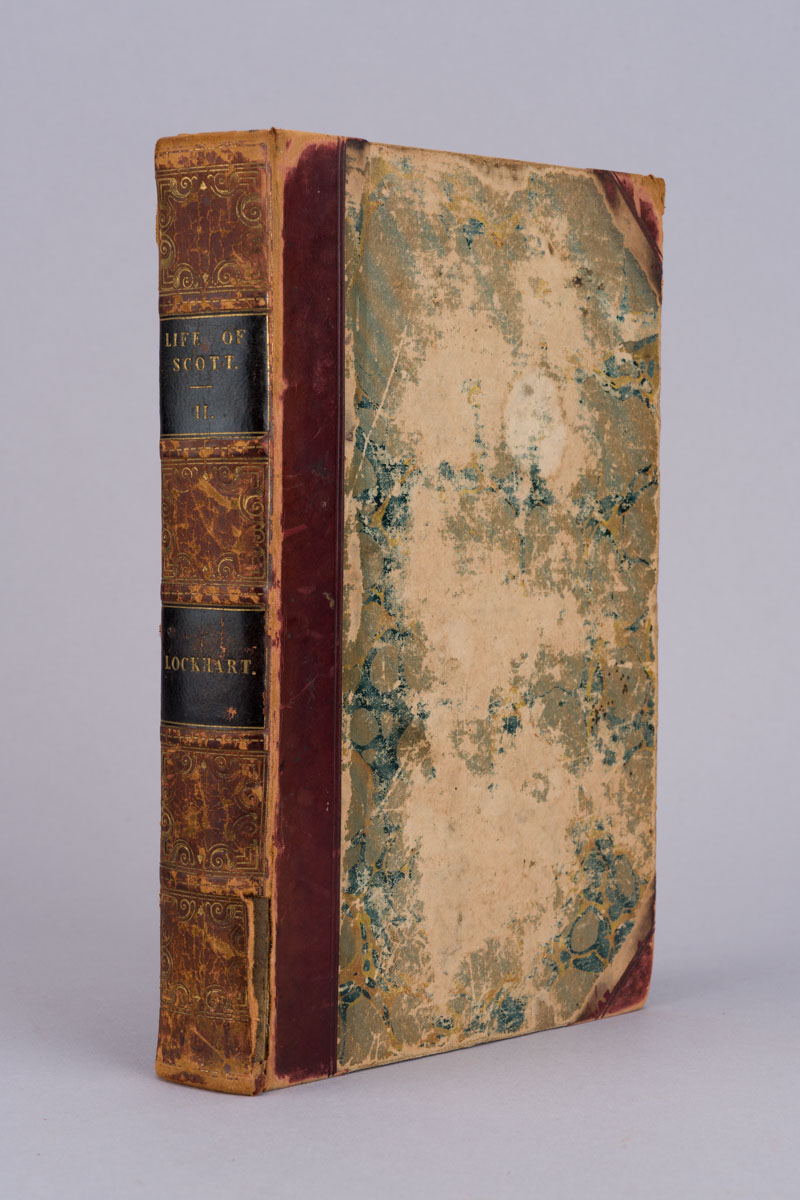
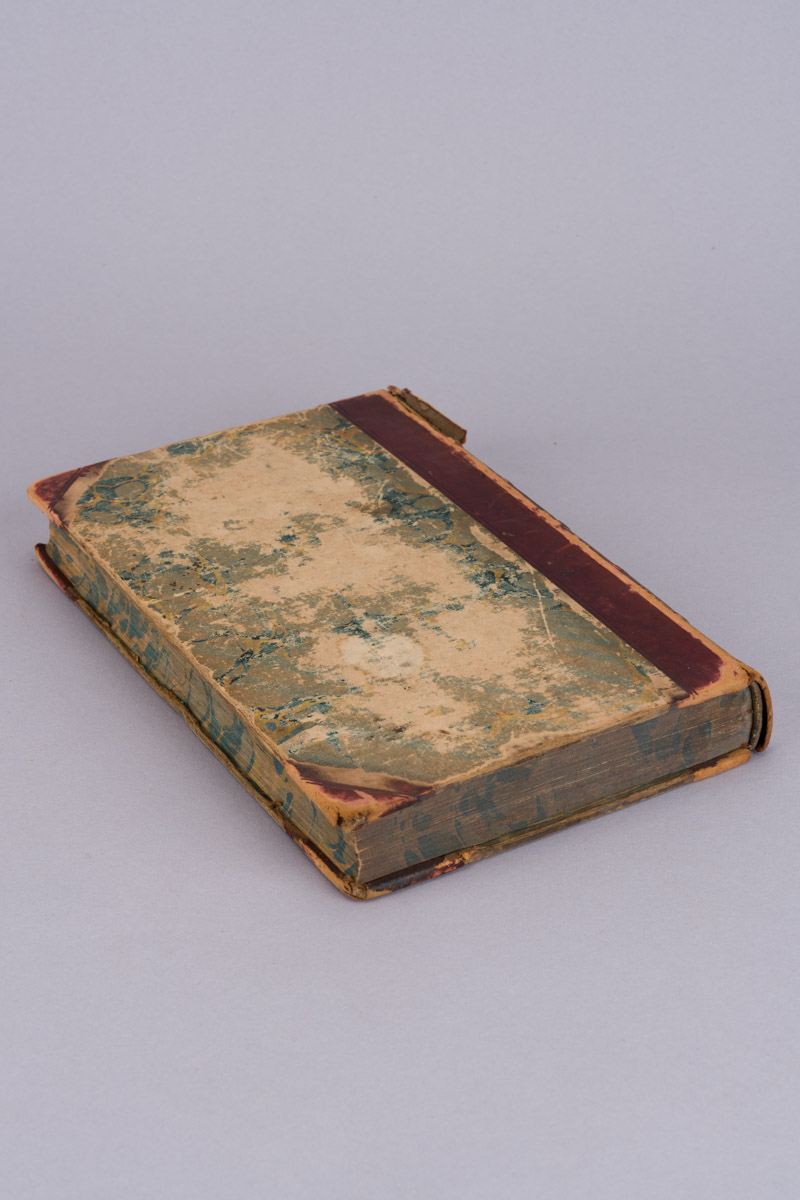
The volumes are bound in contemporary half leather over marbled boards, the spines divided into gilt-decorated compartments with black morocco labels lettered “Life of Scott”, volume numbers and “Lockhart” in gilt. The bindings show considerable age-related rubbing and wear, particularly to the boards, extremities and spine ends, while retaining considerable period character.
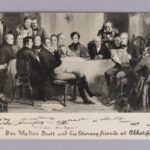
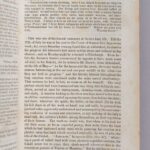
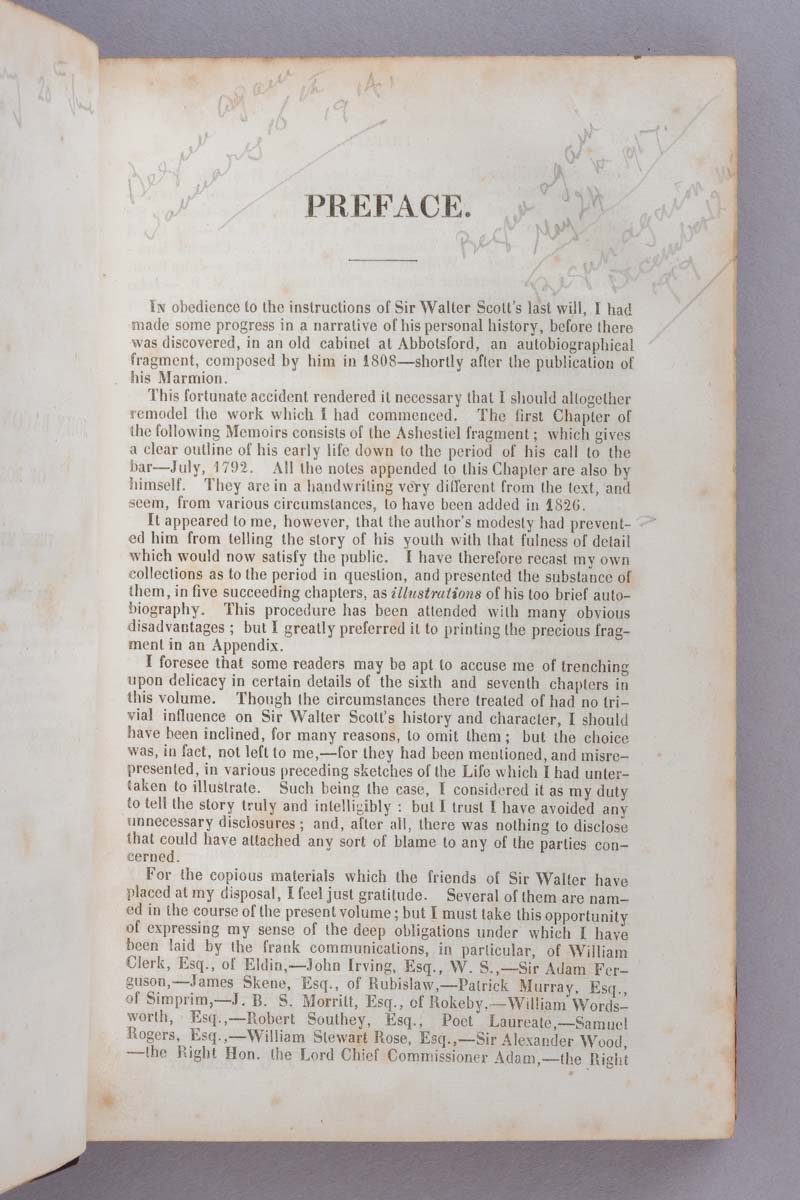
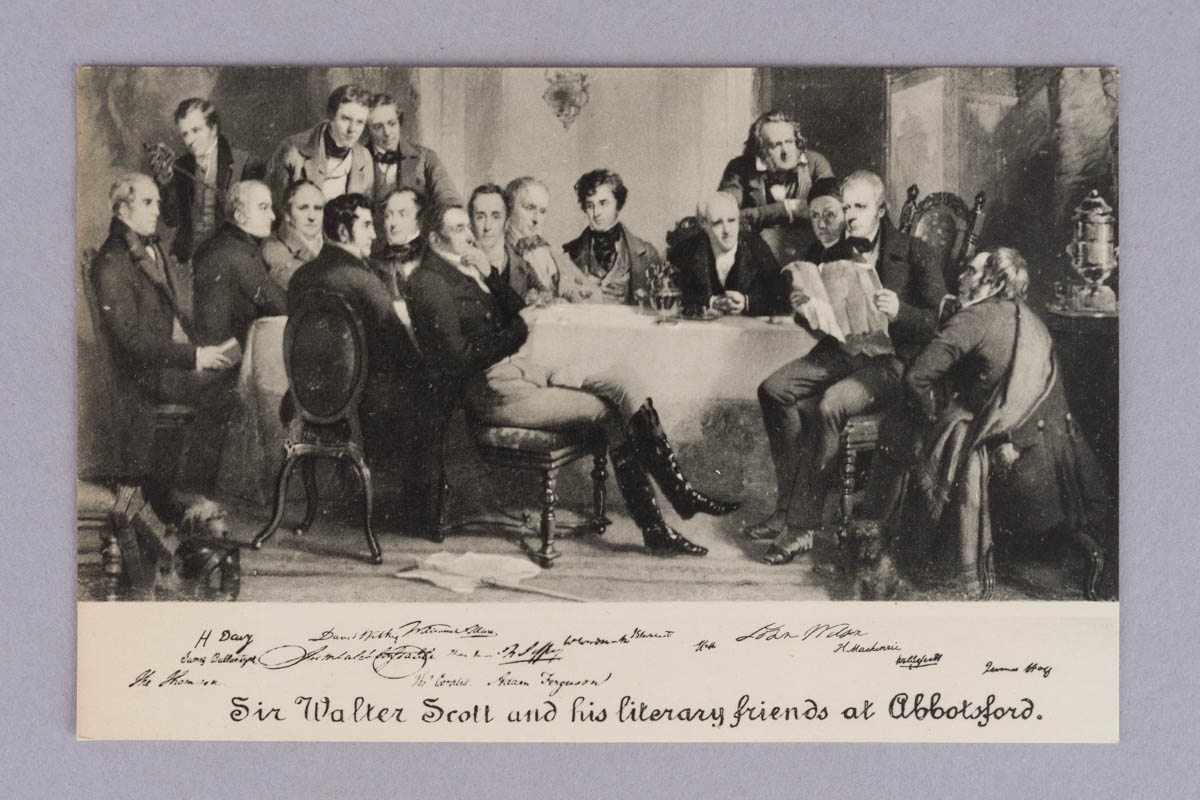
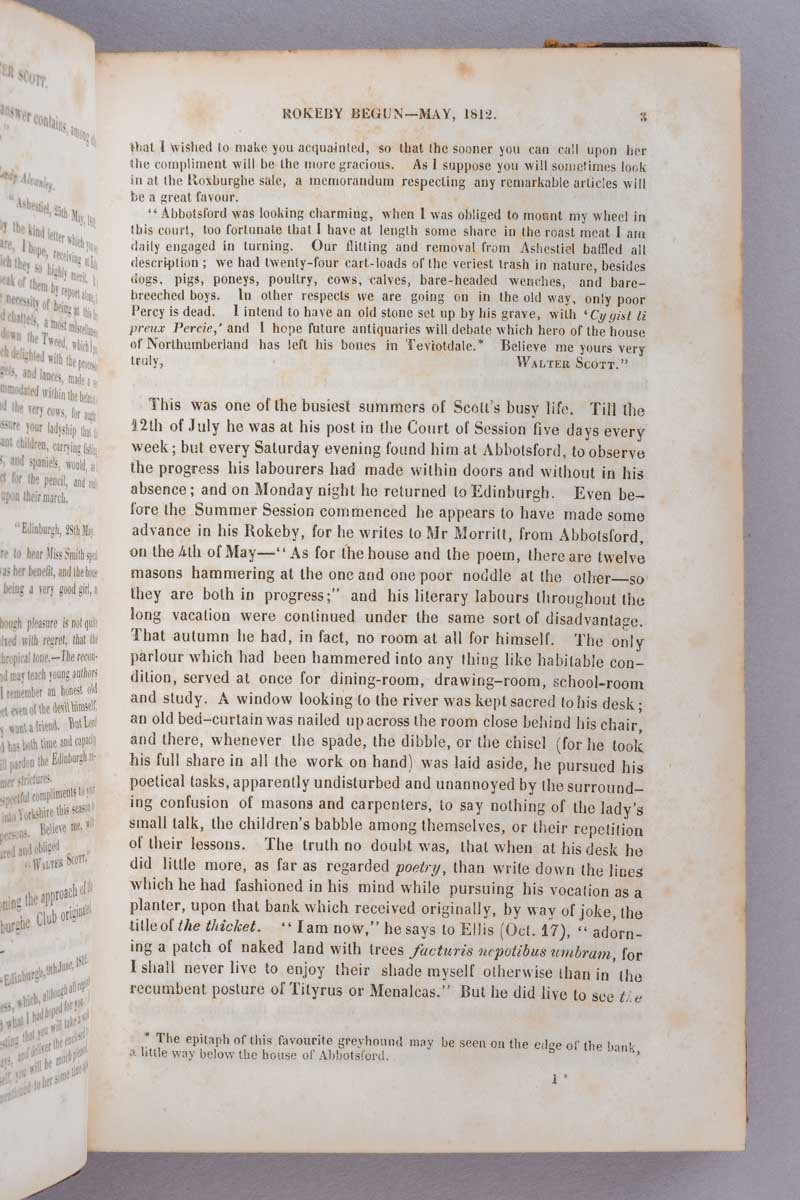
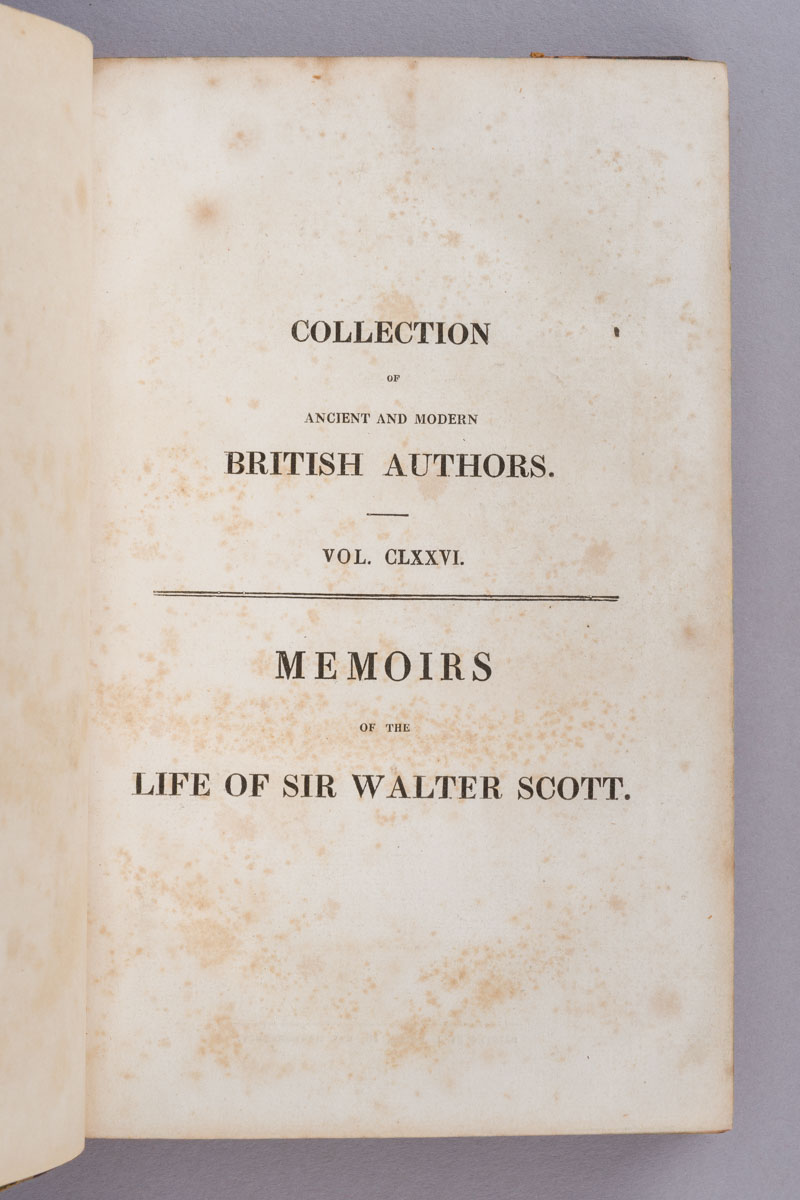
Internally with scattered foxing and toning, heavier in places, consistent with the age of the books. Contemporary or later pencil annotations are present on some leaves. A later illustration depicting “Sir Walter Scott and his literary friends at Abbotsford” accompanies the set.
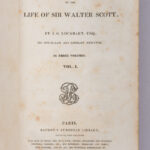
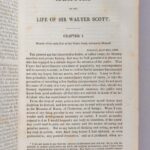
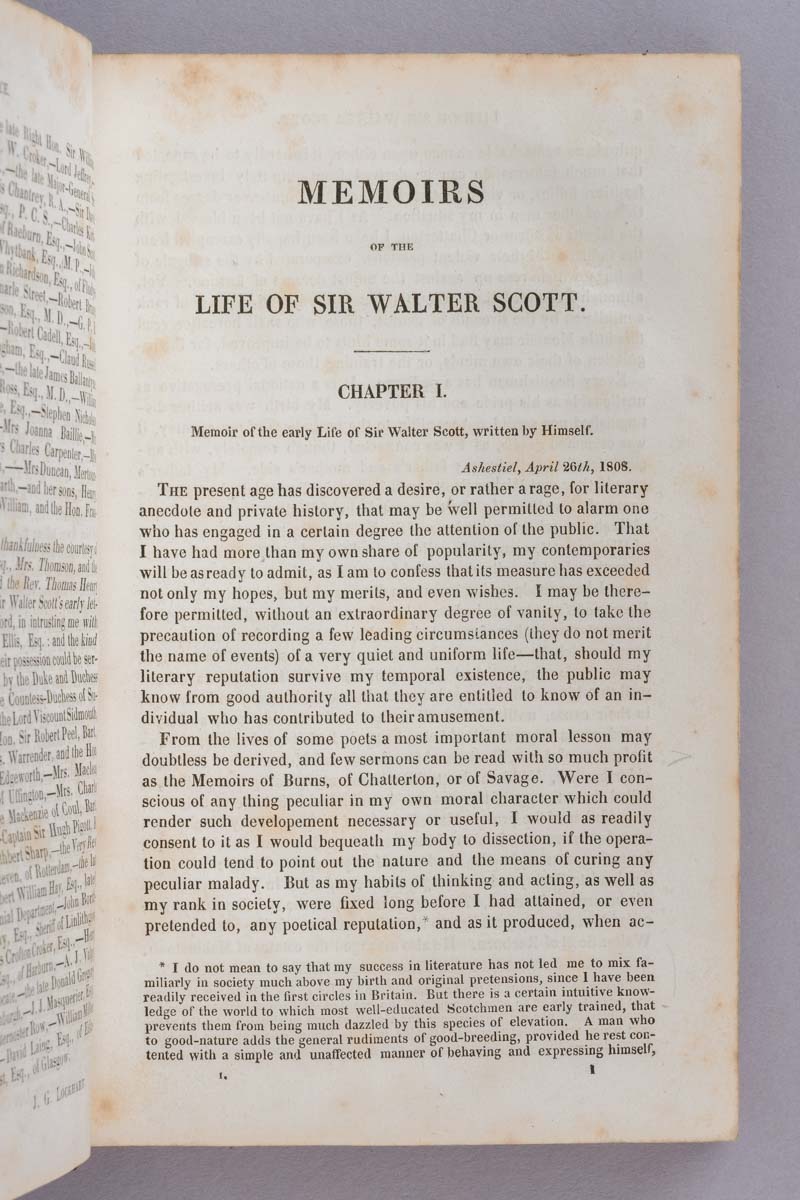
The title pages identify Lockhart explicitly as Scott’s “son-in-law and literary executor”, an important distinction: this biography was produced not by a distant historian but by a man intimately connected with Scott, his family, his papers and his literary estate.
Please note: the edition was issued in three volumes; the present set comprises Volumes I and II only.
Year: 1837
Edition: Paris edition; two volumes present from the three-volume edition
Publisher: Baudry’s European Library, Paris
1 in stock
Few literary biographies were written from a position quite as privileged as this one.
When Sir Walter Scott died in 1832, he left behind not simply an extraordinary literary reputation but an enormous archive of correspondence, journals, manuscripts and personal papers. The task of shaping that material into the story of Scott’s life fell to John Gibson Lockhart — Scott’s son-in-law, close companion and literary executor.
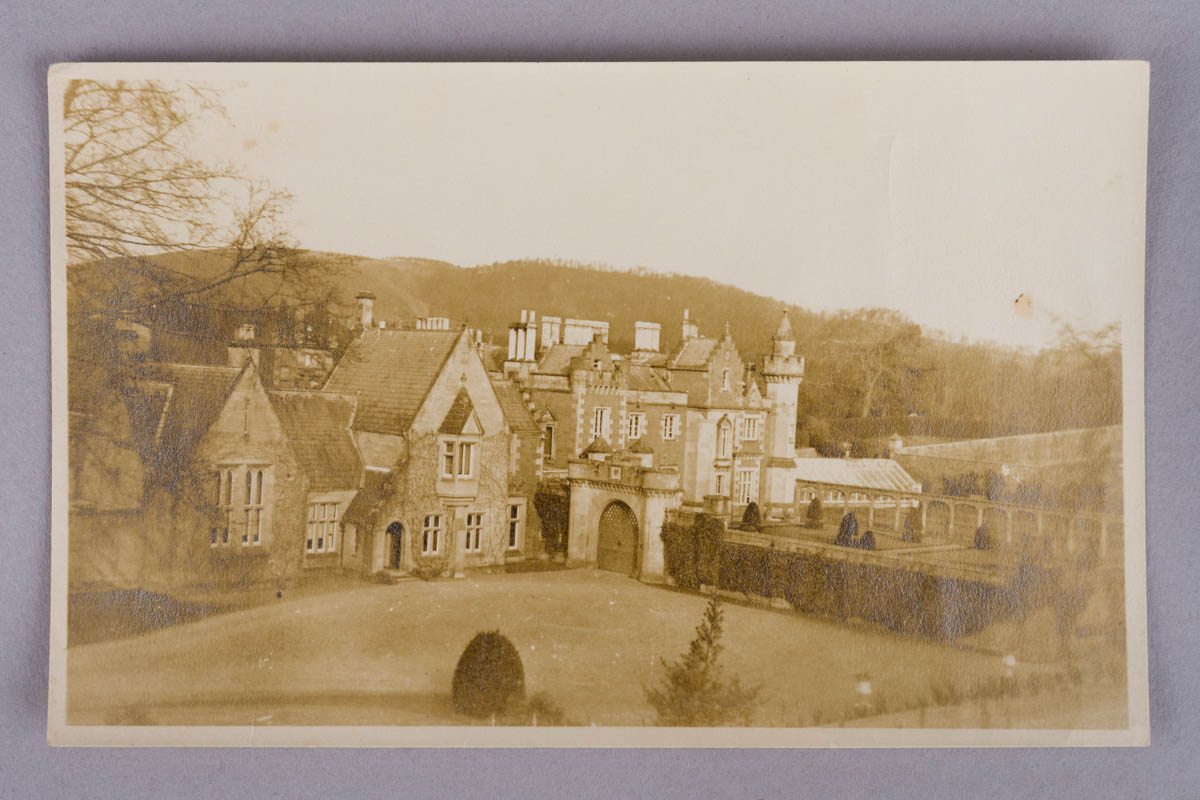
Lockhart had known Scott personally for years. He had been part of the family circle at Abbotsford and witnessed at close quarters both Scott’s extraordinary literary success and the financial catastrophe that overshadowed his final years.
The resulting Memoirs became much more than a conventional Victorian “Life.” Lockhart incorporated Scott’s own autobiographical writings, letters, recollections and private papers, allowing Scott frequently to speak through the documentary record itself.
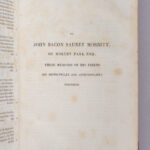
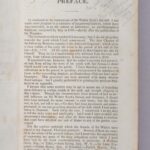
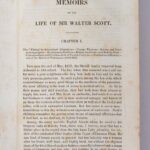
The preface to this edition makes the process particularly tangible. Lockhart explains that, while preparing his account, an autobiographical fragment written by Scott in 1808 was discovered in an old cabinet at Abbotsford. Rather than merely paraphrasing it, Lockhart incorporated this material into the biography.
That closeness to the source is what gives the work its enduring importance.
Scott was one of the towering literary figures of nineteenth-century Europe: the author of Waverley, Ivanhoe, Rob Roy and The Heart of Mid-Lothian, a writer whose historical novels transformed European fiction and profoundly influenced the nineteenth-century conception of history itself.
This 1837 Paris edition also tells another story — that of Scott’s enormous international readership. Published by Baudry’s European Library and sold through booksellers in Paris and across continental Europe, it reflects the extraordinary demand for British literature among nineteenth-century European readers.
This is more than a biography of Sir Walter Scott. It is an important contemporary witness to the creation of his literary legacy.
Lockhart possessed something later biographers could never reproduce: direct access to Scott himself, his family, his correspondence and the private archive at Abbotsford. His Memoirs consequently became one of the foundational works of nineteenth-century literary biography.
The 1837 date is also significant. This edition appeared only five years after Scott’s death, placing it exceptionally close to the people, documents and memories upon which the biography was constructed.
The surviving contemporary bindings add considerable atmosphere. Although worn, the leather spines, gilt decoration and marbled boards remain recognisably products of the nineteenth-century book trade rather than later attempts to recreate it.
An appealing historical set for a collector of Sir Walter Scott, Scottish literature, Romantic literature, literary biography or nineteenth-century European publishing.
Two volumes only of a three-volume edition. Contemporary half-leather bindings with marbled paper-covered boards; substantial rubbing, scuffing and surface loss to boards, with wear to leather, spine ends, corners and extremities. Gilt spine decoration and lettering remain substantially legible.
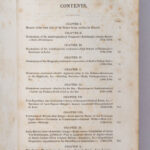
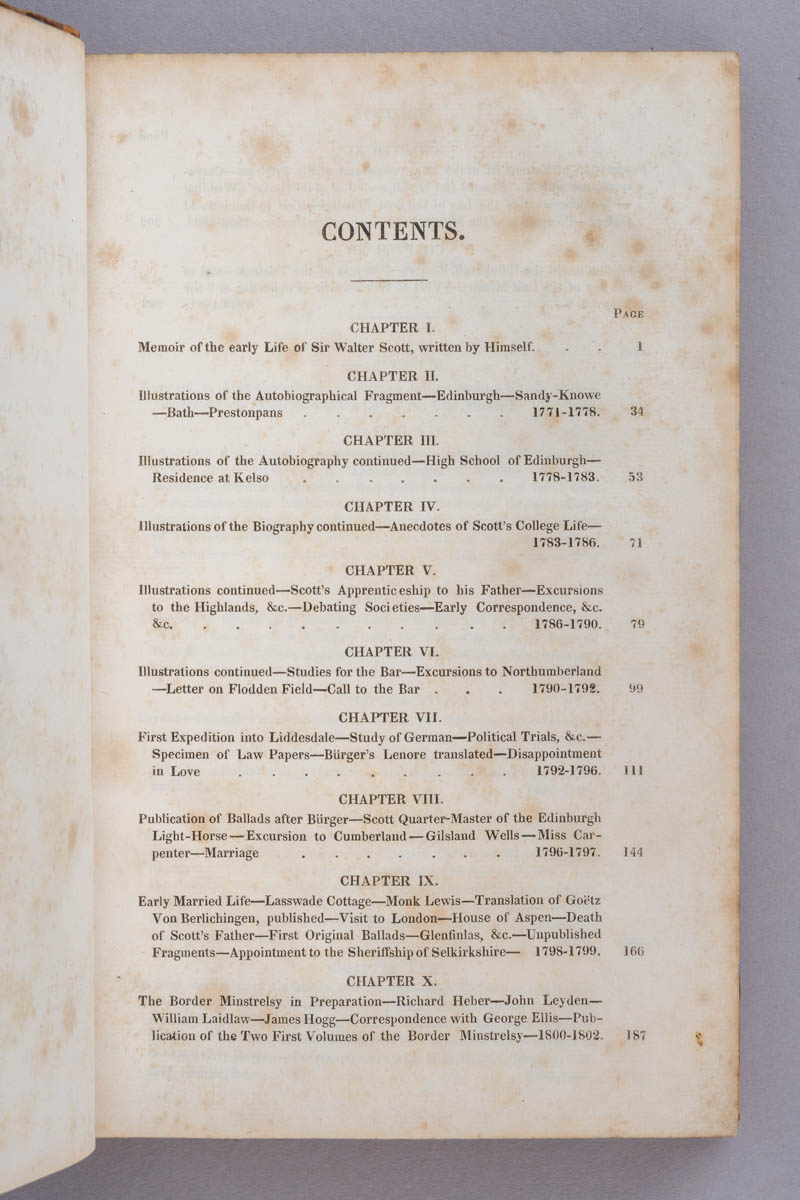
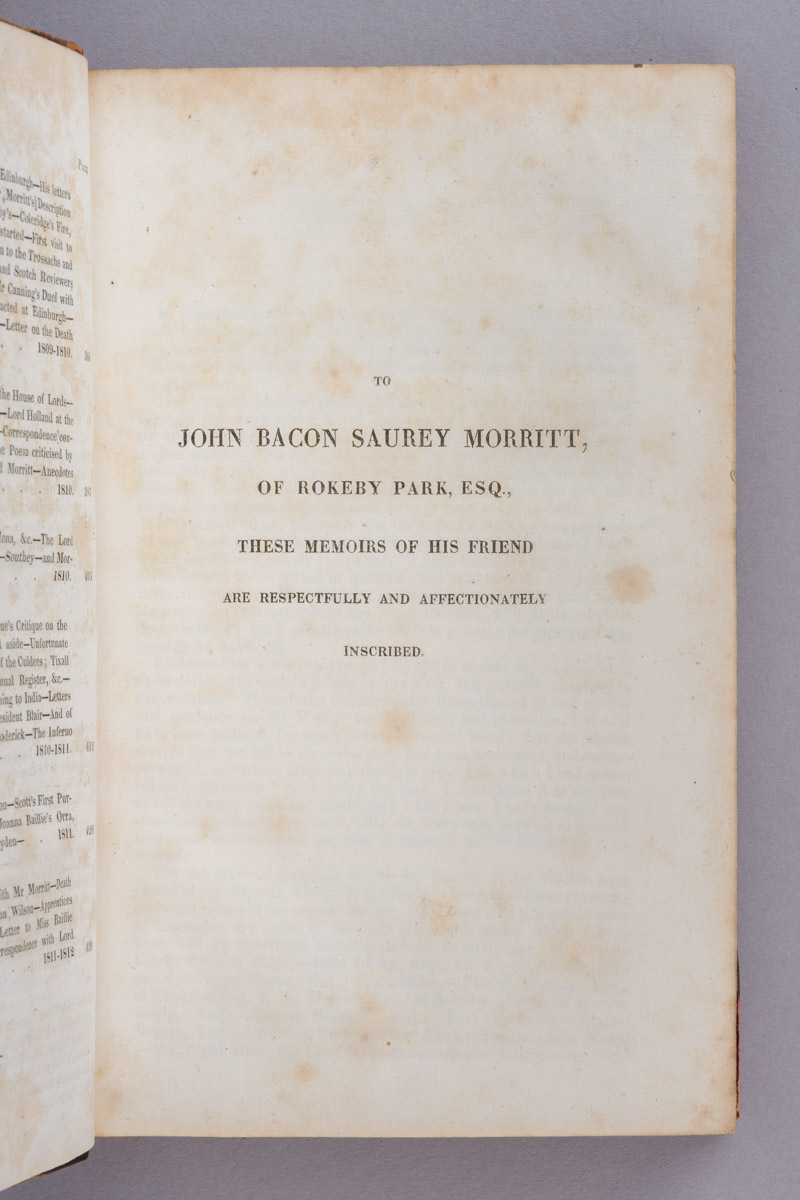
Contents with age toning and scattered foxing, occasionally more pronounced. Pencil annotations and markings to some leaves. Later Scott-related illustration loosely associated with the set. Overall a sound, characterful working set in contemporary bindings, showing clear evidence of nearly two centuries of ownership and use.