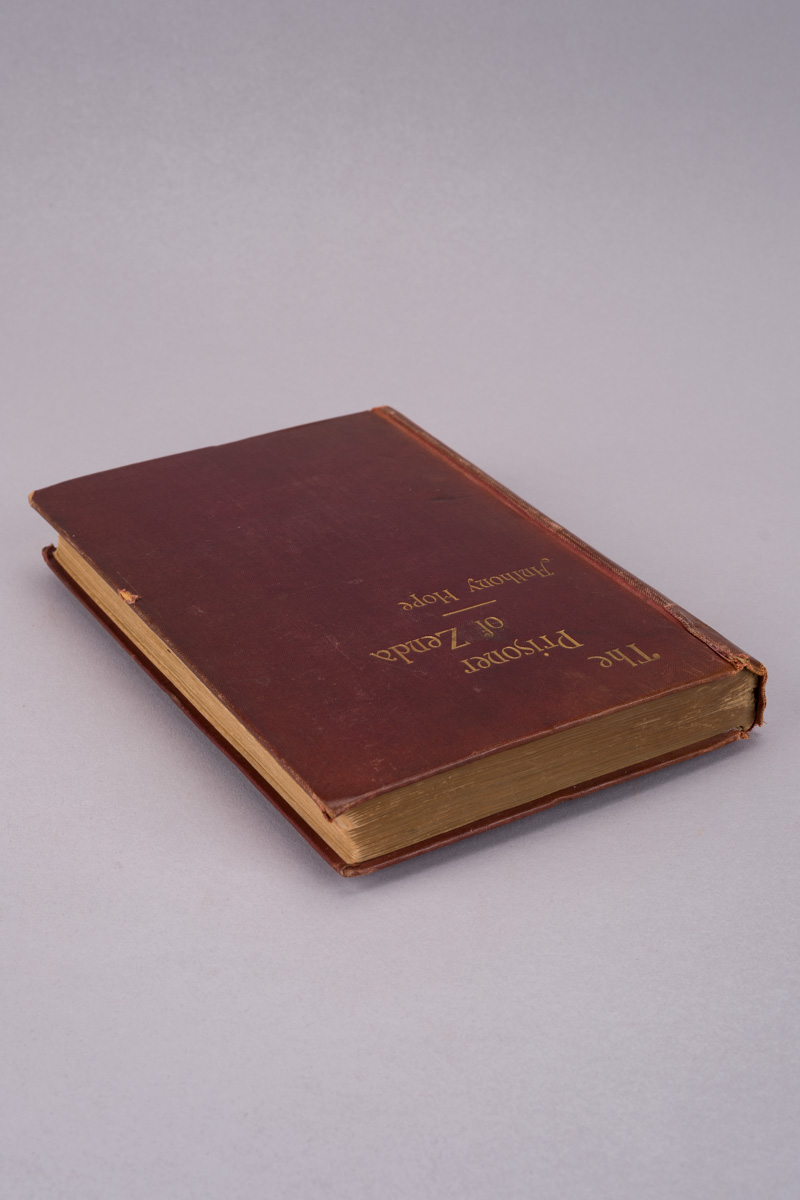
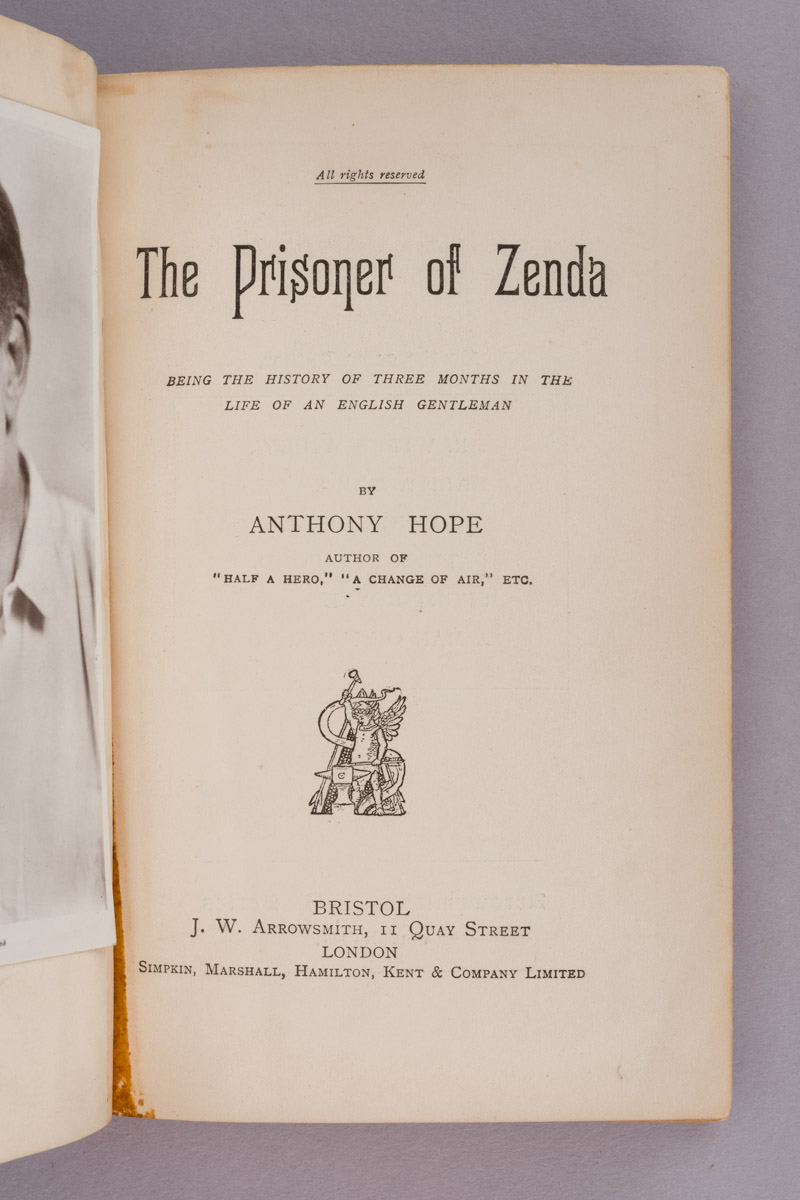
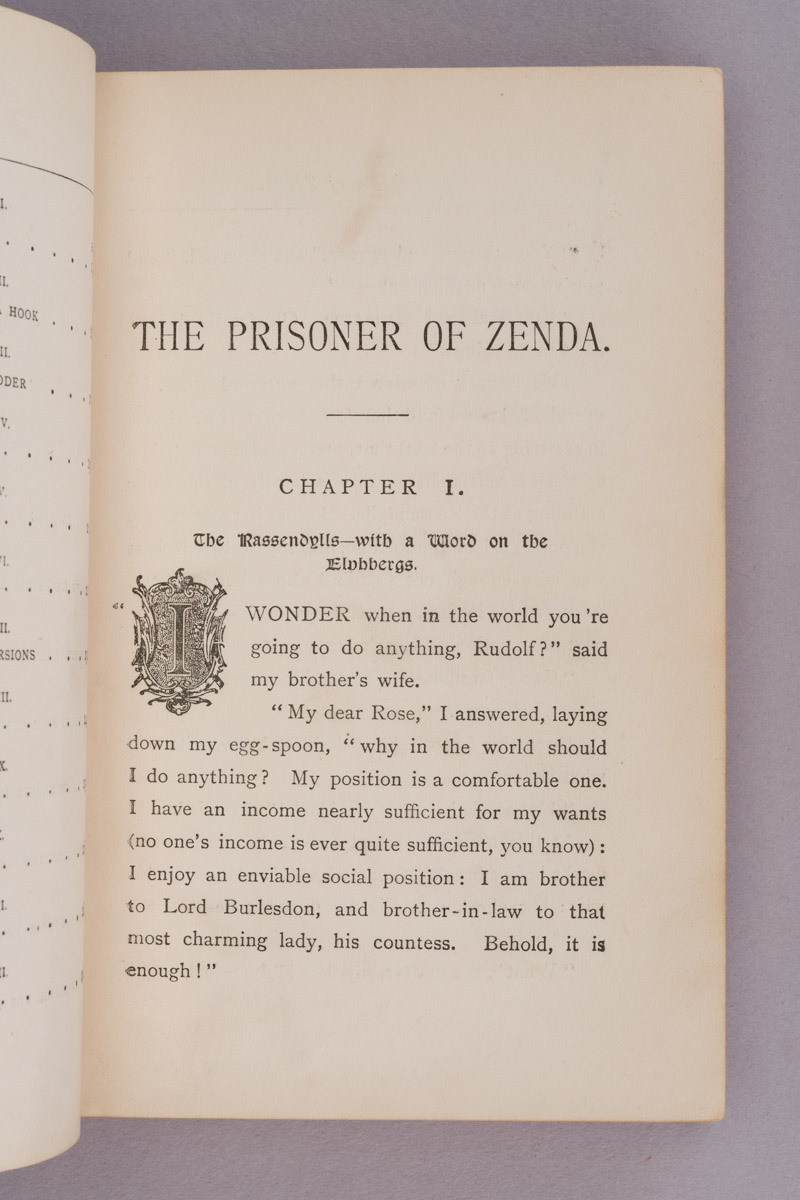
Few late-Victorian adventure novels created an imaginary world powerful enough to give its name to an entire literary genre.
The Prisoner of Zenda did precisely that.
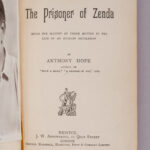
Published in 1894, Anthony Hope’s story introduces Rudolf Rassendyll, an English gentleman whose remarkable resemblance to the King of the fictional European kingdom of Ruritania draws him into a conspiracy of kidnapping, political intrigue, romance and royal impersonation.
The novel was an extraordinary success. Ruritania became so firmly embedded in the popular imagination that “Ruritanian romance” became a recognised description for stories of imaginary European kingdoms, dynastic intrigue and swashbuckling adventure.
But this particular copy carries the story beyond the printed page.
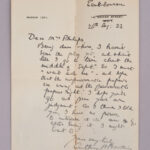
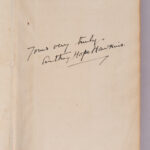
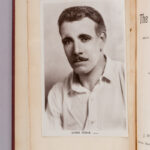
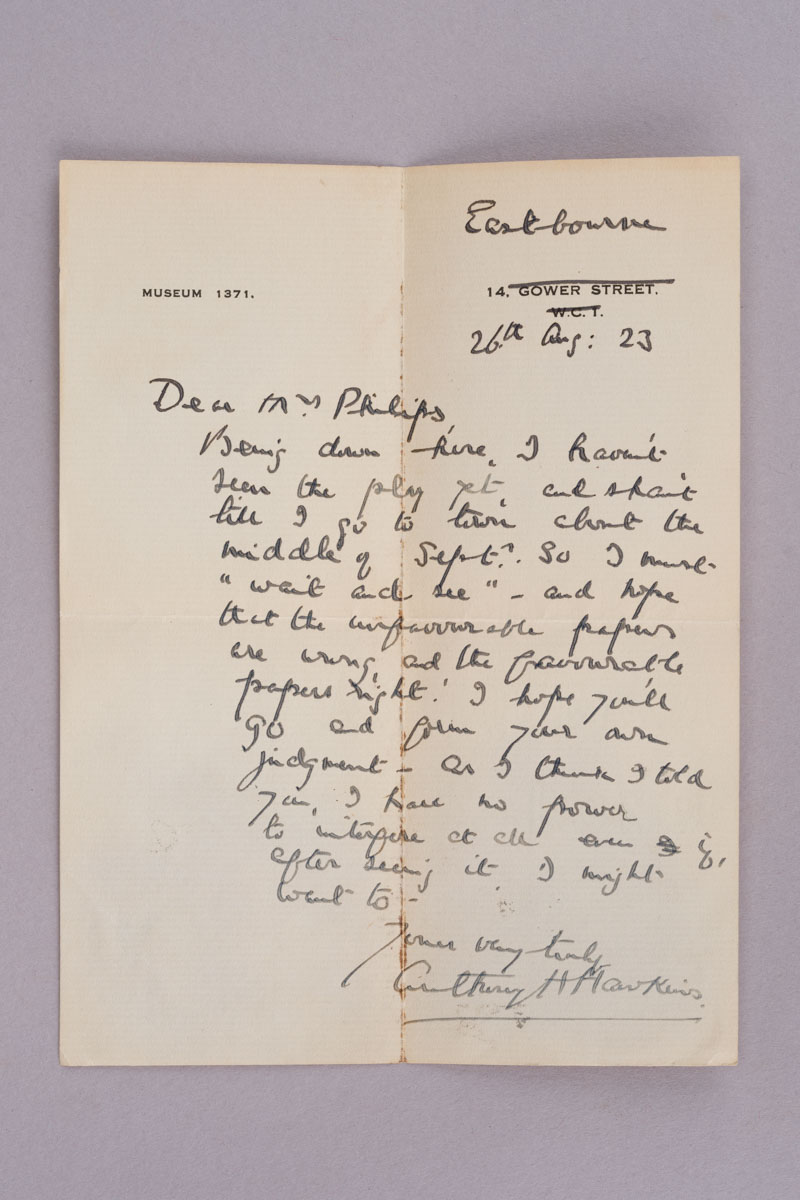
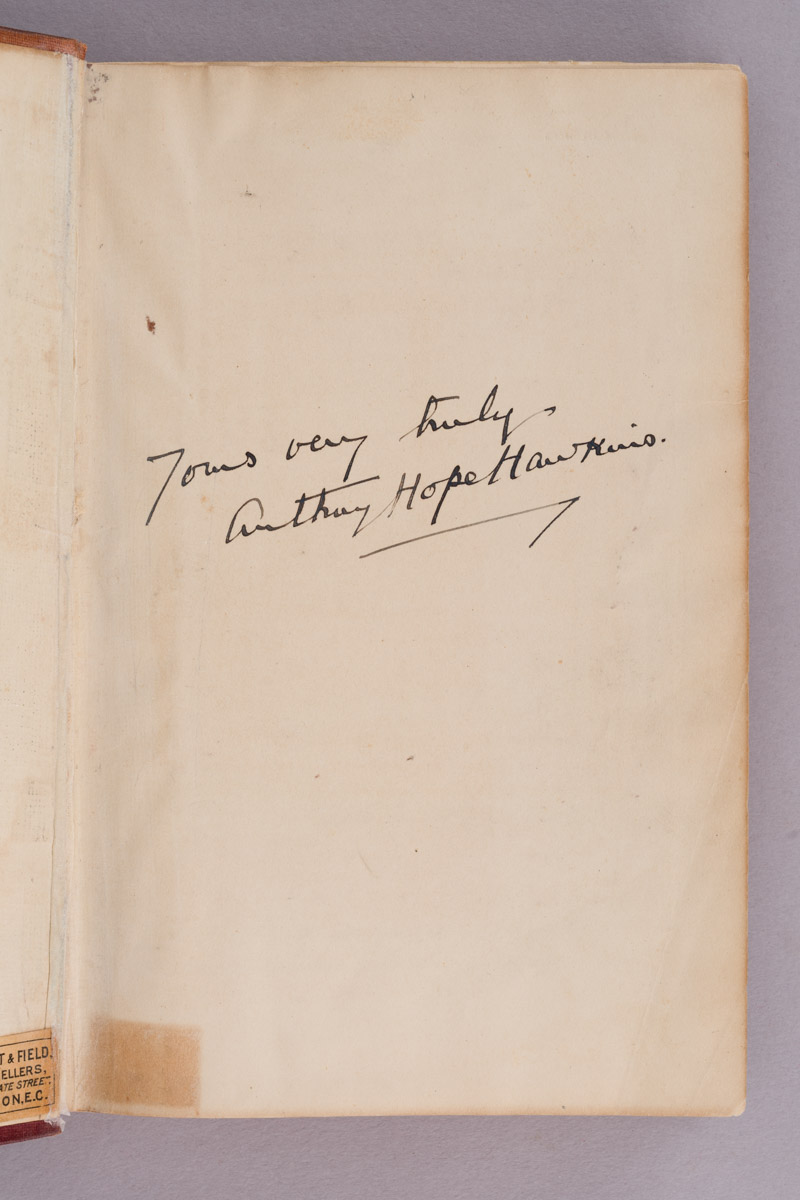
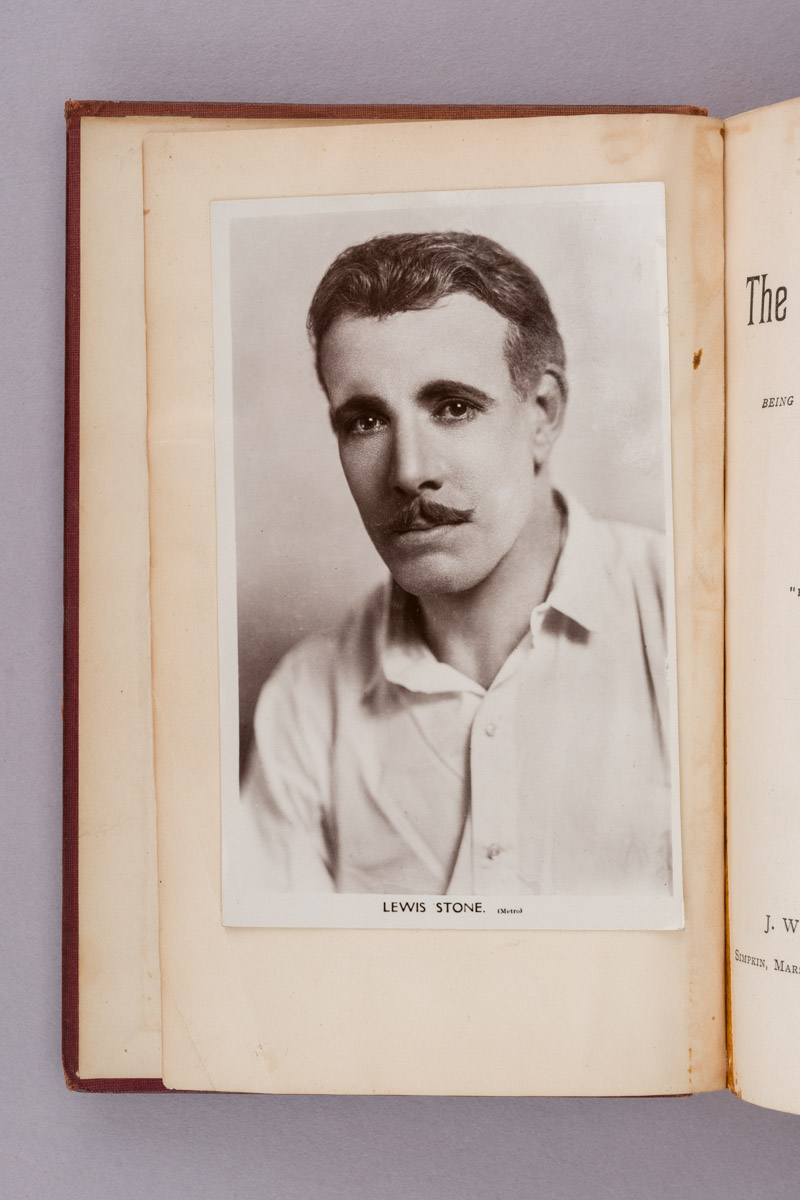
Hope has personally signed the volume, while the accompanying 1923 autograph letter discusses the theatrical life of the work decades after its original publication. The mounted portrait of Lewis Stone further reflects the extraordinary migration of Zenda from Victorian bestseller to stage and screen.
It is therefore not simply an early copy of one of the great adventure novels of the 1890s: it is a copy carrying tangible evidence of the author and the remarkable afterlife of his most famous creation.
The Prisoner of Zenda is one of the foundational works of modern adventure fiction.
Its influence extended far beyond its immediate commercial success. Hope effectively established the template for the Ruritanian romance: fictional kingdoms, disputed crowns, political conspiracies, doubles, swordplay and impossible romances.
This copy is particularly desirable because several collecting strands converge:
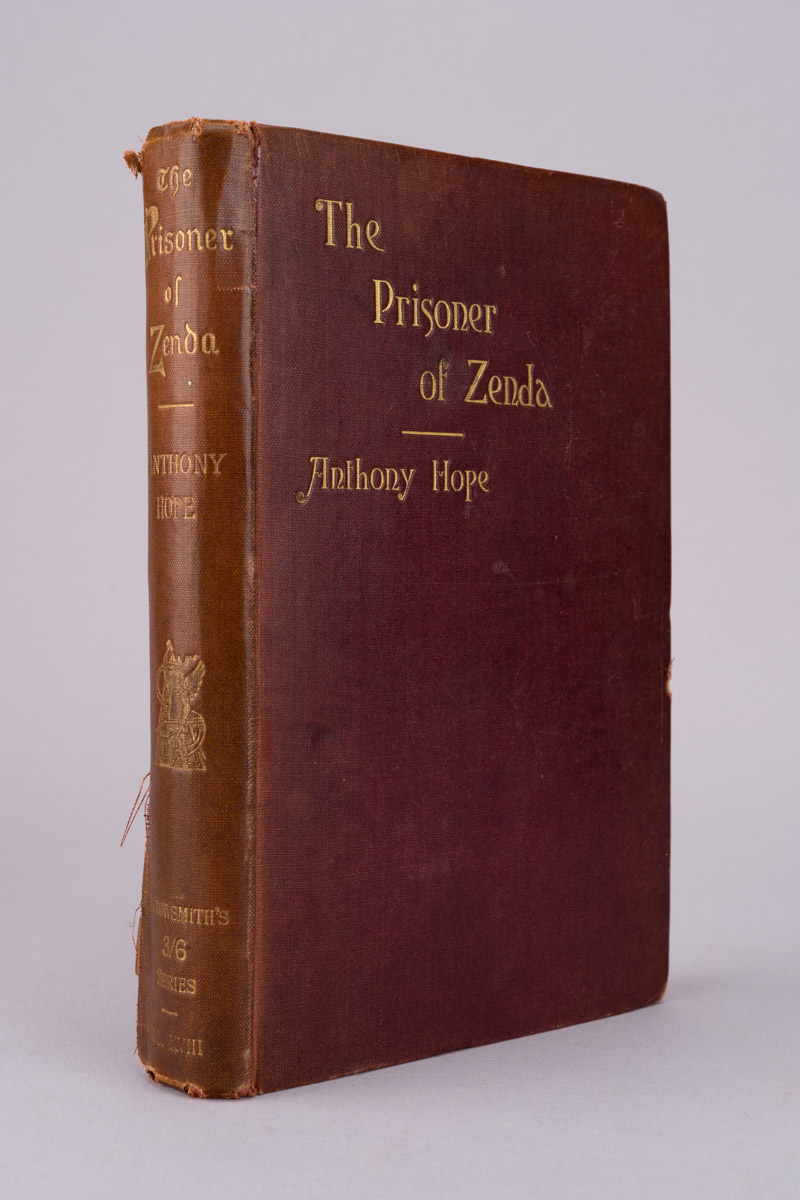
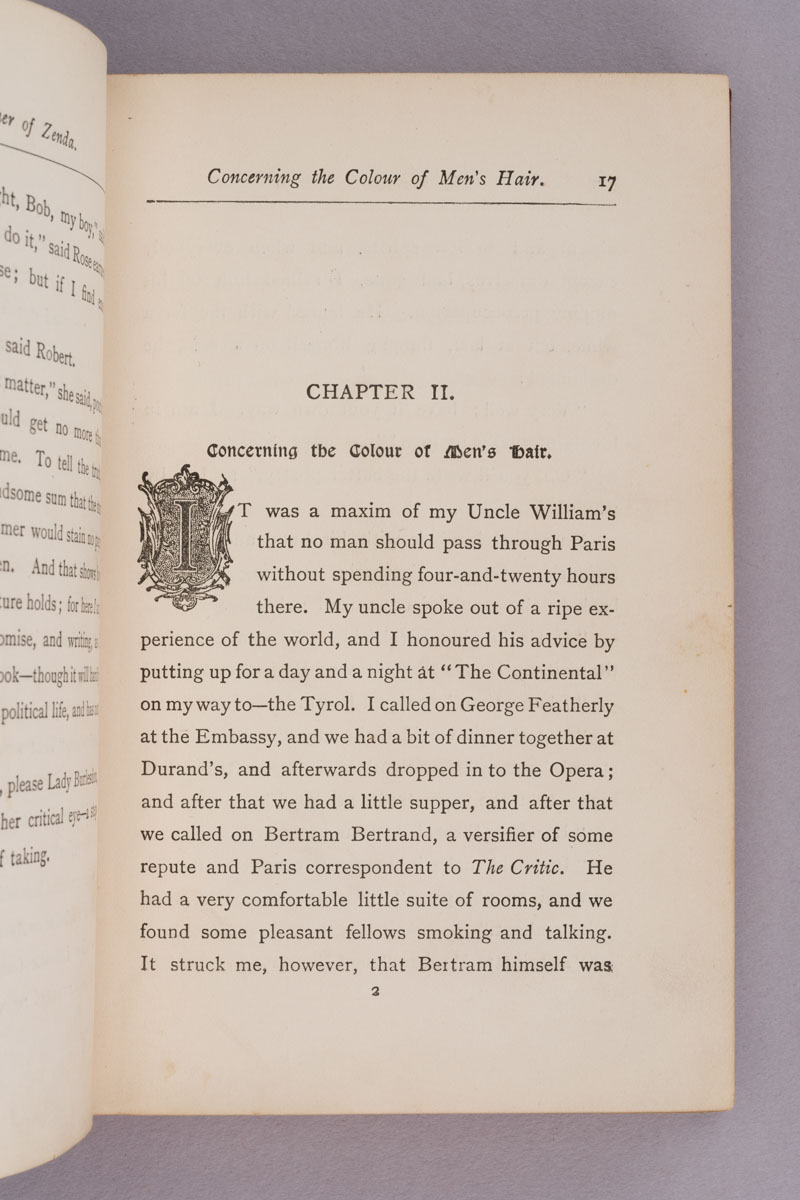
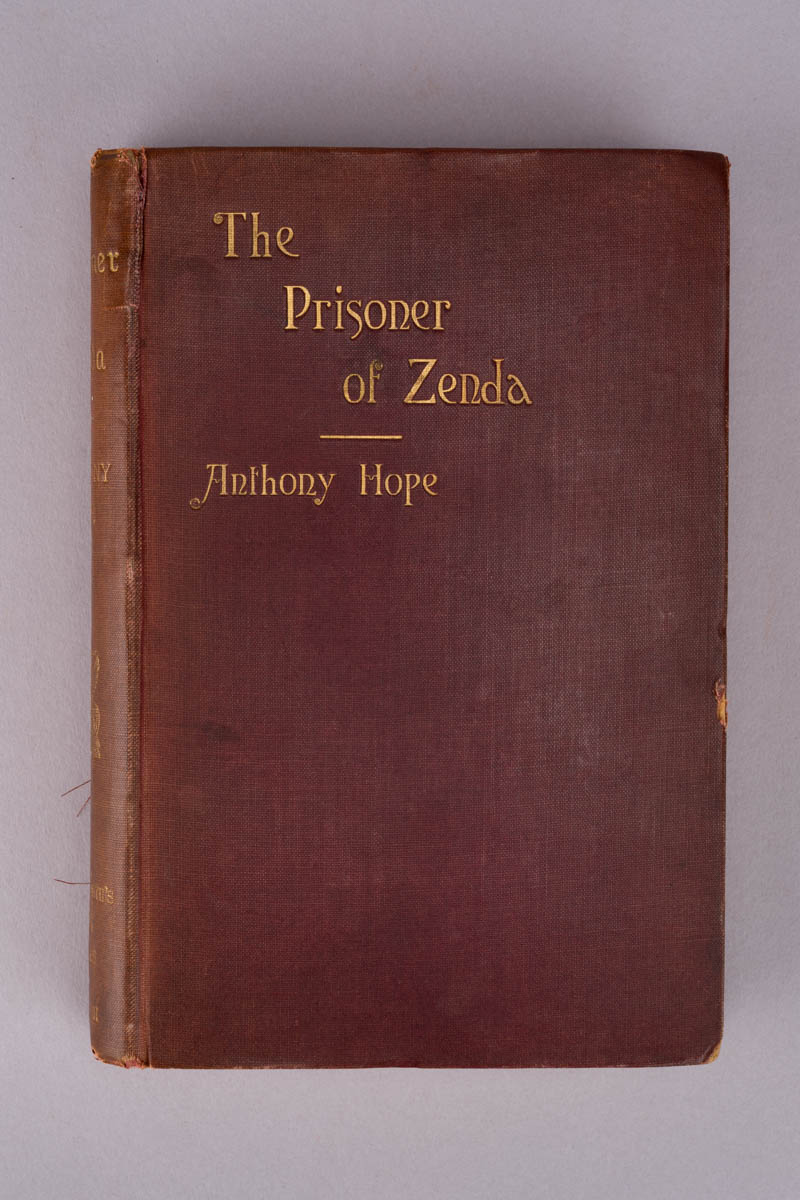
- First edition, second issue, 1894
- Signed by Anthony Hope
- Accompanied by an autograph letter signed by Hope, dated 1923
- The letter specifically concerns the continuing theatrical life of the story
- Mounted period portrait of Lewis Stone
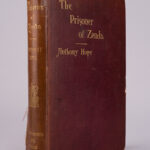
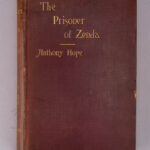
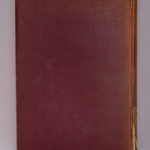
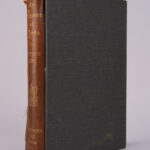
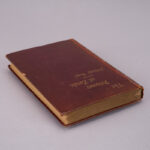
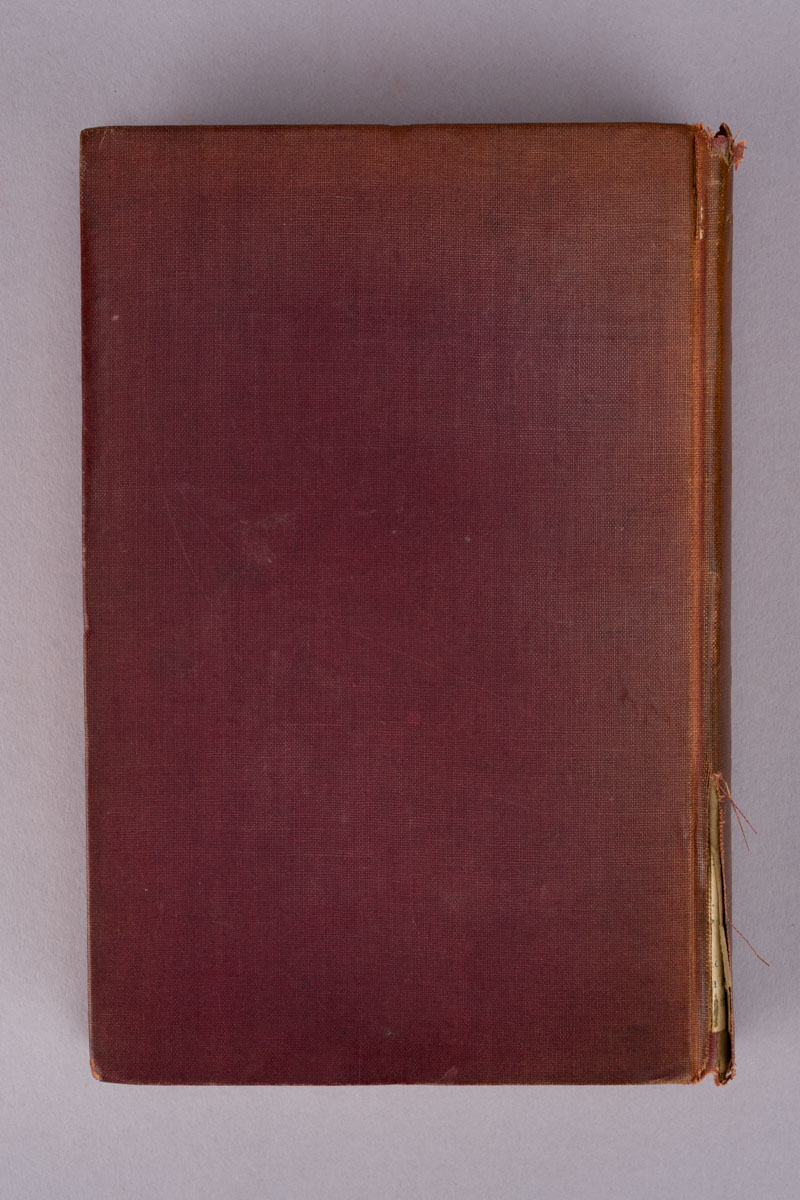
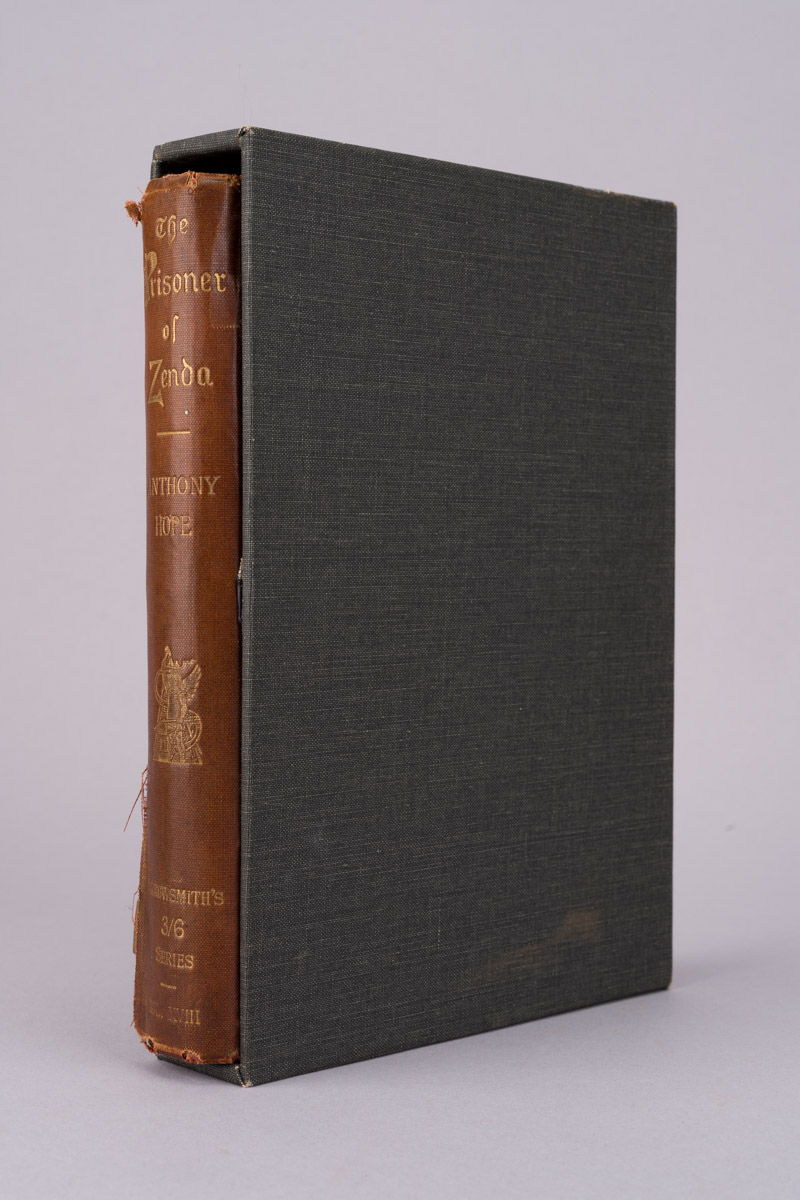
- Original publisher’s gilt-lettered cloth
- Preserved in a fitted protective slipcase
For the collector of Victorian literature, adventure fiction, theatrical history or signed literary works, the additional autograph material gives this copy considerably more character than a standard example of the edition.