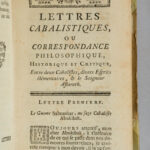
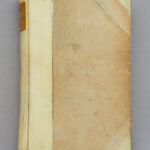
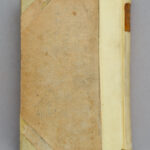
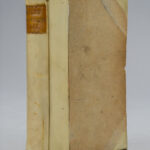
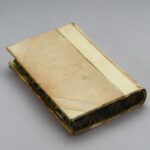
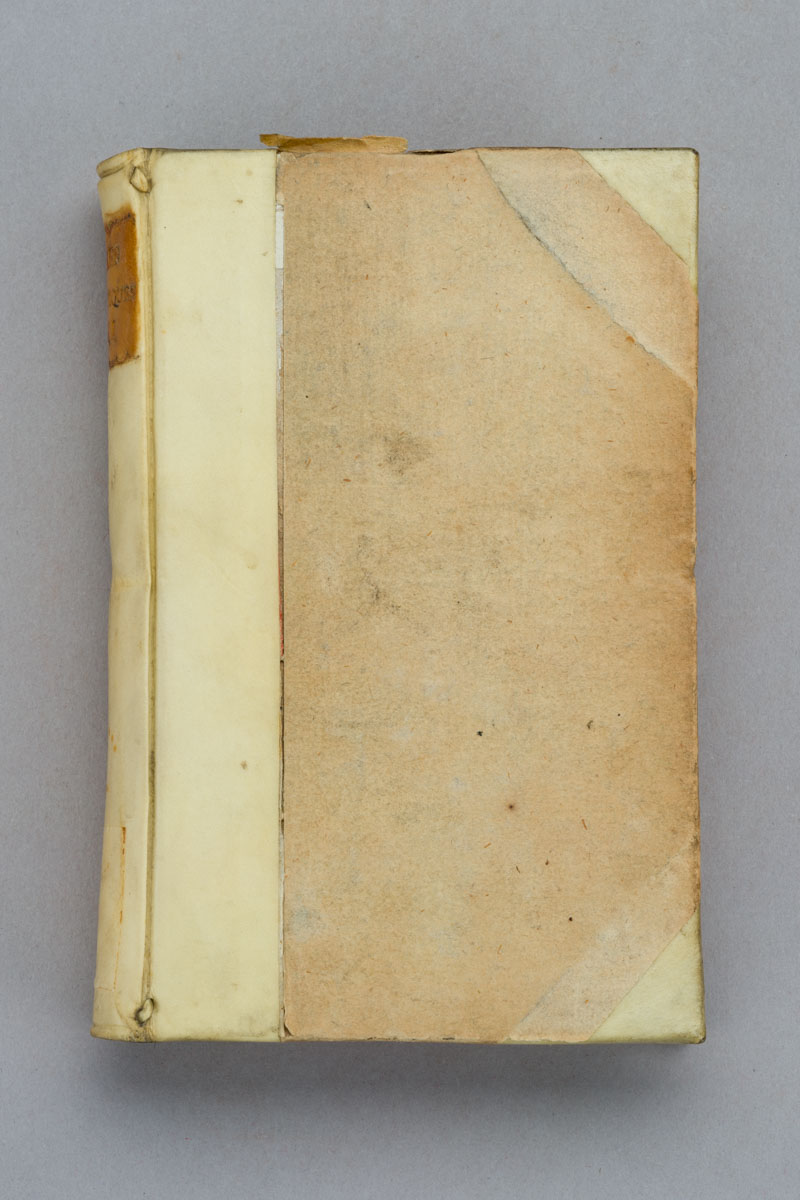
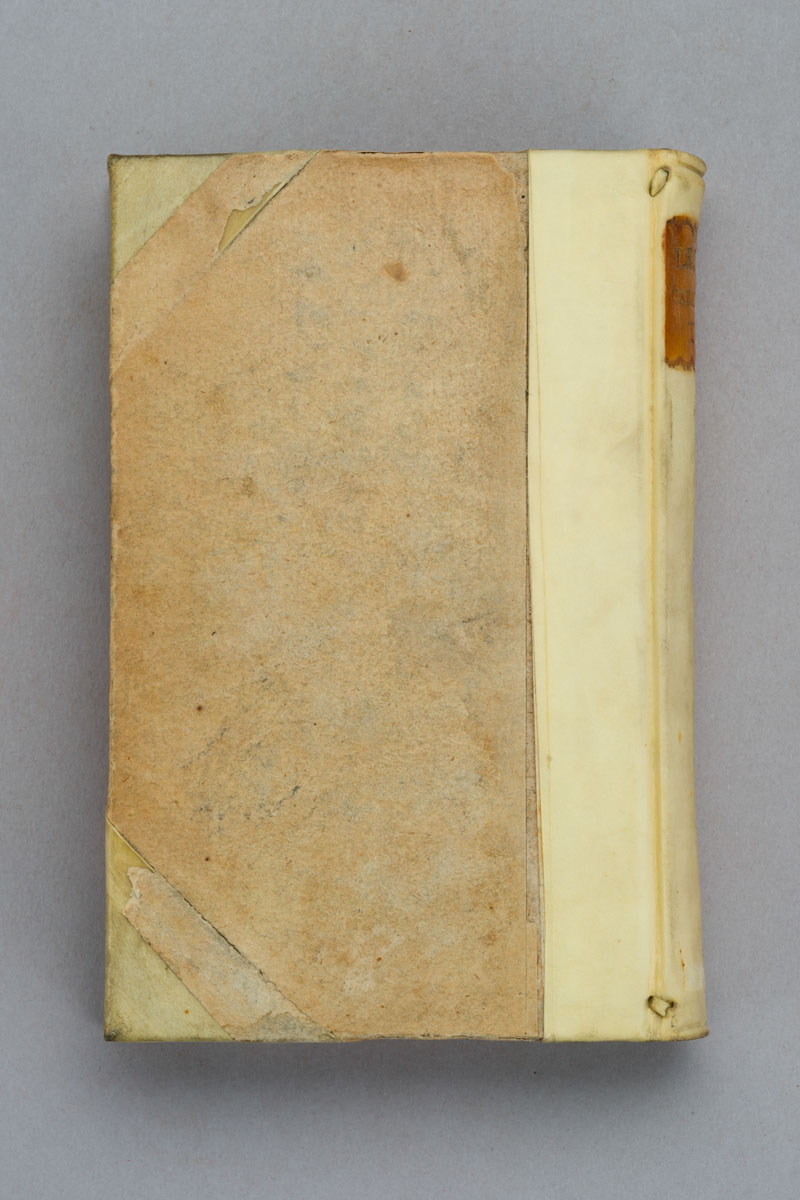
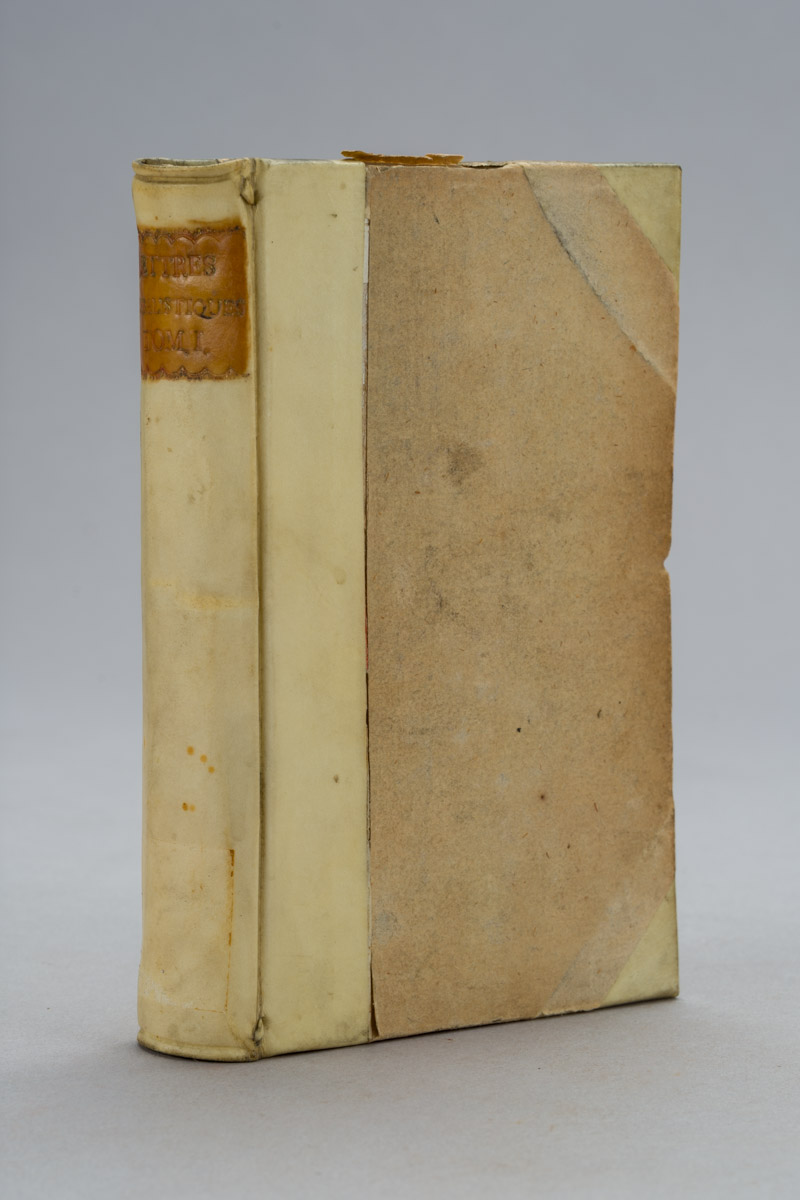
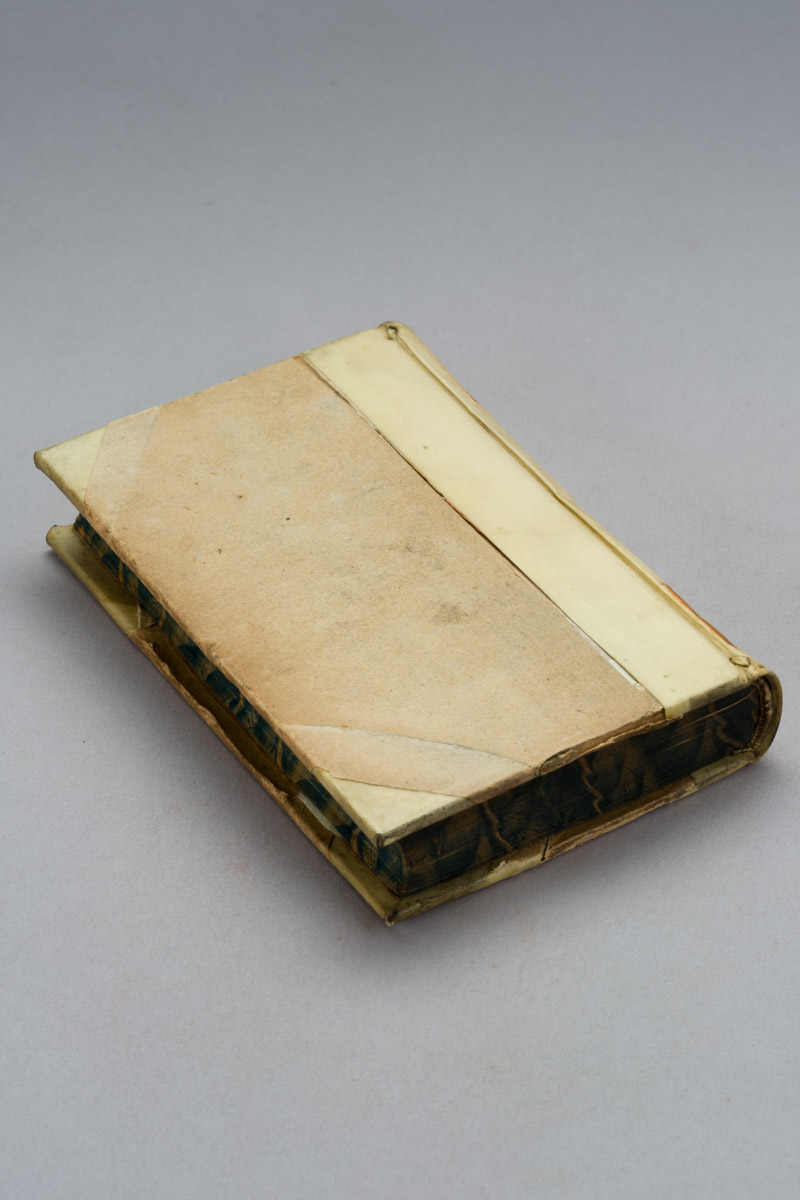
First published in the 1730s, Jean-Baptiste de Boyer, Marquis d’Argens’ Lettres Cabalistiques is one of the more unusual works of the European Enlightenment: a provocative mixture of philosophy, satire, religious criticism and the supernatural.
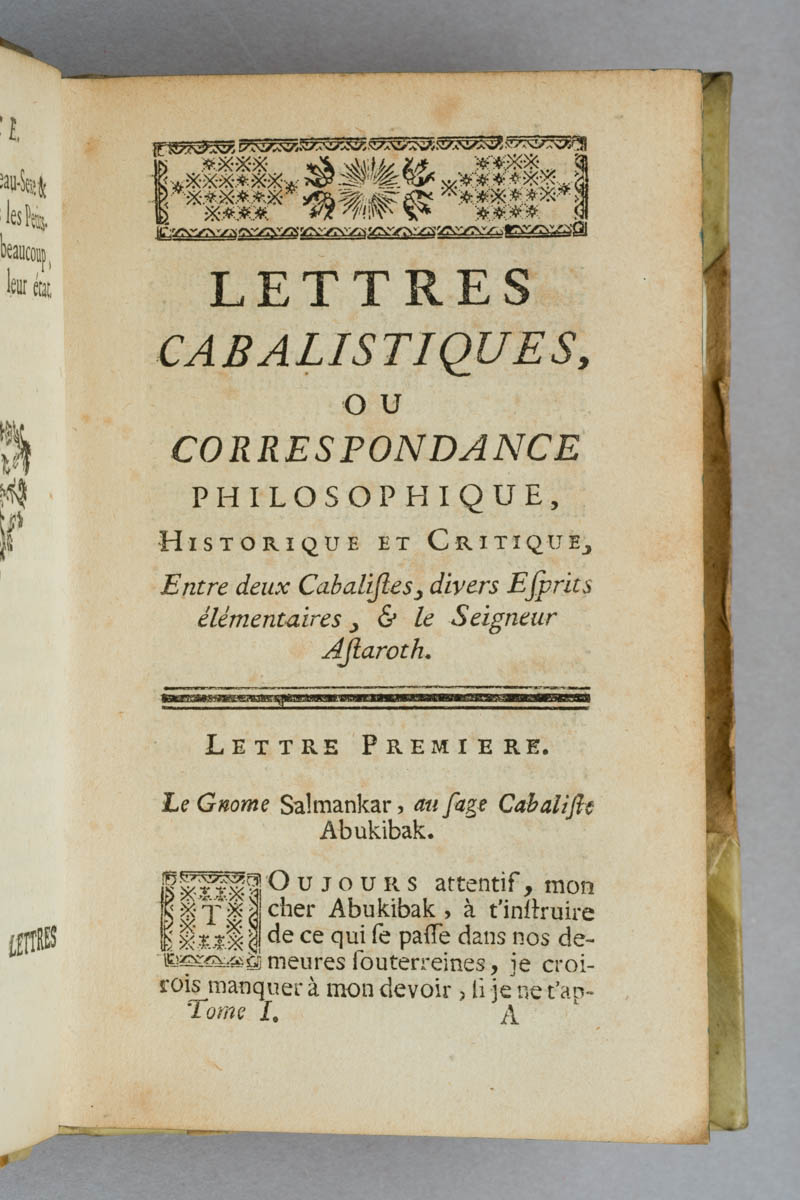
Presented as a series of imaginary letters exchanged between Kabbalists, elemental spirits and the demon Astaroth, the work employs its fantastical correspondents to observe and question the beliefs, institutions and intellectual controversies of eighteenth-century Europe.
Beneath this deliberately esoteric framework lies a serious Enlightenment project. D’Argens uses wit, scepticism and fictional correspondence to explore religion, superstition, philosophy and competing systems of belief, touching upon subjects including Kabbalah, alchemy, Freemasonry, the Knights Templar and the Jesuits.
The work’s irreverent treatment of religion and established authority proved controversial. Lettres Cabalistiques was placed on the Index of Prohibited Books in 1742, giving it an important place within the history of censorship and forbidden literature.
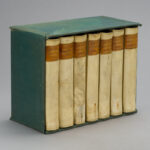
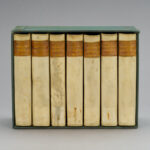
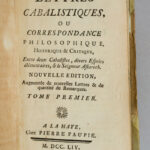
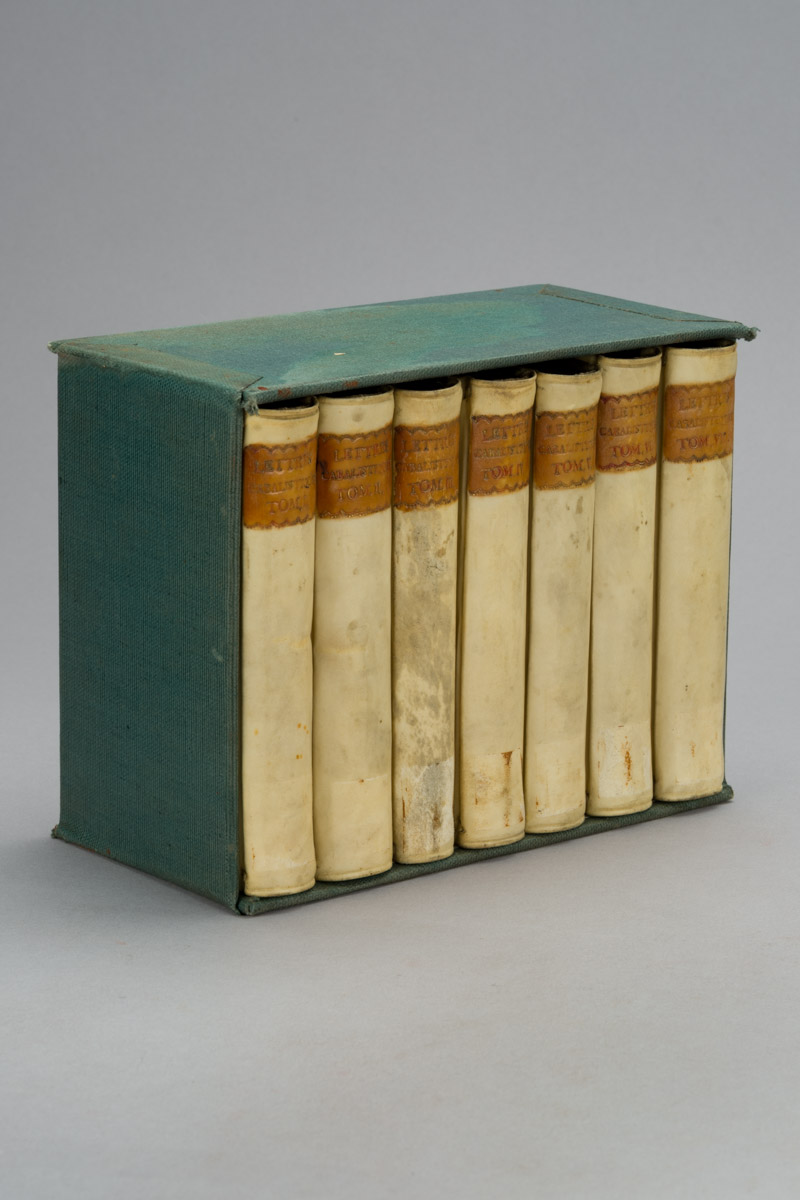
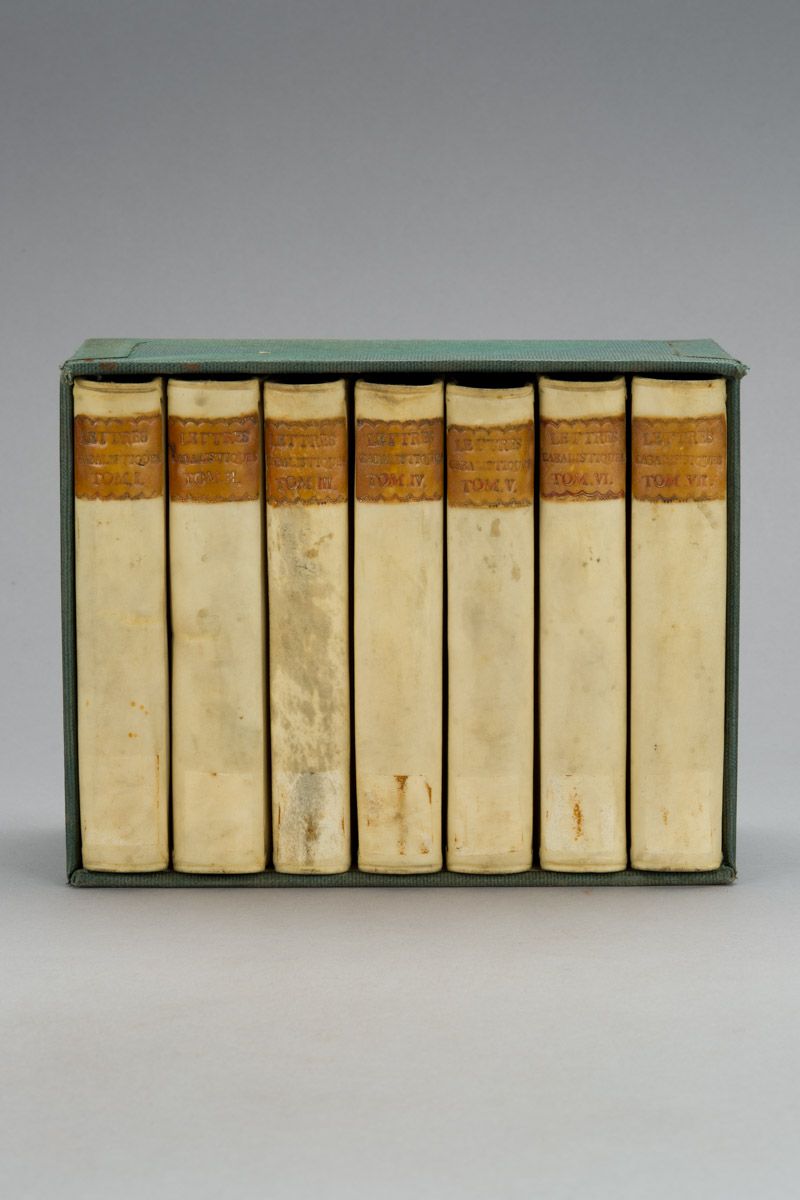
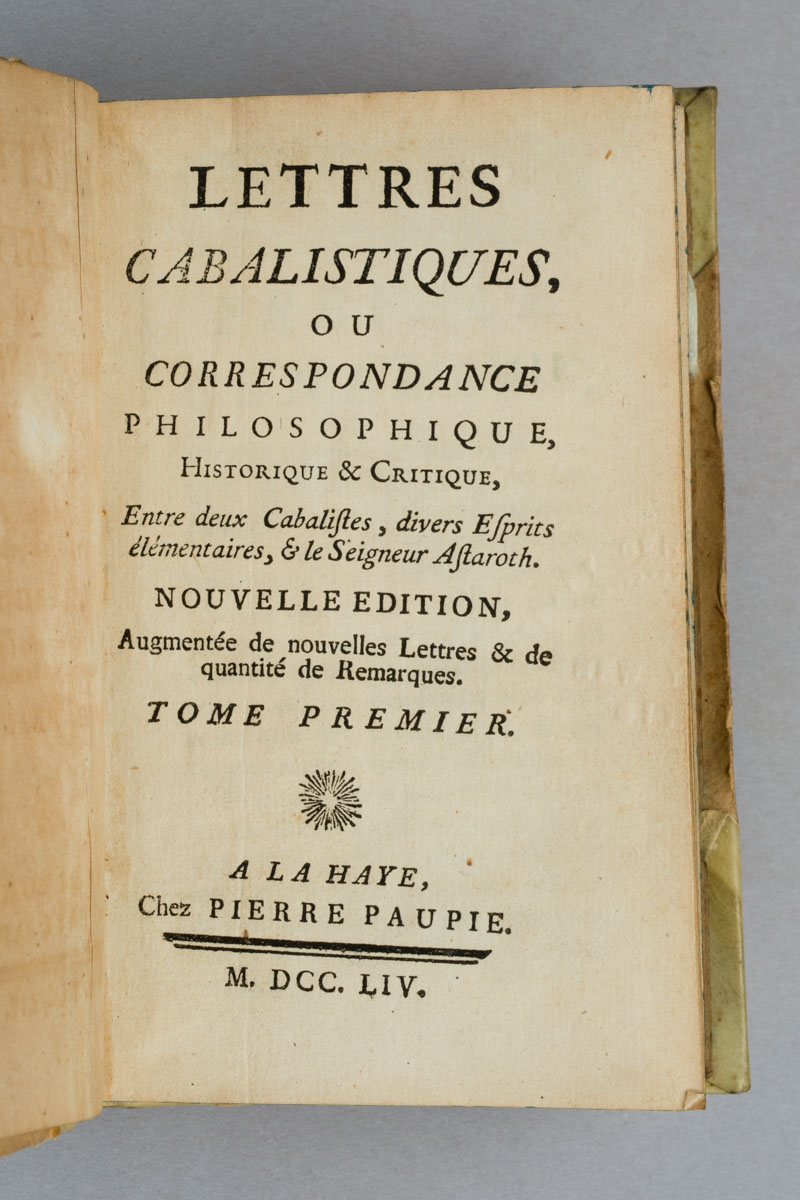
The present 1754 edition, published at The Hague by Pierre Paupie, was substantially enlarged with new letters and additional remarks and appeared in seven volumes. This complete set therefore represents the work in one of its most extensive eighteenth-century forms.
An intriguing survival from the intellectual underground of the Enlightenment, combining philosophical scepticism with the language and imagery of occult and esoteric traditions.
Lettres Cabalistiques occupies an unusual position at the intersection of Enlightenment philosophy, religious scepticism and Western esotericism.
Its fictional cast of Kabbalists, spirits and Astaroth provides an extraordinary vehicle for examining some of the most contentious ideas of eighteenth-century Europe. For collectors, this creates crossover interest extending well beyond conventional philosophy into occult and esoteric literature, demonology, Kabbalah, Freemasonry, censorship and forbidden books.
The fact that the work was placed on the Index of Prohibited Books adds another important dimension to its history.
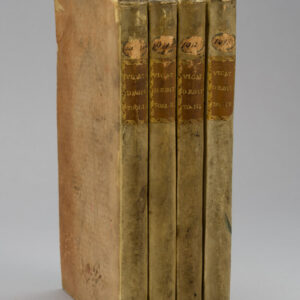
Particularly desirable is the survival of all seven volumes together. Complete multi-volume eighteenth-century works are increasingly difficult to encounter intact, and the uniform appearance of the volumes together in their fitted case gives the set considerable shelf presence.