Published posthumously in 1777, Béat-Philippe Vicat’s Traité du Droit Naturel is an important work from the eighteenth-century Swiss tradition of natural law and the law of nations.
Vicat (1715–1770) was a doctor and professor of law at Lausanne, working across natural law, Roman law and local jurisprudence. His scholarship belongs to an intellectual tradition concerned with one of the defining questions of the Enlightenment: whether fundamental principles of justice and human obligation could be derived from reason and nature, and how those principles should then operate within civil society and between nations.
The title itself makes the ambition of the work explicit: Vicat moves from droit naturel—natural law—to its application to civil law and droit des gens, the law governing relations among peoples and states.
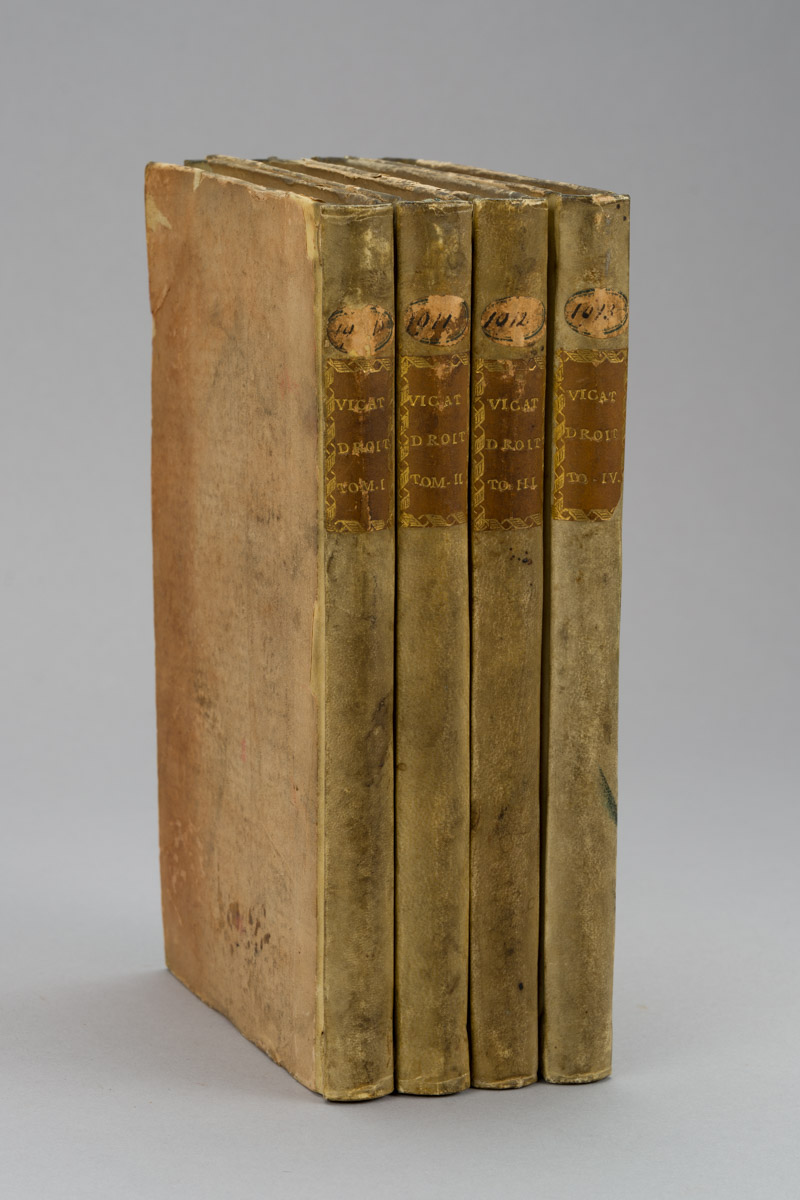
Published seven years after Vicat’s death, the work appeared at Lausanne and Yverdon through the Société Typographique and Société Littéraire et Typographique. The University of Lausanne records the work as four volumes, confirming that the present set is complete.
More than two centuries later, the work remains part of the historical record of European jurisprudence and the development of ideas surrounding natural rights, civil society and international law.
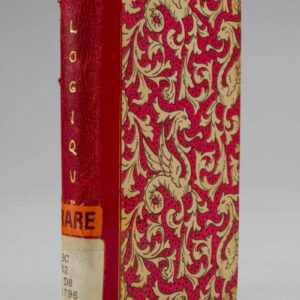
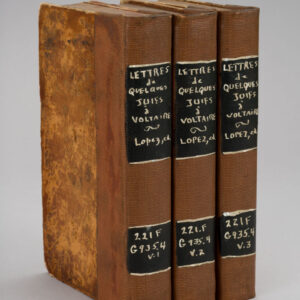
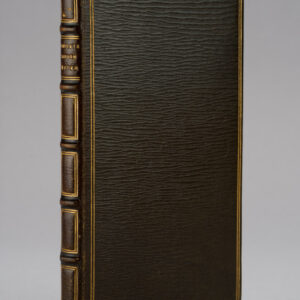
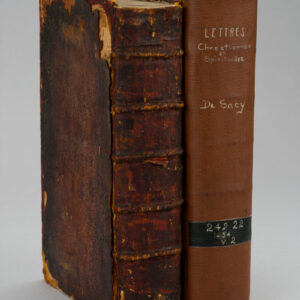
This is the complete four-volume 1777 edition, rather than the individual volumes that frequently become separated over nearly 250 years.
It is also an original Enlightenment-era work dealing with natural law, civil law and the law of nations—subjects central to the intellectual development of modern jurisprudence, international law and theories of natural rights.
Vicat was not simply a commentator writing at a distance from academia: he was a professor of law at Lausanne, and the University of Lausanne continues to document his work within its research into the history of natural law in Switzerland.
For a collector of law, political philosophy, Enlightenment thought, international relations or Swiss intellectual history, this is a substantially more compelling object than its relatively plain bindings initially suggest.