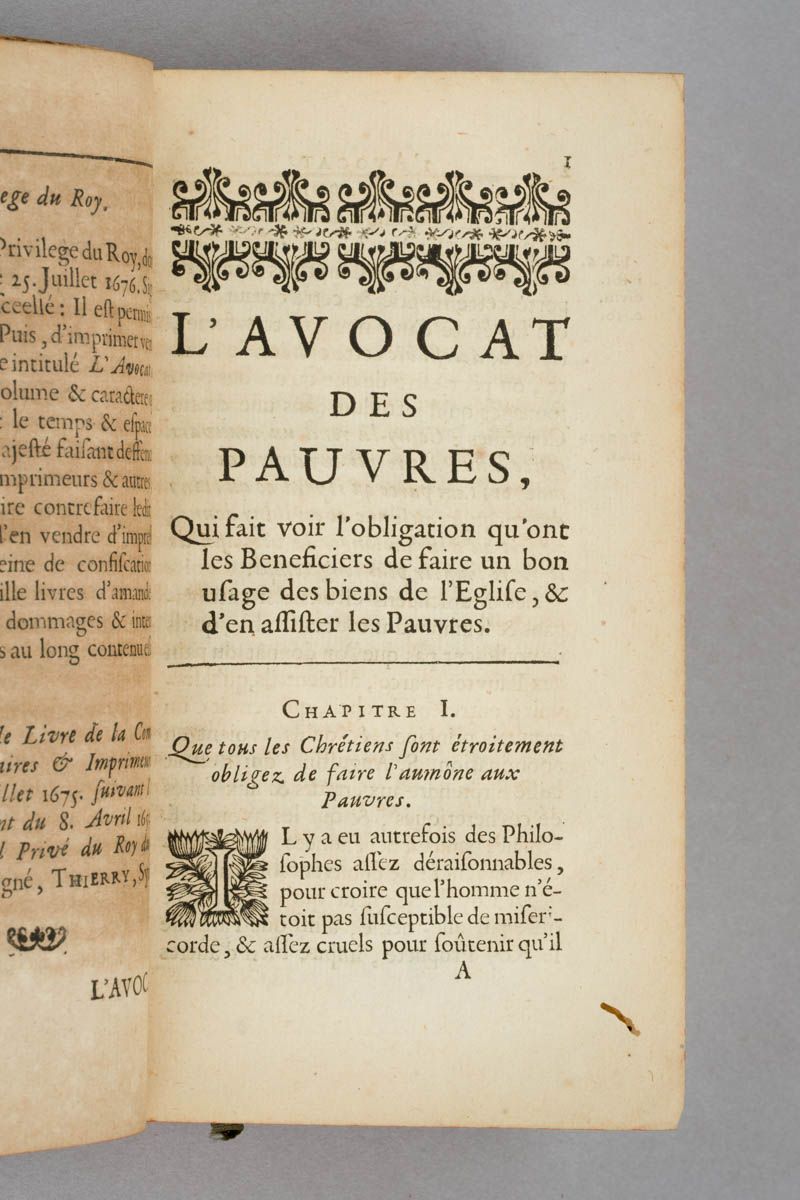
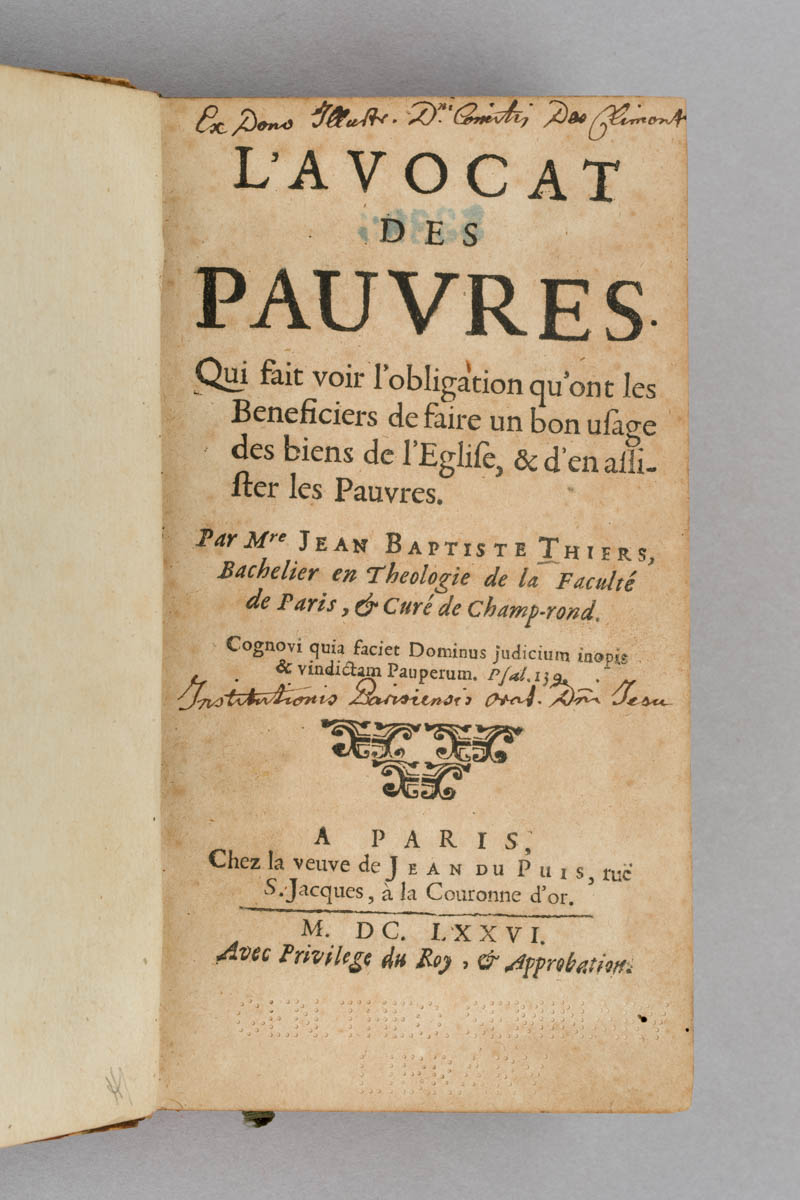
Published in Paris in 1676, L’Avocat des Pauvres — literally “The Advocate of the Poor” — addresses a question that remains strikingly recognisable: what moral obligations accompany institutional wealth?
Jean-Baptiste Thiers was a French Catholic theologian and parish priest known for challenging abuses and questionable practices within ecclesiastical life. In this work, he turned his attention directly to Church property and income.
His argument was uncompromising. Those enjoying ecclesiastical benefices did not possess Church wealth merely for their own advantage. They carried a corresponding duty to employ those resources properly and to provide for people living in poverty.
The opening chapter makes the book’s purpose immediately apparent, declaring the obligation of all Christians to give alms to the poor. What follows places charity within a wider discussion of the responsibilities attached to ecclesiastical property.
More than three centuries later, the book provides a tangible window into debates surrounding wealth, poverty, charity and institutional responsibility in seventeenth-century France.
This is a particularly interesting early theological work because its subject extends beyond purely doctrinal Christianity into the social and economic responsibilities of the Church.
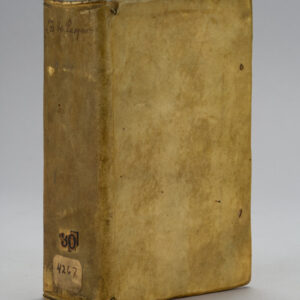
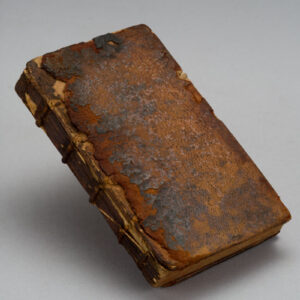
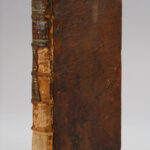
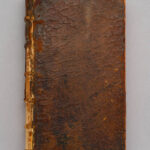
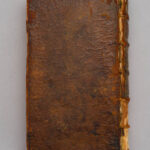
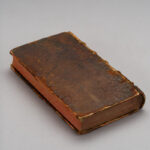
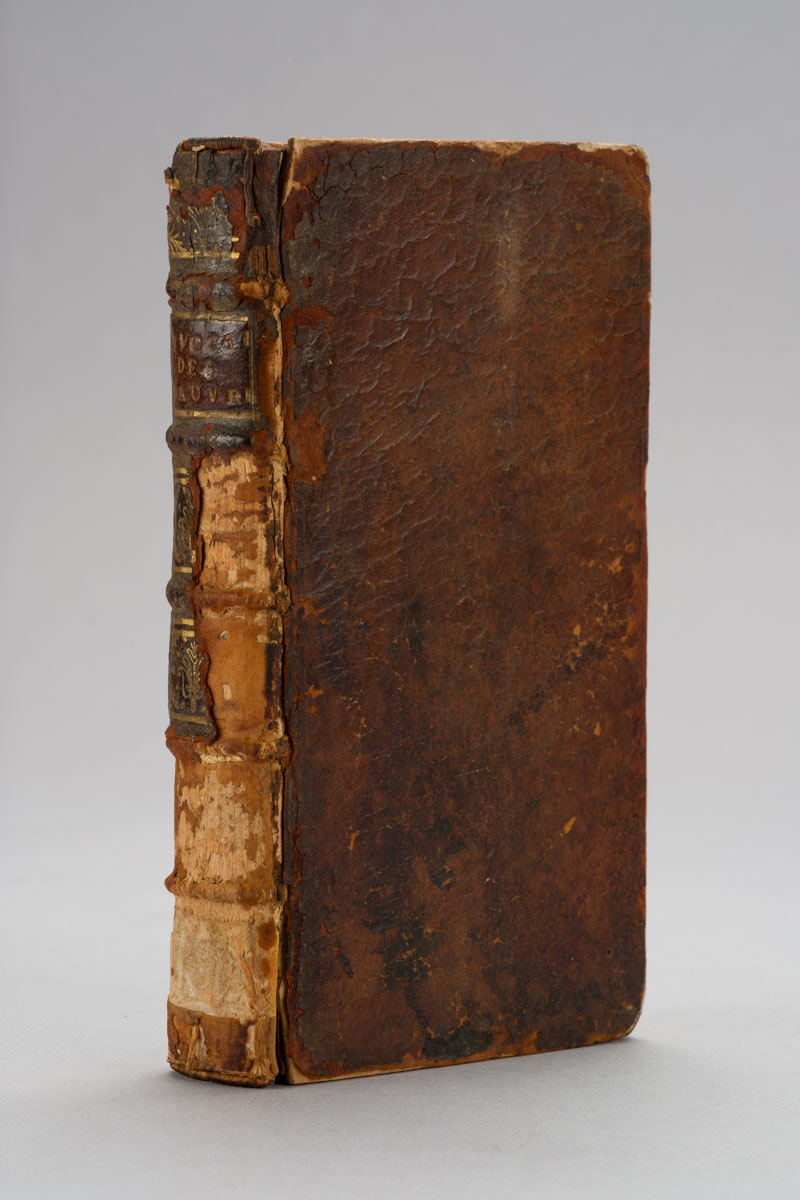
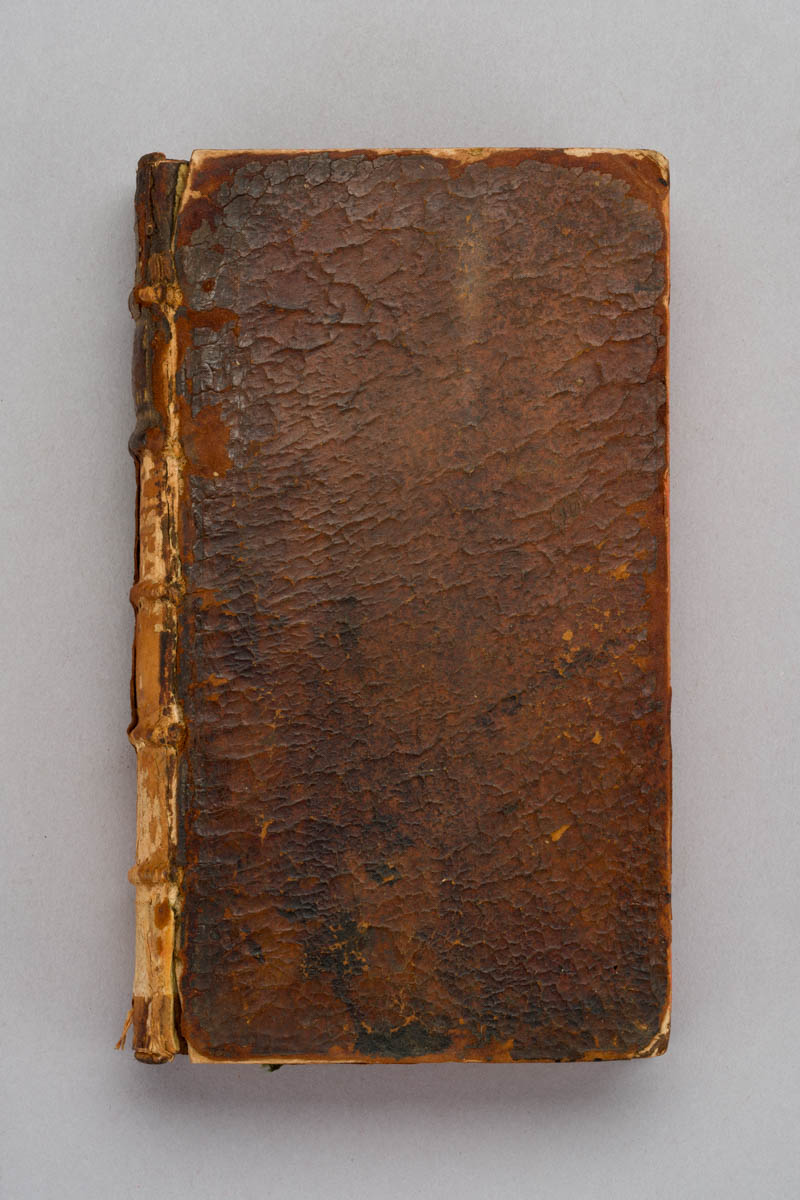
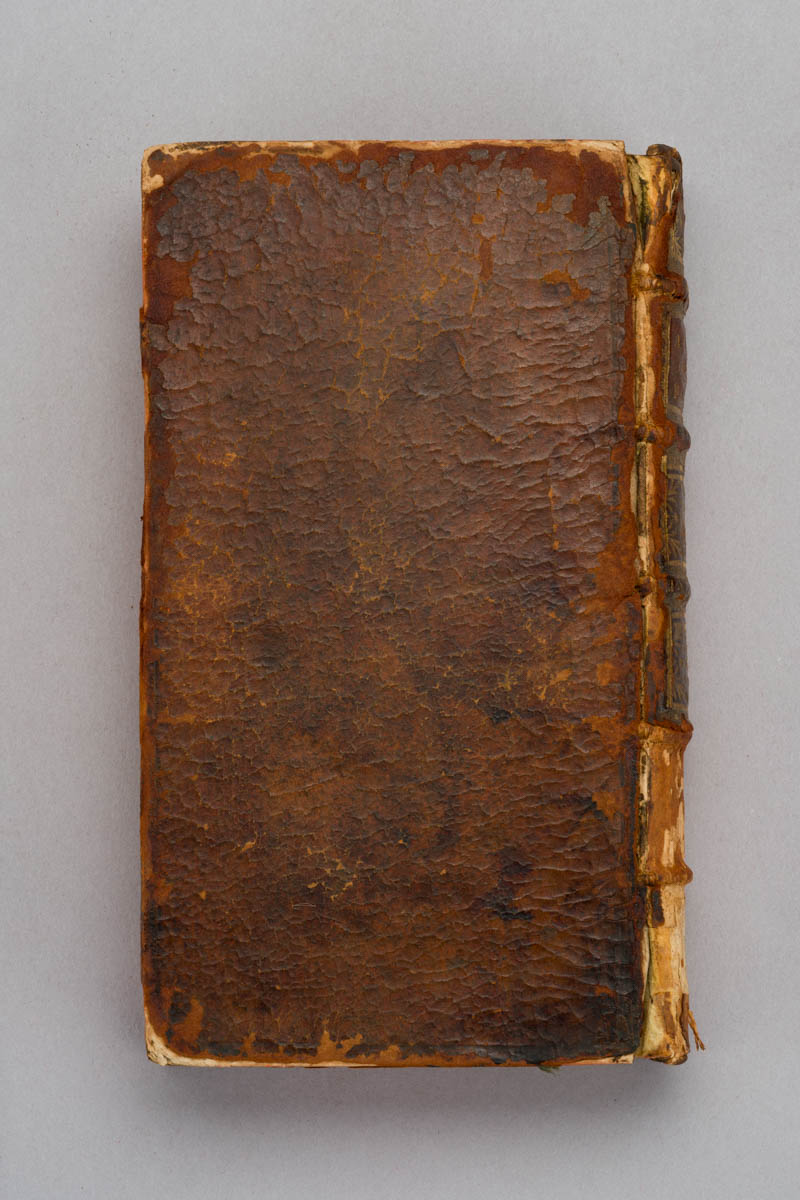
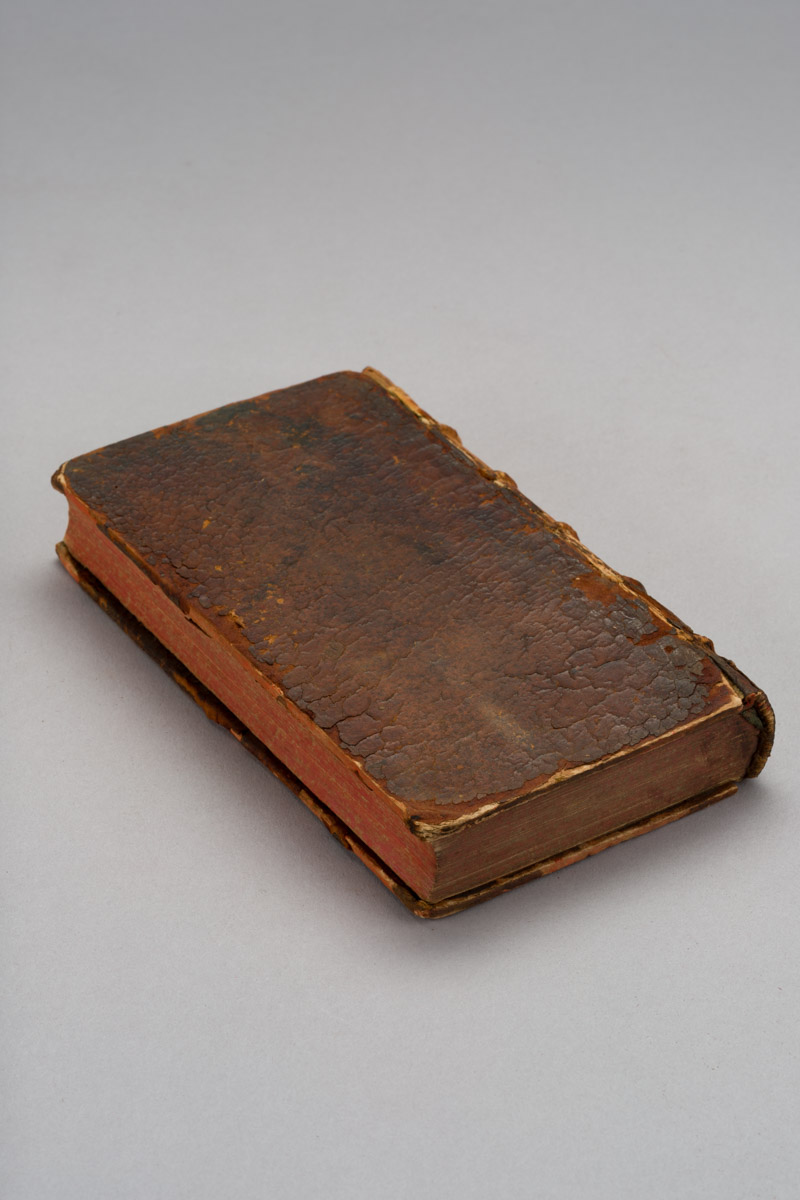
Published in 1676 during the reign of Louis XIV, it is now approximately 350 years old. Its period calf binding, red-stained edges, early manuscript ownership inscriptions and original seventeenth-century typography give the volume considerable historical character.
The binding bears substantial evidence of those centuries of use, but the survival of the book in this largely unrestored state is part of its appeal.
A worthwhile acquisition for collectors of seventeenth-century books, French history, Catholic theology, the history of poverty and charity, or the social history of early modern Europe.