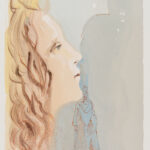
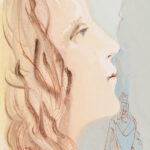
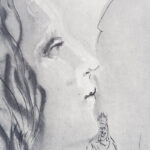
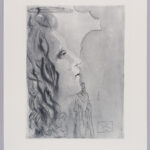
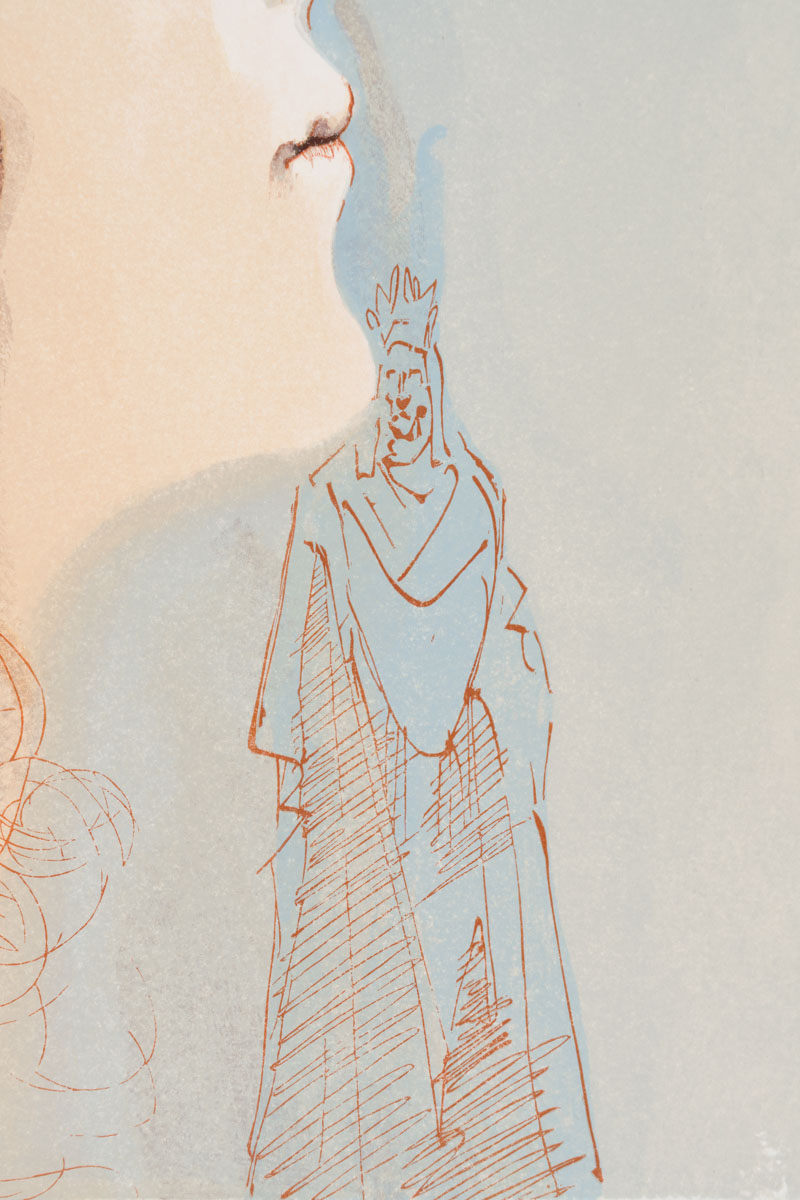
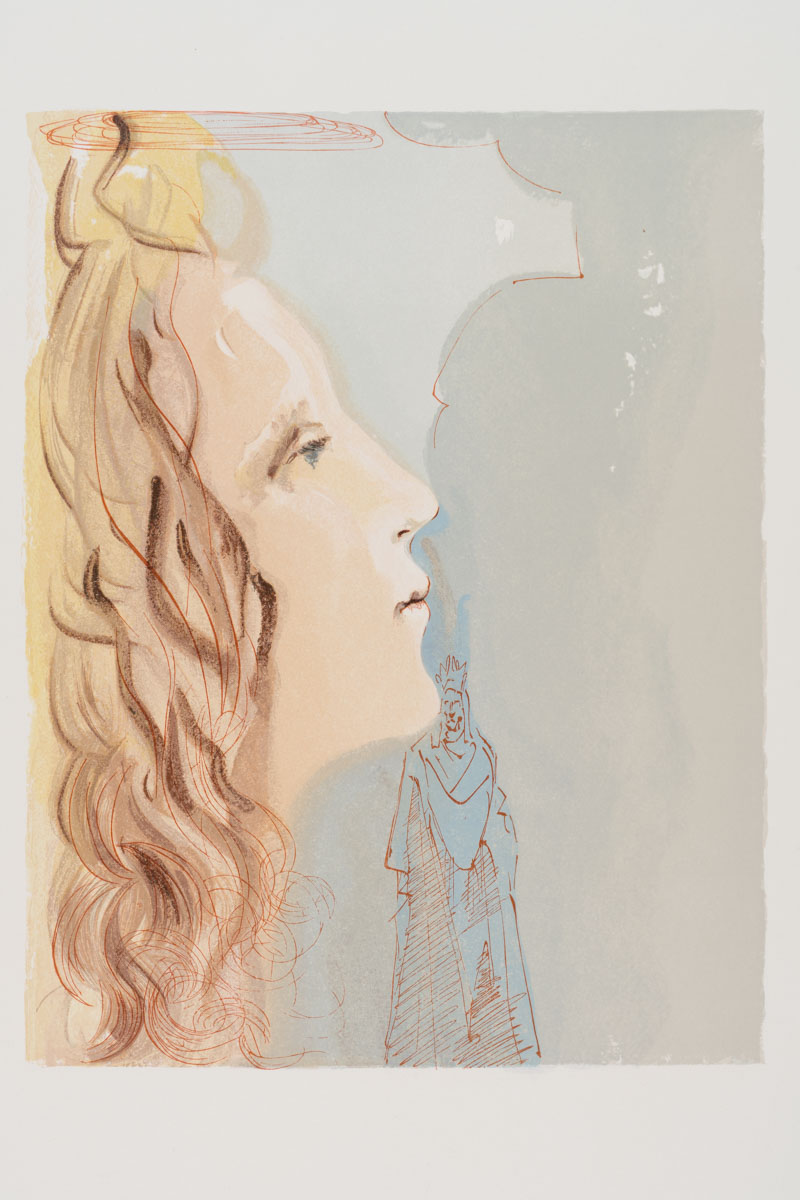
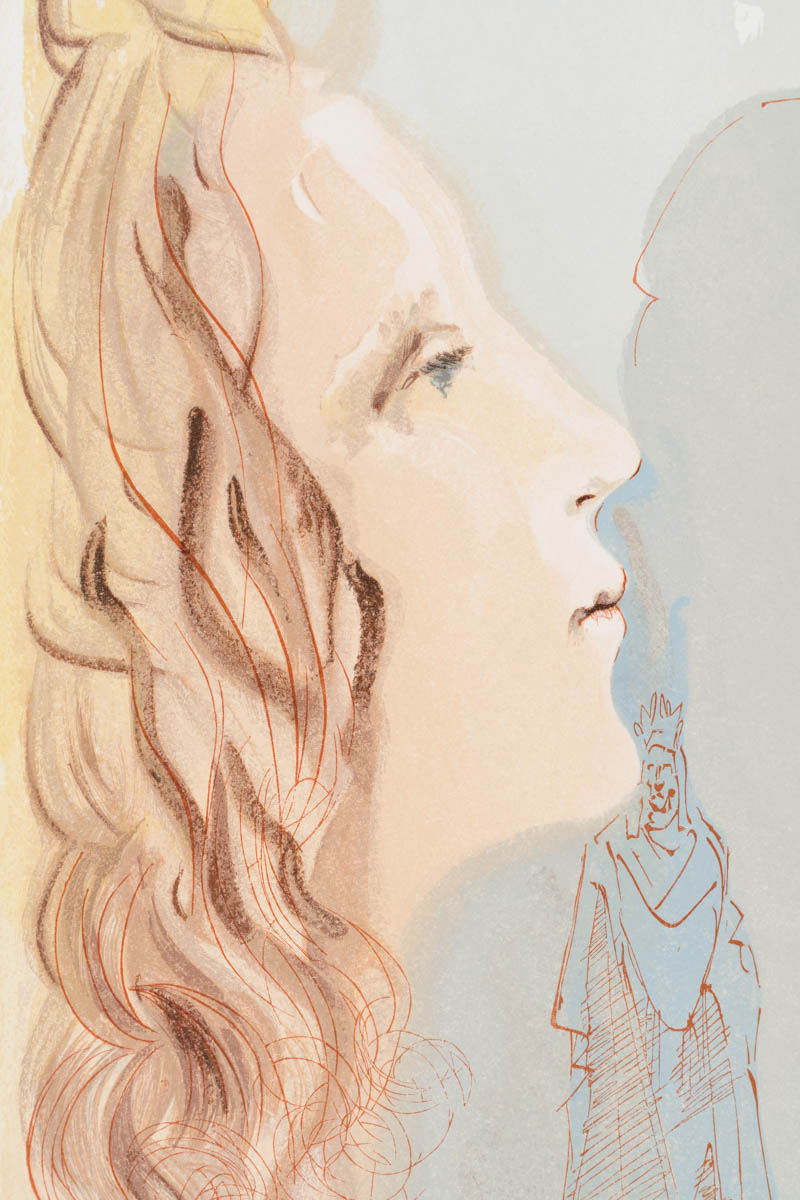
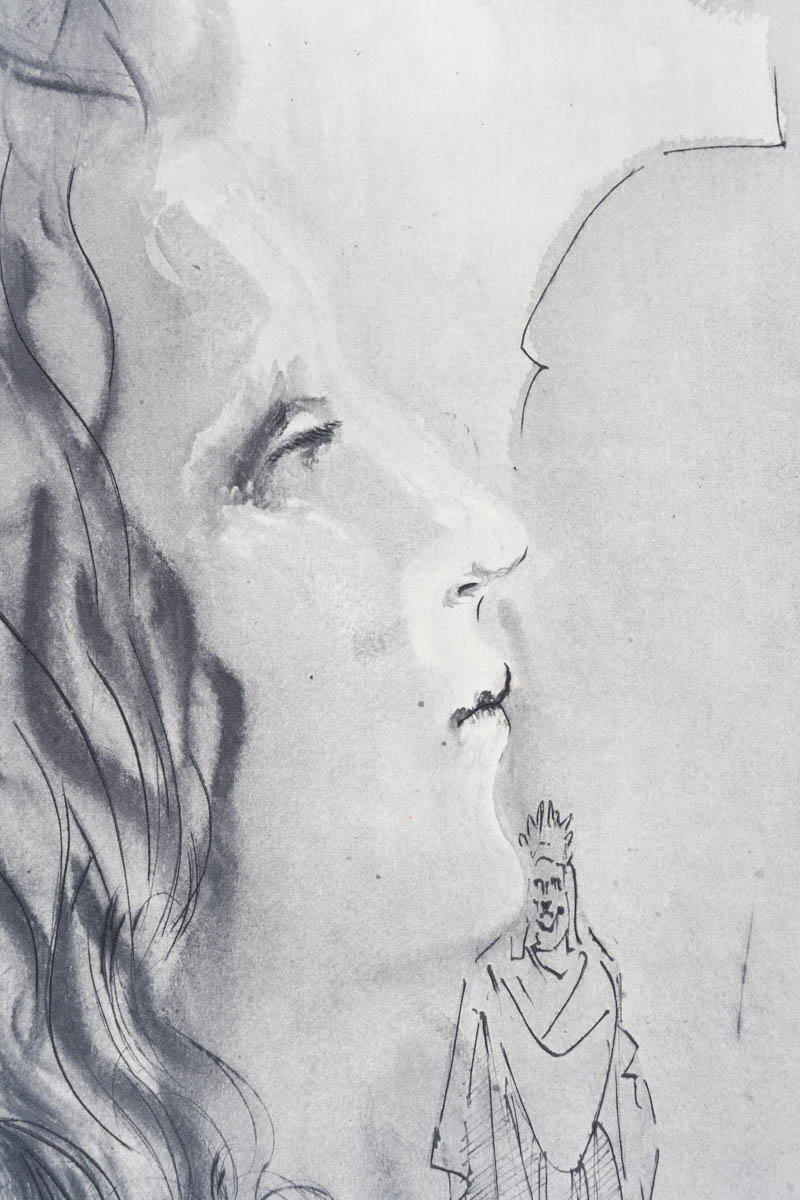
Dalí’s encounter with Dante became one of the most ambitious book-illustration projects of his career.
In 1950, Dalí was commissioned to create a cycle of watercolours celebrating the 700th anniversary of Dante’s birth. He ultimately produced 100 compositions, corresponding to the cantos of the Divine Comedy: Inferno, Purgatorio and Paradiso.
Transforming Dalí’s fluid watercolours into printable images was an extraordinary technical undertaking. The project required the cutting of thousands of individual woodblocks so that the subtle tonal and chromatic effects of the originals could be reconstructed through successive impressions.
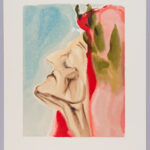
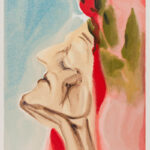
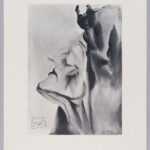
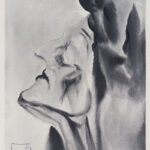
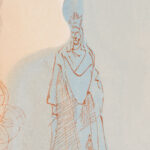
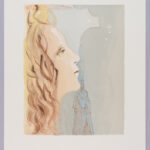
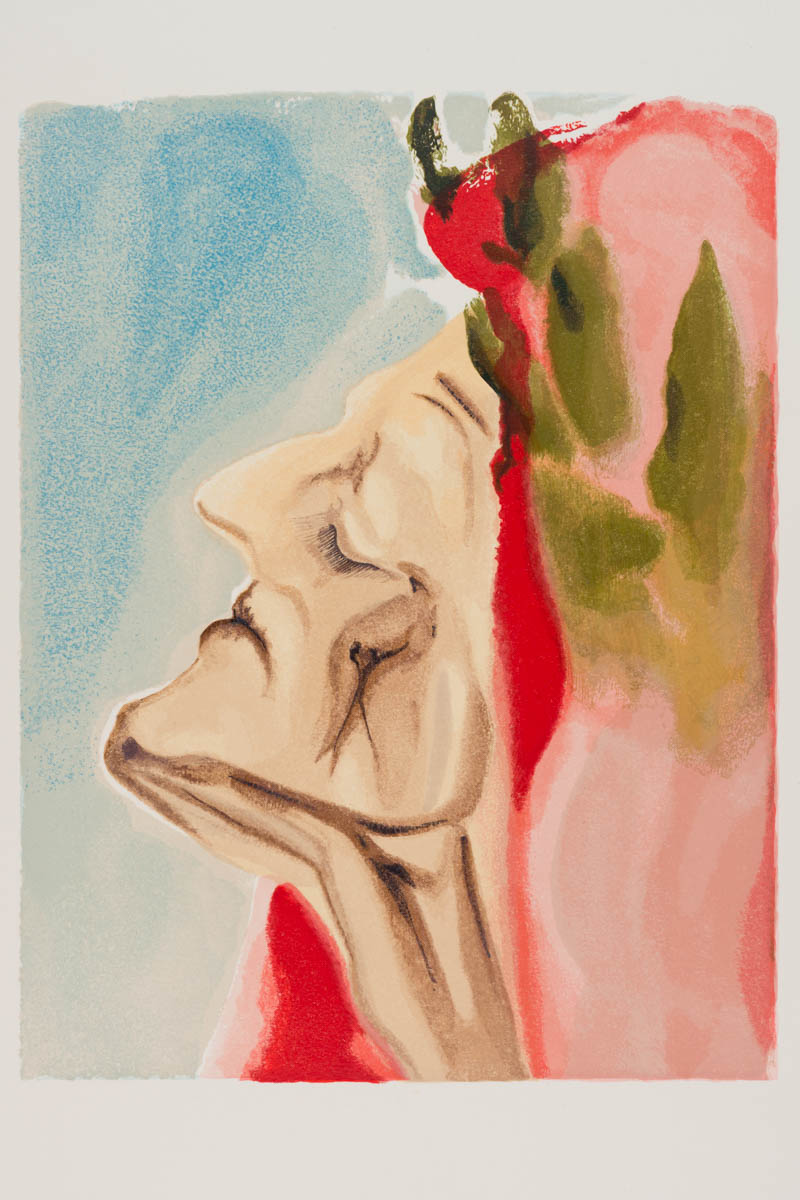
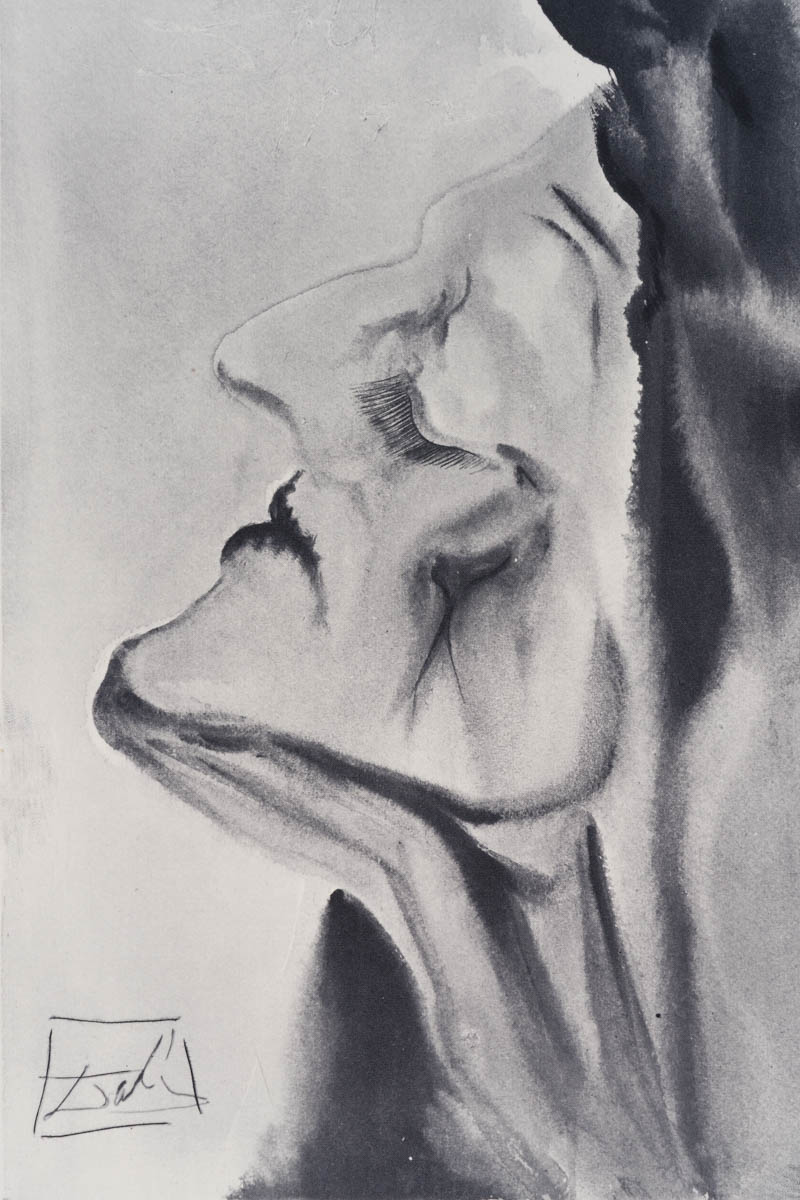
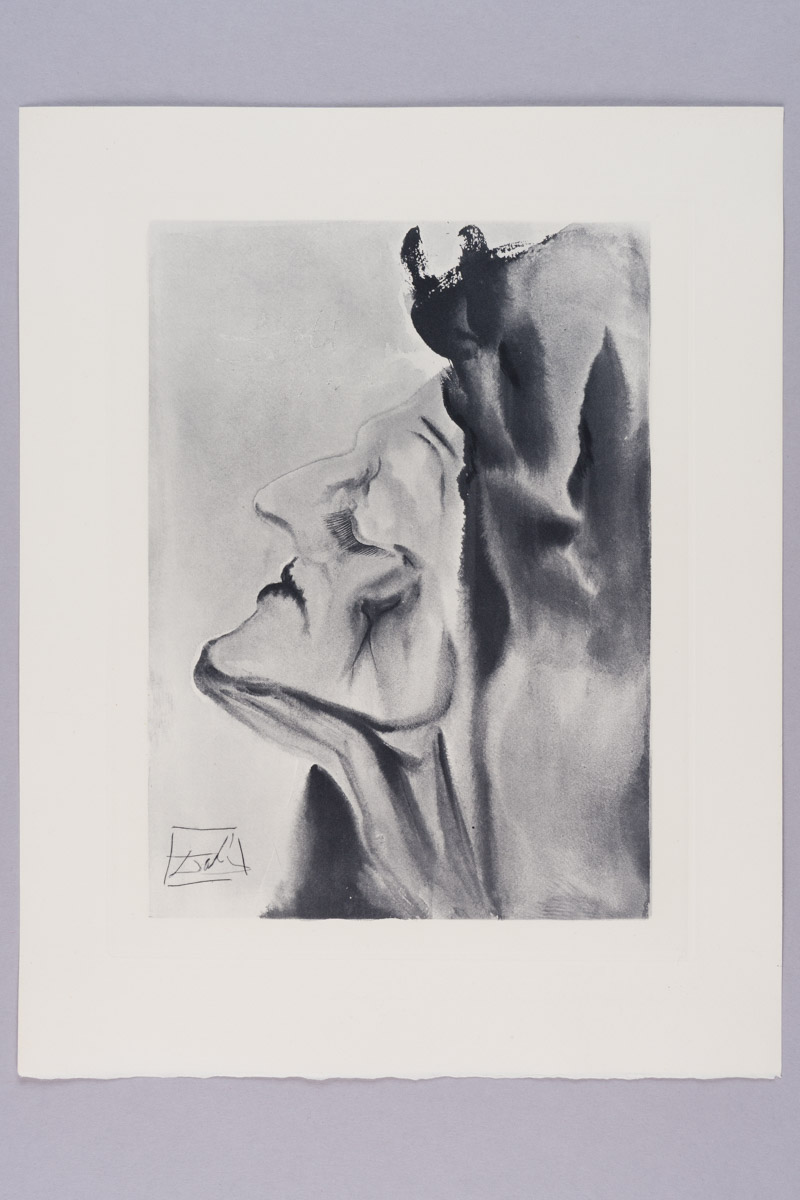
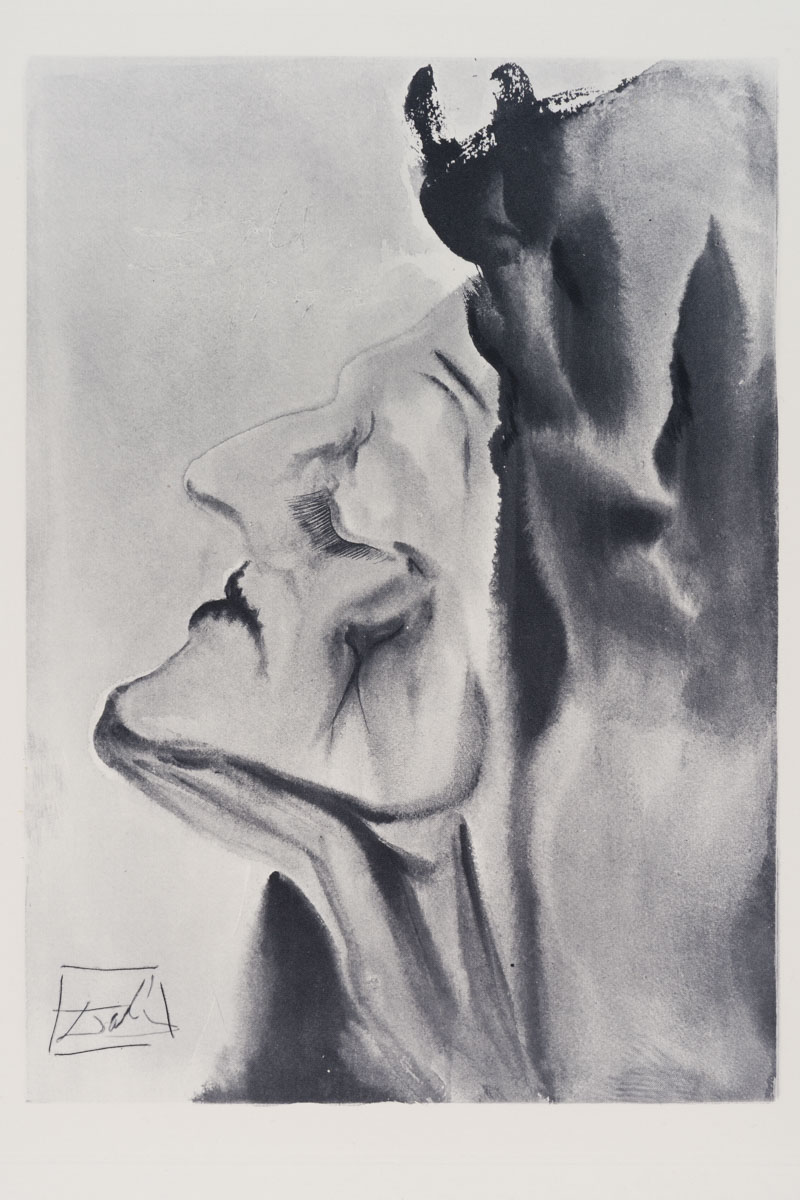
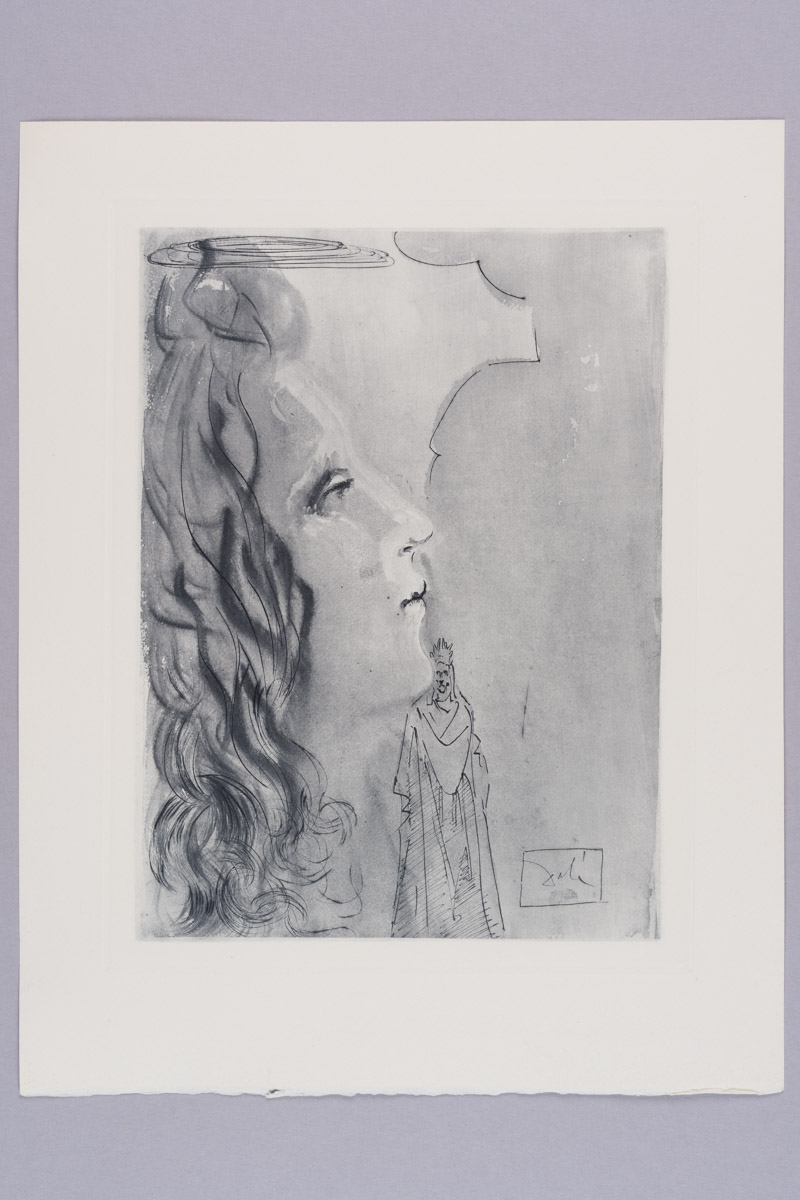
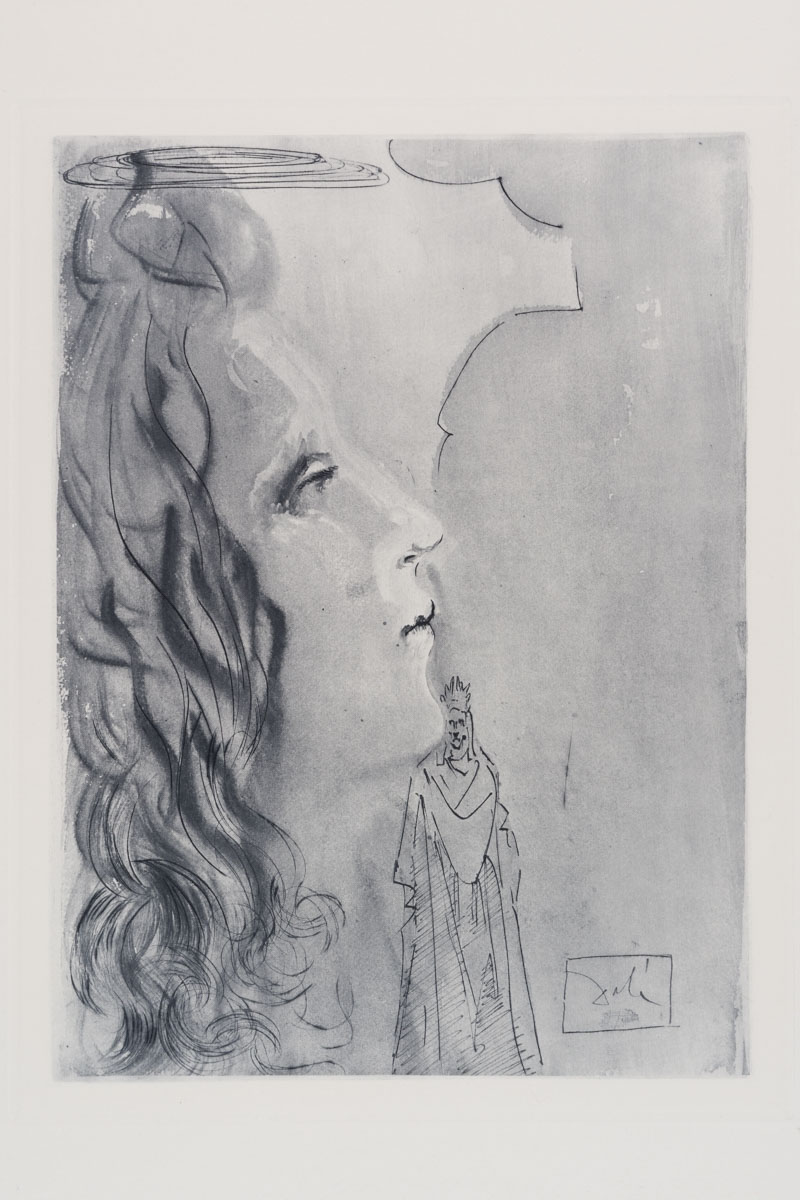
These decomposition prints reveal something the ordinary finished illustrations cannot: the mechanics behind the image.
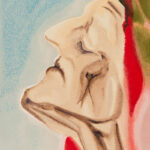
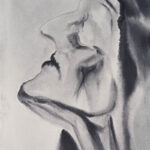
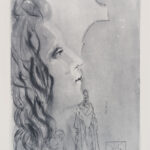
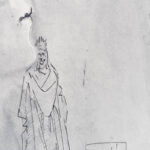
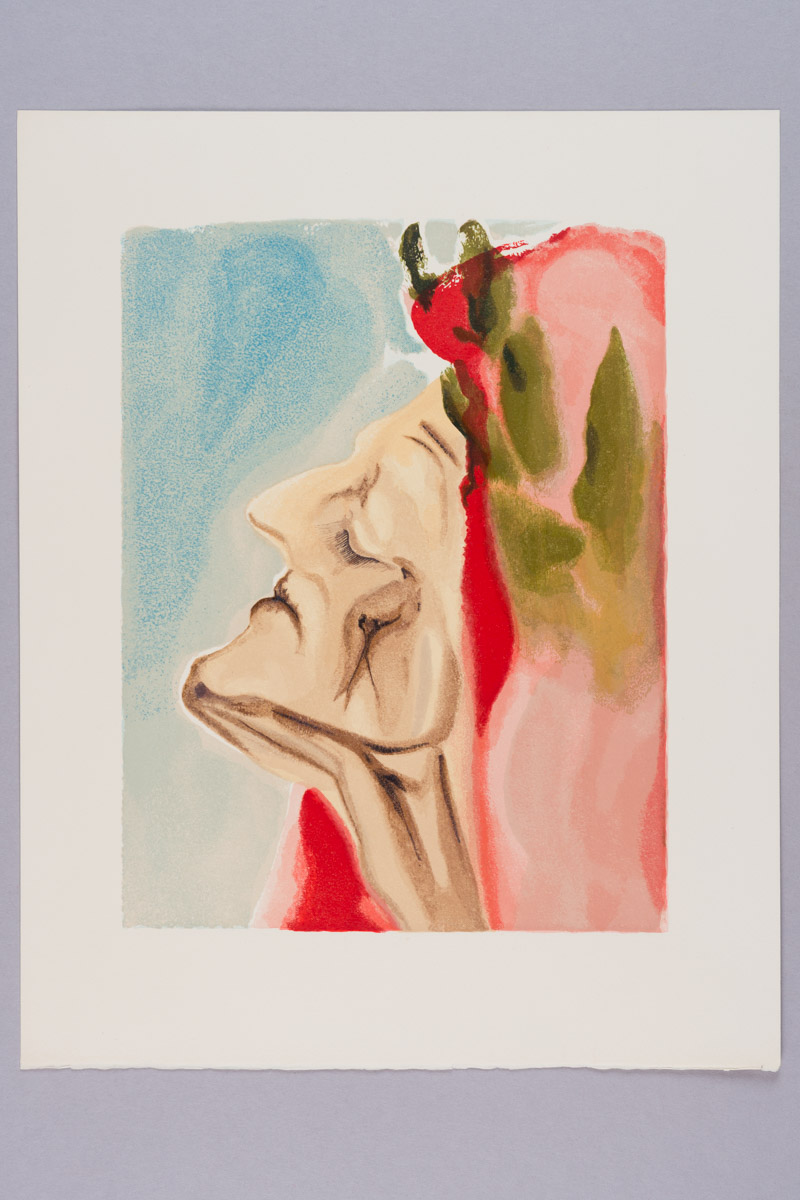
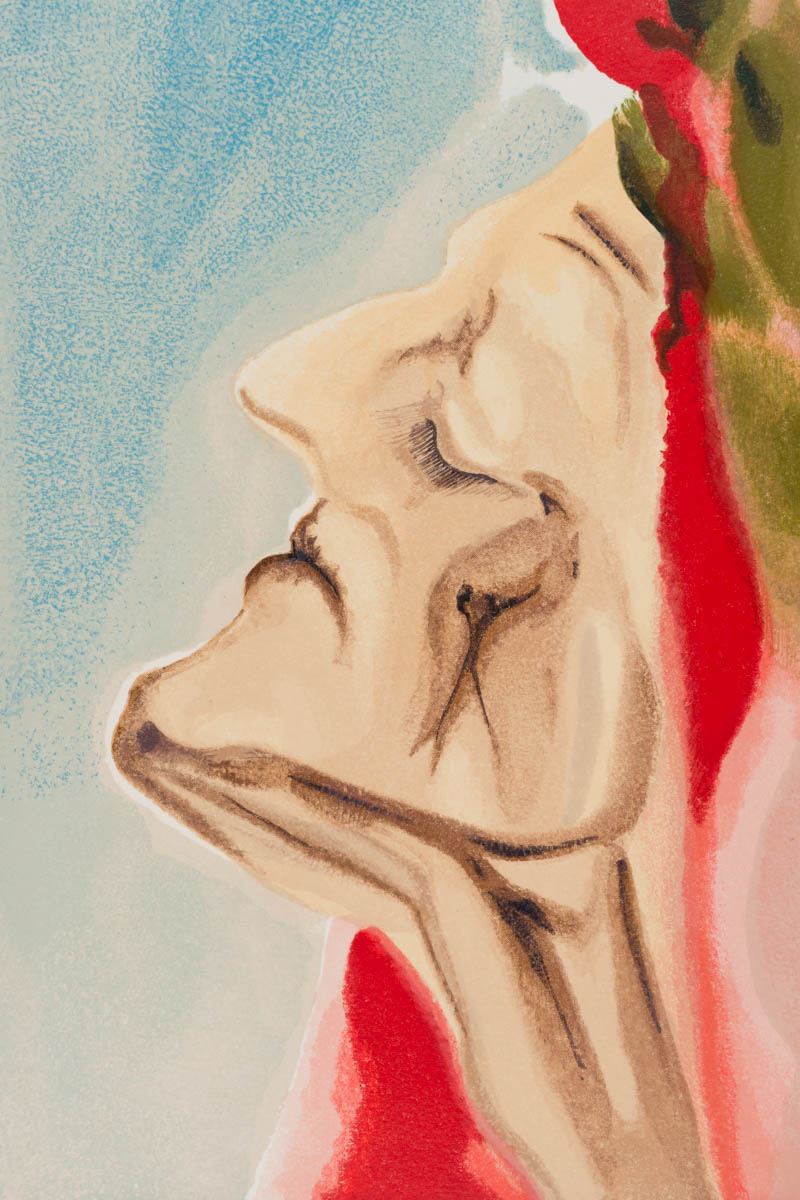
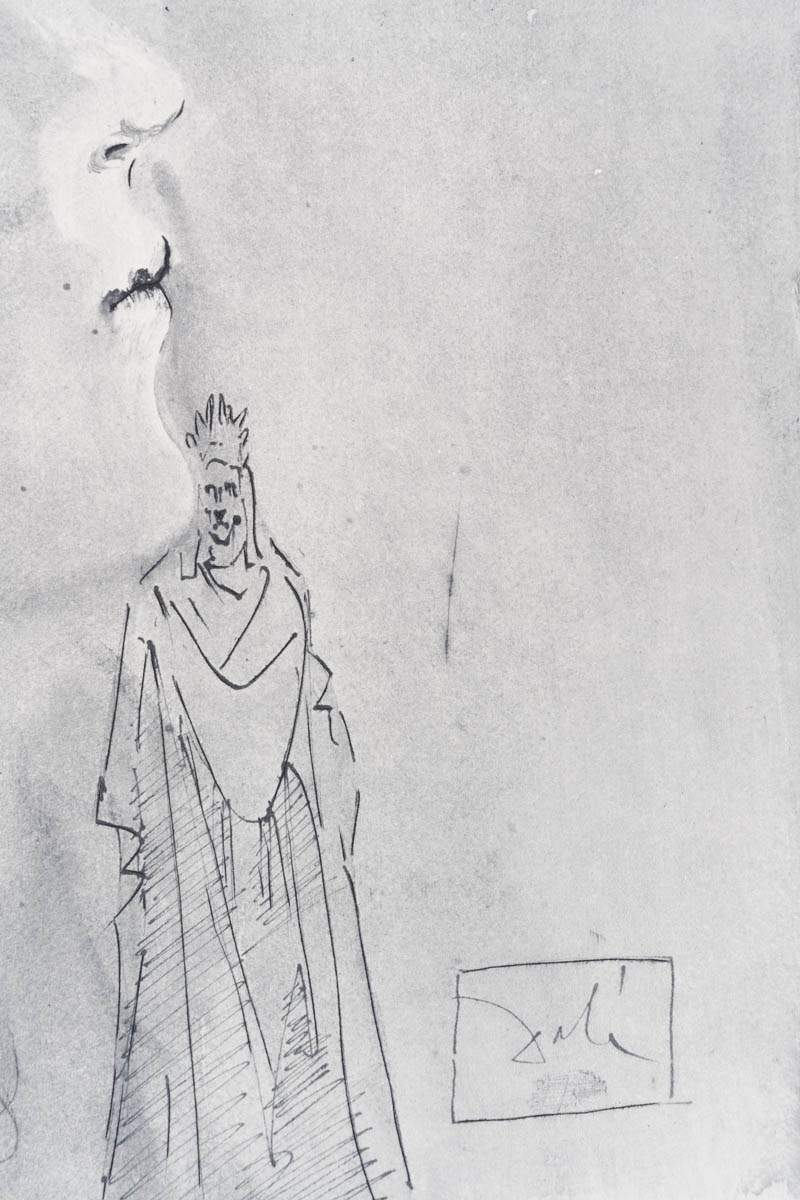
Here, the collector can compare the underlying heliogravure with the colour woodcut and see how Dalí’s imagery developed through the printing process. The two subjects also belong to the Dante and Beatrice narrative at the heart of the Divine Comedy, combining Dalí’s distinctive Surrealist vocabulary with one of the foundational works of Western literature.
The principal attraction is rarity combined with process. These are not simply examples removed from the standard edition of Dalí’s Divine Comédie, but decomposition prints from an edition limited to just 15 examples.
The presence of both the colour woodcut and heliogravure for two separate compositions makes the group particularly effective as a collection. Together, the four sheets document the transformation of Dalí’s designs from one stage of production to another.
They combine several strong collecting areas: Salvador Dalí, Surrealism, Dante, twentieth-century livres d’artiste, French fine printing and printmaking technique.
The four works also have considerable decorative potential, particularly if framed as two corresponding pairs.