£895.00
First English edition of Georges de Scudéry’s seventeenth-century study of political power, kingship and statecraft, illustrated with engraved portraits of celebrated rulers and princes.
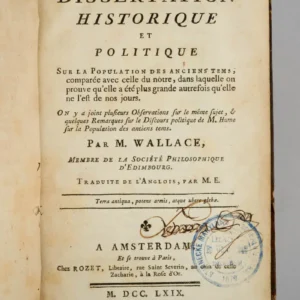
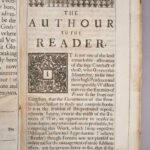
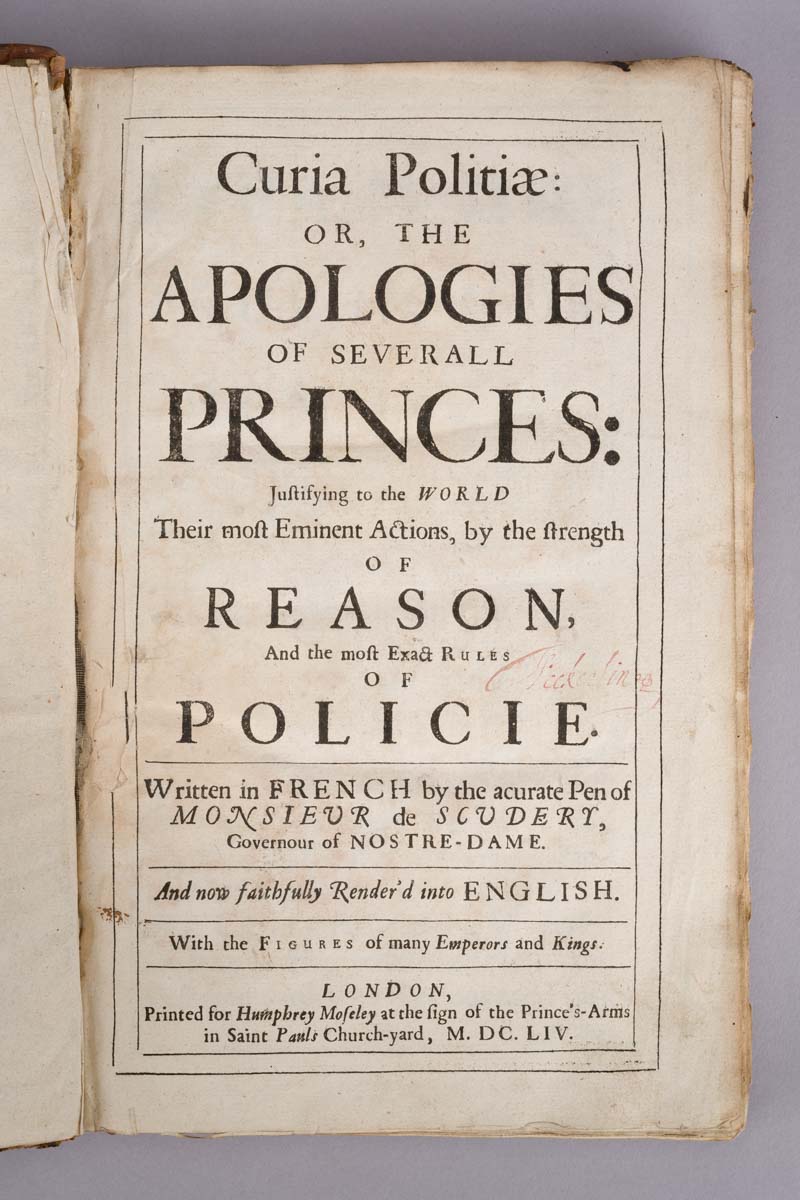
SCUDÉRY, Georges de. Curia Politiae: Or, The Apologies of Severall Princes: Justifying to the World Their most Eminent Actions, by the strength of Reason, And the most Exact Rules of Policie. Written in French by Monsieur de Scudéry, Governor of Nostre-Dame, and now faithfully rendered into English. London: Printed for Humphrey Moseley at the sign of the Prince’s-Arms in Saint Paul’s Church-yard, 1654. First English edition. Quarto.
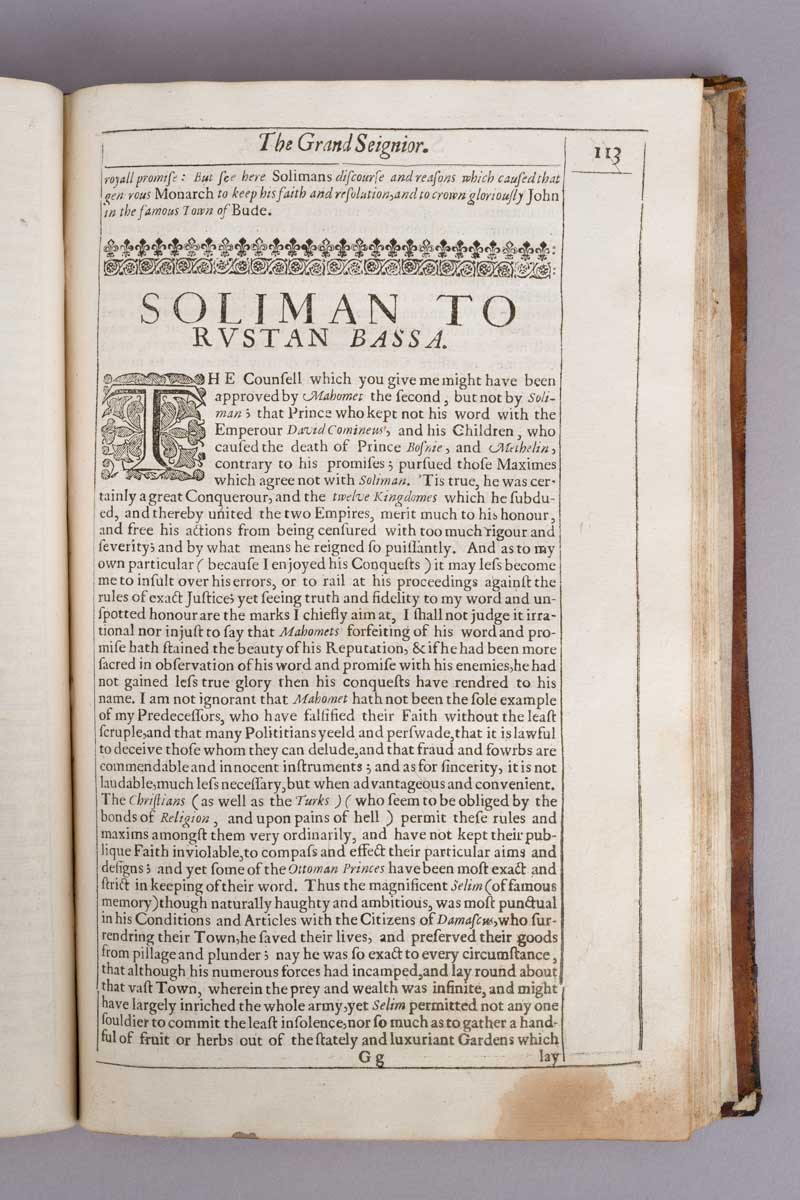
Originally written by the French author, dramatist and soldier Georges de Scudéry (1601–1667), Curia Politiae presents a series of political and historical discourses in which notable rulers defend their actions according to reason and the principles of statecraft.
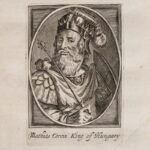
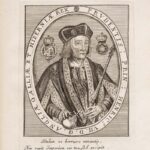
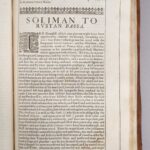
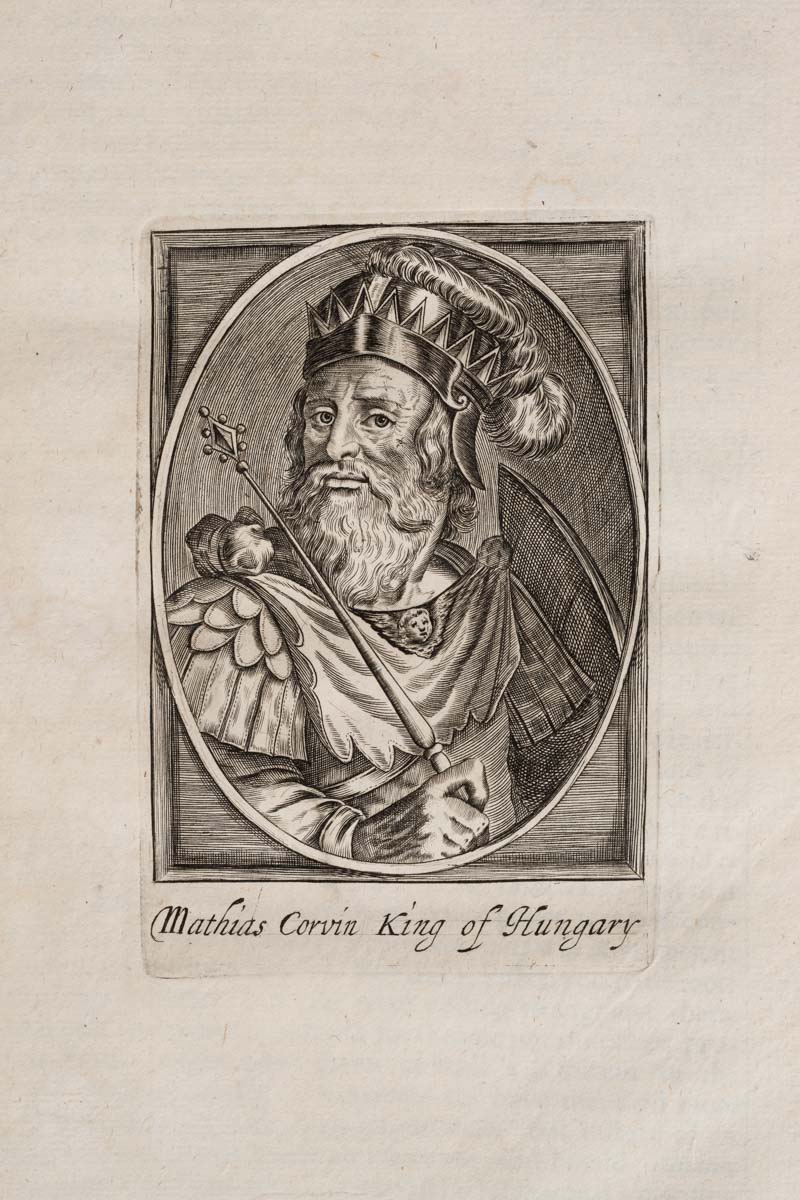
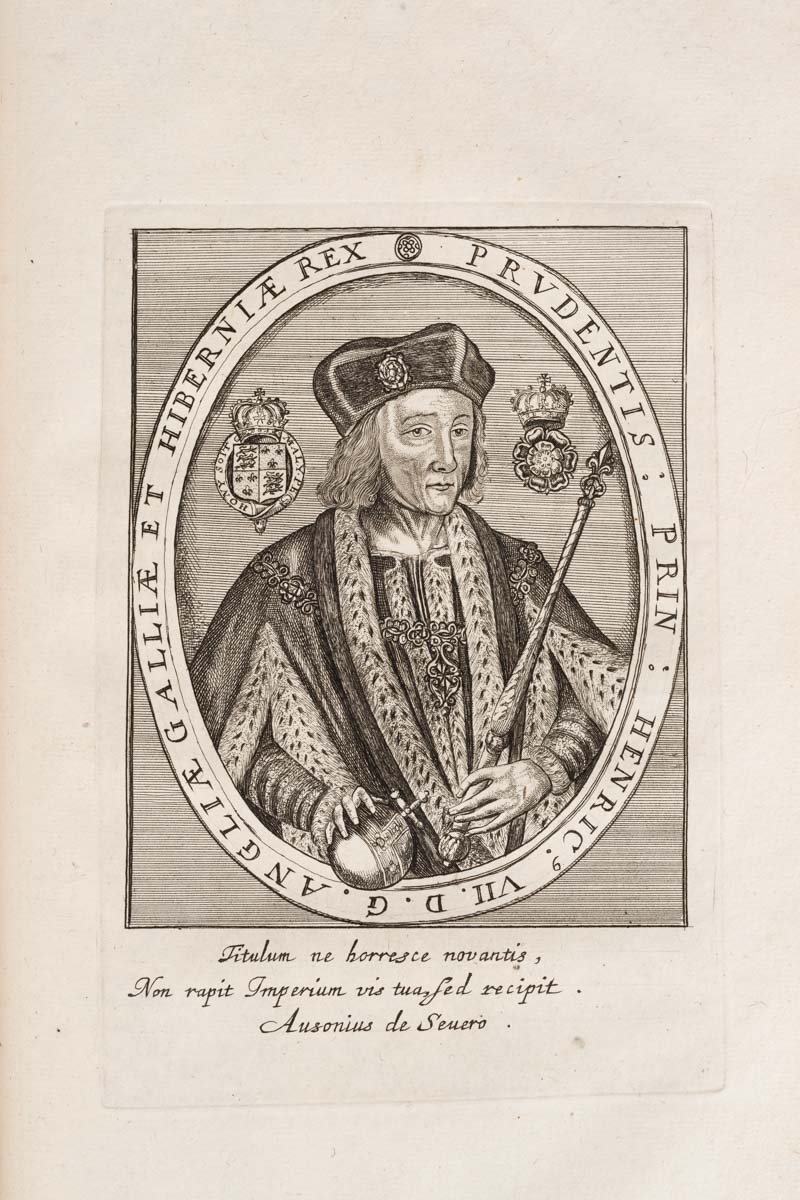
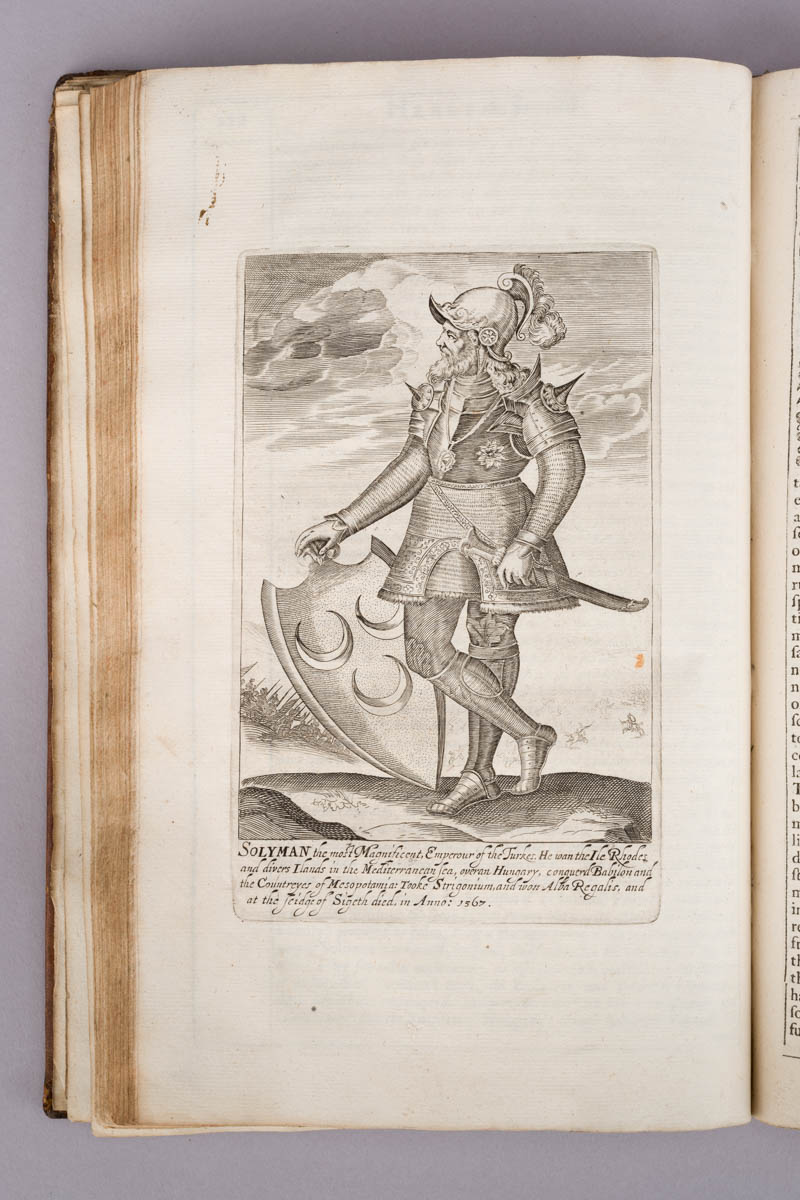
The work offers a distinctly seventeenth-century examination of sovereignty, reputation, political judgement and the conduct of princes, drawing upon figures from European and Ottoman history. The text is particularly attractive for its series of engraved portraits of rulers and princes, examples present here including Matthias Corvinus, King of Hungary; Henry VII of England; and Sultan Suleiman the Magnificent.
Printed for the important London bookseller and publisher Humphrey Moseley, whose publications included many of the leading literary authors of the seventeenth century.
A substantial and visually appealing Restoration-era work of political thought and historical biography, combining early English political literature with a notable series of engraved royal and imperial portraits.
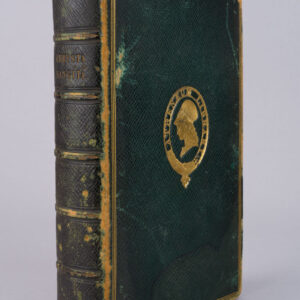
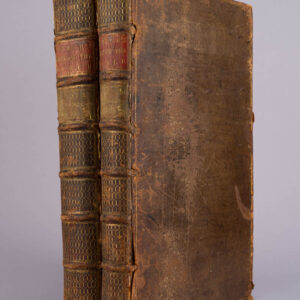
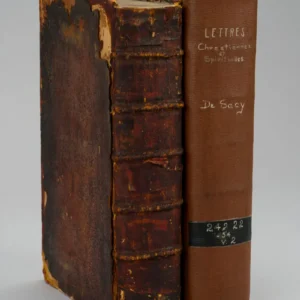
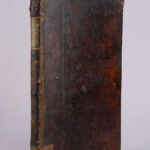
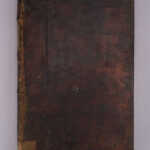
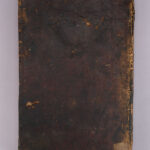
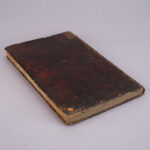
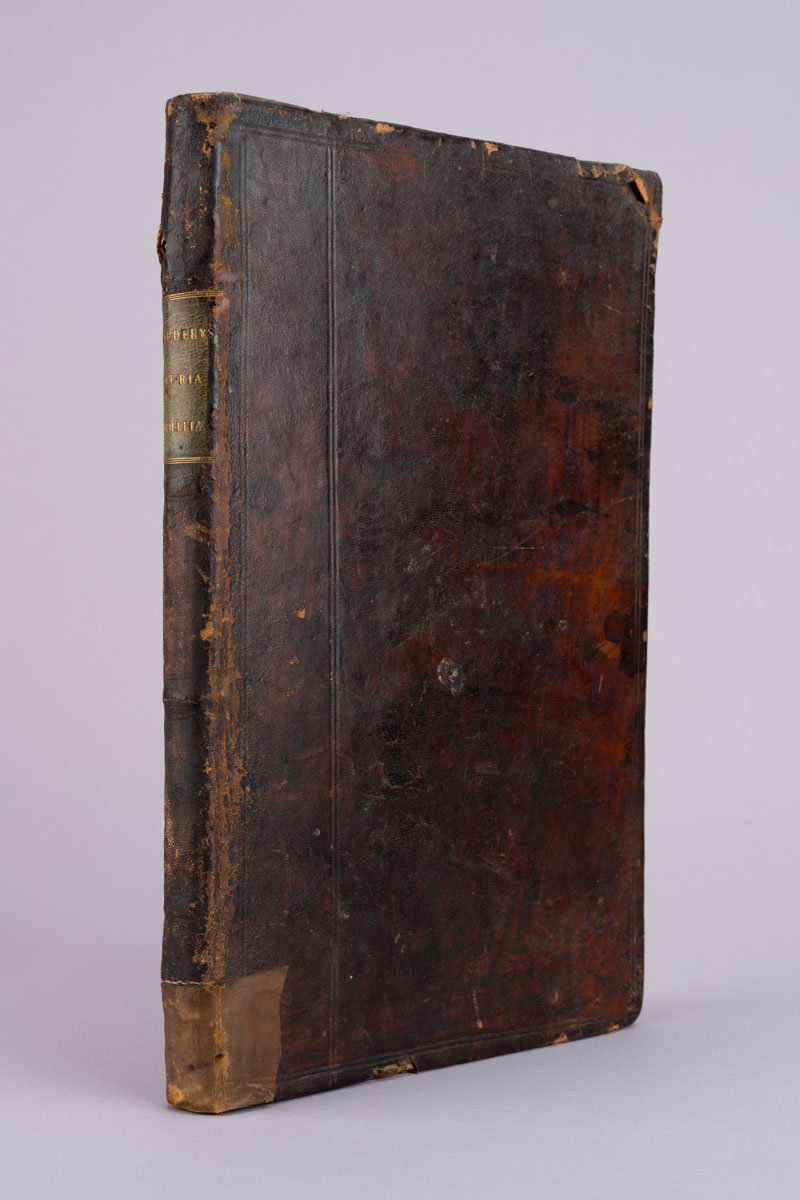
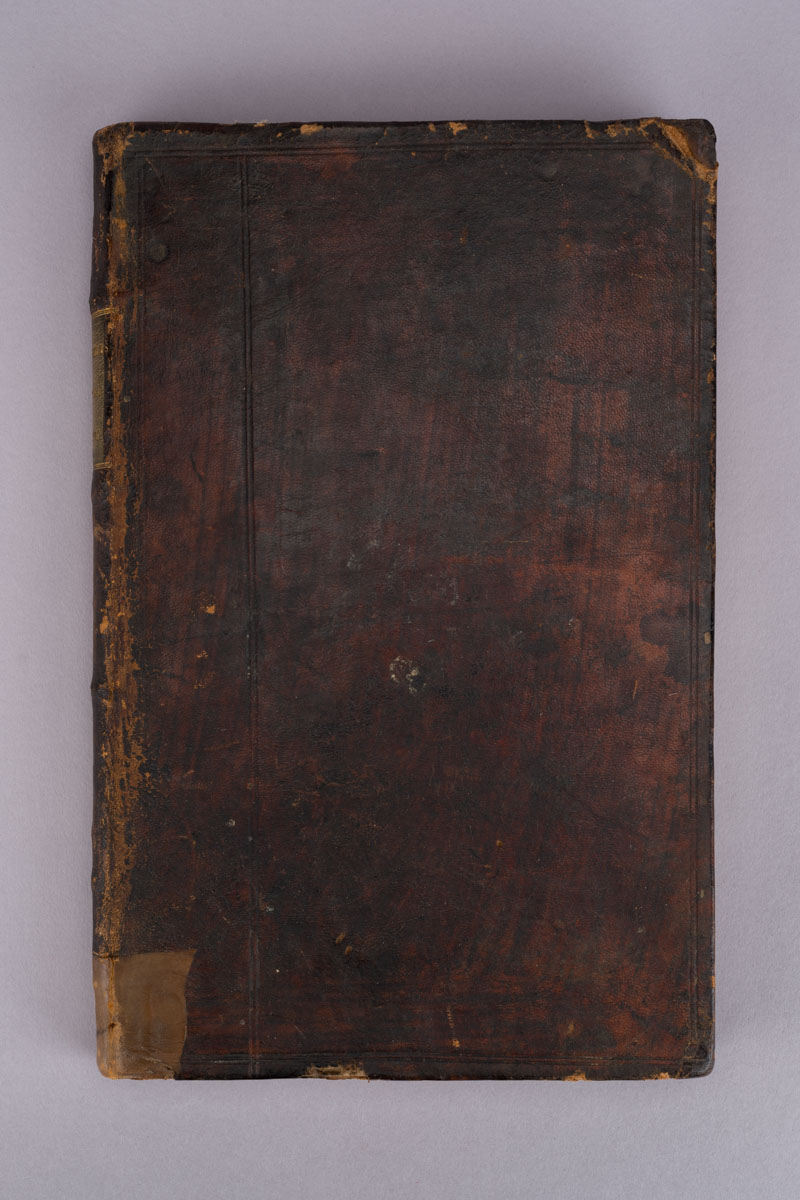
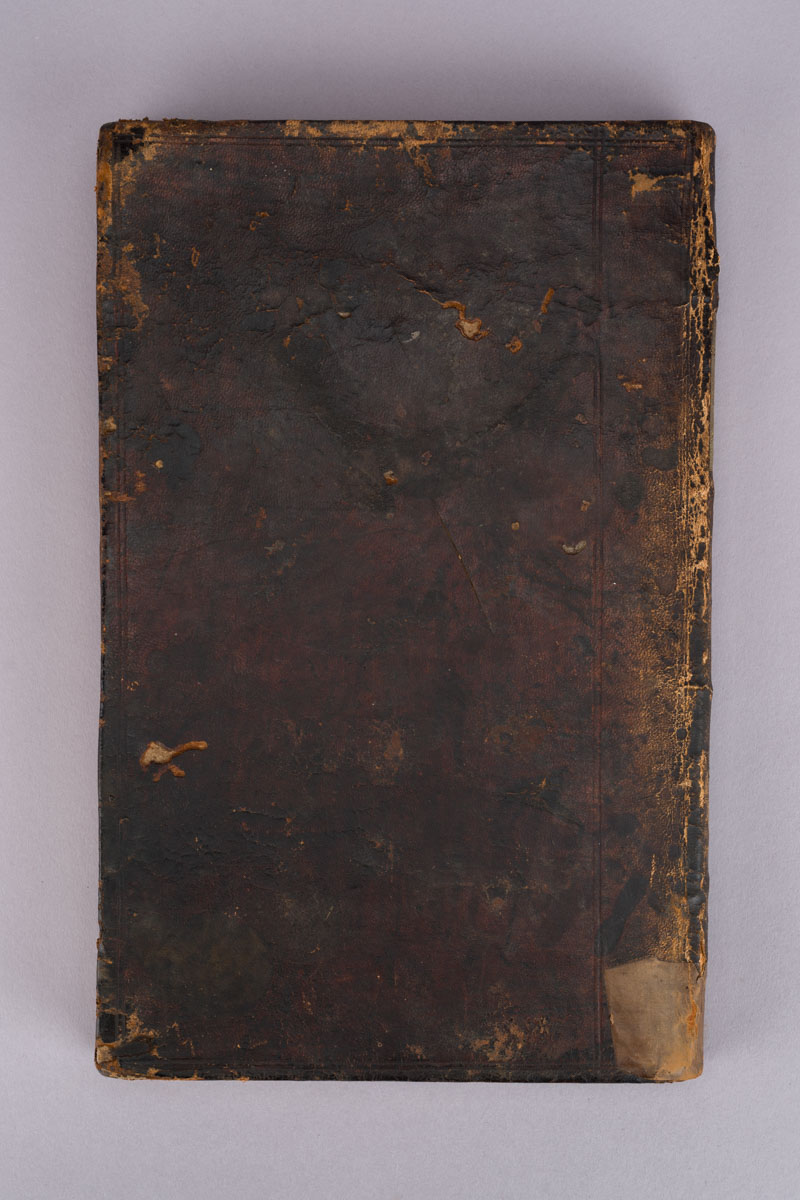
Contemporary full calf, boards ruled in blind, later spine label lettered in gilt. Binding considerably rubbed and worn, with loss and abrasion to the leather at the extremities, corners bumped and worn, and old repairs visible at the lower corners and foot of the spine. Some cracking and surface wear to the boards.
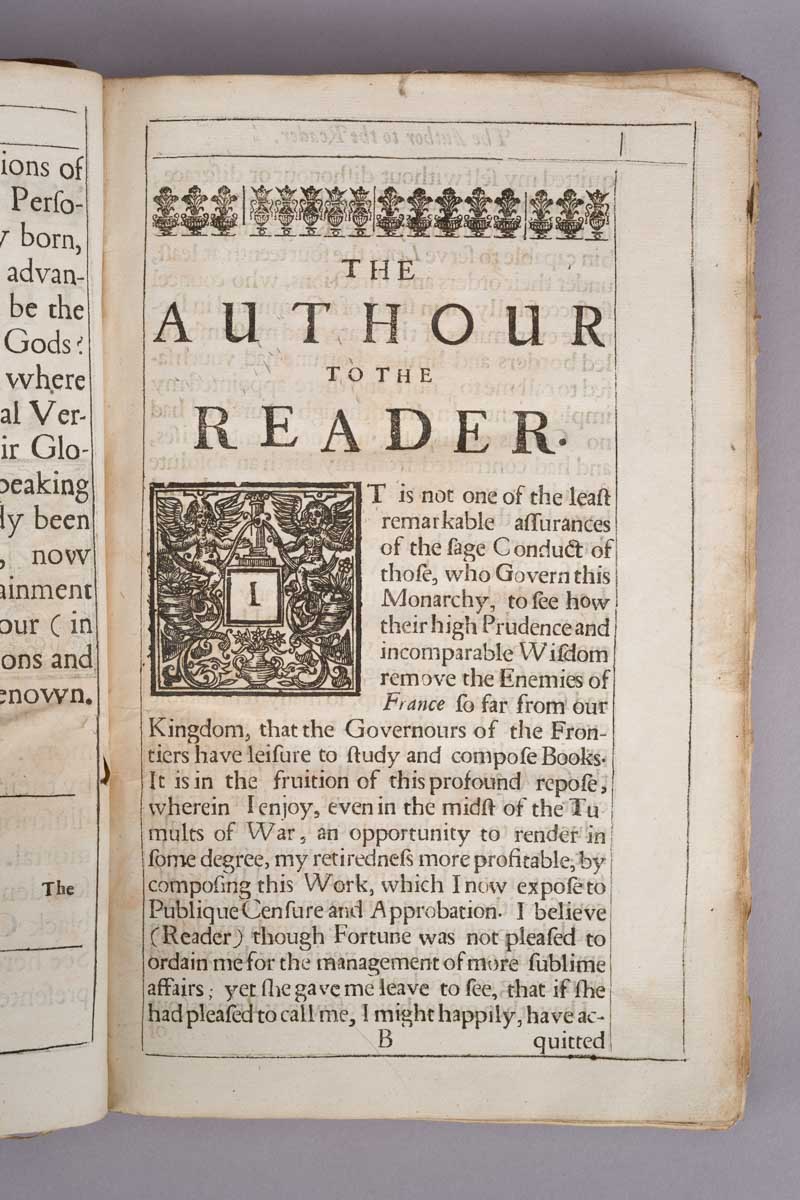
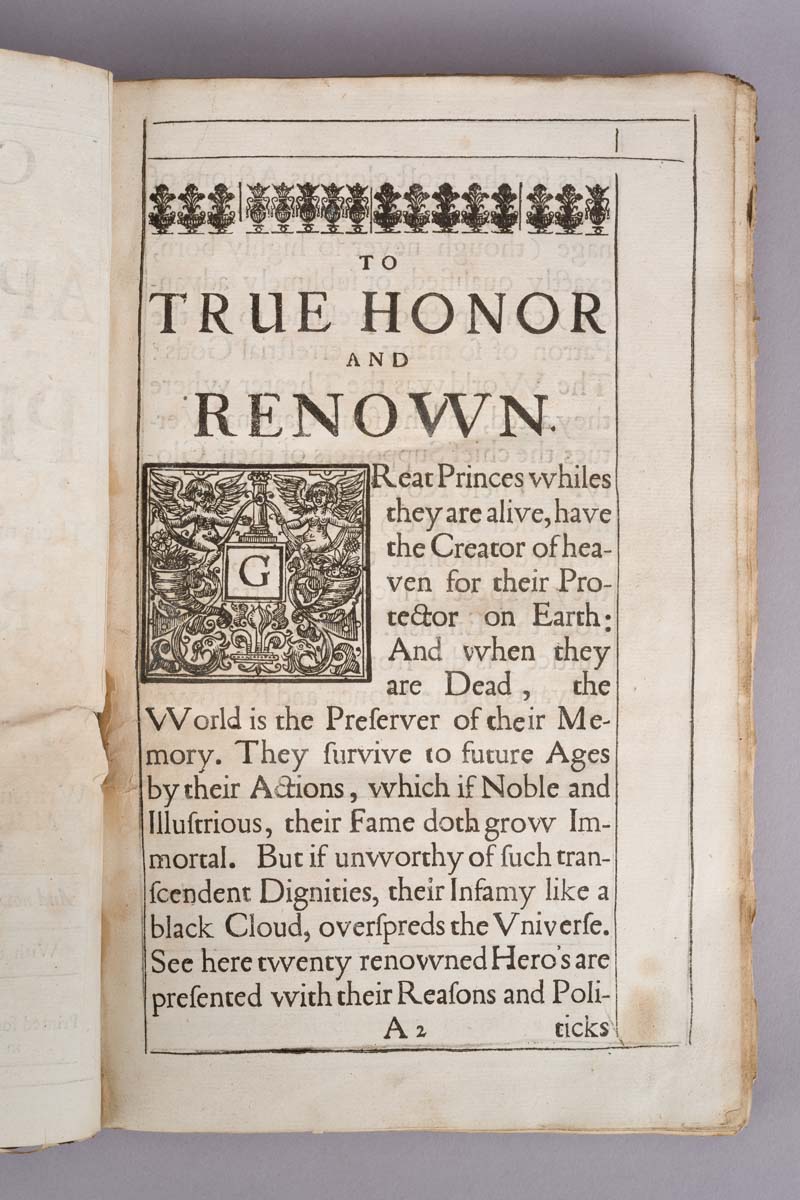
Internally generally well preserved for a book of this age, with occasional spotting, staining, handling marks and age-toning. Title page with an early ink inscription. Some marginal wear and occasional small tears or defects. Engraved portraits remain well defined and attractive.
An unrestored-looking copy retaining considerable period character. Please refer to the photographs for a full representation of condition.
Author: Georges de Scudéry (1601–1667)
Title: Curia Politiae: Or, The Apologies of Severall Princes: Justifying to the World Their most Eminent Actions, by the strength of Reason, And the most Exact Rules of Policie
Place of Publication: London
Publisher: Printed for Humphrey Moseley at the sign of the Prince’s-Arms in Saint Paul’s Church-yard
Date: 1654
Edition: First English Edition
Format: Quarto (4to)
Language: English
Illustration: Illustrated with engraved portraits of rulers and princes
Binding: Contemporary full calf, blind-ruled boards, later gilt-lettered spine label
1 in stock
Published in London in 1654, Curia Politiae is a fascinating seventeenth-century exploration of power, reputation and the conduct of rulers, written by the French soldier, dramatist and novelist Georges de Scudéry.
Scudéry gives voice to celebrated princes and rulers from history, allowing them to justify their actions through reason and the principles of political statecraft. The result is both a work of political thought and a gallery of historical personalities, examining how rulers wished their decisions — and ultimately their legacies — to be judged.
Particularly striking are the engraved portraits accompanying the text. Among those illustrated in this copy are Matthias Corvinus, King of Hungary; Henry VII of England; and Suleiman the Magnificent, Ottoman Sultan. Together they give the volume a strong visual character and place European and Ottoman rulers within the same discussion of sovereignty and political authority.
This 1654 edition is the first appearance of Scudéry’s work in English, published in London by the important seventeenth-century bookseller Humphrey Moseley. Nearly four centuries later, it remains an evocative survival from an age deeply preoccupied with monarchy, political legitimacy and the reputation of princes.
Curia Politiae captures the seventeenth-century fascination with the exercise of political power and the reputation of rulers. Rather than simply recounting history, Scudéry places celebrated princes and monarchs in the position of defending their own actions, creating an unusual combination of political philosophy, historical biography and imagined advocacy.
This copy is particularly significant as the first English edition of 1654, bringing Scudéry’s French political writing to an English readership during a remarkable period of political upheaval, only five years after the execution of Charles I and while England itself was governed without a king.
The engraved portraits add another important dimension. European monarchs appear alongside rulers such as Suleiman the Magnificent, reflecting the increasingly international political and historical outlook of seventeenth-century readers.
As an object, it brings together several highly collectable areas: early English printing, political thought, royal and imperial history, engraved portraiture and the history of the book — all preserved in a contemporary calf binding that has survived for more than 370 years.