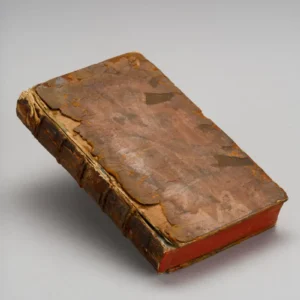
This small book belongs to the intellectual world that helped shape the French Enlightenment — but this particular edition appeared after that world had been violently transformed by revolution.
César Chesneau Dumarsais was a French philosopher, grammarian and educational thinker associated with the circle of eighteenth-century intellectuals who sought to understand language, reason and human knowledge through rational enquiry.
He also contributed to the great Encyclopédie of Diderot and d’Alembert, one of the defining publishing achievements of the Enlightenment.
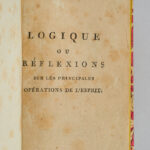
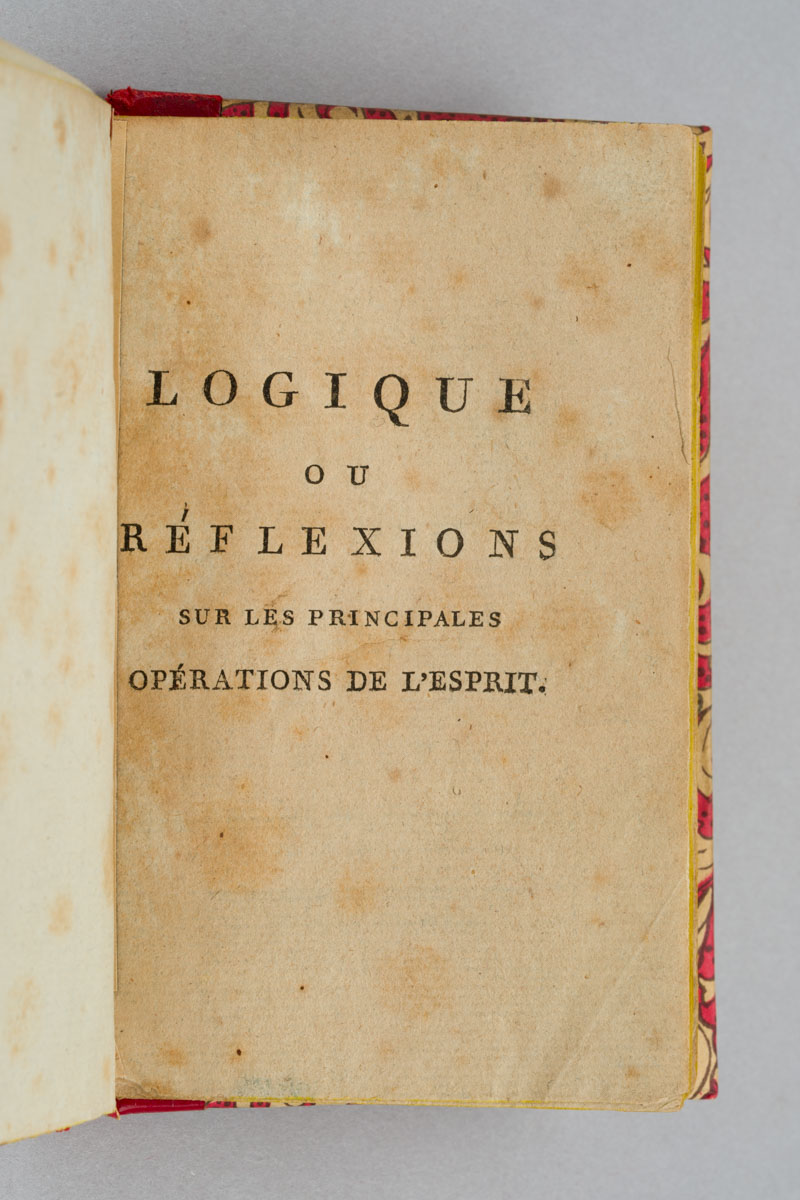
Logique, ou Réflexions sur les principales opérations de l’esprit examines the mechanisms by which the human mind forms ideas, judgements and reasoning. Its subject therefore lies directly within the Enlightenment project of attempting to understand human thought through systematic analysis rather than inherited authority.
But this edition has another historical dimension.
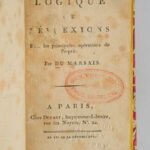
Instead of carrying a conventional date such as 1799, its title page declares:
“AN VIII DE LA RÉPUBLIQUE.”
The French Republican Calendar had been created after the abolition of the monarchy, deliberately breaking with the traditional Christian calendar. Year VIII encompassed 1799–1800, precisely the period in which Napoleon Bonaparte seized power in the coup of 18 Brumaire and became First Consul of France.
The physical book therefore brings together two remarkable periods of French intellectual and political history: the philosophy of the Enlightenment and the revolutionary France that followed it.
An accessible piece of French Enlightenment and Revolutionary history with an unusually evocative date.
Dumarsais was associated with the Encyclopédie and with the intellectual movement that challenged traditional approaches to language, education and knowledge. This edition appeared during Year VIII of the French Republic, at the very moment Napoleon emerged as France’s dominant political figure.
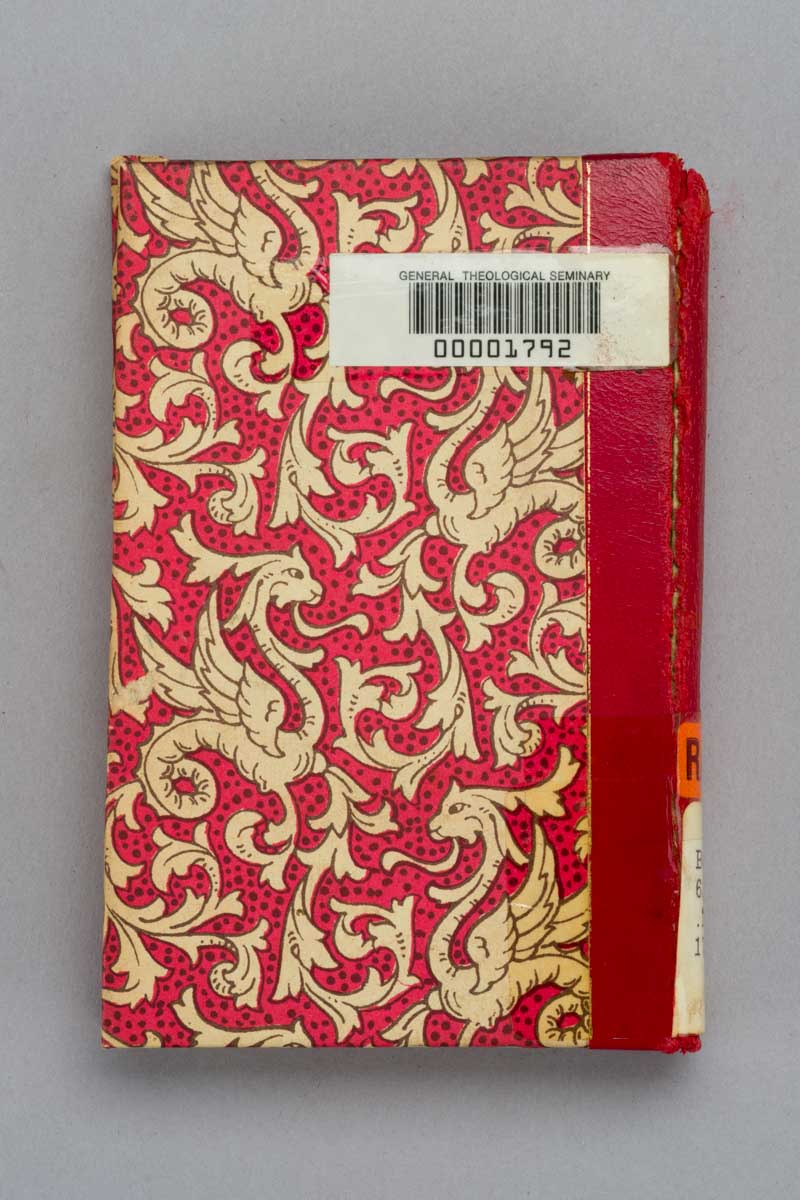
Its later institutional provenance from the General Theological Seminary in New York adds another chapter to the volume’s history.
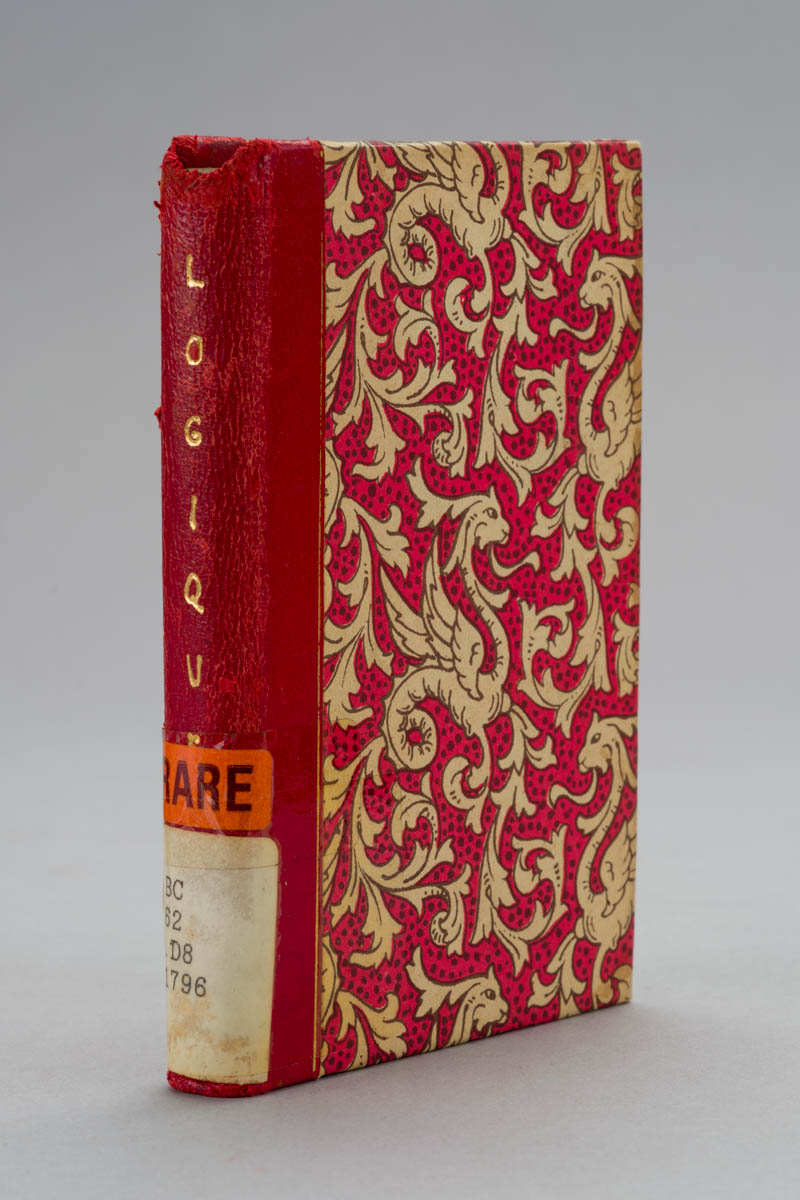
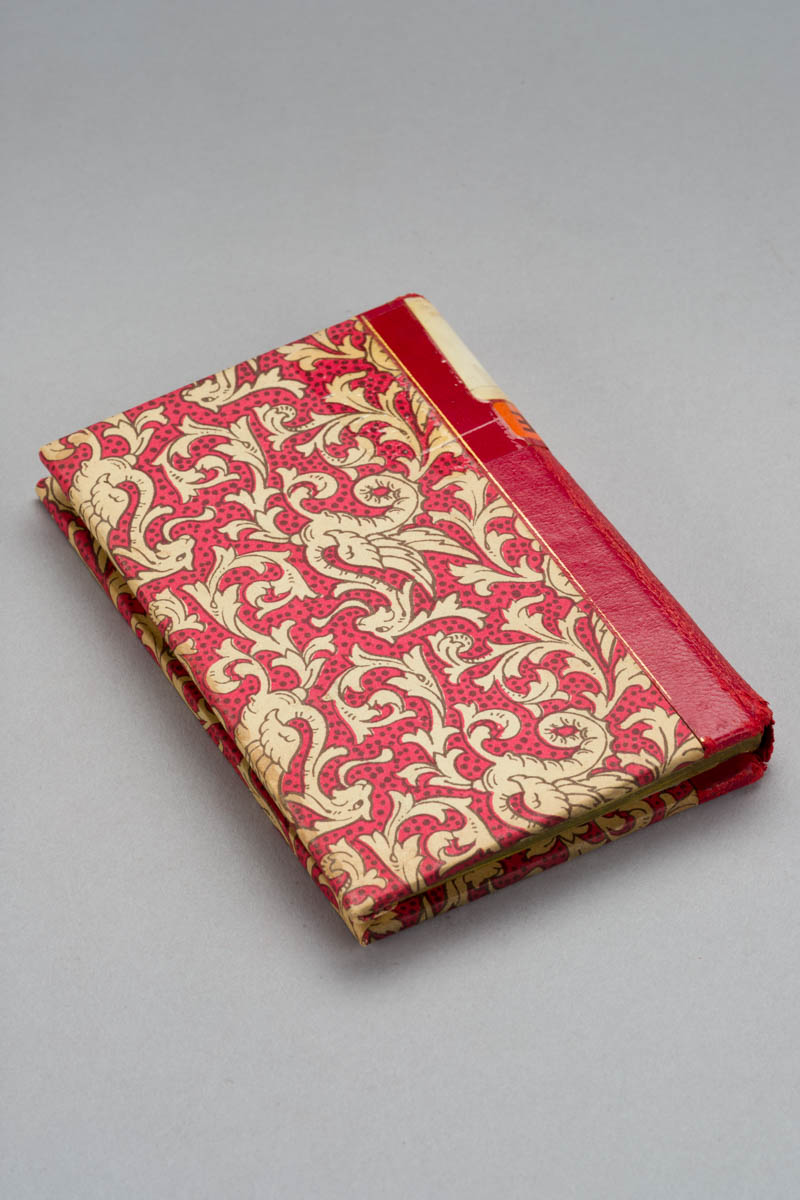
The colourful later binding makes this an attractive shelf piece despite the institutional markings, while the Republican-calendar imprint gives the book considerably more historical interest than an ordinary nineteenth-century edition of an Enlightenment philosophical text.