On 30 June 1894, London celebrated the completion of one of the greatest engineering projects of the Victorian age.
After eight years of construction, Tower Bridge was formally opened by Albert Edward, Prince of Wales, accompanied by his wife Alexandra, Princess of Wales. They would later become King Edward VII and Queen Alexandra.
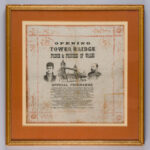
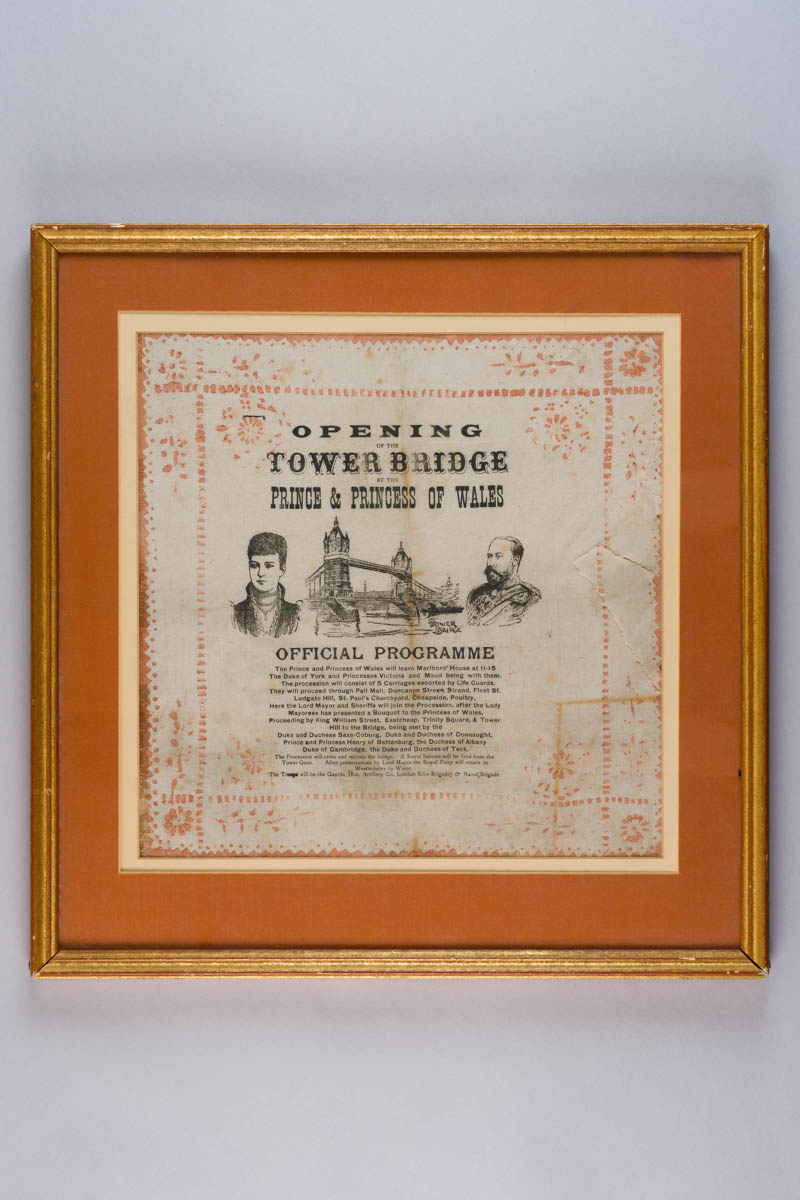
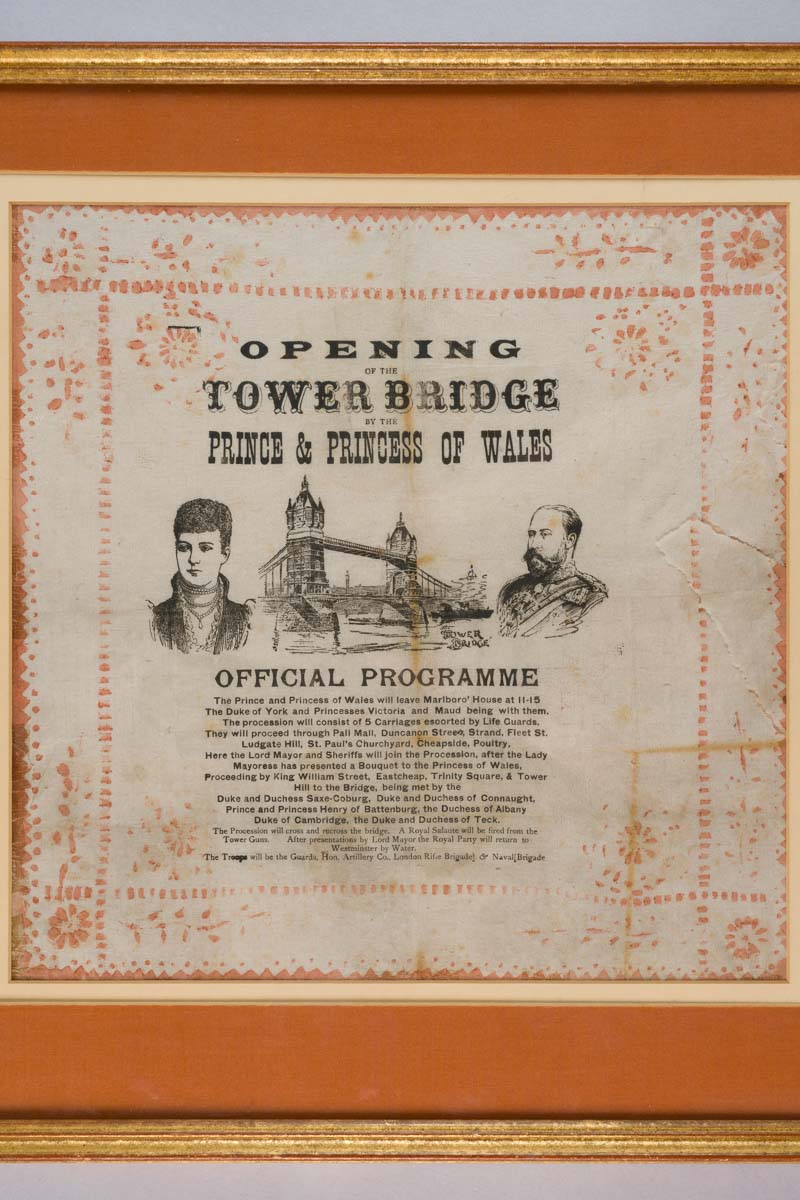
This silk programme was produced for that historic occasion.
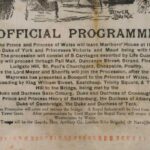
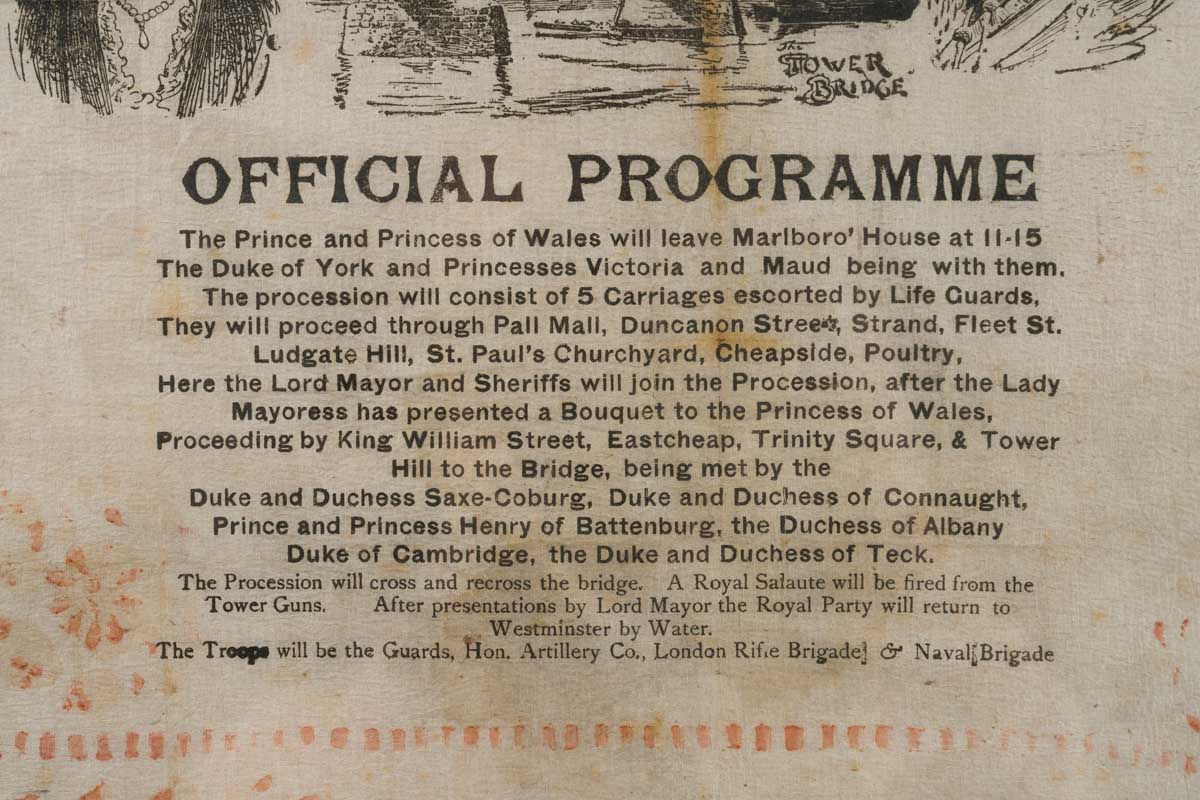
Rather than merely commemorating Tower Bridge after its completion, it records the ceremony as it was intended to unfold that day. The procession begins at Marlborough House and travels through the heart of Victorian London before reaching the new bridge, where members of the Royal Family, civic dignitaries and military units assembled for the opening.
The programme even records the ceremonial details: the royal carriages, Life Guards, presentation of flowers to the Princess of Wales, crossing and recrossing of the bridge and the Royal Salute from the guns of the Tower.
Printed silk programmes and playbills occupy a fascinating position in nineteenth-century material culture. Produced for important theatrical, royal and civic occasions, they transformed an otherwise ephemeral programme into a decorative souvenir worthy of preservation.
Few Victorian engineering projects became as internationally recognisable as Tower Bridge. This surviving silk programme therefore represents something particularly evocative: a contemporary souvenir from the day London first celebrated the opening of what would become one of its defining landmarks.
An unusual combination of Victorian silk printing, royal memorabilia and London history, directly associated with the opening of Tower Bridge.
Unlike later commemorative material, this is a contemporary programme recording the actual royal procession and ceremonial arrangements for 30 June 1894.
Its silk format substantially enhances its appeal. Nineteenth-century silk playbills and programmes were produced as special commemorative objects, yet their delicate textile construction means survival over more than 130 years was never assured.
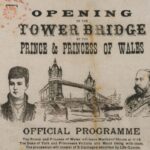
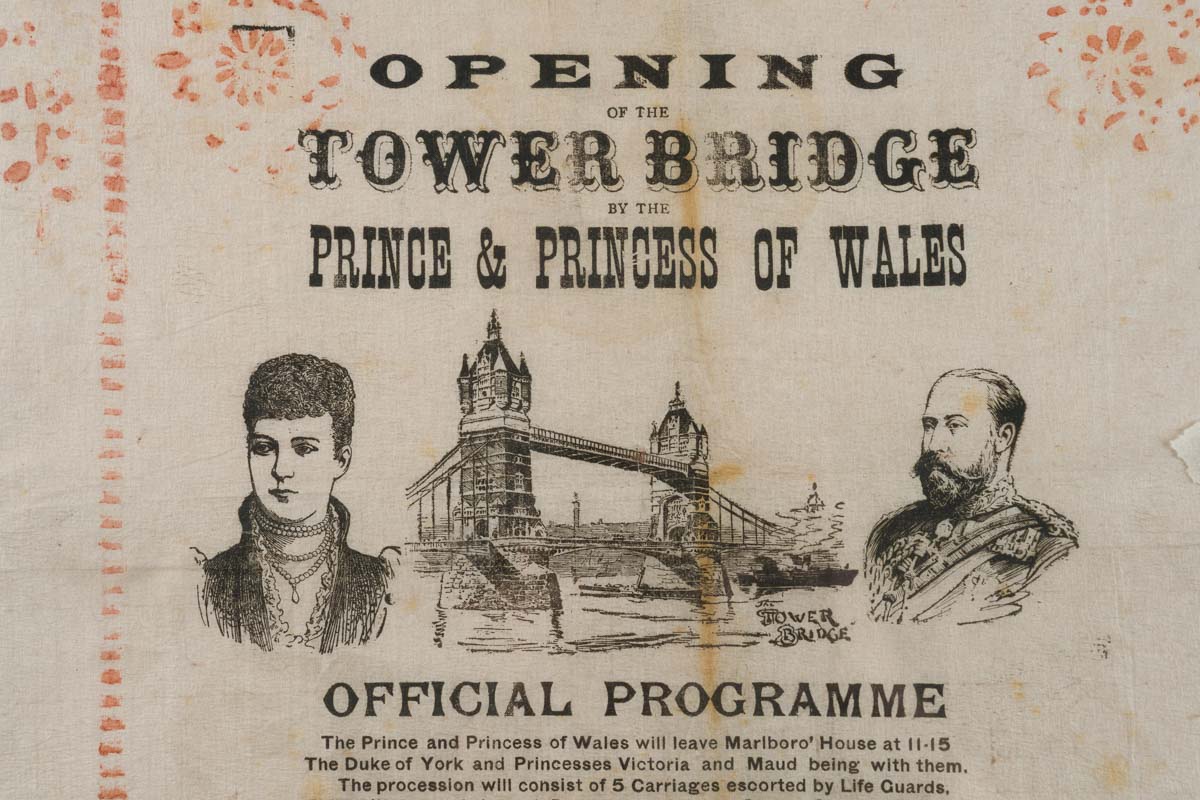
The portraits of the future King Edward VII and Queen Alexandra, together with the central depiction of the newly completed Tower Bridge, also give the piece exceptional visual presence.
For a collection concerned with London, Victorian Britain, royalty, historic architecture, engineering or nineteenth-century silk playbills, it represents a highly distinctive historical artefact.