£1,495.00
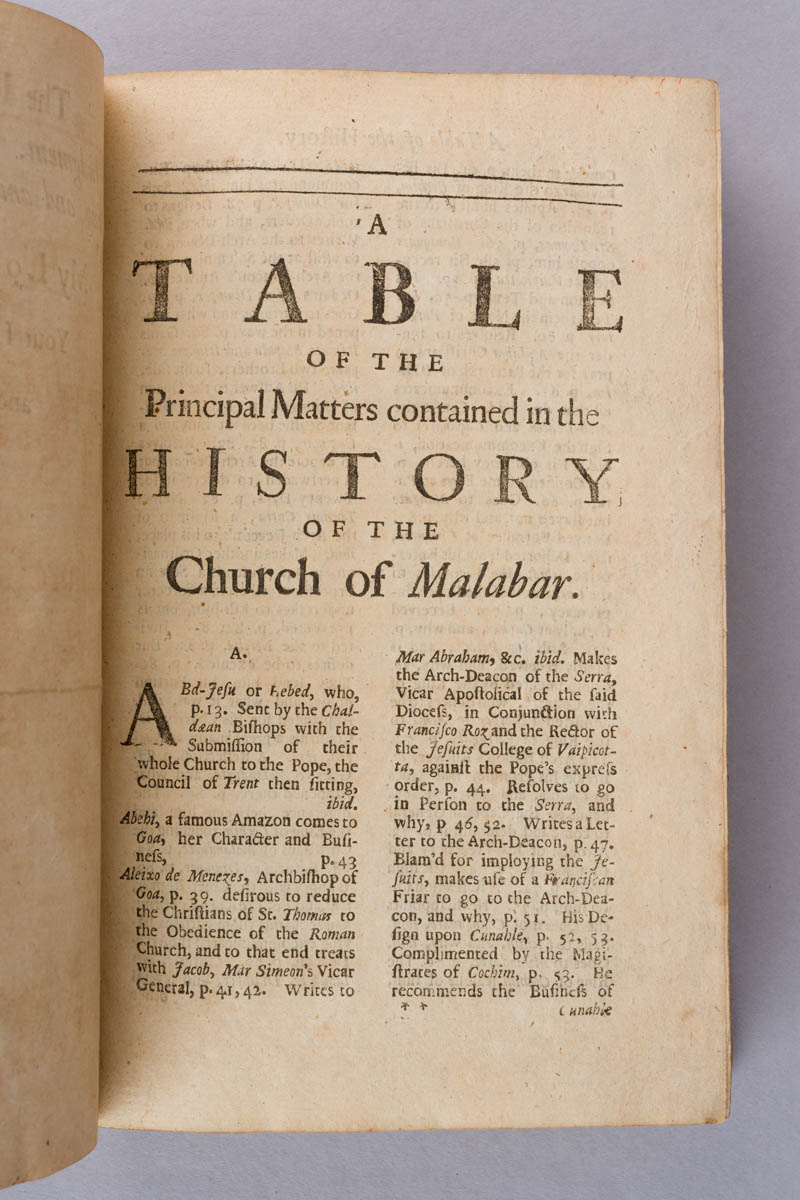
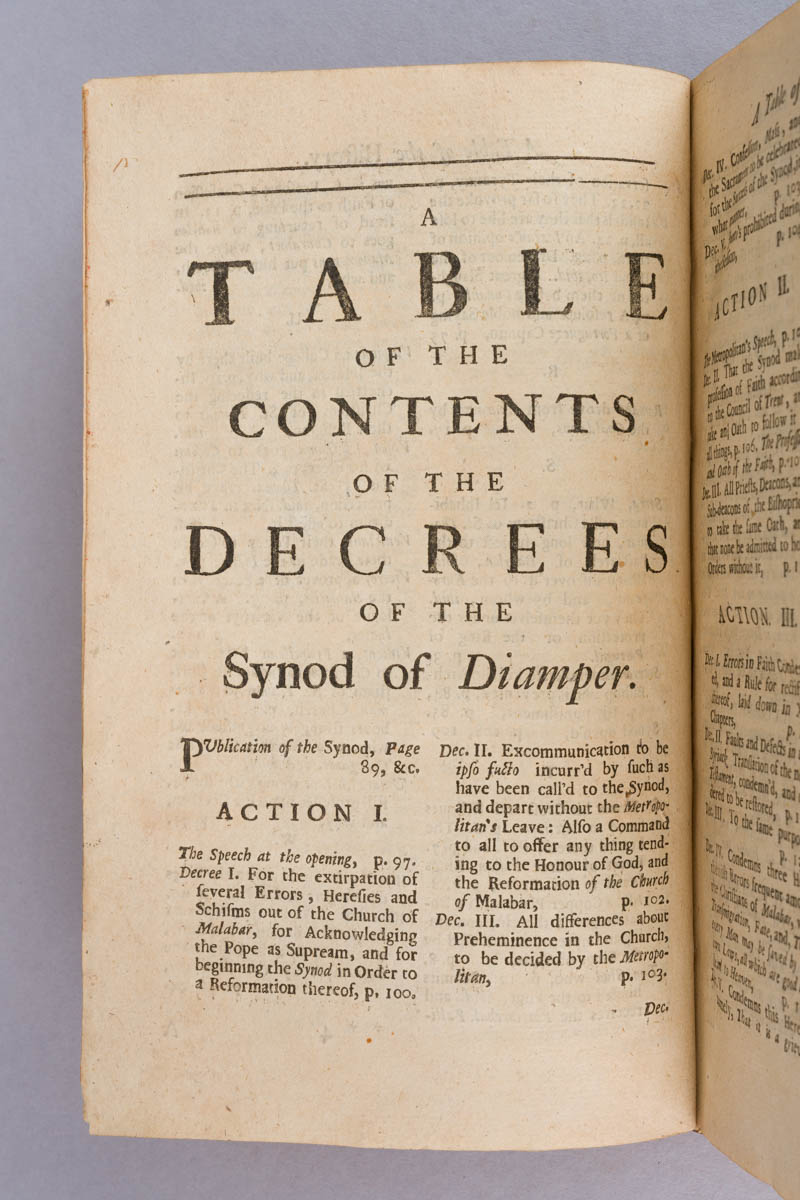
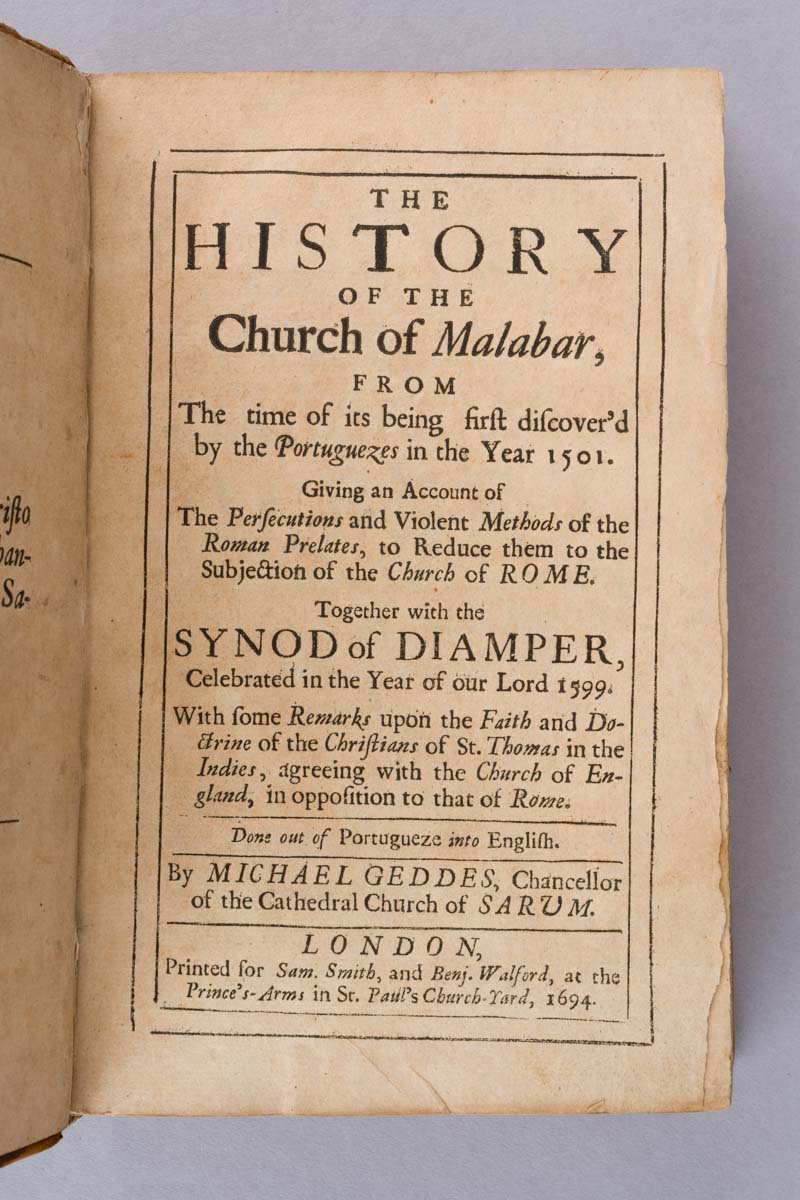
A scarce first edition of Michael Geddes’s important seventeenth-century account of Christianity on the Malabar Coast of India, incorporating an English account of the celebrated Synod of Diamper of 1599 and examining the encounter between the ancient St Thomas Christian communities of southern India and Portuguese Roman Catholic authority.
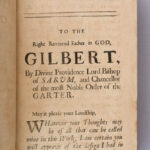
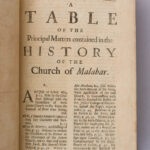
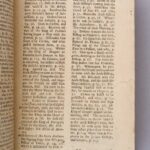
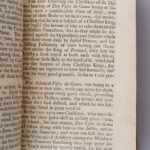
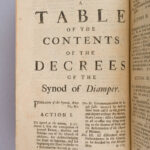
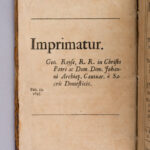
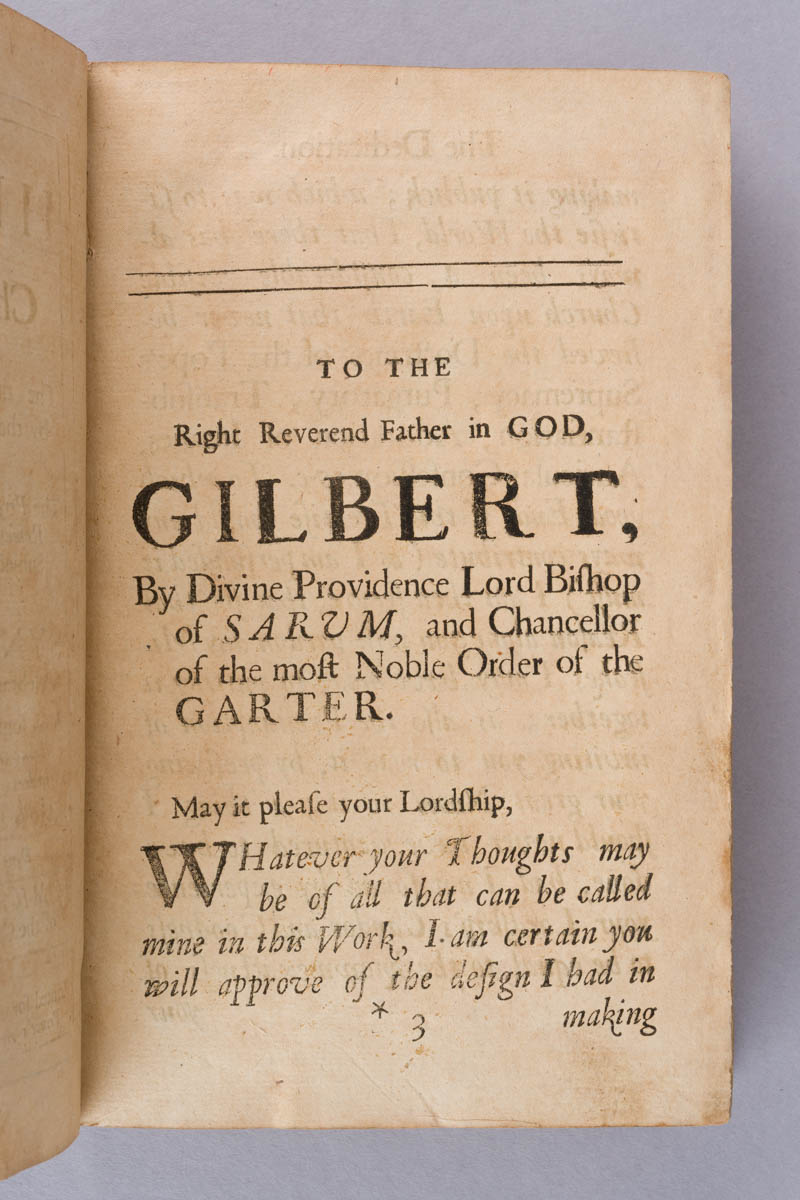
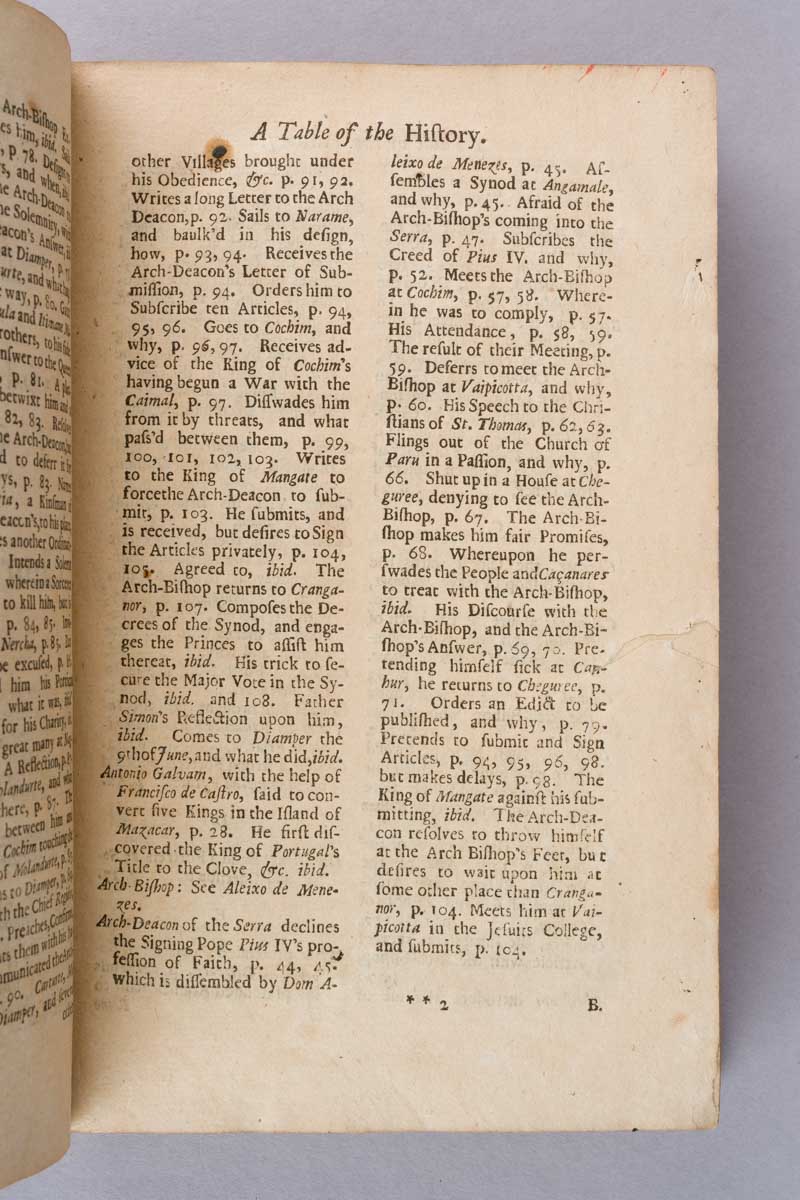
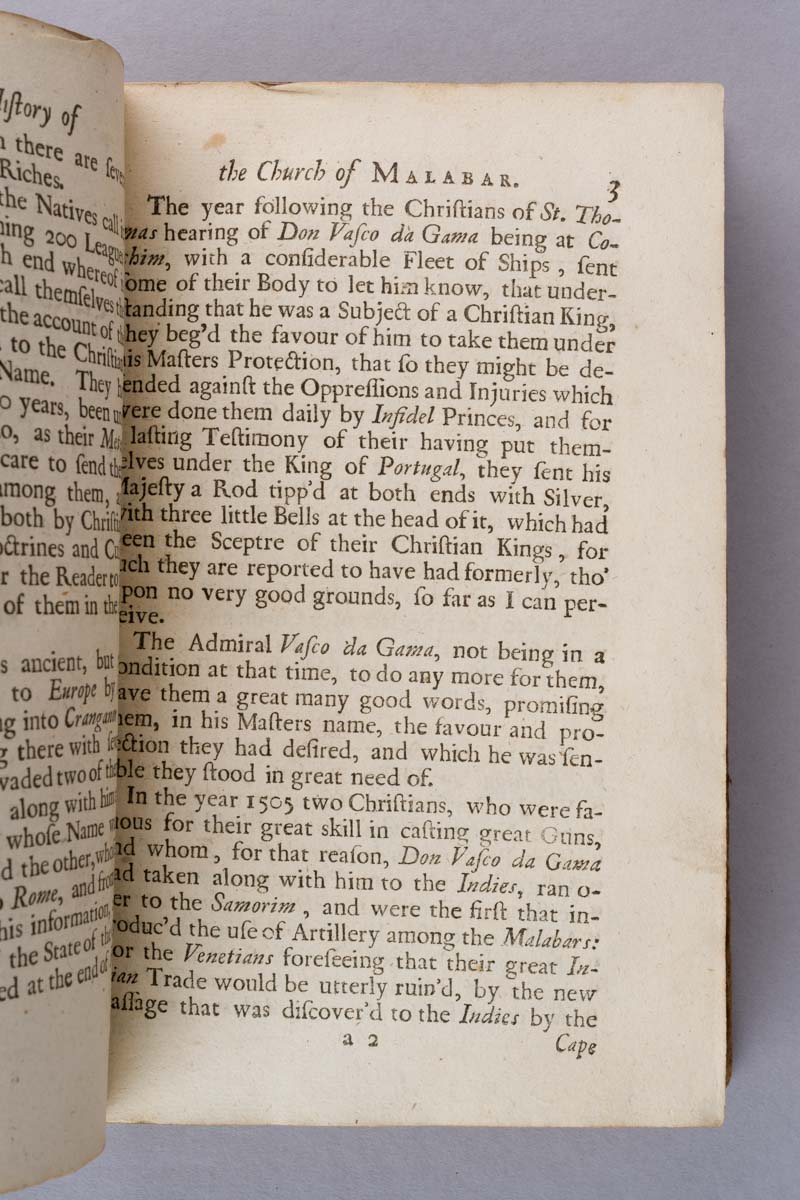
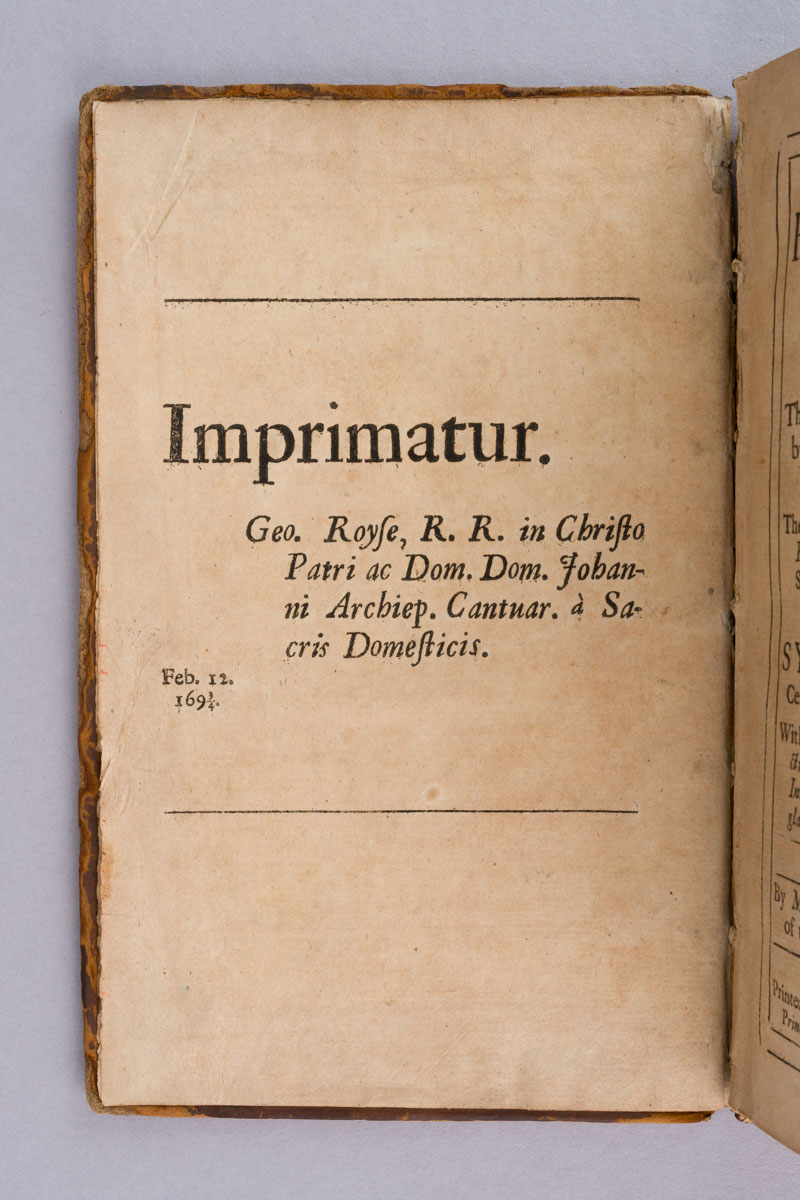
London, 1694. With the preliminary Imprimatur dated 12 February 1693/4, title page within double-rule border, dedication to Gilbert Burnet, Bishop of Salisbury and Chancellor of the Order of the Garter, and indexes. The standard collation is [24], 109, [11], 89–443, [5] pages. Institutional catalogues identify the work as an octavo and record signatures *⁴ **⁸ a⁸ A–Z⁸ Aa–Ff⁸.
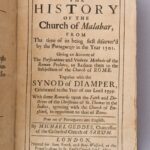
The work is presented on the title page as having been “Done out of Portugueze into English” by Michael Geddes, Chancellor of Salisbury Cathedral, although modern bibliographical records note that the original Portuguese source has not been securely traced and that the work may incorporate Geddes’s own composition.
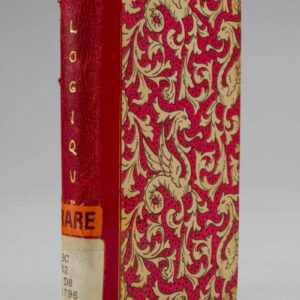
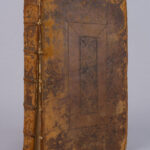
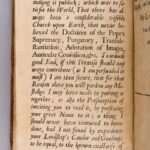
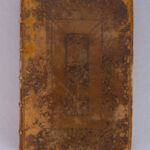
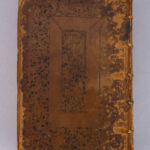
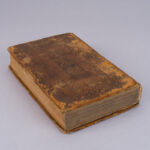
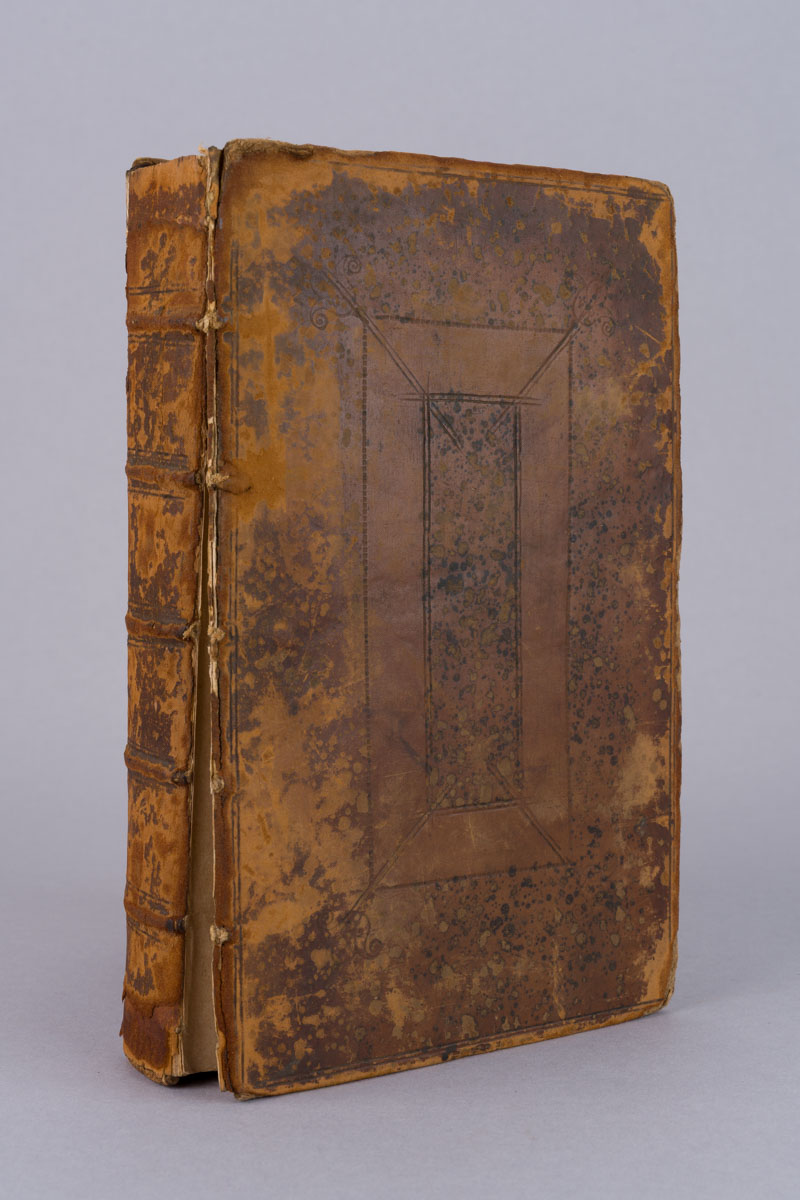
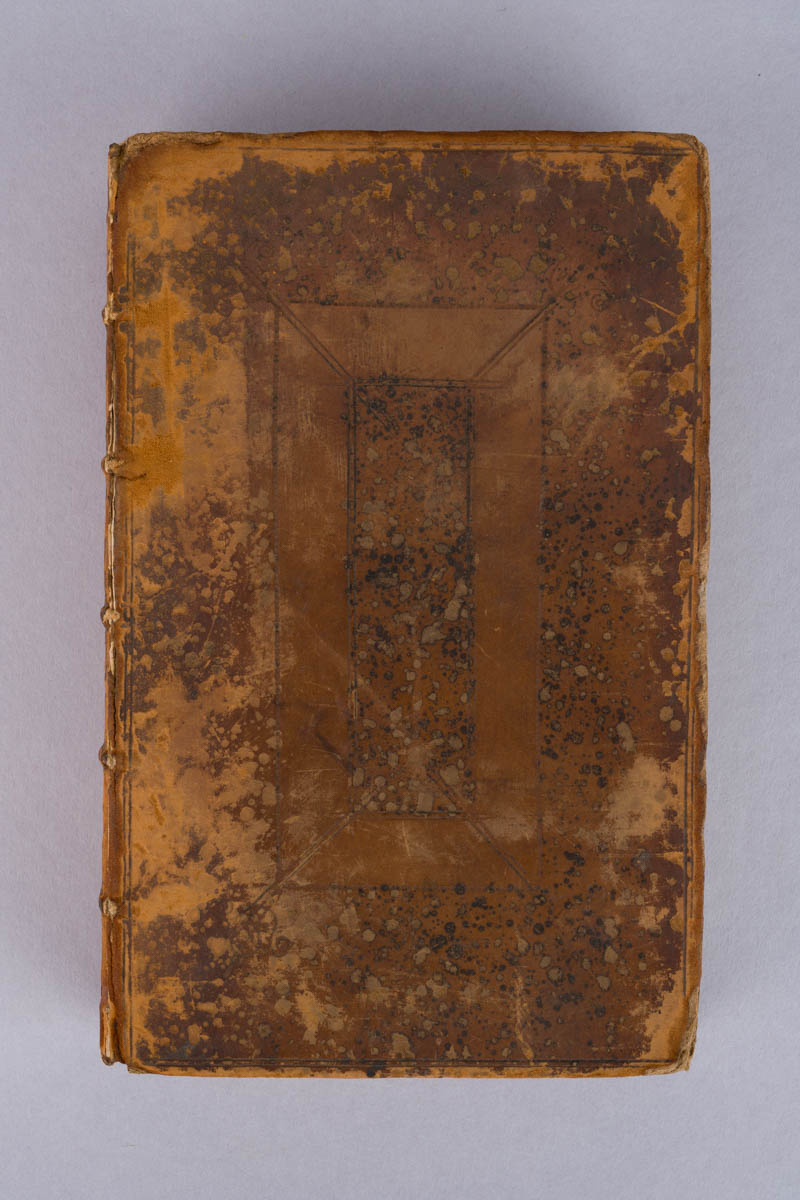
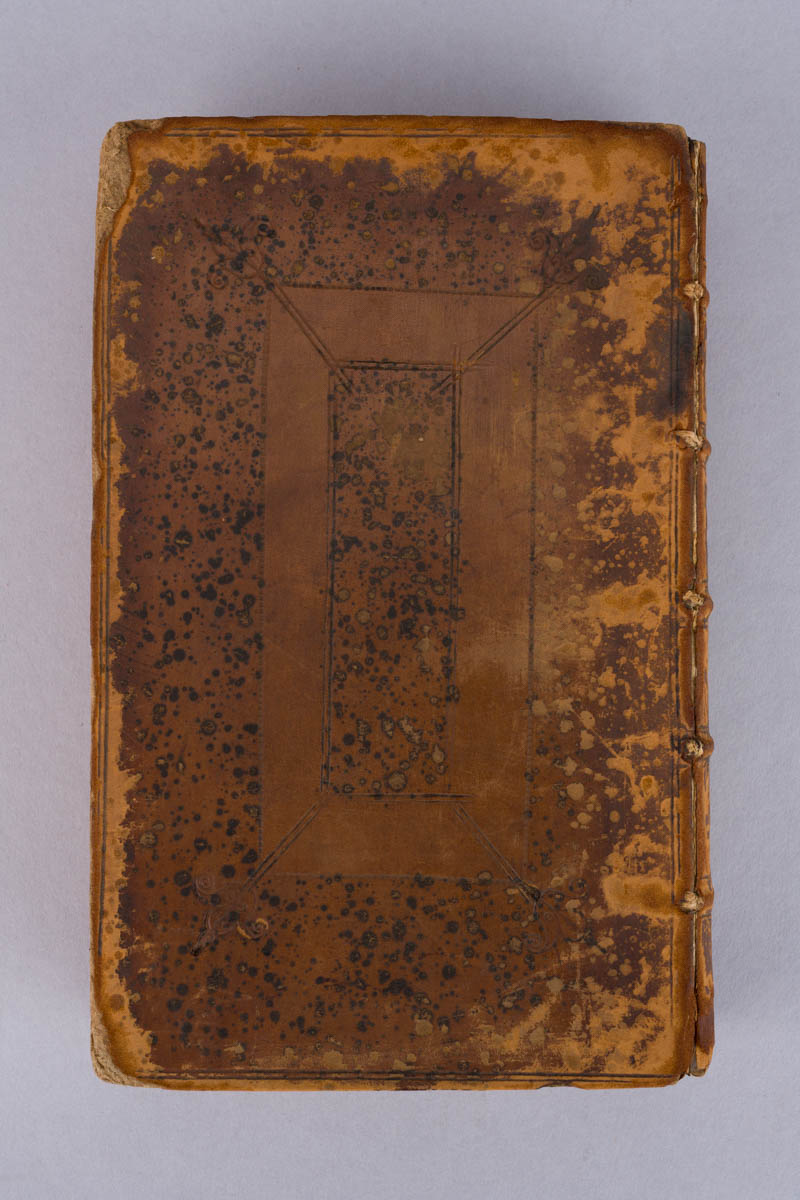
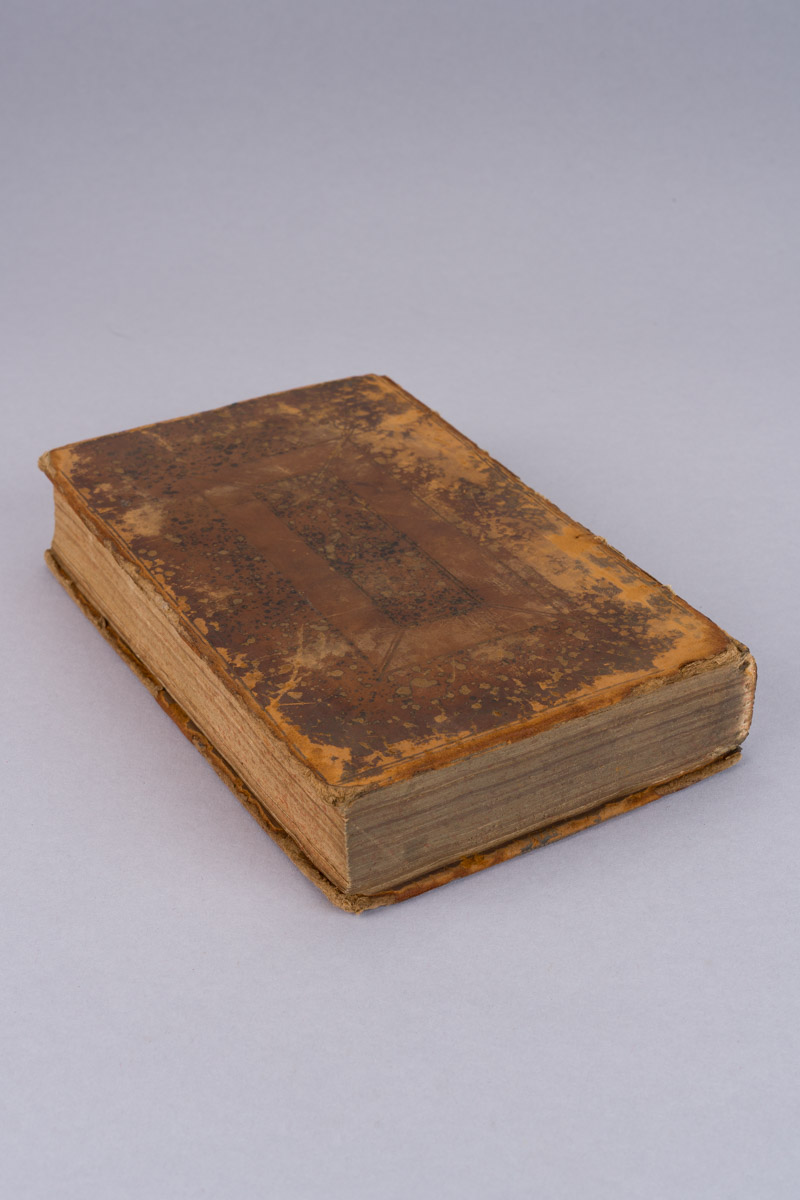
Bound in contemporary or early panelled calf, the boards decorated in blind with central rectangular panels. The binding shows substantial age-related wear, rubbing and surface loss, particularly towards the extremities; corners and spine ends worn. The photographs nevertheless show a remarkably evocative unrestored appearance appropriate to a book now more than three centuries old. Internally, the leaves show expected toning and occasional age-related marking, while the title and dedication leaves remain particularly attractive.
Author / Translator: Michael Geddes (c.1650–1713)
Title: The History of the Church of Malabar, from the Time of its being first discover’d by the Portuguezes in the Year 1501
Year: 1694
Edition: First Edition / First English Edition
Publisher: London: Printed for Sam. Smith and Benj. Walford, at the Prince’s-Arms in St. Paul’s Church-Yard
Format: Octavo
Reference: ESTC R2995; Wing H2148
1 in stock
Published in London in 1694, The History of the Church of Malabar introduced English readers to one of Christianity’s most remarkable communities: the St Thomas Christians of India.
According to their ancient tradition, Christianity had reached the Malabar Coast through the mission of St Thomas the Apostle in the first century. Whatever the precise origins of that tradition, Christian communities following East Syriac ecclesiastical traditions had flourished in southern India for centuries before the arrival of the Portuguese.
The encounter changed dramatically after Portuguese expansion into India.
Geddes begins his narrative with the Portuguese arrival in 1501 and concentrates particularly upon attempts by Roman Catholic authorities to bring the indigenous Christians into conformity with Rome. The culmination came with the Synod of Diamper in 1599, convened under Archbishop Aleixo de Menezes. The synod sought to reform the practices, texts and ecclesiastical allegiance of the St Thomas Christians and remains a pivotal event in the religious history of India.
Geddes’s account was not neutral. Writing as an Anglican churchman in late seventeenth-century England, he interpreted the Malabar Christians through the intense Protestant–Catholic controversies of his own period. The title itself explicitly contrasts their faith with Rome and draws parallels with the Church of England.
That polemical perspective is precisely what makes the book historically revealing: it documents not simply European encounters with Indian Christianity, but also how those encounters became part of the religious arguments of Restoration and post-Restoration Britain.
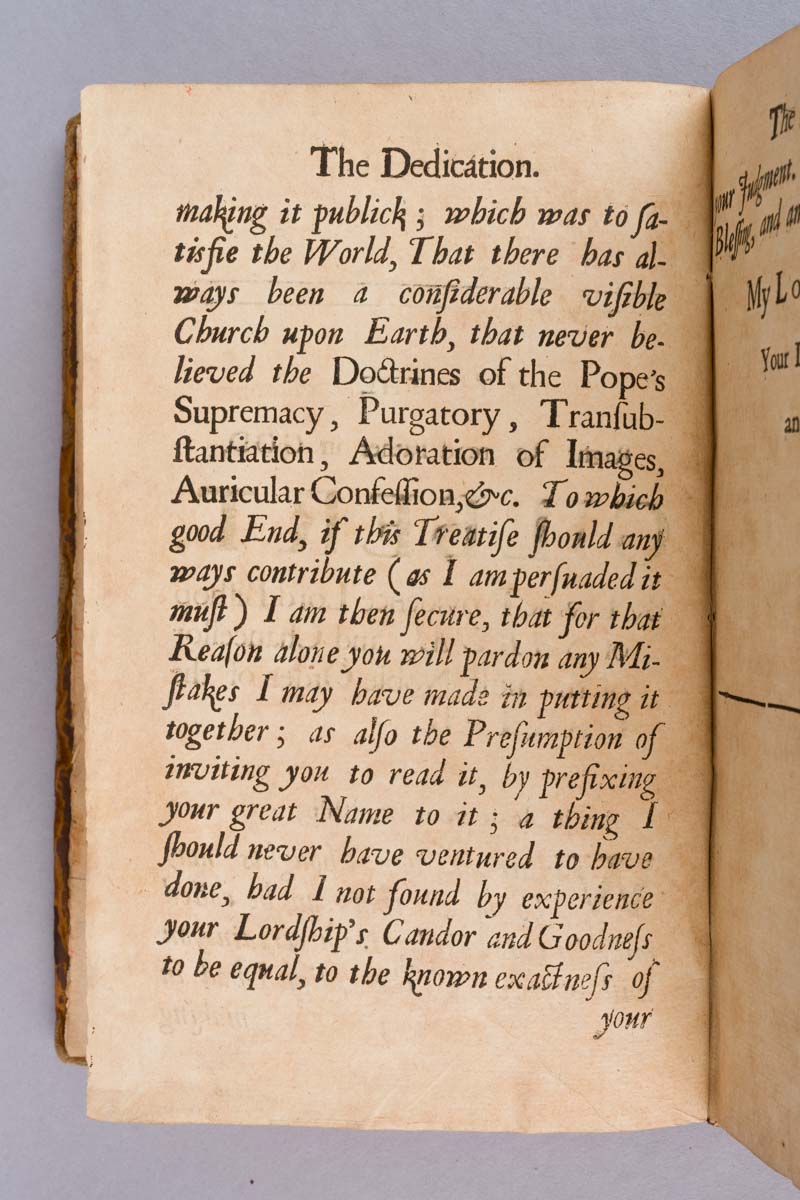
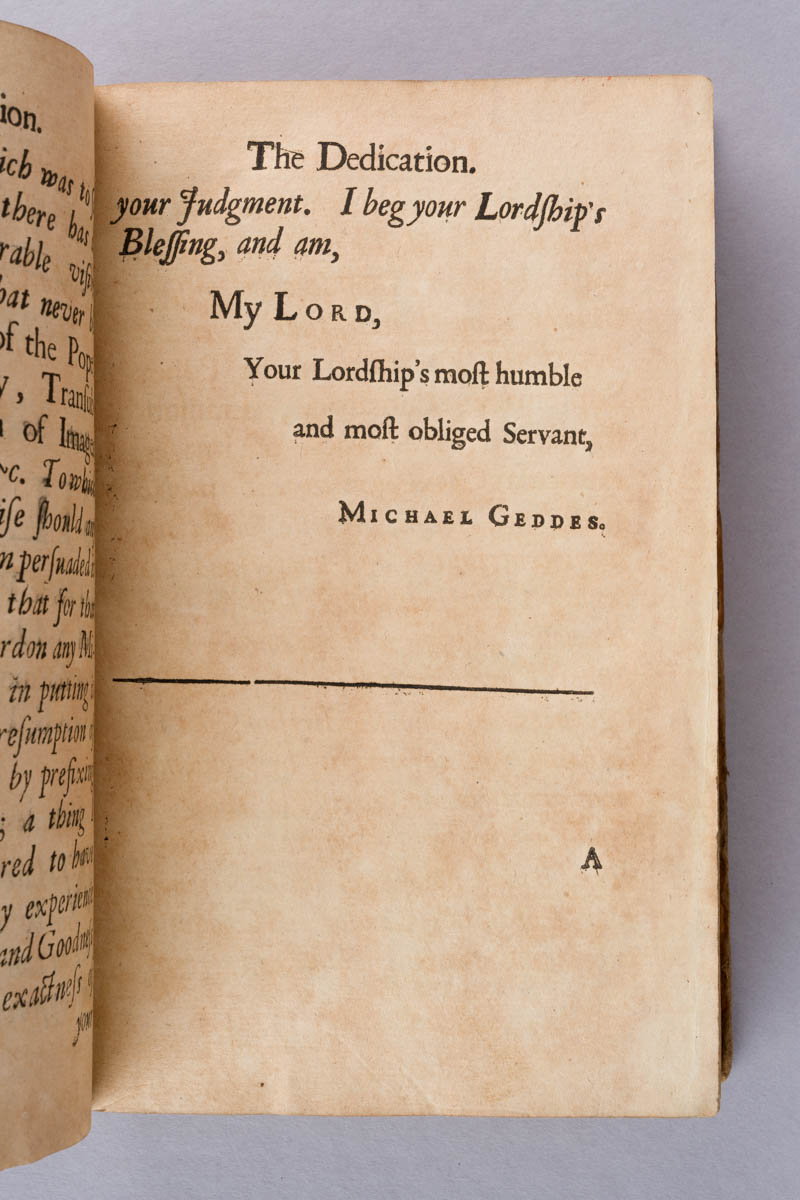
The physical book retains another particularly attractive feature: its dedication to Gilbert Burnet, Bishop of Salisbury, one of the leading ecclesiastical and political figures of the age. Geddes served as Chancellor of Salisbury Cathedral, placing the publication firmly within the intellectual and ecclesiastical networks of late seventeenth-century England.
Major research collections preserve copies today, including the Folger Shakespeare Library, Huntington Library and Eton College.
This is an unusually compelling book at the intersection of early European–Indian contact, colonial history and the history of Christianity in Asia.
Its desirability rests particularly on the combination of:
This is not simply an early theological work. It is a seventeenth-century European attempt to understand an ancient Christian culture in India and an important primary source for the history of Christianity, Portuguese colonialism and European perceptions of the East.
For a collection concerned with India, colonial history, Christianity, Portuguese exploration or seventeenth-century printing, it has considerable historical depth.