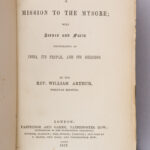
In April 1839, the young Wesleyan minister William Arthur left Britain for India, embarking on a journey that would take him thousands of miles from Victorian London to the princely state of Mysore.
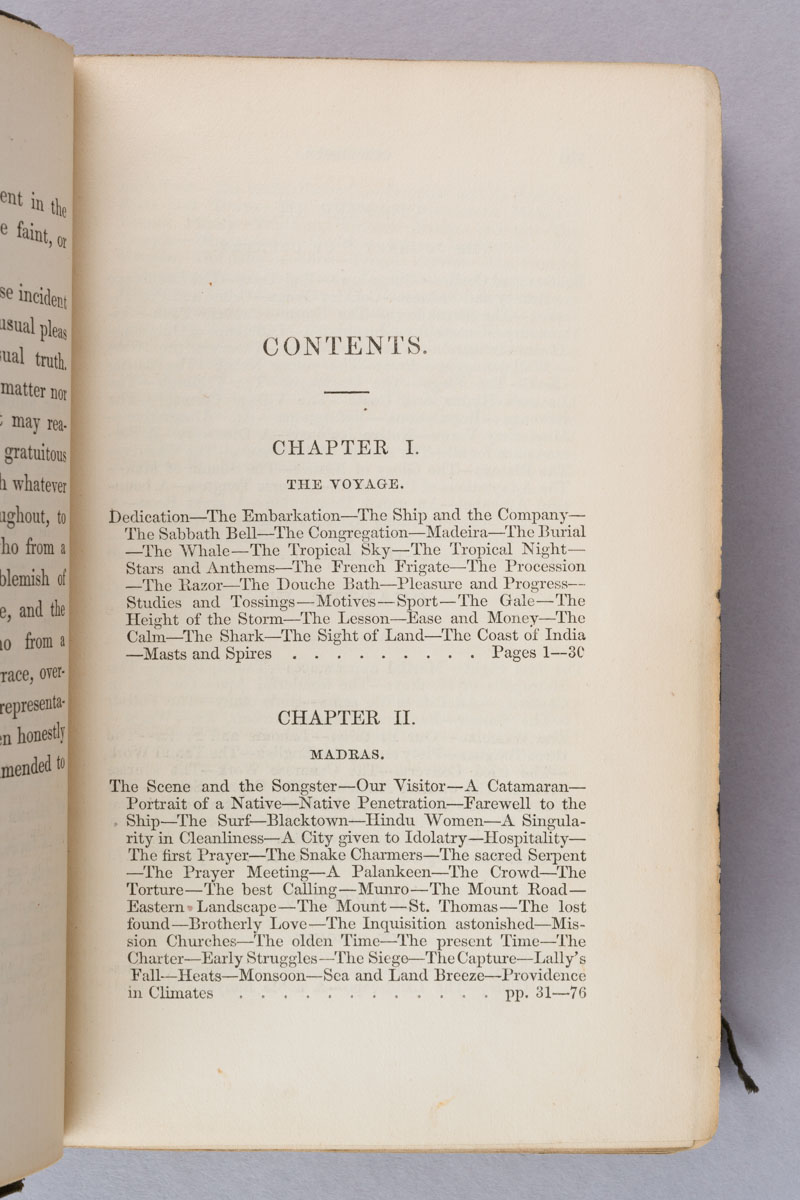
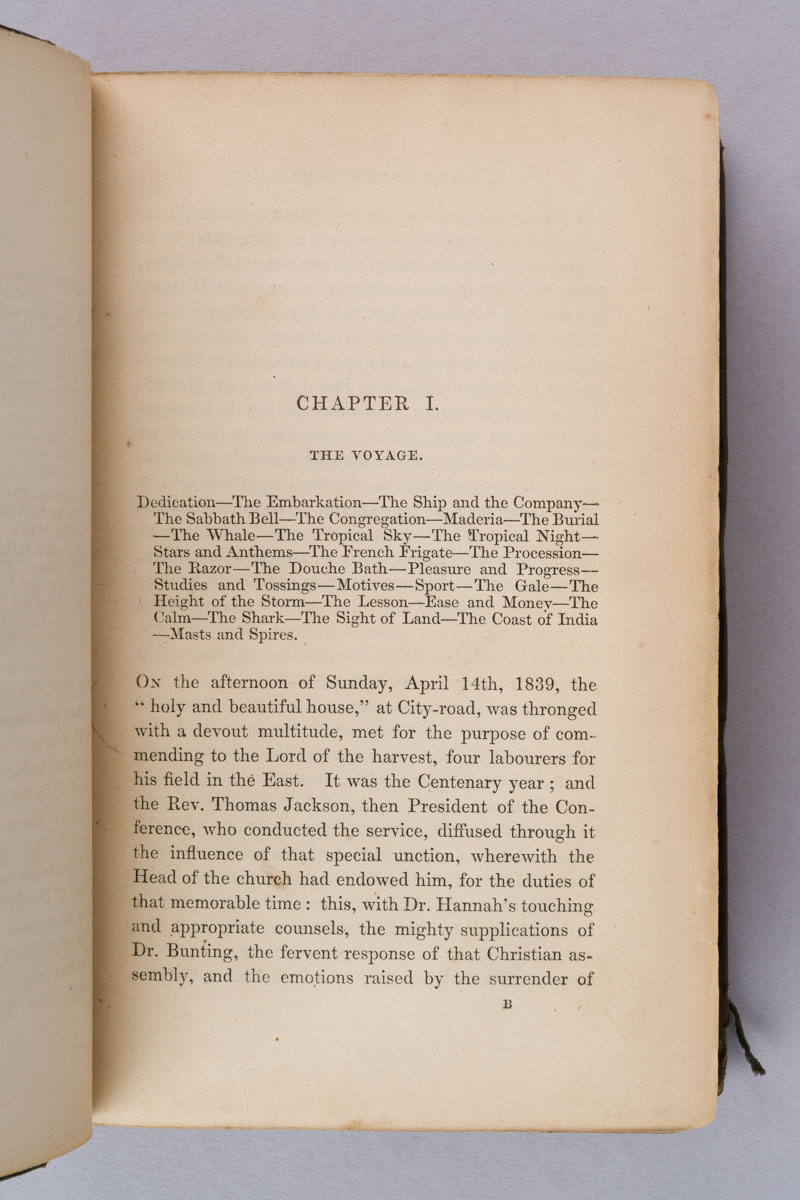
His book begins not in India but with the voyage itself: Madeira, life aboard ship, tropical skies, storms, encounters at sea and finally the sight of the Indian coast. From there Arthur turns to the country that confronted a nineteenth-century European traveller — its people, customs, religions and rapidly changing relationship with Britain.
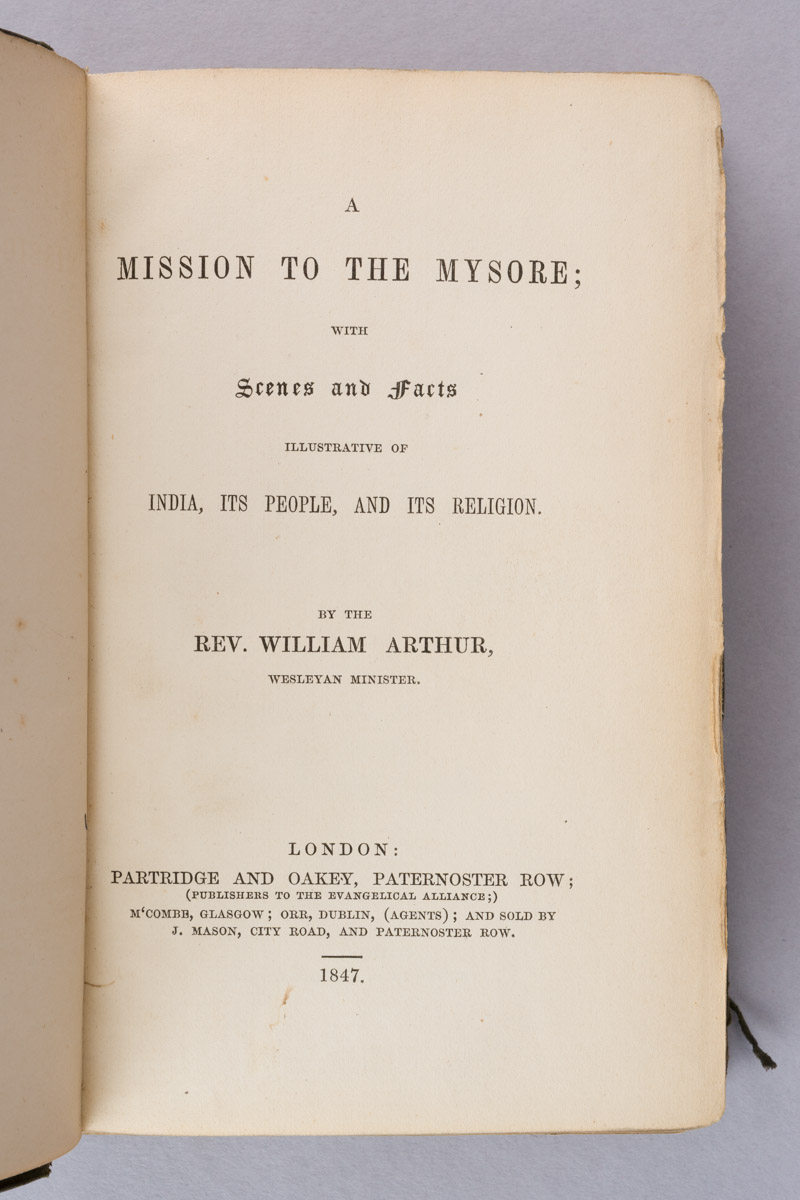
Published in 1847, A Mission to the Mysore belongs to an important period in Indian history, a decade before the Indian Rebellion of 1857 fundamentally altered British rule on the subcontinent.
Arthur was not merely compiling information at home. His narrative grew from direct experience as a Wesleyan missionary in southern India. Consequently, the book preserves the observations and attitudes of an educated Victorian encountering Indian society during the expansion of British imperial influence.
Today, the work has significance beyond its original missionary purpose. It is a primary-source document of the British encounter with nineteenth-century India — valuable precisely because it records both what Arthur saw and the cultural and religious assumptions through which a Victorian missionary interpreted it.
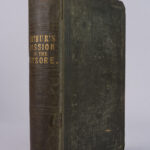
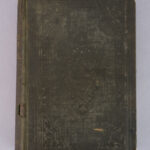
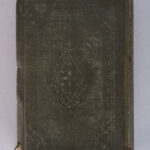
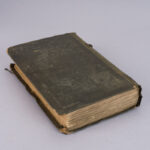
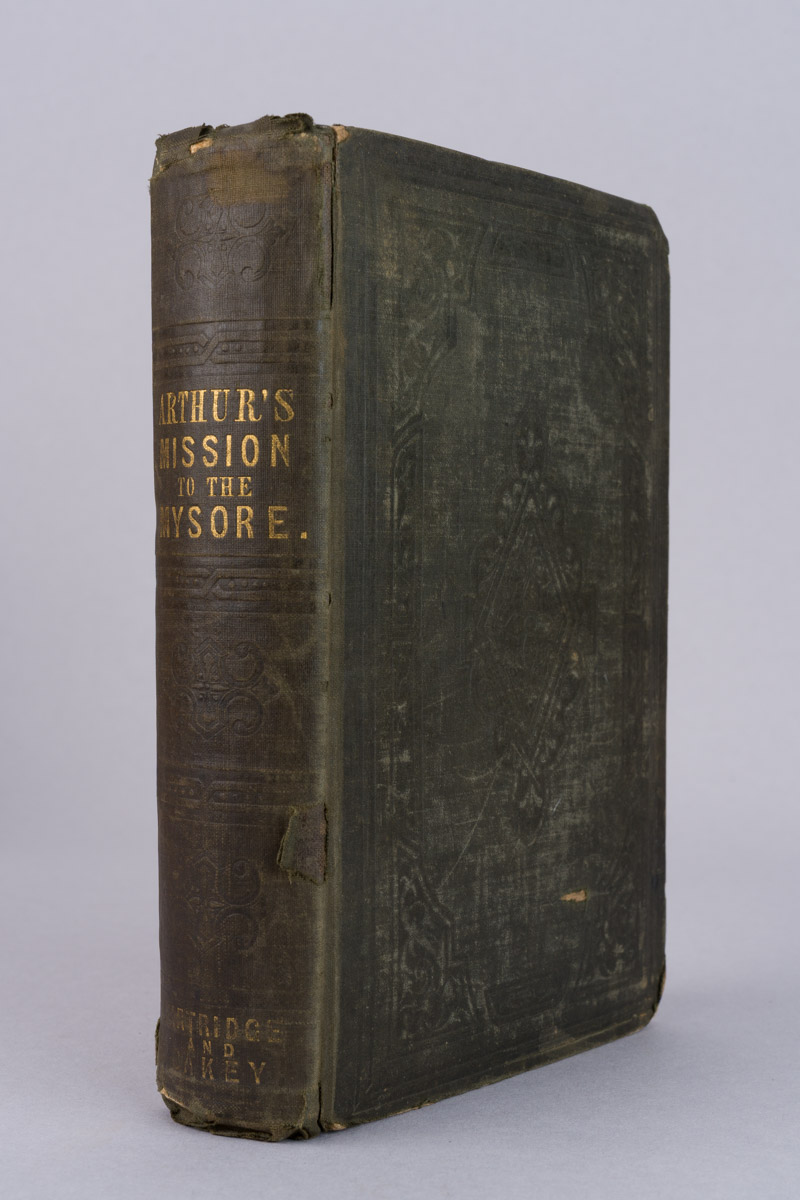
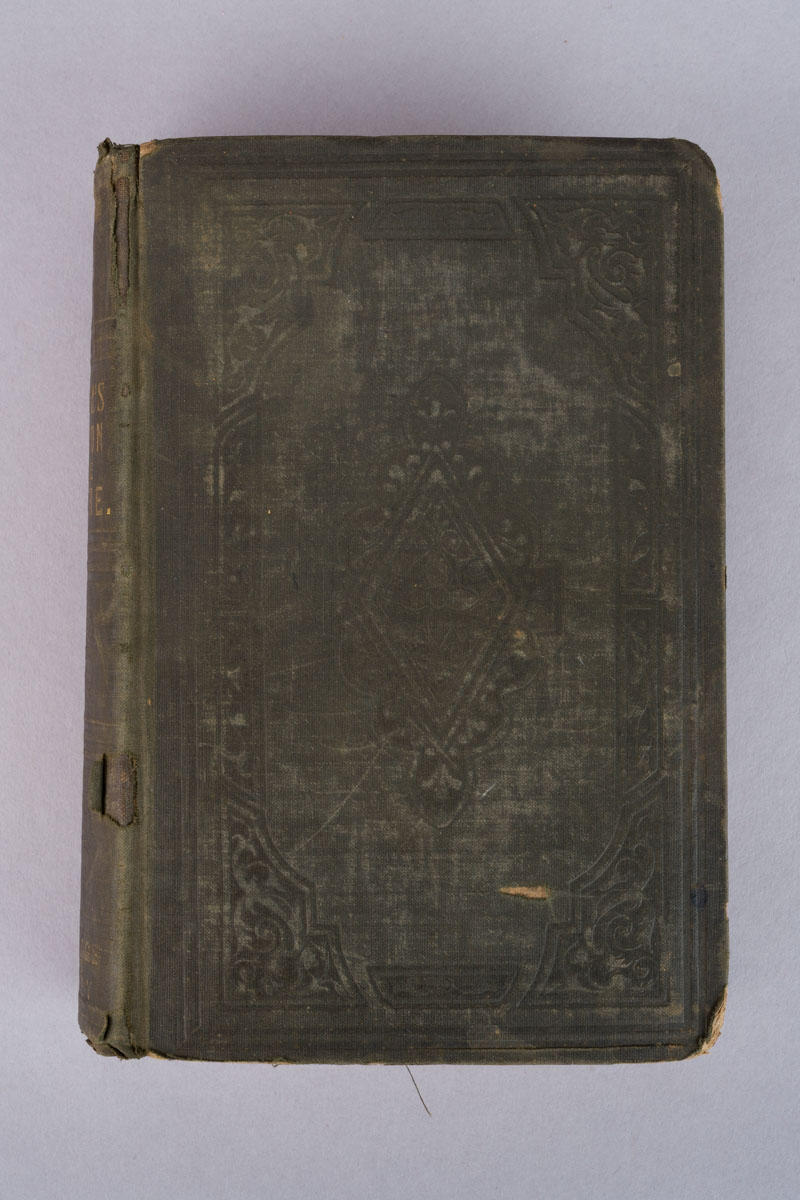
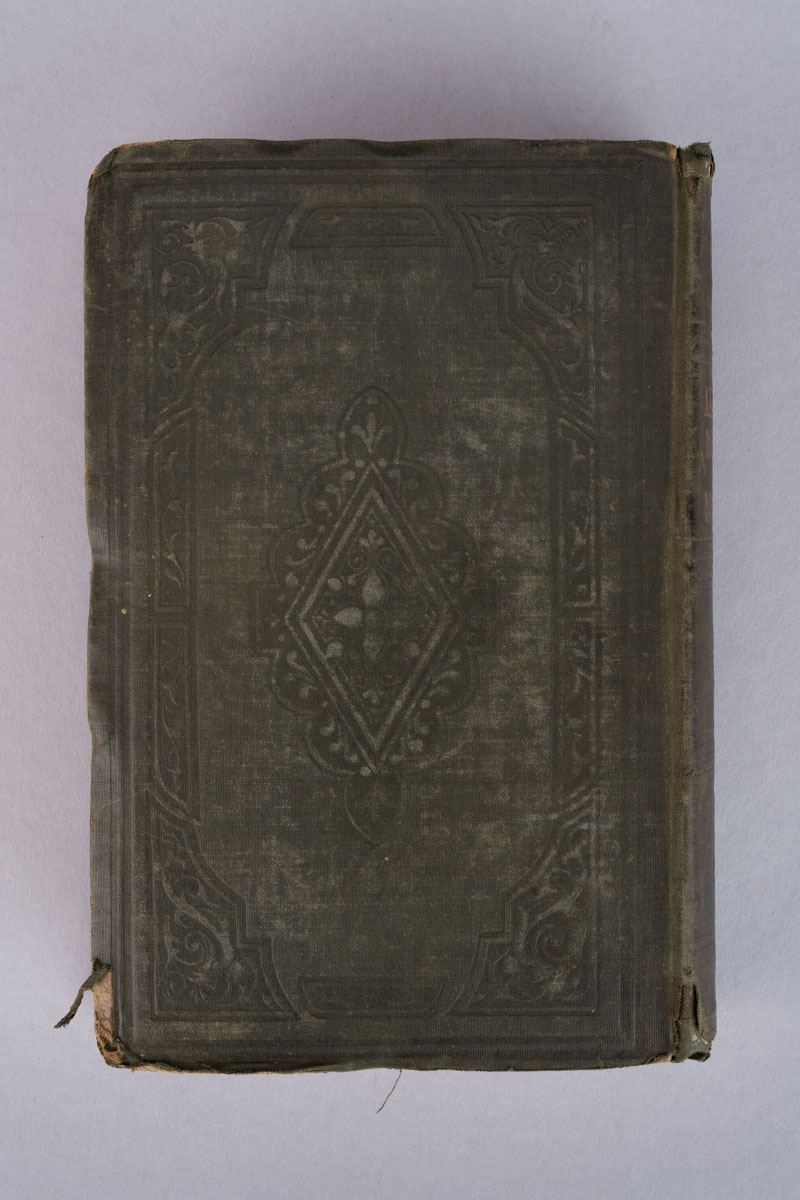
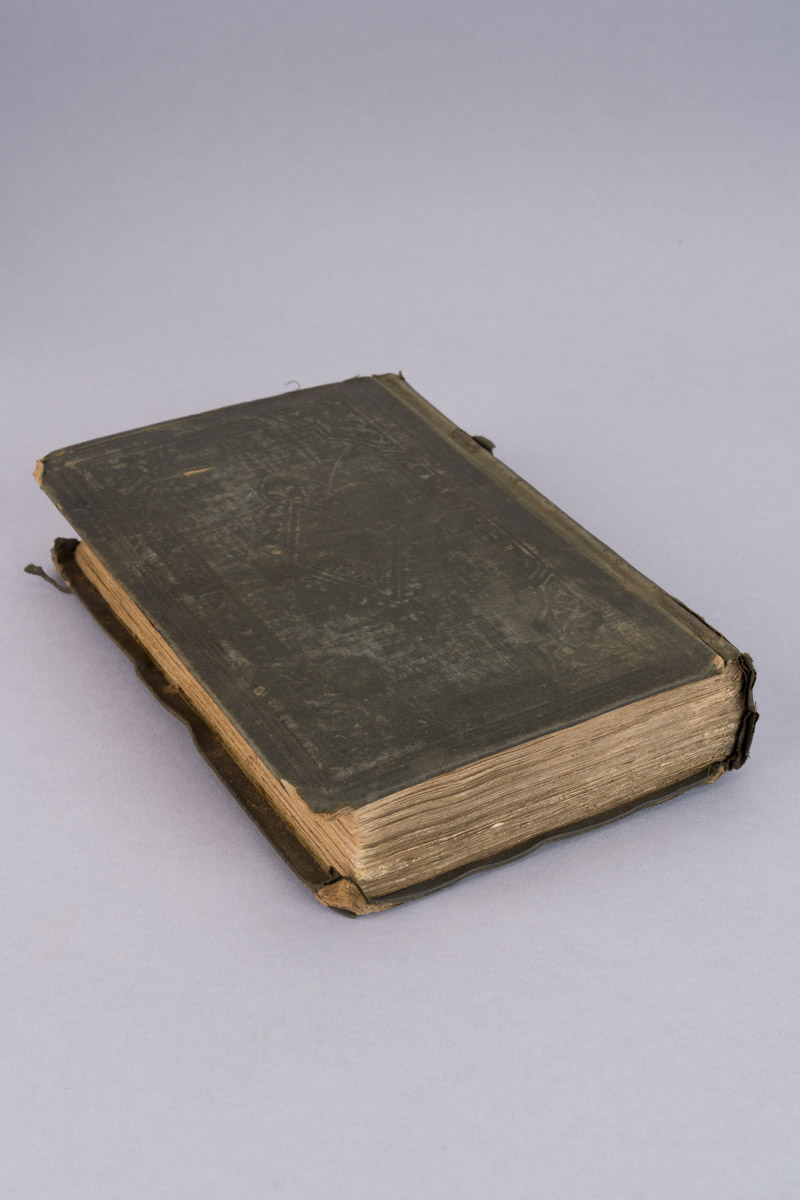
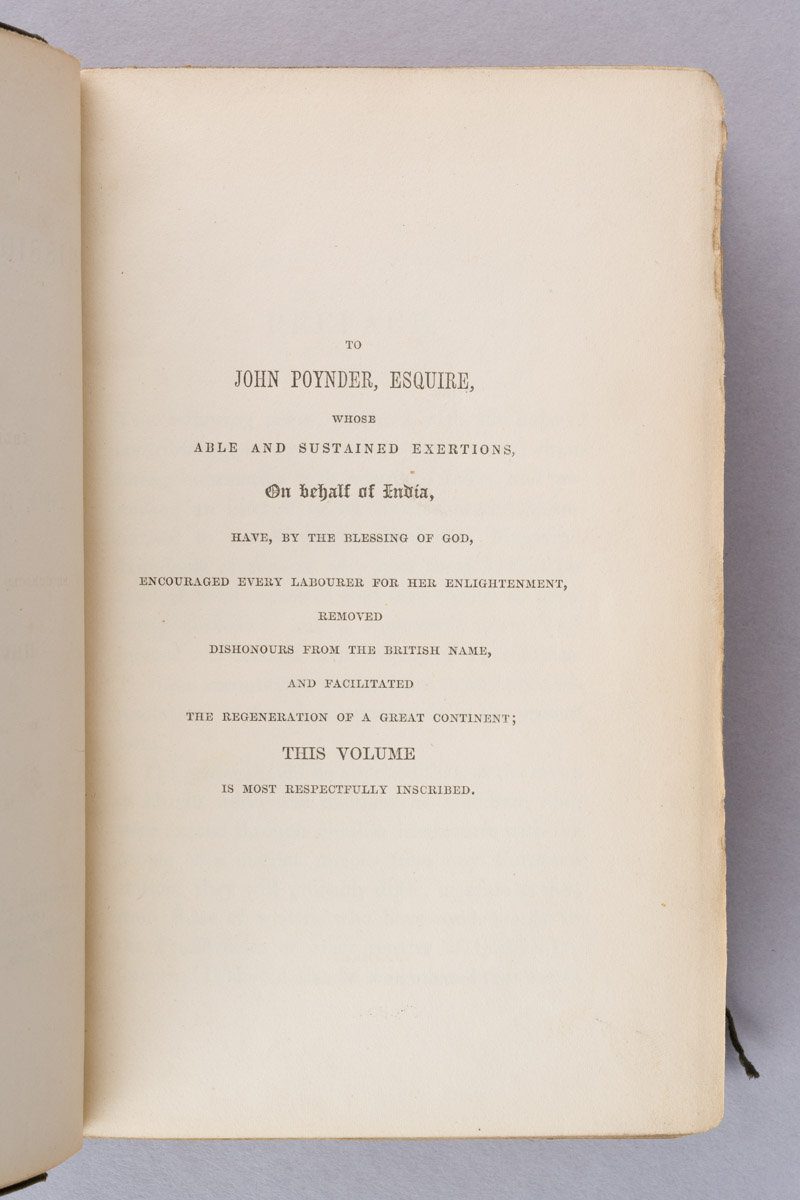
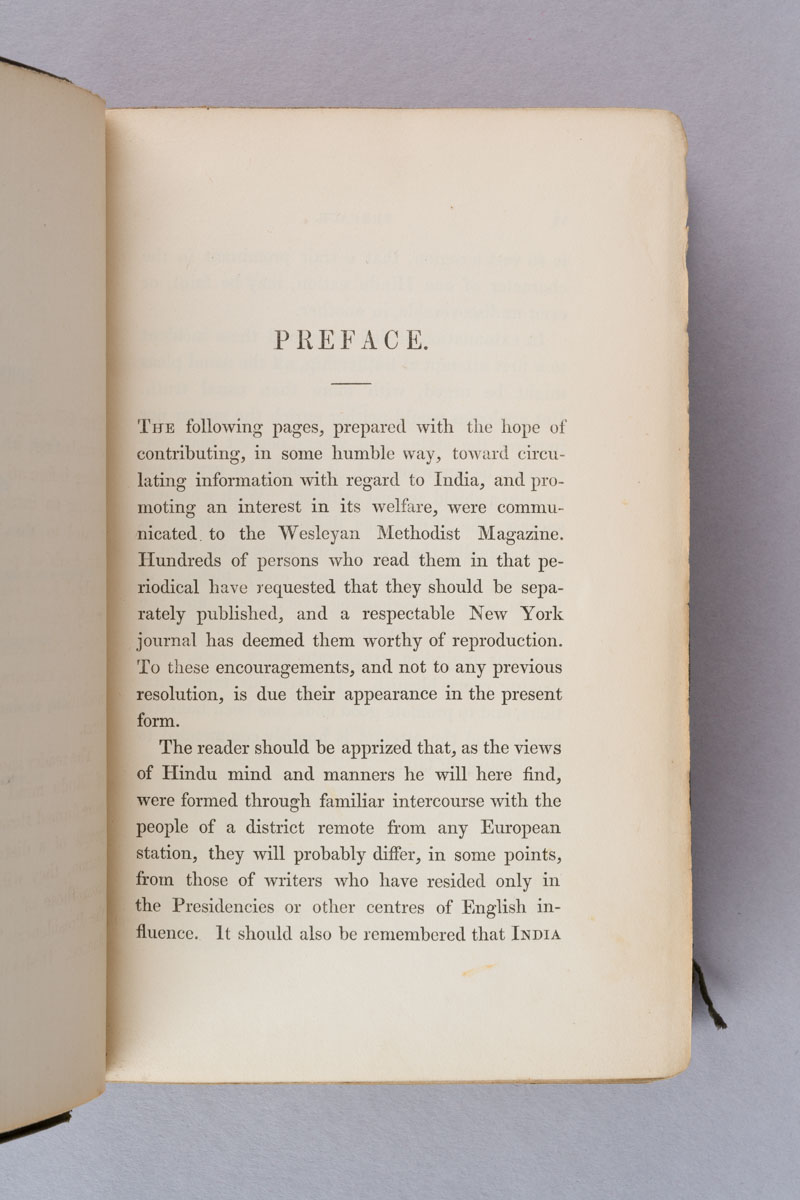
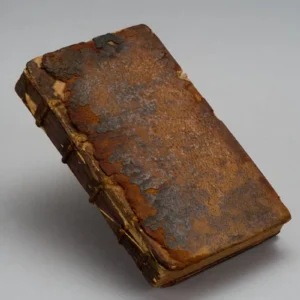
This is an appealing first edition of an 1847 Indian travel and missionary narrative, retaining its original Victorian cloth binding.
Its interest extends across several collecting areas: British India, Mysore and southern India, nineteenth-century travel, missionary history, colonial history and the history of cultural encounters between Britain and India.
The survival of the original blind-stamped publisher’s cloth is particularly desirable. Despite the evident external wear, it gives the volume the physical character expected of a book that travelled through nearly 180 years of history.
For a collection of early travel or British India, A Mission to the Mysore offers something particularly valuable: a substantial contemporary narrative written by a man who actually travelled to and lived in the region he describes.